Table of Contents >> Show >> Hide
- What Is a Fishnet Woven Placemat Set?
- Why This Placemat Style Works So Well
- Best Materials for a Fishnet Woven Placemat Set
- How to Style a Fishnet Woven Placemat Set
- How to Choose the Right Set
- Care and Maintenance Tips
- Why a Fishnet Woven Placemat Set Is Worth It
- A Longer, Real-Life Take: Living With a Fishnet Woven Placemat Set
- Conclusion
- SEO Tags
If your dining table has ever looked a little too plain, a little too serious, or a little too “I forgot people can actually decorate this thing,” a fishnet woven placemat set might be your easiest upgrade. It is practical, yes. It protects your table, frames your plate, and makes weeknight pasta look slightly more intentional. But it also does something more important: it adds texture. And texture, dear reader, is the difference between a table that exists and a table that has a personality.
The appeal of a fishnet woven placemat set comes from that open, airy weave. It feels casual without looking sloppy, handcrafted without looking rustic in a dusty way, and stylish without screaming for attention. In a world of glossy surfaces and fast furniture, these placemats bring back something warm and tactile. They soften a hard tabletop, pair beautifully with ceramics, linen napkins, and everyday plates, and make even a takeout dinner feel like it showed up dressed for the occasion.
That is why fishnet-style woven placemats keep showing up in home decor conversations. The best versions are simple, flexible, and visually light. They fit coastal rooms, modern organic dining spaces, boho tables, farmhouse kitchens, and even more polished settings that need one natural element to keep the whole scene from becoming too stiff. They are the home decor equivalent of that friend who knows how to show up looking effortlessly cool while the rest of us are still debating whether beige counts as a personality trait.
What Is a Fishnet Woven Placemat Set?
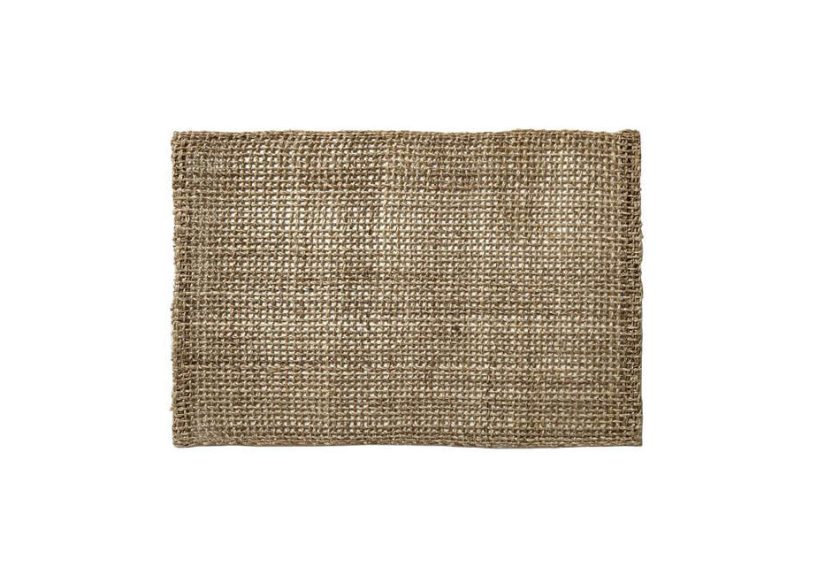
A fishnet woven placemat set is a collection of placemats made with an open-weave pattern that resembles a loose net. The design usually feels breathable and relaxed rather than tightly braided or heavily textured. Many fishnet woven placemats are made from natural fibers such as abaca, jute, rattan-inspired materials, or other woven plant fibers, though some modern versions use easy-care synthetics for indoor-outdoor use.
The charm is in the pattern. Traditional woven placemats can sometimes look dense or formal, but fishnet styles tend to feel lighter and more playful. They let a little of the table show through, which creates depth. That small detail matters. On a wood table, the grain peeks out underneath. On a painted or lacquered surface, the contrast becomes part of the design. On a tablecloth, the fishnet weave adds a layered look that feels collected rather than flat.
Sets often come in neutral tones like natural, tan, brown, soft gray, black, or muted blue, making them easy to style across seasons. A natural fishnet woven placemat set can lean coastal in summer, earthy in fall, festive with metallic accents in winter, and fresh again in spring with white dishes and green glassware. Very few tabletop accessories work that hard for that little drama.
Why This Placemat Style Works So Well
It Adds Texture Without Clutter
One of the most consistent lessons in table styling is that texture makes a table feel finished. A fishnet woven placemat set introduces texture in a clean, unfussy way. It gives the table visual interest, but because the weave is open and airy, it does not feel bulky or heavy. This is especially useful if you like minimal decor but do not want your dining setup to look sterile.
It Feels Relaxed but Still Thoughtful
There is a reason natural woven placemats are favorites in casual entertaining. They help a table feel warm and welcoming. A fishnet pattern takes that easygoing quality one step further. It feels less formal than embroidered linens and less utilitarian than plastic mats, which makes it ideal for people who want their table to look polished but livable.
It Layers Beautifully
Fishnet woven placemats are excellent base pieces. You can layer them with stoneware, glossy dinner plates, folded cloth napkins, chargers, small bowls, or a runner down the center of the table. They also work with mixed materials, which is one of the easiest ways to make a tablescape feel professionally styled. Think woven mat, ceramic plate, brushed flatware, and glassware with a slight tint. Suddenly dinner looks like it has a mood board.
Best Materials for a Fishnet Woven Placemat Set
Not all woven placemats are created equal, and material matters more than people think. The right choice depends on whether you value texture, softness, easy cleanup, or long-term durability.
Abaca
Abaca is one of the most appealing materials for this look. It has a natural, handwoven character and often appears in premium placemats with a relaxed, organic feel. Abaca placemats tend to have beautiful texture and subtle variation, which is part of their charm. If you like the idea of a handcrafted table with a modern organic look, abaca is a strong choice.
Jute
Jute brings warmth and a slightly more rustic vibe. It works especially well in farmhouse, bohemian, and casual outdoor-inspired interiors. A jute fishnet woven placemat set can feel earthy and durable, though it may have a rougher texture than other fibers. It is great for homes that want that “come in, sit down, and pass the bread” energy.
Synthetic Woven Materials
Some fishnet-style placemats use vinyl, PVC blends, or coated fibers. These are often easier to wipe clean and may suit families with kids, outdoor dining areas, or anyone who has ever looked at spaghetti sauce and thought, “Well, that placemat had a nice run.” Synthetic options can still look stylish, especially in neutral colors or woven patterns that mimic natural fibers.
Mixed Natural Fibers
Some sets combine fibers or use wicker, seagrass-inspired textures, or rattan-like construction. These styles tend to blur the line between coastal and classic. They are ideal when you want a placemat set that feels decorative enough for guests but simple enough for everyday use.
How to Style a Fishnet Woven Placemat Set
For a Coastal Table
Use natural or sandy-toned placemats with white or cream dishes, pale blue glassware, and linen napkins. The open weave echoes beachy textures without becoming overly themed. This is coastal style done right, not “there is a shell glued to everything and now I live in a souvenir shop.”
For a Modern Organic Look
Pair your fishnet woven placemat set with matte ceramic plates, olive or charcoal napkins, and a simple centerpiece of greenery. Keep the palette subdued and let the weave provide the interest. This approach works beautifully on oak, walnut, or dark-stained dining tables.
For Casual Family Meals
Choose a darker tone or easy-care woven version and pair it with sturdy everyday dinnerware. You do not need matching everything. In fact, a little mix makes the setup feel more personal. The placemats create enough structure that the table still looks put together, even if Tuesday dinner is grilled cheese and a side of “whatever is in the fridge.”
For Entertaining
Dress them up with cloth napkins, layered plates, candles, and a runner. Because fishnet woven placemats are textural but not too loud, they make an excellent foundation for seasonal decor. Add berries and brass in winter, citrus and stripes in summer, mini pumpkins in fall, or fresh herbs in spring.
How to Choose the Right Set
Pay Attention to Shape
Rectangular placemats are classic and usually the easiest for standard place settings. Round versions look especially good on round tables and can soften angular furniture. Oval shapes offer a slightly more decorative, traditional feel.
Check the Size
A good placemat should comfortably hold the dinner plate and leave enough room for flatware placement. If you entertain often or use larger dinnerware, avoid undersized mats. A too-small placemat makes the setup feel cramped, which is not ideal when the goal is “effortless host” rather than “plate balancing contest.”
Match the Material to Your Lifestyle
If your table sees daily family use, an easy-care woven placemat set may be smarter than a delicate handcrafted one. If you mostly host adults or want a more design-forward look, natural fibers are worth the extra maintenance. The best placemat is not the fanciest one. It is the one you will actually enjoy using.
Think About Color Longevity
Natural, tan, black, brown, and muted green are the most versatile shades. They bridge seasons and mix well with changing dishware. Bright colors can be fun, but neutrals tend to give a fishnet woven placemat set a longer style life.
Care and Maintenance Tips
Care depends on the material, but most woven placemats reward gentle maintenance. Natural fiber versions often do best with light brushing, shaking out crumbs, or wiping carefully as needed. Many synthetic styles are designed to be wiped clean with a damp cloth. Either way, soaking or overly aggressive cleaning is rarely a good idea for woven construction.
Store placemats flat when possible to maintain their shape. Avoid stacking heavy objects on top if the weave is open or delicate. If they are used outdoors, bring them inside after meals unless the material is specifically designed for weather exposure. Sun, moisture, and daily grime can shorten the life of even a well-made placemat set.
A little variation is normal in handwoven pieces. Slight differences in color, shape, or weave are not flaws. They are part of what gives natural-fiber placemats their charm. If every piece were machine-perfect, the whole point of that handcrafted texture would be lost.
Why a Fishnet Woven Placemat Set Is Worth It
Some tabletop purchases are seasonal. Others are trendy for five minutes and then disappear into a cabinet with the novelty serving spoons. A fishnet woven placemat set tends to stick around because it solves both a practical problem and a visual one. It protects the table, anchors each place setting, and instantly upgrades the room with texture and warmth.
It also adapts well. You can use it with plain white plates for a minimal dinner, layer it with patterned napkins for a holiday table, or pair it with melamine and tumblers for outdoor lunches. That kind of flexibility matters. The best home pieces are not the ones that only work on special occasions. They are the ones that make ordinary life look a little better.
And that may be the real charm here. A fishnet woven placemat set is not trying to be the star of the room. It is the supporting actor who quietly steals every scene. It makes the table feel more finished, the meal feel more intentional, and the whole space feel like somebody actually lives there in a stylish, semi-responsible way.
A Longer, Real-Life Take: Living With a Fishnet Woven Placemat Set
Living with a fishnet woven placemat set is one of those small home upgrades that surprises you by how often you notice it. On the first day, you see the texture. On the second day, you realize your plates suddenly look better. By the end of the week, you are wondering why your table spent so long looking naked and unbothered.
At breakfast, the placemats make a simple mug of coffee and toast feel less rushed. They add just enough structure to the table that even a quick meal seems intentional. You are not setting a formal breakfast table. You are just giving the morning a little dignity before emails start arriving like they pay rent. The open weave helps the table look styled without making cleanup feel precious or high-maintenance.
At lunch, especially in a kitchen that gets a lot of daily use, the placemats help break up visual monotony. A wood table can start to feel flat when it is left completely bare every day. A fishnet woven placemat set changes that by adding contrast and softness. Because the weave is airy, it does not overwhelm the room. It is there, doing its job, looking nice, and minding its own business.
Dinner is where these placemats really earn their keep. They frame a plate beautifully, whether the meal is roast chicken, takeout noodles, or salad that was meant to be “light” but somehow includes bread, cheese, and a dessert decision. The placemats make the place setting look anchored. They keep the table from feeling cold, especially under ceramic dishes or glassware. If you use cloth napkins, the combination becomes even better. Suddenly the whole meal feels less like survival and more like hosting, even if the only guest is your usual Wednesday exhaustion.
They also shine when company comes over. A fishnet woven placemat set gives guests the sense that the table was considered, not just assembled at the last minute. Add candles, a bowl of citrus, a few stems of greenery, or a linen runner, and the placemats become the visual bridge that ties everything together. They make casual entertaining feel polished without tipping into fussiness. That balance is harder to achieve than home magazines make it look.
Season after season, the set keeps working. In summer it feels breezy and coastal. In fall it plays well with wood tones, amber glass, and darker ceramics. During the holidays it adds texture underneath plates and metallic accents. In spring it looks fresh again with white dishes and green or floral details. Very few tabletop items are that adaptable. That is the kind of versatility people remember once they start using the set regularly.
So yes, a fishnet woven placemat set is a practical purchase. But the real experience is emotional. It makes the table feel warmer, the room feel more finished, and ordinary meals feel like they belong to a home rather than a schedule. For something so simple, that is a pretty impressive trick.
Conclusion
A fishnet woven placemat set is a smart choice for anyone who wants a dining table that feels warm, textured, and effortlessly styled. It works because it combines beauty with function. The open weave feels laid-back, the natural-fiber look adds depth, and the overall effect is easy to adapt for daily meals or guest-ready tablescapes. Whether you prefer coastal calm, modern organic minimalism, or a casual collected look, this style of woven placemat offers flexibility without feeling generic.
In other words, it is not just a placemat set. It is a low-effort, high-impact styling move. And in home decor, that is basically the dream.