Table of Contents >> Show >> Hide
- Why Fall Garden Prep Matters More Than Most People Realize
- Your Fall Garden Checklist for Winter Prep
- 1. Start With Your First Frost Date, Not Your Vibes
- 2. Clean Out Vegetable Beds Thoroughly, Especially if Disease Showed Up
- 3. Improve the Soil Before Winter Shows Off
- 4. Put Leaves to Work Instead of Treating Them Like Trash
- 5. Mulch Smartly and at the Right Time
- 6. Leave Some Perennials Standing for Wildlife and Winter Interest
- 7. Dig Tender Bulbs, Plant Hardy Bulbs
- 8. Water Trees, Shrubs, and Evergreens Before the Ground Freezes
- 9. Resist the Urge to Prune Everything in Fall
- 10. Winterize the Lawn Without Overcomplicating It
- 11. Drain Hoses, Shut Down Irrigation, and Clean Your Tools
- Common Fall Garden Mistakes to Avoid
- A Simple Weekend Plan to Get It Done
- Real-World Experiences and Hard-Earned Lessons From Fall Garden Cleanup
- Final Thoughts
Fall is the season when gardeners become part strategist, part meteorologist, and part leaf wrangler. One minute you are admiring the last marigold standing, and the next you are asking yourself whether that pile of leaves is “natural mulch” or “a future fungal crime scene.” The good news is that getting your yard ready for winter does not require a dramatic montage, a tractor, or a spiritual awakening. It just takes a smart, organized fall garden checklist.
If you handle the right chores in autumn, your yard heads into winter healthier, cleaner, and better protected. Even better, spring becomes far less chaotic. Instead of discovering collapsed tomato cages, flattened perennials, mystery weeds, and one hose you definitely forgot to drain, you will start the season with a yard that is already halfway cooperative. That is the dream.
This guide walks through exactly how to prep your yard for winter, including what to clean up, what to leave alone, when to mulch, how to protect trees and shrubs, what to do for your lawn, and which classic fall mistakes deserve to be retired immediately. Think of it as your practical, no-nonsense, slightly amused roadmap to a cleaner yard and a stronger spring comeback.
Why Fall Garden Prep Matters More Than Most People Realize
Autumn is not just the “closing time” of the gardening year. In many ways, it is the setup phase for next season. When you remove diseased plant material, improve soil, manage leaves correctly, water woody plants before freeze-up, and protect vulnerable roots, you reduce winter damage and make spring tasks easier. A little work now can mean fewer pests, fewer diseases, healthier turf, better soil structure, and much less panic when the weather warms again.
But here is the twist: not every part of the yard should be cleaned to perfection. Vegetable beds often benefit from a more thorough cleanup, especially when disease or pests were present. Ornamental beds, pollinator-friendly areas, and some established perennials may benefit from a lighter touch. So no, the goal is not to make your landscape look like it has been vacuum-sealed for winter. The goal is to be intentional.
Your Fall Garden Checklist for Winter Prep
1. Start With Your First Frost Date, Not Your Vibes
Every solid fall plan begins with timing. Your average first frost date gives you a rough countdown for what must happen now, what can wait a little longer, and what needs to be finished before the ground freezes. If your region gets an early cold snap, tender annuals, warm-season vegetables, and frost-sensitive containers can go downhill fast. On the other hand, hardy bulbs, cool-season crops, and many woody plants still have time to establish roots in cool soil.
Use your frost date as your anchor point. That helps you decide when to pull annuals, when to plant bulbs, when to sow cover crops, and when to give trees, shrubs, and evergreens their last deep watering. Fall gardening works best when it follows the weather, not the calendar hanging in your kitchen.
2. Clean Out Vegetable Beds Thoroughly, Especially if Disease Showed Up
The vegetable garden is where you want to be the most ruthless. Once harvest is over and frost has ended the party, remove dead vines, stems, fruit, weeds, and fallen produce. Tomatoes, squash, cucumbers, beans, peppers, and other edible crops often carry disease spores or host overwintering pests in leftover debris. If powdery mildew, blight, squash bugs, or other issues paid you a visit this year, do not give them a winter rental agreement.
Healthy debris can sometimes be composted, but use common sense. If your compost pile does not heat up properly, diseased material is better off going to the trash or a municipal composting system that gets hot enough to kill pathogens. Also clean cages, stakes, and trellises. Garden clutter has an amazing talent for sheltering problems until spring.
One more smart move: take notes on where each crop grew. Crop rotation is much easier when you do not rely on memory six months later. Trust me, “I’m pretty sure the tomatoes were over there” is not a management plan.
3. Improve the Soil Before Winter Shows Off
Fall is prime time for soil improvement. If it has been a few years since you tested your soil, do it now. Soil tests help you figure out whether you actually need lime, fertilizer, or organic matter instead of dumping random products around like you are seasoning a giant salad. Autumn is also a great time to add compost because winter moisture and soil organisms help work it into the ground over time.
For vegetable and flower beds, spread a layer of compost over the surface. In many gardens, there is no need to aggressively till it in. Nature is pretty good at the slow mixing process. If your soil is bare after cleanup, consider adding a cover crop or protective mulch. That helps reduce erosion, suppress weeds, and protect soil structure through winter.
If you like the idea of cover crops, choose based on your timing and climate. Some, such as peas, oats, or mustard-type covers, are useful for early fall windows and may die back over winter. Others, such as winter wheat or rye, can overwinter and hold nutrients in place until spring. Translation: your soil does not need to spend winter naked and confused.
4. Put Leaves to Work Instead of Treating Them Like Trash
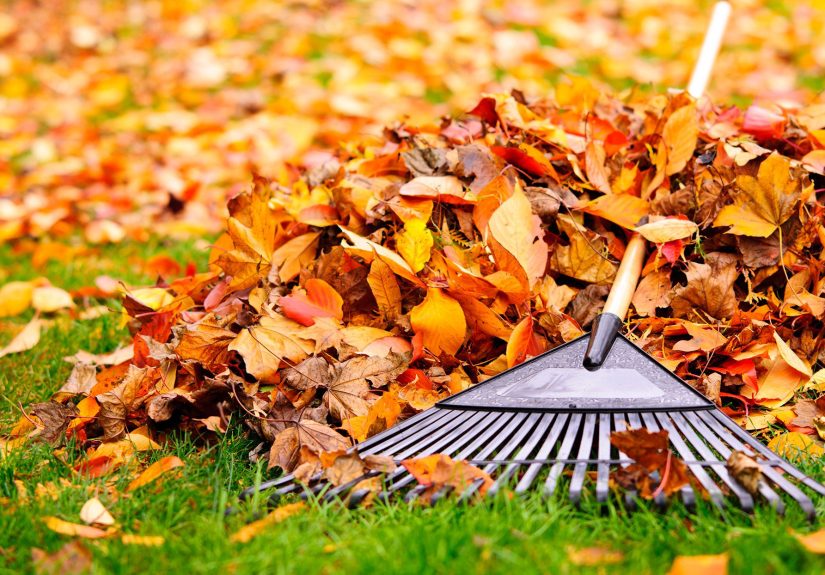
Leaves are either a free resource or an annual inconvenience, depending on your attitude and your rake. Used correctly, they are excellent mulch and compost ingredients. Mulched leaves can be chopped into lawn areas when the layer is not too thick. This returns organic matter to the soil and can help keep the lawn healthier. The trick is to mulch regularly when leaves are dry and not let them build into a smothering blanket.
If the lawn disappears under leaves, remove the excess and relocate them to beds, compost piles, or a leaf-mold area. Shredded leaves make better mulch than whole leaves because they break down faster and are less likely to mat together. Whole wet leaves packed on top of perennials can trap moisture and smother crowns, which is the gardening equivalent of tucking your plants in too hard.
Use leaves thoughtfully: lawn first, compost second, mulch where needed, and avoid creating soggy layers over sensitive plants.
5. Mulch Smartly and at the Right Time
Mulch is a winter helper, but timing matters. Apply winter mulch after plants are dormant or after the soil has cooled significantly, not too early. Mulching too soon can delay dormancy and increase cold damage. The purpose of late-season mulch is not to keep soil warm forever; it is to moderate temperature swings and reduce freeze-thaw stress.
This matters especially for newly planted perennials and shallow-rooted plants that are prone to heaving. Straw, pine needles, shredded leaves, and wood-based mulches all have their place depending on the plant and region. For trees and shrubs, keep mulch a few inches away from trunks to avoid rot and pest issues. No mulch volcanoes. Your trees are not tiny campfires.
For vulnerable perennials, a few inches of mulch added late in the season can make the difference between a spring comeback and a spring apology.
6. Leave Some Perennials Standing for Wildlife and Winter Interest
Here is where fall cleanup gets more nuanced. Not every perennial needs to be cut to the ground. Seed heads, sturdy stems, and leaf litter can provide habitat for overwintering insects and shelter for wildlife. They also add texture to the winter garden, which is nice because January is not exactly famous for floral drama.
That said, there are exceptions. If a perennial was badly diseased, remove the affected material. If tall, floppy stems are likely to collapse into a soggy mess, cut them back. If you have plants that self-seed aggressively and you do not want a surprise botanical takeover next year, remove their seed heads now.
A balanced approach works best: clean up problem plants, leave healthy structure where it makes sense, and save the ultra-tidy look for people who do not enjoy pollinators.
7. Dig Tender Bulbs, Plant Hardy Bulbs
Fall is a split-screen season for bulbs. Tender bulbs and tubers such as dahlias, cannas, gladiolus, and similar frost-sensitive plants often need to be lifted after frost blackens the foliage in cold-winter regions. Let them dry, label them well, and store them in a cool, frost-free spot. Future you will be grateful that present you wrote the names down.
At the same time, fall is the right season to plant hardy spring bulbs such as tulips, daffodils, and crocus. Wait until the soil cools, then plant them at the correct depth, usually around two to three times the bulb’s height. Water them in if the soil is dry, and mulch after the soil has cooled. Bulbs want enough time to root before winter settles in.
8. Water Trees, Shrubs, and Evergreens Before the Ground Freezes
Newly planted trees and shrubs need special attention in fall, but even established woody plants appreciate a final deep watering if autumn has been dry. Evergreens are especially important here because they continue to lose moisture through their foliage during winter. Going into cold weather dry is a recipe for stress, browning, and disappointment.
Add mulch over the root zone, but keep it pulled back from the trunk. For new plantings, a ring of mulch helps buffer soil temperatures and conserve moisture. If you have young trunks that are vulnerable to animal damage or winter sunscald, protect them with appropriate guards or wraps suited to your region.
9. Resist the Urge to Prune Everything in Fall
Autumn can make gardeners feel wildly productive, which is how innocent shrubs end up with regrettable haircuts. Avoid major pruning of woody trees and shrubs in fall unless you are removing dead, damaged, or diseased wood. Heavy pruning can stimulate tender new growth that will not harden off before winter. Many shrubs also bloom on old wood, which means a fall trim can quietly erase next year’s flowers.
In general, wait until the plant is fully dormant or follow the bloom timing of the species. Roses, butterfly bushes, and other woody ornamentals are often better left mostly alone until late winter or spring. Put the pruners down and walk away with dignity.
10. Winterize the Lawn Without Overcomplicating It
A healthy lawn goes into winter short enough to avoid matting, but not scalped. Keep mowing as needed until growth slows. Stay on top of fallen leaves so grass can still access light. If you have a cool-season lawn, fall is the best time for fertilizing, repairing thin spots, and core aerating compacted areas. Overseeding also performs well in the cooler conditions of early fall.
If your lawn is heavily used, compacted, or patchy, core aeration and overseeding can make a big difference. A soil test will tell you whether lime or nutrients are actually needed. And if you grow warm-season turf, remember that timing differs, so local extension guidance should be your best friend.
11. Drain Hoses, Shut Down Irrigation, and Clean Your Tools
This is the part of the checklist that feels boring until a frozen hose bib or cracked irrigation line makes it very exciting. Disconnect and drain hoses before hard freezes. Turn off irrigation water, drain or blow out the system as appropriate, and set controllers correctly for the season. Frozen water in pipes and hoses is not charming. It is expensive.
Then clean your tools. Brush off soil, wipe away sap, sharpen blades, and apply a light coat of oil where needed. Store tools dry. The five extra minutes you spend now will save a lot of muttering next spring.
Common Fall Garden Mistakes to Avoid
- Cleaning ornamental beds so aggressively that you remove valuable insect habitat.
- Leaving diseased vegetable debris in place and hoping winter will solve everything.
- Piling mulch against trunks and crowns.
- Using thick whole leaves over sensitive perennials where they can mat down.
- Pruning woody shrubs too early in fall.
- Forgetting that evergreens still need moisture going into winter.
- Waiting until the first hard freeze to remember the hose is still attached.
A Simple Weekend Plan to Get It Done
If the whole checklist feels like a lot, break it into zones. On day one, focus on the vegetable garden, annual containers, and lawn leaves. On day two, handle perennials, mulch, bulbs, woody plants, irrigation, and tools. That is usually enough to make the yard look handled instead of haunted.
Start with the tasks that matter most for plant health: diseased debris removal, watering before freeze, leaf management on turf, and irrigation shutdown. Decorative extras can happen after the essentials are covered.
Real-World Experiences and Hard-Earned Lessons From Fall Garden Cleanup
Anyone who gardens for more than a season eventually collects a few fall cleanup stories that begin with confidence and end with an internet search, a muddy shoe, or a deeply suspicious pile of leaves. One common experience is underestimating how quickly small chores become large ones. Pulling a few dead tomato vines sounds like a 10-minute job until you realize the vines are braided through three cages, one trellis, and what appears to be a zip tie from another era. Fall has a way of revealing all the shortcuts summer got away with.
Another familiar lesson is that leaves are both gift and menace. Gardeners love the idea of free mulch right up until the first windy day rearranges everything into the neighbor’s shrubs. Many people learn the hard way that shredded leaves behave beautifully while whole leaves behave like wet roofing material. On lawns, too many leaves can flatten turf fast. In beds, too many soggy leaves over crowns can create trouble. But when leaves are chopped, moved thoughtfully, and layered with a little restraint, they become one of the most useful materials in the yard.
There is also the classic “I cleaned up too much” experience. Plenty of gardeners go into fall thinking every bed should look neat enough for a magazine photo. Then spring arrives and the garden feels oddly lifeless, with fewer insects, fewer birds, and beds that seem more exposed than protected. Over time, experienced gardeners often shift from spotless cleanup to strategic cleanup. They remove disease, cut back obvious problem stems, and leave healthy seed heads, stems, and some leaf litter where they can provide habitat and winter structure. It is a more ecological approach, and frankly, it is less exhausting.
Watering is another sneaky lesson. Many people stop thinking about irrigation as soon as the weather cools, but trees, shrubs, and evergreens do not stop needing moisture just because summer is over. A dry fall followed by a tough winter can show up later as browned needles, scorched leaves, or sluggish spring growth. Gardeners who have seen that happen rarely skip the final deep watering again.
Then there is the tool-and-hose category of regret. Almost every longtime gardener has forgotten a hose at least once. It is practically a rite of passage. The same goes for putting away pruners caked in sap and dirt, then rediscovering them in spring with rust and attitude. Those small end-of-season maintenance habits seem optional until they are not.
Perhaps the most useful experience of all is learning that fall prep is not about perfection. It is about setting up fewer problems for later. The best fall gardens are not always the tidiest ones. They are the ones where the gardener made smart decisions: cleaned what needed cleaning, protected what needed protecting, left some life in the landscape, and headed into winter with less guesswork. That is what turns spring from a rescue mission into a restart.
Final Thoughts
If you want a healthier yard, an easier spring, and fewer “why did I not deal with this in October?” moments, this fall garden checklist is worth following. Clean up the vegetable beds. Use leaves wisely. Mulch with timing and restraint. Water woody plants before freeze. Protect tender plants. Skip unnecessary fall pruning. Winterize the lawn, irrigation, and tools. And remember that a good fall garden is not one that looks sterile. It is one that is prepared.
In other words, do not aim for a yard that looks like it has been erased. Aim for one that is ready. Winter will show up either way, but it is much nicer when your garden is not caught wearing sandals.