Table of Contents >> Show >> Hide
If there were a single magic food that could prevent cancer, grocery store
aisles would look like theme parks and we’d all be fighting over the last
bunch of broccoli. Reality is less dramatic: no single food can guarantee
you’ll never get cancer. But a huge body of research from organizations like
the American Cancer Society (ACS), the American Institute for Cancer Research
(AICR), and the World Cancer Research Fund (WCRF) shows that what you eat
every day can meaningfully lower your cancer risk over time.
The good news? You don’t have to eat perfectly, give up everything you love,
or move into a kale-only commune. Small, consistent shifts toward
plant-forward, fiber-rich foods really do add up. Think of
your plate as a dimmer switch on your cancer risknot an on/off button.
The Big Picture: How Food Affects Cancer Risk
Before we zoom in on specific cancer-fighting foods, it’s
helpful to understand what experts agree on. Large reviews of thousands of
studies conclude that a diet that
emphasizes whole plant foodswhole grains, vegetables,
fruits, and beanswhile limiting red and processed meats, sugary drinks, and
alcohol can significantly reduce the risk of several common cancers.
Food influences cancer risk through a few key pathways:
-
Body weight: Extra body fat is linked to higher risk of
at least 13 cancers. Plant-based, high-fiber diets help with weight
maintenance. -
Hormones and insulin: Diet affects insulin, estrogen, and
other hormones that can influence cancer cell growth. -
Inflammation and oxidative stress: Colorful plant foods
provide antioxidants and anti-inflammatory compounds that may help protect
cells from damage. -
Gut health: Fiber feeds beneficial gut bacteria, which
produce compounds that help protect the colon and regulate inflammation.
Put simply, the more your everyday eating pattern leans toward
whole, minimally processed plant foods, the more you tilt
the odds in your favor.
Plant Power: Foods That May Help Lower Cancer Risk
1. Non-Starchy Vegetables (Especially Cruciferous Veggies)
When researchers talk about “foods that fight cancer,”
vegetables are always at the top of the list. In particular,
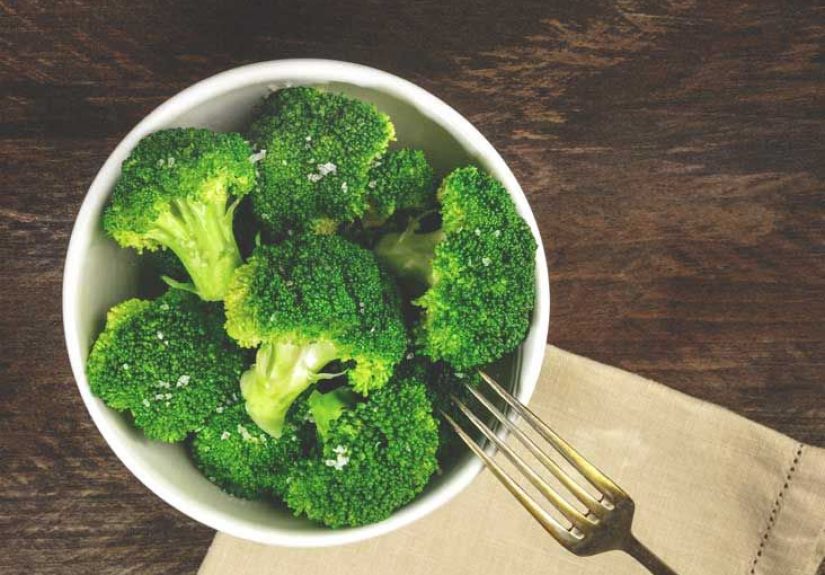
cruciferous vegetablesbroccoli, Brussels sprouts, cabbage,
kale, bok choy, collard greens, and cauliflowerhave been consistently
studied for their potential anti-cancer effects.
These veggies contain compounds called
glucosinolates, which break down into substances such as
isothiocyanates and indoles. Lab and population studies suggest they may
help:
- Neutralize carcinogens
- Support detoxification enzymes
- Reduce inflammation
- Encourage abnormal cells to self-destruct
Observational studies have linked higher intakes of cruciferous vegetables
to lower risk of cancers such as colorectal, lung, and some others, although
results aren’t perfectly consistent across every study.
You don’t have to eat a mountain of cabbage to get potential benefits.
Research suggests that even about half a cup of cruciferous
vegetables per day may have protective effects for bowel and colon
cancers. Think: a serving of roasted broccoli with dinner, shredded cabbage
on tacos, or a handful of arugula on your sandwich.
2. Colorful Fruits and Berries
If vegetables are the workhorses of cancer prevention, fruits are the
cheerful co-workers who make the job a lot more fun.
Berries, citrus fruits, apples, grapes, cherries, and pomegranates
are packed with vitamin C, fiber, and a huge variety of phytochemicals like
flavonoids and polyphenols.
These compounds act as antioxidants and may:
- Help protect DNA from oxidative damage
- Slow the growth of cancer cells in lab studies
- Reduce inflammation
Higher intakes of fruit and non-starchy vegetables overall have been linked
to lower risk of cancers of the digestive tract and some head and neck
cancers.
Easy ways to get more fruit:
- Add berries to breakfast oats or yogurt
- Keep a bowl of seasonal fruit visible on the counter
- Swap sugary desserts for fruit most nights (no one said you can never
have cake again)
3. Whole Grains and High-Fiber Foods
Whole grainslike oats, brown rice, quinoa, whole-wheat bread, barley,
bulgur, and farroare rich in fiber, vitamins, minerals, and
phytochemicals. Strong evidence suggests that dietary fiber, and
especially whole grains, can help protect against colorectal (bowel)
cancer.
Fiber helps lower cancer risk by:
- Speeding up transit time in the gut, so potential carcinogens spend less
time in contact with the intestinal lining - Feeding beneficial gut bacteria, which produce protective compounds like
short-chain fatty acids - Helping regulate body weight and blood sugar
Many guidelines suggest aiming for at least
25–30 grams of fiber per day. A simple strategy is to swap
refined grains for whole grains whenever you can:
- Choose whole-wheat bread instead of white
- Use brown rice or quinoa instead of white rice most of the time
- Start your day with high-fiber oats instead of a low-fiber pastry
4. Beans, Lentils, and Other Legumes
Beans, lentils, peas, and chickpeas don’t get nearly enough hype. These
plant-based protein powerhouses deliver fiber, protein,
iron, and a long list of phytochemicals that support gut and overall
health.
High intakes of legumes are associated with:
- Lower risk of colorectal cancer
- Better weight management
- Improved blood sugar control
They’re also budget-friendly. Canned beans (rinsed) are a fast, easy way to
upgrade almost any meal: toss into salads, mix into pasta sauce, add to
soups, or blend into dips like hummus.
5. Nuts and Seeds
Nuts and seeds are like nature’s trail mix: compact, crunchy, and loaded
with good stuff. Almonds, walnuts, pistachios, flaxseeds, chia seeds, and
pumpkin seeds offer:
- Healthy unsaturated fats
- Fiber
- Vitamin E and other antioxidants
- Plant omega-3 fats (especially in walnuts, flax, and chia)
Studies suggest that people who regularly eat nuts have lower risks of
several chronic diseases, and nut consumption is linked to healthier body
weight and better heart healthboth important for reducing cancer risk
overall.
Nuts and seeds are calorie-dense, so a small handful (about 1 ounce) per day
is plenty for most people.
6. Herbs, Spices, and Green Tea
While the strongest evidence for cancer prevention comes from overall eating
patterns, there’s intriguing research on certain herbs, spices, and teas.
-
Garlic and onions: Contain sulfur compounds and other
phytochemicals that may help protect against cancers of the digestive
tract. -
Turmeric (curcumin): Shows anti-inflammatory and
anti-cancer properties in lab studies, though human data is more limited. -
Green tea: Rich in catechins such as EGCG, which may help
protect cells from damage in experimental research.
These aren’t stand-alone cures, but using herbs and spices generously can
help you flavor food in healthier ways (less reliance on salt, sugar, and
heavy sauces) while adding potentially beneficial compounds.
Foods and Drinks to Limit
Lowering your cancer risk isn’t just about what you addit’s also about
what you dial back. Major cancer organizations recommend limiting:
1. Red and Processed Meats
Processed meats (like bacon, sausage, hot dogs, deli meats) and high intakes
of red meat (beef, pork, lamb) are convincingly linked to higher colorectal
cancer risk. You don’t have to become vegan overnight, but it’s wise to:
- Make processed meats “once in a while” foods, not daily staples
- Keep red meat portions small and infrequent
- Swap in beans, lentils, tofu, fish, or poultry more often
2. Alcohol
This one surprises a lot of people: any amount of alcohol increases
the risk of several cancers, including breast, colorectal, and
cancers of the mouth and throat. For cancer prevention, many guidelines now
say it’s best not to drink at all. If you do choose to drink, keep it as
infrequent and moderate as possible.
3. Sugary Drinks and Ultra-Processed Foods
Sugary beverages (soda, energy drinks, many sweetened coffees and teas) add
a lot of calories with no fiber, making weight gain more likely. Many
ultra-processed foods are also high in salt, added sugars, and unhealthy
fats. While not all processing is bad (frozen veggies are great!), cutting
back on heavily processed, low-nutrient foods helps support a healthy weight
and a healthier overall eating pattern.
How to Build a Cancer-Smart Plate
Now for the practical part: how do you translate all this science into a
normal Tuesday dinner that doesn’t taste like punishment?
A helpful visual is the AICR’s “New American Plate” pattern:
- About 2/3 (or more) of your plate: vegetables, fruits,
whole grains, beans - About 1/3 (or less): animal protein (fish, poultry,
eggs, small portions of lean meat or cheese)
You don’t have to measure with a ruler; just eyeball your plate. If most of
what you see once belonged to a plant, you’re on the right track.
Sample One-Day Menu for Lower Cancer Risk
Breakfast
- Oatmeal made with rolled oats, topped with blueberries, ground flaxseed,
and a spoonful of peanut butter - Green tea or coffee (easy on the sugar and cream)
Lunch
- Big salad with mixed greens, cherry tomatoes, shredded carrots, red
cabbage, chickpeas, and a sprinkle of sunflower seeds - Whole-grain bread on the side
- Piece of fruit for dessert
Snack
- A small handful of almonds and an apple
Dinner
- Stir-fry with broccoli, bell peppers, snap peas, and tofu or chicken,
cooked in garlic and ginger - Served over brown rice or quinoa
- Optional: sparkling water with a splash of citrus
That’s not a “diet.” That’s just eating in a way that nudges your future
health in a better direction, meal by meal.
Common Questions About Foods and Cancer Risk
“Is there a single superfood that prevents cancer?”
Sadly, no. If there were, you wouldn’t be reading this; you’d be lining up
around the block for the Superfood of Destiny. The strongest protection
comes from your overall pattern of eating, not one
ingredient.
“Do I have to buy everything organic?”
Organic foods may reduce pesticide exposure, but the most important step is
simply eating more fruits, vegetables, whole grains, and
beansorganic or not. If organic fits your budget and values, great. If not,
you still gain major benefits from conventional produce. Wash it, enjoy it,
and don’t stress.
“Can supplements replace healthy foods?”
For cancer prevention, large trials of high-dose vitamin or antioxidant
supplements have generally been disappointingand in some cases, harmful.
Most major organizations recommend getting nutrients from
whole foods, not pills, unless your doctor has prescribed a
supplement for a specific reason.
Real-Life Experiences: What It’s Like to Eat for Lower Cancer Risk
Reading about foods to lower your cancer risk is one thing;
changing how you actually eat between work, family, stress, and late-night
cravings is another story. So what does this look like in real life?
Starting Small (and Staying Sane)
Many people who successfully shift toward a more
cancer-protective diet start with one or two tiny changes,
not a total kitchen overhaul. For example:
- Adding one vegetable to every lunch and dinner
- Swapping white rice for brown rice two or three nights a week
- Doing “Meatless Monday” with bean chili or lentil tacos
At first, it can feel like extra workmore chopping, more label reading,
more thinking. But after a few weeks, these choices start to feel normal.
Your taste buds adapt too. People often notice that overly sugary or greasy
foods taste less appealing once they’re used to fresher,
fiber-rich meals.
Navigating Social Events and Cravings
Here’s a real-world truth: birthdays, holidays, and restaurant outings do
not pause just because you’ve decided to eat more plants. Instead of aiming
for perfection, people tend to have more success when they:
- Choose the best options available (like grilled fish and veggies instead
of a double burger and fries) - Share rich desserts or have a few bites instead of skipping them and
feeling resentful - Bring a colorful salad or veggie dish to potlucks so there’s always at
least one nourishing option
Cravings still pop up. That’s normal. Some people find that when their
everyday meals are more satisfyingthanks to fiber, protein, and healthy
fatsthey snack less on ultra-processed foods. Others keep a “good enough”
snack list: air-popped popcorn, nuts, fruit with yogurt, or dark chocolate
instead of candy bars.
Shopping and Meal Prep Hacks
A cancer-smart kitchen doesn’t have to be fancy or expensive. Common
strategies people use include:
- Stocking the pantry with canned beans, whole grains, oats, and canned
tomatoes - Buying frozen vegetables and fruit for quick stir-fries and smoothies
- Prepping a big batch of grains and roasted vegetables once or twice a
week to mix and match with different proteins - Keeping a rotating list of easy “back-pocket” dinners (like veggie
omelets, bean-and-veggie quesadillas, or sheet-pan vegetables with chicken
or tofu)
Over time, these habits make the healthy choice the
easier choicewhich is exactly what you want when life gets busy.
Motivation: Beyond the Numbers
It’s motivating to know that experts estimate up to
40% of cancers may be preventable through lifestyle
factors like diet, physical activity, and weight. But for many people, the
real drive to change comes from everyday benefits:
- More steady energy (fewer 3 p.m. crashes)
- Better digestion and more regularity (fiber really is your friend)
- Improved lab numbers like cholesterol or blood sugar
- A sense of control over at least one part of your health
Eating in a way that supports lower cancer risk isn’t about fear or guilt.
It’s about giving your body better tools to repair, protect, and thrive.
Bottom Line
You can’t control every factor related to cancerand you absolutely didn’t
“cause” cancer by eating a cookie. But what you eat most days does
matter. A pattern centered on whole grains, vegetables, fruits, beans, nuts,
and seeds; limited red and processed meat; minimal alcohol; and fewer
sugary, ultra-processed foods is one of the most powerful ways to lower your
cancer risk over time.
Start where you are. Add a vegetable here, swap a grain there, try one new
bean recipe next week. Small changes, consistently repeated, can help you
build an eating pattern that supports you now and into the future.
And as always, if you have a personal or family history of cancer, are in
treatment, or have other medical conditions, talk with your healthcare team
or a registered dietitian about the best eating plan for your specific
situation.