Table of Contents >> Show >> Hide
- From Headlines to Hospital Beds: A Quick Look Back at the Vaping Illness Outbreak
- EVALI 101: What Exactly Is Vaping Illness?
- The Epidemic That Didn’t Really End
- The Policy Roller Coaster: Bans, Loopholes, and Legal Battles
- Why “Forgotten but Not Gone” Is the Right Phrase
- Warning Signs: When Vaping Is More Than Just a Bad Habit
- Real-World Experiences: When Vaping Illness Gets Personal
- Final Thoughts: Moving Beyond the “It’s Not That Bad” Myth
Remember the scary headlines about mysterious “vaping lung disease” a few years ago? For a while, it felt like every news alert was about teens in the ICU after using e-cigarettes. Then COVID hit, the news cycle moved on, and a lot of people assumed the problem simply… disappeared.
Bad news: it didn’t. The vaping illness epidemic may have slipped out of the spotlight, but it never truly left. It just changed costume, moved into the background, and continued to quietly harm lungs, hearts, and brainsespecially in young people.
In this article, we’ll unpack what happened during the original outbreak of vaping-related lung injury, what we know now about long-term health effects, how vaping trends are shifting, and why this issue is “forgotten but not gone.” We’ll also talk about what symptoms to watch for, how policies are evolving, and share real-world experiences that make the data feel a lot more personal.
From Headlines to Hospital Beds: A Quick Look Back at the Vaping Illness Outbreak
In 2019, doctors across the United States started seeing something terrifying: otherwise healthy teens and young adults showing up in emergency rooms with shortness of breath, chest pain, coughing, fever, and low oxygen levels. Many needed ventilators. Some needed advanced life support like ECMO. Some never went home.
Eventually, health officials gave this condition a name: EVALI, short for e-cigarette or vaping product use–associated lung injury. By February 2020, U.S. health authorities had recorded more than 2,800 hospitalizations and 68 deaths linked to EVALI, spanning all 50 states, Washington D.C., and multiple territories.
Investigations pointed strongly to THC-containing vape products, especially those bought from informal or black-market sources. A key villain was vitamin E acetate, used as a thickening agent in some illicit cartridges. When inhaled, this oily substance appeared to trigger severe, sometimes catastrophic, lung damage.
Public warnings ramped up. Many states cracked down on certain products. Some people quit vaping entirely. By late 2019 and early 2020, the number of new EVALI cases dropped sharply. Then the pandemic began, and media attention shifted almost overnight.
EVALI 101: What Exactly Is Vaping Illness?
So what is EVALI, aside from an acronym that sounds like a video game villain?
EVALI is not one single disease, but a pattern of severe lung injury that occurs within about 90 days of using e-cigarettes or vaping devices. People with EVALI often report:
- Respiratory symptoms: shortness of breath, cough, chest pain, rapid breathing.
- Systemic symptoms: fever, fatigue, weight loss.
- Gastrointestinal symptoms: nausea, vomiting, diarrhea, abdominal pain.
Imaging tests, like chest X-rays or CT scans, usually reveal widespread damage in the lungsthings like diffuse haziness or inflammation. Many patients need supplemental oxygen, and a large portion require hospitalization.
There’s no single “magic test” for EVALI. Doctors typically rule out infections (like COVID-19, pneumonia, or flu), heart problems, and other causes, then look at the vaping history and imaging findings to make the diagnosis. Treatment often includes steroids to calm inflammation, careful monitoring, and very strong encouragement to stop vaping completely.
The Epidemic That Didn’t Really End
When case numbers dropped and outbreaks of vitamin E–tainted THC products declined, it was easy to believe the crisis was over. But “over” is a strong word for something that still sends people to the hospital, leaves lasting lung damage in many survivors, and is fueled by an ongoing vaping culture.
Several things are happening at the same time:
1. Youth Vaping Remains Alarmingly High
Good news first: youth vaping rates in the U.S. have come down from their peak. That’s worth celebrating. But “better” doesn’t mean “good.” Recent national surveys still show more than 1.6 million U.S. middle and high school students currently using e-cigarettes, and the vast majority prefer flavored products.
Many of these teens don’t think of what they’re doing as “smoking” or even particularly risky. After all, it smells like mango or cotton candy, not tobacco. The devices are sleek, rechargeable, and marketed as techy lifestyle accessories. The problem? Those fruity clouds often carry nicotine levels high enough to rewire a young brain’s reward system, setting up years of addiction.
2. Young Adults Are Picking Up Where Teens Leave Off
Even as some teenagers cut back, vaping has become common among young adults. National health data show that in recent years, about 1 in 10 adults ages 18–20 and roughly 1 in 6 adults ages 21–24 report using e-cigarettes. In other words: a significant chunk of college-aged and early-career adults are still inhaling nicotine and other substances on a regular basis.
Many of them started in high school “just to try it” and never really stopped. Others picked up vaping as a trendy habit during college or as a perceived safer alternative to smoking. Some are former smokers using e-cigarettes to quit combustible cigaretteswhich may reduce certain risks but doesn’t magically make vaping harmless.
3. The Long-Term Damage Is Becoming Clearer
When EVALI first appeared, a big question was: what happens to survivors? Do their lungs bounce back, or is this like getting a respiratory “bad haircut” that never really grows out?
Follow-up studies now show that many survivors experience lasting problems, including:
- Chronic shortness of breath, especially with exertion.
- Reduced exercise tolerance (stairs feel like a workout, even for young people).
- Abnormal lung function tests, including reduced ability to transfer oxygen.
- Cognitive and mental health issues such as brain fog, anxiety, and depression.
Individual case reports are sobering: teens who needed ECMO and came away with permanent lung scarring; young people who now describe breathing as “like inhaling through a straw” after years of vaping; and adults discovering that their lungs look decades older than they should.
And those are just the people who landed in hospital beds. Many others may have milder but still meaningful lung damage that never got labeled as EVALI because they were managed in outpatient settings or never sought care.
The Policy Roller Coaster: Bans, Loopholes, and Legal Battles
If you’ve tried to follow vaping regulations in the U.S., you know it’s… a lot. Think patchwork quilt meets legal thriller.
Here are a few key trends:
Flavored Product Restrictions
States and cities across the country have adopted laws limiting or banning flavored e-cigarettes and other flavored tobacco products. The goal is straightforward: if flavors are a huge reason young people start vaping, take away the dessert menu.
Research suggests these policies do reduce youth vaping rates. However, they can also shift behavior. In some places, there’s evidence that when flavored vapes become harder to get, some users move to menthol products, nicotine pouches, or even back to cigarettes if menthol cigarettes remain on shelves.
Federal Regulation and Court Decisions
At the federal level, the FDA has taken a stricter stance on flavored vaping products, especially those that clearly appeal to youth with candy-like names and colorful packaging. Recently, high-profile court decisions have backed the FDA’s authority to deny approval for certain flavored e-liquids, reinforcing its role as gatekeeper for tobacco and nicotine products.
At the same time, political back-and-forth over broader menthol and flavor rules continues. Some proposals have been delayed or weakened under industry and political pressure, while public health advocates push for stronger nationwide restrictions.
A Moving Target for Public Health
All of this adds up to a constantly shifting environment. A flavor that’s banned in one state might still be available next door. Online sales, new devices, synthetic nicotine, disposable vapes, and clever rebranding all make enforcement more complex.
Bottom line: policies can help, but they’re not a magic cure. Vaping illness remains a risk wherever high-nicotine, poorly regulated, or illicit products are availableand that’s still most of the country.
Why “Forgotten but Not Gone” Is the Right Phrase
So why does vaping illness feel like yesterday’s news if the problem persists?
- Media attention moved on. Once COVID-19 hit, EVALI coverage dropped dramatically. It’s hard to compete with a global pandemic for headlines.
- The outbreak spike ended, but the baseline stayed. The surge of vitamin E–contaminated THC cartridges declined, but everyday vapingand related harmcontinued.
- Chronic illness is quieter than crisis. “Hundreds hospitalized” makes a front-page story. “Thousands living with reduced lung function” rarely does.
- Vaping rebranded itself again. New device styles, more discreet designs, and marketing emphasizing “smoke-free” or “less harmful than cigarettes” helped reposition vaping as normal and relatively benign.
All of this creates a dangerous illusion that vaping illness is “old news.” In reality, we’re living in the long tail of that epidemic: people still getting sick, survivors managing long-term effects, and a new wave of young users who may never have heard of EVALI at all.
Warning Signs: When Vaping Is More Than Just a Bad Habit
If you or someone you care about vapes, knowing the warning signs of serious vaping-related illness is crucial. While most people won’t develop EVALI, the risk isn’t zeroand it’s higher with heavy use, THC products from informal sources, or mysterious unregulated cartridges.
Symptoms That Need Fast Medical Attention
Contact a healthcare professional right awayor seek emergency careif a person who vapes develops:
- Sudden or worsening shortness of breath
- Chest pain, especially with deep breaths
- Persistent cough
- Fever, chills, or unexplained fatigue
- Nausea, vomiting, or abdominal pain along with breathing problems
- Bluish lips or fingertips, confusion, or severe difficulty breathing
These symptoms don’t automatically mean EVALIother conditions like pneumonia, asthma exacerbations, or COVID-19 can look similarbut they always deserve prompt evaluation.
Harm Reduction and Quitting Support
The safest option for your lungs is simple: don’t vape. If you’re already vaping, especially heavily or using THC products from informal sources, cutting down and working toward quitting is the best way to reduce your risk.
If you vape to quit smoking, talk to a healthcare provider about FDA-approved quit aids like nicotine replacement therapy, prescription medications, counseling, or text-based support programs. The goal is not to swap one long-term nicotine delivery system for another, but to gradually move toward no combustible tobacco and no chronic vaping.
Real-World Experiences: When Vaping Illness Gets Personal
Statistics can feel abstract until you see them play out in real people’s lives. While everyone’s story is different, certain patterns show up again and again. The following scenarios are composites inspired by real cases and reports, shared to illustrate what “forgotten but not gone” looks like in everyday life.
The Athlete Who Couldn’t Catch His Breath
Alex was a 17-year-old varsity soccer player who started vaping in his sophomore year. At first, it was a once-in-a-while thinghitting a flavored disposable at parties or after practice. By senior year, it had become a daily habit. The device was always in his hoodie pocket, and taking a puff between classes felt as normal as checking his phone.
One fall, Alex noticed he was getting winded more easily. He blamed it on being “out of shape” after summer break. But within weeks, things escalated: stairs left him breathless, his chest felt tight, and he developed a constant cough. When he finally told his parents, they rushed him to urgent care. The clinic sent him straight to the hospital.
Imaging showed diffuse lung damage. After a battery of tests to rule out infections and other conditions, his doctors landed on the diagnosis: EVALI. He needed oxygen, steroids, and several days in the hospital before he stabilized. He went home with instructions: no more vaping, follow-up lung tests, and a slow return to physical activity.
Months later, Alex could breathe much betterbut not like before. Sprinting still left him gasping, and his lung function tests never fully returned to normal levels. For him, vaping wasn’t just a phase. It was a permanent line drawn on his health history.
The Office Worker Who Thought Vaping Was the “Smart Choice”
Jordan, 28, worked in a high-stress corporate environment. She had smoked cigarettes in college but switched to vaping because it seemed cleaner and less embarrassing than smelling like smoke at her desk. Her favorite flavors were sweet and subtle, and the compact device fit neatly in her work bag.
Initially, she congratulated herself for “quitting smoking.” But nicotine has a way of negotiating the terms of that deal. Over time, she found herself reaching for the vape more oftenduring late-night deadlines, while streaming shows, even when she woke up at night. She wasn’t coughing, so it felt harmless.
Then the headaches started. Her sleep quality tanked. She felt jittery and anxious if she went too long without a puff. When she tried to cut back, she realized just how dependent she had become. Her “healthier choice” had quietly turned into a different kind of trap.
With help from her doctor, she switched to a structured quit plan: a combination of nicotine patches, behavioral counseling, and strict no-vaping zones in her home. It took several tries, a lot of slip-ups, and some brutally honest self-reflection, but she eventually succeeded. Her main regret? Not recognizing earlier that vaping wasn’t a harmless upgradeit was just addiction with better marketing.
The Parents Who Didn’t Realize It Was Vaping
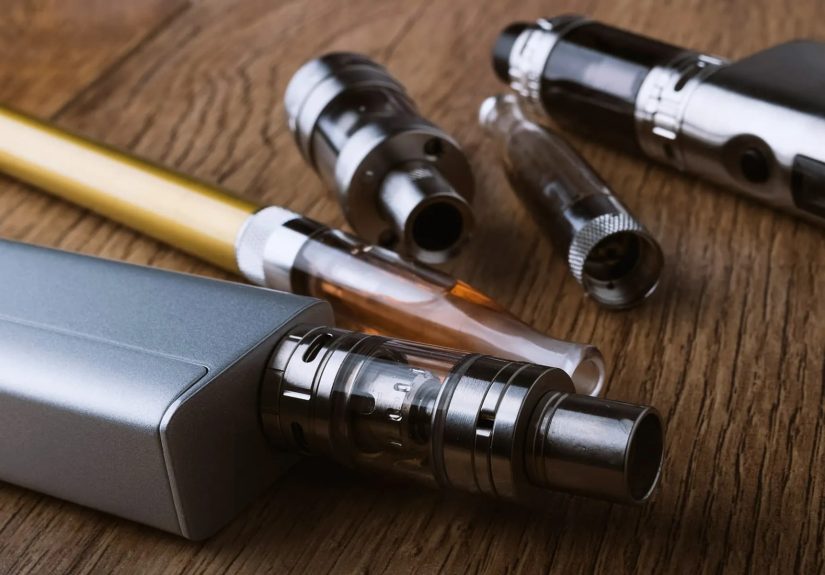
For many parents, vaping illness is doubly scary because they often don’t know their child vapes in the first place. Devices can look like USB sticks, pens, or cosmetic containers. The fruity smell is easy to confuse with candy, gum, or body spray. By the time a teen shows serious symptoms, vaping may have been part of their daily life for months or years.
One common story: a teen starts complaining of chest pain and shortness of breath. The parents assume it’s anxiety, growing pains, or maybe asthma. Only when a doctor asks directly about vapingand the teen finally admits itdo the pieces fall into place.
That’s why honest, nonjudgmental conversations matter. Asking “Do any of your friends vape?” or “What do you see people doing at school or online?” can open the door more gently than “You’re not vaping, are you?” If kids feel safe telling the truth, it’s easier to intervene before an illness becomes an emergency.
Living With the Long Tail
Long after the 2019 headline spike, people are still living with the consequences of vaping illness: inhalers on the bathroom counter, oxygen saturation checks before workouts, follow-up scans and lung function tests, and the mental weight of knowing that a “harmless” habit permanently changed their health.
For some, that reality becomes a powerful motivator to speak outon social media, in schools, with younger siblings or friends. Their message is simple: if you haven’t started vaping, don’t. If you have, don’t wait for a crisis to rethink it.
Final Thoughts: Moving Beyond the “It’s Not That Bad” Myth
Vaping is often marketedand casually treatedas the chill, modern cousin of smoking. No ashes, no yellow fingers, and way fewer raised eyebrows if you pull out a sleek device instead of a cigarette. But underneath the sleek design and candy flavors is a hard truth: vaping comes with real, sometimes severe health risks, especially for young people.
The outbreak of EVALI may have faded from the front page, but it left a legacy: thousands of patients, dozens of deaths, and a clearer understanding that inhaling complex chemical mixtures deep into your lungs is not a low-stakes game.
Forgotten? Maybe in the news cycle. Gone? Not even close.
If you vape, this isn’t about shameit’s about information and options. Talk to a healthcare professional, explore quit supports, and be honest with yourself about how much control that device has over your day. If you’re a parent, educator, or clinician, keep asking the questions, sharing the facts, and pushing for policies that put health ahead of flavors and profits.
The epidemic of vaping illness continues. The difference now is that we know more. What we do with that knowledge is up to us.