Table of Contents >> Show >> Hide
- Which “Fox Run Black Marble Rolling Pin” Are We Talking About?
- Why Marble Is a Big Deal (Especially for Pastry)
- Key Design Features That Actually Matter
- How It Performs: Real Tasks, Real Outcomes
- Pro Tips: Make the Marble Work for You
- Cleaning and Care: Keep It Pretty (and Unchipped)
- Is It Worth It? A Quick, Honest Buyer’s Guide
- FAQs About the Fox Run Black Marble Rolling Pin
- of Lived-In Kitchen Experience With This Kind of Rolling Pin
- Conclusion
Some kitchen tools whisper. Others announce themselves. The Fox Run black marble rolling pin falls into the second category
not because it’s loud (it’s actually pretty elegant), but because it has the unmistakable “I mean business” heft of a tool that’s ready
to flatten dough, bad moods, and possibly a minor cabinet door that sticks.
If you bake even semi-regularlypies around the holidays, sugar cookies for birthdays, pizza nights that turn into “Why did I think
stretching dough would be relaxing?”a marble rolling pin can feel like a small upgrade with outsized impact. But it’s not a magic wand.
It’s marble. It’s heavy. It’s cool to the touch. And it has opinions about how warm your kitchen should be.
Which “Fox Run Black Marble Rolling Pin” Are We Talking About?
Fox Run has produced a few marble rolling-pin styles over the years, and the phrase “Fox Run black marble rolling pin” can point to two
common designs:
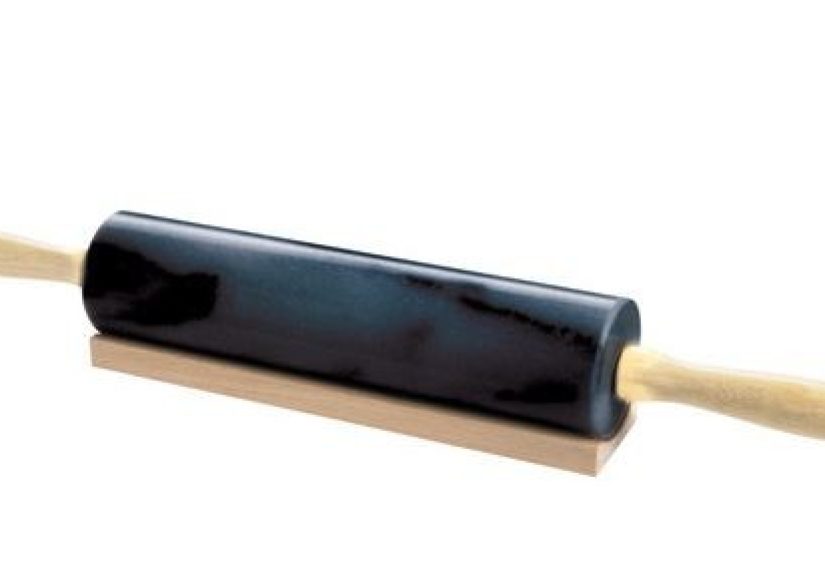
1) The classic handled black marble rolling pin with a wooden cradle
This is the one most people mean: a black marble barrel (often listed as a 10-inch roller) with wooden handles and a matching wooden
resting base/cradle. It’s typically around 18 inches end-to-end and has a satisfyingly chunky diameter. In plain English: it feels like a
“real” rolling pin the moment you pick it up.
2) The tapered French-style black marble rolling pin (often sold with a base)
This is the handleless (or “mostly handleless”) optiontapered like a French pin, designed for control and finesse, and still benefiting
from marble’s cool surface. If you like steering dough like a tiny edible racecar, this style can be appealing.
In this guide, we’ll focus on the best-known black marble model with wooden handles and cradle, while calling out the French-style
variation where it matters.
Why Marble Is a Big Deal (Especially for Pastry)
Marble’s superpower is temperature. It tends to stay cooler than your hands and your countertop, which matters because butter-based doughs
are basically tiny butter time-bombs. Warm them up too much and they go sticky, greasy, and emotionally unavailable.
That cool surface is why marble pins are often associated with pie crust, shortbread, and laminated doughs like puff pastry and croissants.
The goal is to keep fat from melting early so it can create steam and layers later (a.k.a. the whole reason pastry tastes like joy).
Marble also brings a smooth surface that many bakers find less “grabby” than wood. Translation: dough is less likely to cling if you’re
working quickly and lightly flouring as needed.
Key Design Features That Actually Matter
Heavy marble barrel
The weight is not just for drama. A heavier pin can do more of the pressing for you, which is helpful when you’re rolling stiff dough that
fights backthink chilled pie dough or a thick cookie dough you swore you softened “enough.”
That said, heft cuts both ways: on very soft dough, too much weight can leave dents or make it harder to roll gently. Some testers and
reviewers note that heavy marble pins can be less forgiving on delicate cookie dough if you’re not careful with pressure and technique.
Wooden handles
Handles give you leverage and keep your hands off the cold stonegreat if you’re rolling a lot at once. They’re also familiar for bakers
who grew up with the classic American rolling pin shape.
Wooden cradle/base
The cradle does two underrated things: it stops the pin from rolling off your counter, and it gives the marble a safer “home” so it’s less
likely to chip from accidental knocks. It’s also a nice storage cue: “Put the rock back in its little bed.”
Smooth rolling action
Many listings for this style mention bearings designed to help the barrel roll smoothly. If you’ve ever used a pin that drags or sticks,
you know how quickly that turns into an upper-body workout you didn’t schedule.
Natural stone variation
Marble is stone, not plastic pretending to be stone. Expect variation in veining and pattern. Your rolling pin won’t look exactly like the
photoand that’s part of the charm. (Also, it means if your pin goes missing, you can identify it like a tiny geological fingerprint.)
How It Performs: Real Tasks, Real Outcomes
Pie crust
This is the marquee event. A cool, heavy pin can help you roll a butter-based dough without turning it into a sticky mess. The trick is to
roll with intention: short passes from the center outward, rotate the dough frequently, and keep flour use light but strategic. If the dough
starts sticking, it’s usually not a moral failingit just needs a little dusting and maybe a quick chill.
Cut-out sugar cookies
Marble can be fantastic here because temperature control helps prevent overly soft dough. But the weight means you’ll want to be gentle:
use less downward pressure than you would with a lighter wooden pin, and rely on the pin’s mass to do the work. If you notice indentations,
you’re pressing too hard or the dough is too warm (or bothcookie dough loves teamwork).
Pizza dough and flatbreads
For pizza dough, a marble pin can help quickly even out thickness, especially if you’re doing pan pizza or flatbreads. Purists may prefer
hand-stretching for certain styles, but for weeknight efficiency, this pin can get you to “edible and delicious” faster.
Laminated dough (puff pastry, croissants)
Cold matters most when you’re trying to preserve butter layers. A marble pin can be a practical advantage in warm kitchens, helping you
work the dough without melting the butter into oblivion. Pair it with a cold work surface and short working bursts for best results.
Pro Tips: Make the Marble Work for You
Chill the pin (briefly) when needed
If your kitchen runs warm, try chilling the rolling pin for 10–20 minutes before pastry work. You’re not trying to create an ice sculpture
you just want a cooler surface that buys you time.
Flour strategy: dust the dough, not the planet
Marble is smooth, but that doesn’t mean “never sticks.” Use a light dusting on the dough and your surface. If flour seems to slide off the
pin, that’s normal on very polished stoneapply flour to the dough and surface instead, and lift/rotate the dough frequently.
Use parchment for calmer rolling
Rolling between parchment sheets (or parchment + a lightly floured surface) can reduce sticking and makes transfer easierespecially for
pie crusts. It’s also a handy trick for anyone who doesn’t enjoy scraping dough off countertops like it owes them money.
Let the weight do the work
If you’re used to pressing hard with a lightweight pin, you’ll need to recalibrate. With marble, gentler pressure often gives smoother,
more even results.
Cleaning and Care: Keep It Pretty (and Unchipped)
Hand wash only
Treat marble and wood like the classy materials they are: wash by hand with mild soap and warm water, then dry immediately. Avoid soaking.
Water and wood have a complicated relationship, and marble doesn’t love harsh treatment either.
Dry thoroughly, especially around handles and cradle
Moisture trapped near wood joints or stored on a damp cradle is where problems start. Towel dry, then let everything air dry completely
before putting it away.
Condition the wood occasionally
If the wooden handles or cradle look dry over time, a small amount of food-grade mineral oil can help keep the wood from looking parched.
Wipe on, let it absorb, then wipe off excess. (Think “moisturizer,” not “deep-fryer.”)
Avoid dramatic temperature swings
Marble is sturdy, but sudden temperature changes can stress natural stone. If you chill the pin, let it warm slightly before blasting it
with very hot water.
Store it like it’s breakable… because it is
Marble can chip if dropped or knocked hard against other tools. The cradle helps, but it’s still wise to store the pin where it won’t take a
surprise tumble when you reach for a whisk at 6 a.m.
Is It Worth It? A Quick, Honest Buyer’s Guide
You’ll probably love it if:
- You make pies, tart doughs, or laminated pastries and care about temperature control.
- Your kitchen runs warm and dough tends to soften too quickly.
- You like the feel of a heavier tool that can roll stiff dough efficiently.
- You want a rolling pin that looks good enough to leave out (and quietly flexes on guests).
You might skip it if:
- You have wrist/hand discomfort and prefer lightweight tools.
- You mostly roll very soft doughs and don’t want to manage the “heavy pin” learning curve.
- You want maximum flour “grip” on the pin’s surface (unfinished wood often wins there).
FAQs About the Fox Run Black Marble Rolling Pin
Does marble mean I never need flour?
Not quite. Marble can reduce sticking, but flour (or parchment) is still your friendespecially with wetter doughs or longer rolling
sessions. Think “less flour,” not “no flour ever again.”
Will it help my pie crust be flakier?
It can help you keep the dough colder, which supports flakiness. But the biggest drivers are still cold ingredients, minimal
overworking, and proper chilling/resting when needed. The rolling pin is a helpful teammate, not the entire team.
Is it only for pastry?
Nope. It works for cookies, crackers, pizza dough, fondant (with care), and even crushing nuts or cookies (just don’t go full caveman on
the marblegentle taps are safer than thunder strikes).
What’s the point of the cradle?
It keeps the pin from rolling off your counter and gives the stone a safer storage spot. It’s a small accessory that prevents big
annoyances (and potential chips).
of Lived-In Kitchen Experience With This Kind of Rolling Pin
Here’s what tends to happen when a Fox Run black marble rolling pin becomes a regular in a real kitchen (not a photoshoot kitchen where
nobody actually eats the pie). First, you’ll notice the temperature difference. The pin feels cool when you grab it, which is
oddly motivatinglike the tool is saying, “Let’s be the kind of person who makes pastry today.” On a warm afternoon, that cool stone can buy
you a few extra minutes before butter-based dough turns sticky. And those minutes matter more than you think when you’re trying to roll a
pie round without muttering, “Why is it shaped like Florida?”
Then comes the weight reality check. The first time you roll cookie dough, you might press the way you always doand get
faint tracks or dents because the pin is doing a lot before you even add pressure. The learning curve is quick, though: once you lighten up,
the pin starts to feel almost cooperative. It’s the difference between “forcing dough into submission” and “guiding dough into place.” That’s
when you realize the pin is basically a tiny workout you don’t have to do. Your shoulders send a thank-you note.
During holiday baking, the marble pin becomes the quiet hero of assembly-line pie production. You roll, rotate, lift, dust lightly, roll
againrepeat until you have enough crusts to feed your family and a few neighbors who “just happened to be nearby.” The cradle earns its keep
too. Between batches, you can set the pin down without it wandering off the counter like it’s late for a meeting. And when you’re done, it
stores neatly instead of clunking around in a drawer.
There are also the small, oddly satisfying moments: using the pin to quickly flatten pizza dough for a weeknight dinner; rolling crackers
thinner than you thought possible; realizing you can chill the pin for a bit and feel like a pastry pro even if you’re wearing sweatpants.
And yes, there’s the occasional “oops” momentlike learning that marble and tile floors are not best friends. The takeaway experience is
simple: treat it kindly, let the weight do the work, and it rewards you with smoother rolling, calmer pastry sessions, and a countertop tool
that looks as good as it performs.
Conclusion
The Fox Run black marble rolling pin is equal parts function and flex: it’s heavy enough to roll stubborn dough with less effort, cool enough
to help with butter-based pastry, and polished enough to look at home in a “real person” kitchen that still occasionally microwaves leftovers.
If you bake pies, cookies, or laminated doughsand you want a rolling pin that feels substantialthis is a practical upgrade that also happens
to be pretty.