Table of Contents >> Show >> Hide
- Before We Start: The Frugal “Rule of Leaks”
- Frugal Living 101: 15 Home Changes That Actually Save Money
- 1) Do a “money audit” of your home (aka: play detective)
- 2) Seal drafts with weatherstripping (cheap fix, big comfort)
- 3) Caulk the cracks you’ve been ignoring (yes, those cracks)
- 4) “Rule your attic”: air seal + add insulation where it counts
- 5) Put your thermostat on a schedule (and stop paying for empty rooms)
- 6) Switch to LED lighting (the easiest “swap and save” move)
- 7) Use smart power strips to fight “phantom” electricity use
- 8) Set your water heater to a sensible temperature
- 9) Install WaterSense showerheads (save water AND energy)
- 10) Fix leaks immediately (because “a little drip” adds up fast)
- 11) Laundry reset: cold water, full loads, and air-dry when you can
- 12) Use curtains, drafts blockers, and fan direction like a grown-up wizard
- 13) Maintain HVAC like it’s your most expensive pet
- 14) Build a “waste-proof” kitchen with meal planning and a real pantry system
- 15) Declare war on recurring bills: subscriptions, cable, internet, and “tiny fees”
- Quick Start: The 7-Day Frugal Home Challenge
- The Payoff: What This Looks Like Over a Year
- Extra: 500+ Words of Real-World “We Tried It” Experiences (What Actually Stuck)
- Conclusion
Frugal living gets a bad rap. People hear “frugal” and picture a household where the lights are off, the thermostat is set to “Antarctica,” and everyone
is reusing the same tea bag until it files for retirement. That’s not the vibe.
Real frugal living is simple: spend on what matters, cut what doesn’t, and stop your house from quietly siphoning money when you’re not
looking. Because homes are sneaky. They leak air, waste water, nibble electricity in “standby mode,” and somehow convince you that you need seventeen
subscriptions to watch three shows.
The good news? You don’t need a total lifestyle overhaul or a lecture from a budgeting app with the personality of a parking ticket. You need a handful of
practical home changes that stack savings month after monthwithout making life miserable.
Before We Start: The Frugal “Rule of Leaks”
If you want fast wins, hunt the leaks firstanything that escapes or runs when it shouldn’t:
air, water, heat, food, and recurring charges. Fix those, and you’ll feel your budget exhale.
We’re focusing on three buckets:
(1) utilities (energy + water), (2) kitchen waste, and (3) household bills.
The goal isn’t to become a monk; it’s to keep more cash in our pockets while still living like we actually live here.
Frugal Living 101: 15 Home Changes That Actually Save Money
1) Do a “money audit” of your home (aka: play detective)
We’re starting with a simple home walkthrough: drafts, drips, weird hot/cold rooms, and appliances that run like they’re training for a marathon.
Write down what’s wasting money before you spend money fixing it.
- Check around doors/windows for drafts.
- Listen for toilets that “ghost flush” or keep refilling.
- Look for lightbulbs that still belong in a museum (incandescent).
- Find electronics that stay warm even when “off.”
This step costs nothing and prevents the classic frugal mistake: buying stuff because it sounds smart, not because it fits your actual house.
2) Seal drafts with weatherstripping (cheap fix, big comfort)
If your house has even one drafty door, congratulations: you own a tiny wind tunnel. Weatherstripping and door sweeps are low-cost upgrades that can reduce
heating and cooling wasteand make rooms feel less like you’re camping indoors.
Focus on the biggest offenders first: the front door, the door to the garage, and windows that rattle like they’re auditioning for a horror movie.
3) Caulk the cracks you’ve been ignoring (yes, those cracks)
Weatherstripping handles moving parts (doors/windows). Caulk handles the stationary gapstrim, siding joints, plumbing penetrations, and any place where
outside air tries to move in rent-free.
Pro tip: seal in daylight, then check at night with a flashlight. If light gets through, so does your money.
4) “Rule your attic”: air seal + add insulation where it counts
Attics are the overhead exit ramp for your heated or cooled air. Sealing leaks and improving insulation is one of those boring-sounding upgrades that can
pay off year after year. If your attic is under-insulated, you’re basically paying to heat the sky.
- Start with air sealing (gaps, penetrations, attic hatch).
- Then add insulation to recommended levels for your region when it makes sense.
If a big project isn’t in the cards right now, even small air-sealing improvements can help.
5) Put your thermostat on a schedule (and stop paying for empty rooms)
We’re not trying to “win” at discomfort. We’re trying to stop heating and cooling the house when nobody’s benefiting. The easiest path:
set temperature setbacks when you’re asleep or away, then return to comfortable settings when you’re home.
- Use a programmable or smart thermostat if it helps you stay consistent.
- Set modest changes you can tolerate (the best schedule is the one you don’t override every day).
- Pair it with the “curtain strategy” (see #12) for extra impact.
6) Switch to LED lighting (the easiest “swap and save” move)
This one is almost unfair. LEDs use dramatically less energy than old incandescent bulbs and last much longer. We’re replacing the most-used bulbs first:
kitchen, living room, porch lights, and any fixture that stays on long enough to pay rent.
Bonus frugal perk: fewer bulb replacements means fewer annoying ladder moments.
7) Use smart power strips to fight “phantom” electricity use
Some electronics draw power even when they look “off.” That’s not evil… it’s just expensive when multiplied by a whole house. Smart power strips can cut
power to devices that sit in standby mode (especially entertainment centers and home offices).
- Put the TV setup on one strip: TV, speakers, game console, streaming devices.
- Use a second strip for the desk area: monitor, printer, chargers.
- Keep essentials (like your Wi-Fi router) on “always on.”
8) Set your water heater to a sensible temperature
Hot water is comfort… and a recurring line item. Many households can lower water-heating costs by setting the water heater to a safe, practical temperature.
We’re aiming for a balance: enough hot water, less waste, and less risk of scalding.
If you have kids or older adults at home, this is especially worth doing carefully and safely.
9) Install WaterSense showerheads (save water AND energy)
Showers are sneaky because they cost twice: water plus the energy to heat it. Efficient showerheads can cut water use while still feeling like an actual
shower (not a sad drizzle).
- Upgrade the most-used bathroom first.
- Pair it with shorter showers when possible (even shaving off a minute helps).
- If your shower pressure is weak, clean the showerhead firstsometimes it’s mineral buildup, not the fixture.
10) Fix leaks immediately (because “a little drip” adds up fast)
Leaks are basically your home quietly Venmo-ing money into the void. The biggest usual suspect: toilets. A worn flapper can leak silently for a long time,
and you may only notice when the bill arrives and your wallet starts sweating.
- Test toilets with a few drops of food coloring in the tankif color appears in the bowl without flushing, you’ve got a leak.
- Replace worn toilet flappers and fix dripping faucets.
- Check under sinks and behind appliances for moisture.
11) Laundry reset: cold water, full loads, and air-dry when you can
The cheapest load of laundry is the one you don’t rewash because you forgot it and it smells like a wet towel’s midlife crisis. After that, the next best
move is reducing energy use:
- Wash in cold when it makes sense.
- Run full loads (without overstuffing).
- Use high-efficiency settings if available.
- Air-dry some items to reduce dryer time (even partial air-drying helps).
Not everything should be washed cold, and that’s fine. Frugal doesn’t mean reckless; it means intentional.
12) Use curtains, drafts blockers, and fan direction like a grown-up wizard
Your windows can either help you… or actively work against you. We’re doing seasonal “window discipline”:
- Winter: open curtains on sunny windows during the day; close them at night to hold warmth.
- Summer: close blinds/curtains on hot, sunny sides to keep heat out.
- Reverse ceiling fan direction seasonally (if your fan supports it) to improve comfort.
This is the kind of frugal change that costs nothing and still makes your house feel nicer.
13) Maintain HVAC like it’s your most expensive pet
Heating and cooling systems don’t like being ignored. Filters clog, airflow drops, and efficiency suffers. We’re setting a recurring reminder to check or
replace filters and to keep vents clear of furniture, rugs, and the random storage pile that “temporarily” became permanent.
- Check filters monthly during heavy-use seasons.
- Keep vents and registers clear.
- Schedule routine service if your system is aging or struggling.
14) Build a “waste-proof” kitchen with meal planning and a real pantry system
Food waste is the budget leak that makes you feel personally attacked when you clean out the fridge. The fix isn’t perfectionit’s visibility.
We’re making the kitchen easier to manage so we buy what we use and use what we buy.
- Keep a running list of what’s already in the freezer and pantry.
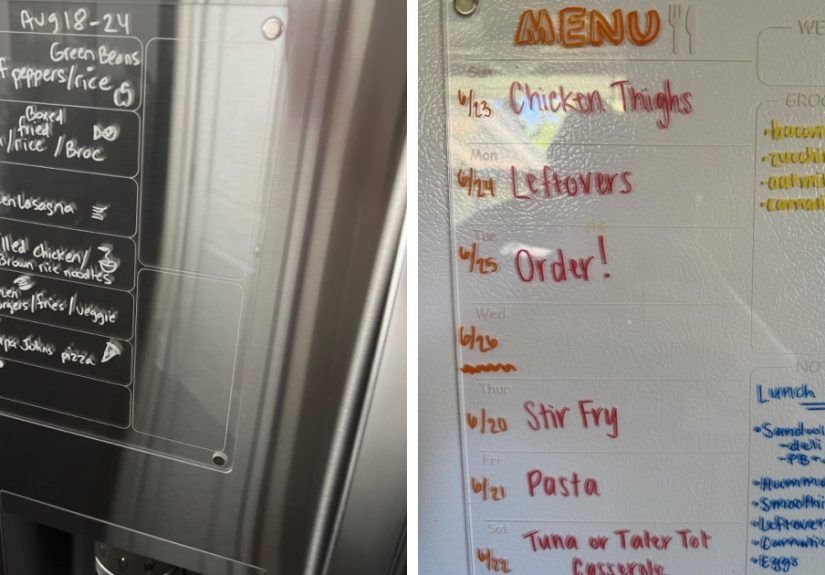
- Plan 3–4 flexible dinners, not a rigid seven-day fantasy schedule.
- Use “leftover nights” on purpose.
- Create a “use first” bin for produce and items nearing expiration.
This one change can shrink grocery bills without sacrificing mealsbecause it’s not about eating less, it’s about throwing away less.
15) Declare war on recurring bills: subscriptions, cable, internet, and “tiny fees”
The modern home has a hidden utility: auto-pay. Between streaming, apps, cloud storage, delivery memberships, and “premium” features you forgot you bought,
recurring charges can balloon quietly.
- List every subscription and rank it: “use weekly,” “use sometimes,” “who even are you?”
- Rotate streaming services instead of stacking them all year.
- Negotiate cable/internet when promos expire, or consider switching plans/providers.
- Buy or borrow equipment when possible (like a modem) to avoid ongoing rental fees.
Frugal living isn’t just saving moneyit’s reclaiming attention. Fewer subscriptions means fewer “Wait, what is this charge?” moments.
Quick Start: The 7-Day Frugal Home Challenge
If you want momentum without burnout, try this one-week sequence:
- Day 1: Home money audit walk-through (drafts, drips, standby power).
- Day 2: Replace the top 5 most-used bulbs with LEDs.
- Day 3: Add weatherstripping/door sweep to the draftiest door.
- Day 4: Set a thermostat schedule you can actually live with.
- Day 5: Install a smart power strip in the TV area.
- Day 6: Fix one leak (toilet flapper or faucet) and check the rest.
- Day 7: Cancel or pause one subscription you won’t miss.
That’s it. No heroics. Just steady, repeatable wins.
The Payoff: What This Looks Like Over a Year
Individually, some of these changes look small. Together, they add up because they hit your biggest household spending categories:
electricity, heating/cooling, water, groceries, and recurring bills.
The best part? Many of the most effective moves are low-cost (or free), and they also make your home more comfortable. That’s the frugal sweet spot:
savings you don’t have to suffer for.
Extra: 500+ Words of Real-World “We Tried It” Experiences (What Actually Stuck)
We decided to treat frugal living like a low-stakes science experiment. Not the kind with lab coatsmore like the kind where you stare at your utility bill
and whisper, “Tell me your secrets.”
Week one was all about the obvious stuff: we swapped bulbs, sealed one drafty door, and set a thermostat schedule. The surprise? The house felt better
immediately. Less drafty, more even temperature, andthis is not dramaticthe living room stopped feeling like two different climates depending on which
cushion you sat on. The savings were still “future savings,” but comfort is what kept us from quitting. Frugal living is way easier when it feels like an
upgrade instead of a punishment.
Week two was our “phantom power” era. We added a smart power strip to the entertainment center and discovered we had been feeding electricity to a small
army of glowing standby lights. You know that tiny red dot on the TV? Apparently it has a union. The practical lesson: we didn’t need to unplug everything
in the house like we were moving out. We just needed one smart strip in the right place. After that, the routine became automatic: TV off, strip does its
job, wallet quietly rejoices.
Week three was water week, aka “the drip hearings.” We tested toilets, found a silent leak, replaced a flapper, and felt wildly accomplished for someone
holding a $10 part like a trophy. We also installed an efficient showerhead. The fear was that showers would feel weaker. They didn’t. The bigger change
was psychological: once you know water costs money twice (water + heating), long showers start to feel less relaxing and more like bathing in dollar bills.
We didn’t ban long showerswe just saved them for days that truly deserved them.
Week four was the hardest: food waste and subscriptions. Utilities are mechanicalfix the thing, save the money. Groceries are emotional. We started with a
“use first” bin and a freezer list taped inside a cabinet door. That freezer list was the MVP. Suddenly we could see what we had, which meant fewer
accidental duplicates and fewer “nothing to eat” lies told in front of a freezer full of food. We also planned only four dinners a week, with two leftover
nights and one “make it work” night. That’s the real hack: planning less, but planning smarter.
Then came subscription creep. We pulled bank statements and found charges we genuinely didn’t recognize. Not scamsjust forgotten trials and “we’ll keep it
for now” services that had become permanent. We canceled a couple, rotated streaming instead of stacking, and renegotiated internet. The best benefit
wasn’t just savings; it was mental clarity. Fewer subscriptions meant fewer little decisions and fewer surprise charges. It felt like decluttering, but for
our budget.
What stuck long-term? The changes that were either (1) invisible once set up, or (2) made the house more comfortable. LEDs? Stuck. Weatherstripping?
Stuck. Thermostat schedule? Stuck (after we adjusted it to something realistic). The stuff that required constant willpowerlike being perfect about every
grocery purchasegot easier only after we built systems (freezer list, “use first” bin, leftover nights) that made the frugal choice the default.
The biggest takeaway: frugal living works best when it’s a collection of small, smart home changesnot one giant “new you” moment. Your house doesn’t need
to become a joyless savings bunker. It just needs to stop leaking money in the background while you’re busy living your life.
Conclusion
Frugal living isn’t about doing withoutit’s about doing better. When you seal drafts, control hot water, reduce food waste, and rein in recurring bills,
you’re not just saving money. You’re building a home that costs less to run and feels better to live in.
Start with one change that’s easy, one that’s impactful, and one that removes a recurring expense. Stack wins. Then enjoy the best frugal benefit of all:
keeping more cash in your pocket without feeling like you gave up your whole personality.