Table of Contents >> Show >> Hide
- What Are Gallstones, Exactly?
- Why Are Gallstones More Common During Pregnancy?
- Symptoms of Gallstones During Pregnancy
- What Actually Causes Gallstones in Pregnancy?
- How Are Gallstones Diagnosed During Pregnancy?
- Treatment Options for Gallstones During Pregnancy
- Preventing Gallstone Flares While Pregnant
- Gallstones and Your Baby: Is the Pregnancy at Risk?
- When to Call Your Healthcare Provider
- Real-Life Experiences: What Gallstones in Pregnancy Can Feel Like
- Key Takeaways
Pregnancy already comes with enough surprisesmidnight cravings, random tears at commercials, and a bladder that seems to have its own agenda.
For some people, there’s another uninvited guest: gallstones. These tiny, rock-like deposits can turn a normal day into a very painful one, especially during pregnancy.
The good news? Gallstones and pregnancy can safely coexist in most cases, especially when you recognize symptoms early, know when to call your healthcare provider,
and understand the treatment options that protect both you and your baby. This guide walks you through what gallstones are, why they’re more common during pregnancy,
how they’re treated, and what real-life experiences can look like.
What Are Gallstones, Exactly?
Gallstones are hardened deposits that form inside your gallbladder, a small pear-shaped organ tucked under your liver on the right side of your abdomen.
The gallbladder stores bile, a digestive fluid that helps break down fats. When you eat, especially fatty foods, the gallbladder squeezes bile into your small intestine.
Sometimes, the balance of substances in bilelike cholesterol, bile salts, and bilirubingets thrown off. When there’s too much cholesterol or bilirubin, or when the gallbladder
doesn’t empty properly, crystals can form. Over time, those crystals can clump together into stones that can be as tiny as grains of sand or as large as a golf ball.
Types of Gallstones
- Cholesterol gallstones: The most common type, usually yellowish, made mostly of hardened cholesterol.
- Pigment gallstones: Dark brown or black stones that form when there’s too much bilirubin (a breakdown product of red blood cells) in bile.
Many people with gallstones never know they have them. The problem starts when a stone moves and blocks the flow of bile, triggering pain and other symptoms.
Why Are Gallstones More Common During Pregnancy?
Pregnancy is a hormonal roller coaster, and your gallbladder definitely feels it. Higher levels of estrogen and progesteronetwo major pregnancy hormoneschange the way bile is made
and stored. Research suggests that pregnancy increases the risk of gallstone formation compared with the nonpregnant state, and gallbladder disease is one of the most common reasons
for non-obstetric surgery during pregnancy.
How Pregnancy Hormones Affect the Gallbladder
- Estrogen: Raises cholesterol levels in bile, making it more “stone-friendly.”
- Progesterone: Relaxes smooth muscles, including the gallbladder, so it squeezes less strongly and empties more slowly. That sluggish flow of bile can lead to sludge and stones.
Studies have shown that a noticeable percentage of pregnant people develop new gallstones or biliary sludge by the third trimester, although most stay symptom-free. Only a small portion
develop painful symptoms or complications that need active treatment.
Other Risk Factors That Add to Pregnancy
On top of pregnancy itself, other factors can raise your gallstone risk:
- Family history of gallstones
- Being assigned female at birth
- Pre-pregnancy overweight or obesity
- Rapid weight loss, or weight cycling before pregnancy
- Older maternal age
- Multiple pregnancies over time
- Diabetes or metabolic syndrome
- Certain diets high in saturated fat and low in fiber
Think of it this way: pregnancy loads the dice toward gallstone formation, and these extra factors give the dice a little extra spin.
Symptoms of Gallstones During Pregnancy
Not all gallstones cause symptoms. When they do, you’ll usually know something is wrong. The classic symptom is a gallbladder attack (also called biliary colic),
usually triggered after a mealespecially one high in fat.
Common Symptoms
- Sudden, steady pain in the upper right side of your abdomen, under the ribs
- Pain in the upper middle abdomen, just below the breastbone
- Pain that may radiate to your right shoulder or between your shoulder blades
- Nausea and sometimes vomiting
- Pain that lasts from a few minutes to several hours
This pain can be intense enough to wake you from sleep and is often mistaken for heartburn, gas, or “just pregnancy discomfort”at least at first. If these symptoms
keep coming back, especially after eating, it’s time to call your healthcare provider.
Warning Signs of Complications
Gallstones can sometimes lead to more serious problems such as acute cholecystitis (inflamed gallbladder), infection, or blockages in the bile ducts. Call your doctor or seek emergency care if you notice:
- Severe, unrelenting pain in the upper right abdomen lasting more than a few hours
- Fever or chills
- Yellowing of your skin or eyes (jaundice)
- Dark urine with pale or clay-colored stools
- Difficulty breathing from pain or inability to find a comfortable position
These symptoms may indicate an infection or blockage that needs urgent evaluation. During pregnancy, it’s always better to get checked early rather than try to “tough it out.”
What Actually Causes Gallstones in Pregnancy?
Gallstones are the end result of an imbalance and a traffic jam. Here’s the simplified breakdown:
- Too much cholesterol in bile: When cholesterol exceeds what bile can dissolve, it starts to crystallize.
- Too much bilirubin: Conditions that break down red blood cells faster can raise bilirubin levels, creating pigment stones.
- Slow gallbladder emptying: Progesterone-induced relaxation plus the physical pressure of a growing uterus can keep bile sitting in the gallbladder longer, giving crystals more time to form.
Pregnancy just happens to hit all three of these areas: more estrogen, more progesterone, and big changes in how your digestive system works.
How Are Gallstones Diagnosed During Pregnancy?
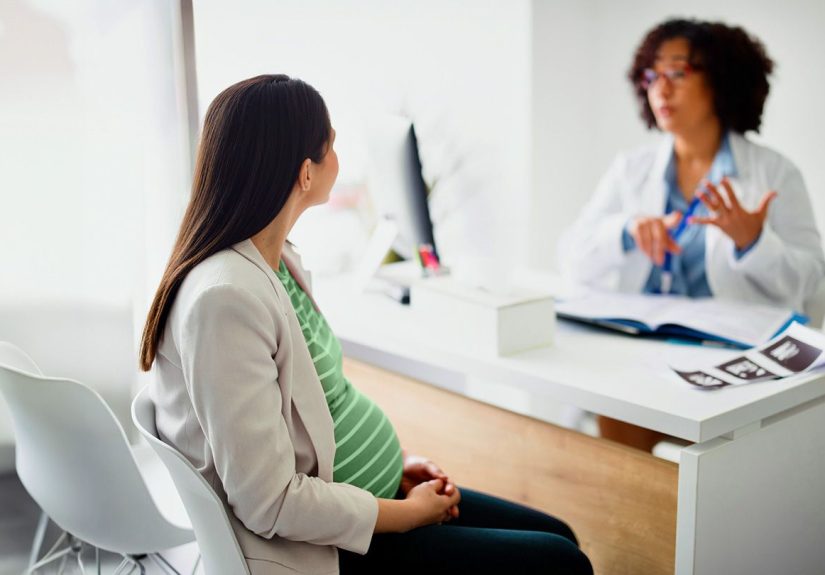
If you show up at your obstetrician’s office or the emergency department with classic symptoms, your healthcare team will start with a detailed history and physical exam.
Because pregnancy complicates the picture, they may be extra cautious to rule out other causes of abdominal pain such as preterm labor, appendicitis, or liver complications of pregnancy.
Common Tests
- Ultrasound: The go-to test for gallstones in pregnancy. It’s radiation-free, safe for the fetus, and very good at showing stones and sludge in the gallbladder, as well as signs of inflammation.
- Blood tests: These may check liver enzymes, bilirubin, white blood cell count, and markers of inflammation to look for infection or bile duct blockage.
- Advanced imaging (select cases): Occasionally, specialized imaging or endoscopic procedures may be considered if doctors suspect stones in the common bile duct, but this is handled carefully to minimize risk to the pregnancy.
Your obstetric provider may collaborate with a gastroenterologist or surgeon to interpret results and decide what’s safest for you and your baby.
Treatment Options for Gallstones During Pregnancy
The right treatment depends on three main things: your symptoms, the severity of disease, and how far along you are in pregnancy. Many pregnant people with gallstones never need surgery and are managed with careful monitoring and symptom control.
Watchful Waiting for Silent Gallstones
If your gallstones are discovered incidentally (for example, during an ultrasound for another reason) and you have no symptoms, your healthcare provider will usually recommend watchful waiting.
Many cases of sludge and even some stones improve or disappear after pregnancy as hormone levels normalize.
Managing Mild or Occasional Symptoms
For milder cases, treatment often focuses on lifestyle and symptom relief:
- Short-term pain management with pregnancy-safe medications as prescribed by your healthcare provider
- Dietary changes, such as lowering overall fat intake and avoiding very greasy or fried foods that trigger attacks
- Eating smaller, more frequent meals to reduce the workload on your gallbladder
Certain bile-acid medications may sometimes be used to help with symptoms or specific complications, but their use during pregnancy is carefully considered and must be supervised by a specialist.
When Surgery Becomes Necessary
If you have frequent, severe attacks, complications, or infections that don’t respond to conservative treatment, surgery might be recommendedeven during pregnancy. The most common operation is
laparoscopic cholecystectomy, a minimally invasive procedure to remove the gallbladder.
Modern guidelines from surgical and obstetric groups indicate that laparoscopic gallbladder removal can be safely performed in all trimesters when clearly needed, with careful monitoring and experienced teams.
The timing and decision are individualized, weighing how sick you are, your gestational age, and the potential risks of delaying treatment.
While surgery during pregnancy sounds scary, uncontrolled infection or repeated attacks can pose bigger risks to both you and the fetus. This is why shared decision-making with your obstetrician, surgeon, and anesthesiologist is so important.
Preventing Gallstone Flares While Pregnant
You can’t control everything (hello, hormones), but a few habits may help lower the chance or intensity of gallbladder attacks during pregnancy:
- Choose a lower-fat eating pattern: Favor baked, grilled, or steamed foods; limit deep-fried items and large, fatty meals.
- Include fiber-rich foods: Whole grains, fruits, vegetables, and legumes help support healthy digestion and may reduce cholesterol levels.
- Stay active as recommended: Light to moderate physical activity, if approved by your provider, supports overall digestion and metabolic health.
- Avoid skipping meals: Long gaps followed by very large meals can stress the gallbladder.
- Follow up after delivery: If you had symptomatic gallstones in pregnancy, discuss postpartum follow-up and whether you might need elective gallbladder removal later on.
These strategies aren’t a guarantee, but they can tilt the odds in your favor and may reduce how often symptoms show up.
Gallstones and Your Baby: Is the Pregnancy at Risk?
The reassuring part: gallstones themselves don’t directly harm the fetus. The main concern is how sick the pregnant person becomes from attacks, infections, or surgery. Severe, uncontrolled pain, fever, or complications
can increase the risk of dehydration, poor nutrition, or preterm contractions.
That’s why prompt evaluation and good symptom control are so important. With modern imaging, anesthesia, and surgical techniques, most people with gallstones complete their pregnancies safely, whether or not surgery is required.
When to Call Your Healthcare Provider
Contact your obstetrician, midwife, or healthcare provider if you experience:
- Repeated upper right abdominal pain, especially after meals
- Pain that doesn’t improve with position changes or antacids
- New nausea and vomiting not explained by typical morning sickness
- Fever, chills, or jaundice
Seek emergency care if the pain is severe, constant, you have trouble breathing, or you feel very unwell. It’s always appropriate to say, “I’m pregnant and having this kind of pain,” so the team can prioritize both you and your baby.
Real-Life Experiences: What Gallstones in Pregnancy Can Feel Like
Clinical descriptions are helpful, but real-life experiences often capture how disruptive gallstones can be during pregnancyand how manageable they can become with the right care. While everyone’s situation is different,
the following composite examples show some common patterns:
“I Thought It Was Just Really Bad Heartburn”
Imagine being in your second trimester, finally past the worst of the morning sickness. You celebrate with a delicious (and slightly greasy) takeout dinner. A couple of hours later, a sharp, squeezing pain hits just under your right ribs.
You try antacids, change positions, sip waternothing helps. The pain radiates to your shoulder and you feel nauseated but can’t throw up. After a few hours, it slowly fades.
At your next prenatal visit, you mention the episode. Your provider recognizes the classic description of biliary colic and orders an ultrasound. It shows a few small gallstones but no signs of infection. You’re sent home with advice to cut back on fried foods,
eat smaller meals, and return if the attacks become more frequent or severe.
Over the next months, you learn your triggers: big cheesy meals, fast food, and going too long without eating. By sticking to milder, lower-fat meals and staying hydrated, the attacks become rare and mild. You carry your baby to term, deliver, and then
revisit the gallbladder issue postpartum with your provider.
“The Pain Wouldn’t Stop, and That’s When Things Got Serious”
In another scenario, someone in the third trimester has had occasional mild gallbladder pain for weeks and chalked it up to “normal pregnancy discomfort.” One night, the pain starts and does not let up. It’s intense, centered in the right upper abdomen,
and each breath makes it worse. They develop a fever and start to feel shaky and unwell.
At the hospital, tests show severe gallbladder inflammation. The healthcare team treats them with IV fluids, antibiotics, and pain medications. After careful discussion between obstetrics, surgery, and anesthesiology, they decide that laparoscopic cholecystectomy
is the safest option to prevent more serious complications. The surgery goes well, the baby’s heart rate remains stable, and recovery is closely monitored. The rest of the pregnancy proceeds with close follow-up, and both parent and baby do well.
Stories like this highlight an important point: waiting too long to seek care can make things more complicated. Speaking up early when pain doesn’t feel right gives your healthcare team more options and usually leads to smoother outcomes.
Emotional Side of Gallstones in Pregnancy
Beyond the physical symptoms, gallstones in pregnancy can stir up worries: “Will I need surgery?”, “Is my baby okay?”, “What if this happens again?” It’s completely normal to feel anxious when your pregnancy doesn’t follow the “perfect” script.
Many people find it helpful to:
- Ask lots of questions so they understand the plan and feel in control.
- Bring a partner, friend, or family member to appointments for support.
- Keep a symptom diarywhat you ate, when pain started, how long it lastedto share with your provider.
- Plan ahead for postpartum follow-up so gallstone issues don’t creep back later when life is busy with a newborn.
Although gallstones can temporarily hijack your pregnancy experience, with good communication, timely care, and some lifestyle tweaks, most people are able to manage the condition and safely welcome their baby.
Key Takeaways
- Gallstones are more common during pregnancy due to hormonal changes that affect bile composition and gallbladder function.
- Symptoms often include upper right abdominal pain, especially after fatty meals, along with nausea or vomiting.
- Ultrasound is the main, safe imaging tool used to diagnose gallstones in pregnancy.
- Many cases are managed conservatively with diet changes and symptom control; some require surgery if attacks are severe or complications develop.
- Gallstones generally don’t directly harm the fetus, but complications and untreated infections can affect the overall health of the pregnancy.
If you’re pregnant and worried you might have gallstones, remember: you’re not alone, you’re not “overreacting,” and you absolutely deserve a clear explanation and a personalized plan from your healthcare team.