Table of Contents >> Show >> Hide
- What “Region” Actually Means (Hint: It’s Not Your State)
- A 30-Minute Regional Gardening Setup (Do This Once, Benefit Forever)
- Gardening By Region: What Changes Across the U.S.
- Northeast & Great Lakes
- Mid-Atlantic & Midwest
- Southeast & Gulf Coast
- Great Plains
- Southwest & Desert Regions
- Mountain West & High Elevation
- Pacific Northwest Coast (Marine/Coastal)
- California & Other Mediterranean-Pattern Areas
- Don’t Forget Microclimates (Your Yard Has Multiple “Regions”)
- Regional Plant Picks: A Smarter Shortcut
- of Regional Gardening Experience: Lessons Gardeners Share
- Conclusion: Regional Gardening Is a Shortcut to a Better Garden
Gardening advice is famously “universal”until you try it. Someone in Seattle swears by weekly watering and you try it in Phoenix, and your garden responds by becoming a crispy museum exhibit. Someone in Miami says “just plant tomatoes anytime” and a gardener in Minnesota laughs so hard they fog up their cold frame.
Gardening by region isn’t about gatekeeping. It’s about matching plants and timing to the climate, soil, and seasonal quirks where you liveso your garden feels less like a reality show (“Who Will Survive?”) and more like a delicious, blooming success story.
What “Region” Actually Means (Hint: It’s Not Your State)
States are political. Plants don’t care. A “region” for gardeners is a bundle of conditions that affect growth: winter lows, summer heat, rainfall patterns, humidity, wind, elevation, and soil traits. Two zip codes in the same state can behave like completely different planets.
The 5 regional dials that matter most
- Winter low temperatures (Hardiness): Great for deciding which perennials survive winter, but it’s not a planting calendar.
- Summer heat stress: Many plants fail from heat long before they fail from coldespecially where nights stay warm.
- Frost dates and growing-season length: This is the backbone for vegetable timing, succession planting, and “Do I have enough days for pumpkins?”
- Moisture + humidity: Wet air and wet leaves can mean fungal pressure; dry air can mean rapid evaporation and salty buildup.
- Soil + wind + elevation: Heavy clay, sandy soil, alkaline soil, constant wind, or high elevation can override almost everything else.
A 30-Minute Regional Gardening Setup (Do This Once, Benefit Forever)
If you only do one “adulting” thing for your garden this year, make it this checklist. It turns vague advice into region-specific decisions you can trust.
1) Find your hardiness zone (for perennials)
Use your zip code to identify your USDA Plant Hardiness Zone. Treat it as a guide based on typical winter lowsnot a guarantee, and not a promise that extremes won’t happen.
2) Add heat tolerance (for summer survival)
If your summers are intense, add a heat-zone mindset: some plants “technically” survive your winter but collapse in your July. Heat days, warm nights, and full-sun intensity matter a lot in the South, Southwest, and many urban areas.
3) Look up local climate normals (for reality-based planning)
Climate normals summarize multi-decade averages of temperature and precipitation. Use them to predict patterns: when rain typically arrives, when dry spells hit, and how “normal” a normal year looks where you live.
4) Anchor your planting to frost dates (for vegetables)
Last spring frost and first fall frost are your garden’s bookends. Use them to decide when to start seeds, when to transplant, and whether you should grow long-season crops or choose faster varieties.
5) Check your soil type (then stop blaming yourself)
A plant can fail from “bad soil” even when you do everything right. Look up your soil type using a soil survey tool, then improve it with compost, mulch, and smart watering instead of guessing.
Gardening By Region: What Changes Across the U.S.
Below is a practical regional guide. Use it as a framework: your yard still has microclimates (shade, reflected heat, slope, wind tunnels), but these patterns will put you on the right track fast.
Northeast & Great Lakes
Signature challenges
- Cold winters, freeze-thaw cycles, and spring that arrives… eventually.
- Shorter growing seasons in many areas; sudden late frosts aren’t rare.
- Spring can be soggy; summer can flip to humid and disease-friendly.
What works well
- Cool-season crops are your superpower: peas, lettuce, spinach, brassicas, and roots can start early.
- Season extension pays off: row covers, cold frames, and low tunnels can add weeks on both ends.
- Raised beds help: they warm faster in spring and drain better after rain.
Timing tip
In cooler regions, transplant warm-season crops (tomatoes, peppers, basil) only after frost risk has passed and soil is warmingnot just because the calendar looks pretty.
Mid-Atlantic & Midwest
Signature challenges
- Big temperature swings: chilly springs, hot summers, unpredictable fall cool-downs.
- Humidity spikes can increase fungal issues (think leaf spots and mildews).
- Soils range widely, but compaction and clay are common headaches.
What works well
- Succession planting: sow smaller batches every 1–2 weeks for steady harvests instead of one overwhelming glut.
- Watering strategy: water deeply and less often to encourage deeper roots (especially on lawns, shrubs, and mature plants).
- Integrated pest management (IPM): scout regularly, reduce plant stress, and use targeted actions instead of “spray and pray.”
Southeast & Gulf Coast
Signature challenges
- Long growing season, but summer can be brutally hot and humid.
- High disease pressure from moisture + warmth; pests can feel year-round.
- Soils can be sandy near coasts or heavy/clayey inland, often low in organic matter.
What works well
- Garden in the “shoulder seasons”: spring and fall can be prime time. Summer can be a tough season for many classic vegetables.
- Choose heat-tolerant crops/varieties: okra, sweet potatoes, southern peas, and heat-tough greens often outperform “cool climate favorites.”
- Build soil fast: compost + mulch + cover crops can improve sandy soils and reduce stress that invites pests.
Humidity tip (the one your plants will thank you for)
Water early in the morning when possible. Wet leaves overnight can invite disease. Also: give plants breathing roomgood spacing is free airflow.
Great Plains
Signature challenges
- Wind, drought cycles, and rapid temperature changes.
- Evaporation can be intense; sandy or variable soils are common.
- Storms can be dramatic (because the Plains love a plot twist).
What works well
- Windbreaks and shelter: even partial protection can reduce stress and boost yields.
- Deep watering: avoid daily “sips.” Instead, water thoroughly, then allow brief dry-down periods to encourage deeper rooting.
- Mulch like you mean it: it cools soil, reduces evaporation, and protects structure.
Southwest & Desert Regions
Signature challenges
- High heat, low humidity, fast evaporation, and often alkaline soils.
- Sun intensity can scorch tender plants; containers dry out at record speed.
- Rain may arrive in bursts (monsoon patterns) rather than steady drizzle.
What works well
- Drip irrigation: efficient, targeted water delivery helps reduce runoff and evaporation.
- Shade strategies: shade cloth, afternoon protection, and smart placement can turn “impossible” into “productive.”
- Right-season planting: many desert gardeners grow cool-season crops in fall/winter/spring, then pivot in peak summer.
Mountain West & High Elevation
Signature challenges
- Short growing seasons, late frosts, and big day-night temperature swings.
- Intense sun, wind exposure, and occasional hail that arrives uninvited.
- Soil warms slowly; “warm season” crops need protection or a head start indoors.
What works well
- Watch soil temperature: frost dates are helpful, but soil warmth often decides success.
- Cold-tolerant direct seeding: many cool-season crops can be sown weeks before the last frost if conditions allow.
- Season extension is not optional: low tunnels, row covers, and cold frames can be the difference between “meh” and “wow.”
Pacific Northwest Coast (Marine/Coastal)
Signature challenges
- Mild temperatures, ample moisture, cool summersand sometimes limited sun.
- Wind, fog, and salty air near the coast can stress plants and reduce heat-loving crop performance.
- Slugs may act like they pay rent.
What works well
- Choose the warmest, most protected site: southwest exposure and wind protection help.
- Lean into cool-season success: brassicas, greens, peas, and roots can thrive.
- Pick varieties intentionally: short-season or cool-summer varieties outperform long-season heat-lovers.
California & Other Mediterranean-Pattern Areas
Signature challenges
- Cool/wet winters, hot/dry summers, and drought stress risks.
- Water management becomes the central strategy, not an afterthought.
- Plants that love constant moisture can struggle without careful irrigation.
What works well
- Mulch + targeted irrigation: preserve soil moisture and reduce stress.
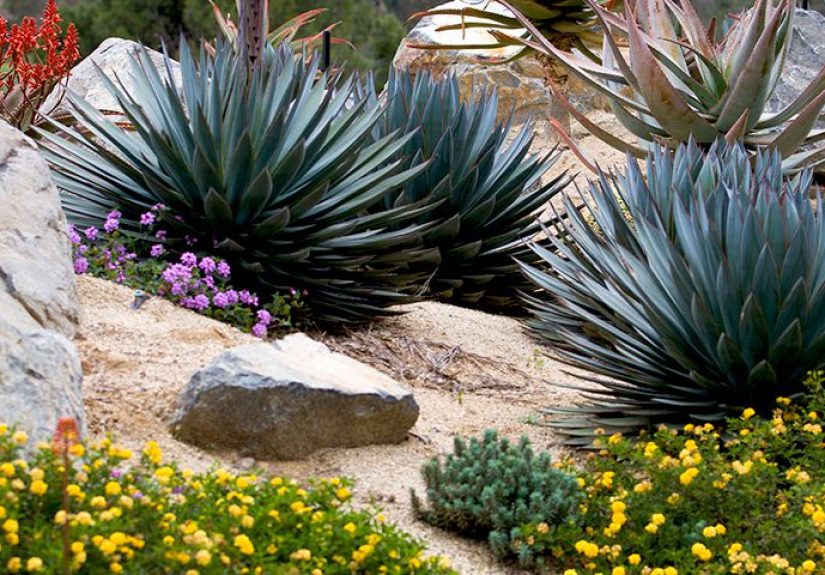
- Choose drought-adapted and native plants: less water, fewer problems, more resilience.
- Monitor pests with local guidance: regional pest updates help you act early rather than panic late.
Don’t Forget Microclimates (Your Yard Has Multiple “Regions”)
Even if your broader region is consistent, your property might include:
- Heat islands: south-facing walls, patios, and driveways that cook plants (or help peppers thrive).
- Frost pockets: low spots where cold air settles.
- Shade zones: tree canopies that change sunlight by season.
- Wind tunnels: between buildings, fences, or along open corridors.
Microclimate hack
Walk your yard at 9 a.m., noon, and late afternoon. Note where sun lingers, where wind hits, and where water collects. That’s your custom regional map.
Regional Plant Picks: A Smarter Shortcut
If you want an easier life, prioritize native plants and region-adapted varieties. Natives are already tuned to local climate patterns and often support local pollinators and wildlife. That means fewer inputs, fewer tantrums, and more “Wow, you’re good at this” compliments from your neighbors.
of Regional Gardening Experience: Lessons Gardeners Share
Here’s the funny thing about “gardening by region”: you can learn it in an afternoon, but you really believe it after one season of watching your plants vote with their leaves.
In colder regions, a common first-year story goes like this: someone buys tomato seedlings the first warm weekend, plants them triumphantly, and then a late frost shows up like an uninvited relative who brings bad news and eats all your snacks. The lesson isn’t “never try.” It’s “use protection and timing.” Gardeners quickly become fans of row covers, old sheets, and portable hoopsbecause saving a plant feels like winning a tiny, personal championship.
In the Southeast, new gardeners often assume summer is the peak season for everything. Then humidity arrives and diseases spread faster than neighborhood gossip. The experienced move is counterintuitive: grow many favorites in spring and fall, and treat mid-summer like a special challenge mode. Heat-tolerant crops shine, airflow becomes sacred, and “watering early” turns from advice into religion. Gardeners also learn that healthy soilbuilt with compost and mulchmakes plants less stressed, which makes pests less interested. It’s like upgrading your garden’s immune system.
On the Great Plains, wind teaches humility. People start with neat rows and realize the landscape wants them to build shelter. Even a modest windbreak (or strategic fencing) can reduce stress dramatically. Deep watering becomes the secret weaponbecause daily sprinkles train roots to stay shallow, and shallow roots are basically begging to be defeated by August. Once gardeners switch to thorough watering and smart mulch, plants stop acting like drama queens and start acting like… plants.
In desert regions, the biggest “aha” moment is that water is not the only factorhow water is delivered matters. Drip irrigation wins because it targets roots and wastes less to evaporation. Shade cloth becomes a “why didn’t I do this sooner” purchase, especially for lettuce and herbs. Many gardeners also discover that their best growing windows may be fall through spring for cool-season crops, while summer becomes a time for heat lovers and survival strategies.
In high-elevation areas, gardeners often describe their season as “short but intense.” Sunlight can be powerful, nights can be cold, and weather can flip fast. The success stories usually involve planning for protection: low tunnels, cold frames, and hail readiness (yes, really). And in the Pacific Northwest coast, gardeners learn to value warm, sheltered sites like precious real estateplus they develop strong opinions about slug control. The shared takeaway across all regions is the same: once you garden like a local, everything gets easier. Your garden stops being a gamble and starts being a craft.
Conclusion: Regional Gardening Is a Shortcut to a Better Garden
Gardening by region isn’t limitingit’s liberating. When you align plant choices, timing, soil strategy, and water habits with your climate, you spend less time fighting nature and more time enjoying the fun parts (harvests, blooms, bragging rights, and that smug little feeling when your neighbor asks, “How do you get your basil to look like that?”).