Table of Contents >> Show >> Hide
- Why This Michelle Obama Hair Moment Hit So Hard
- The Casual Outfit Is Doing More Work Than It Gets Credit For
- Michelle Obama’s Hair Evolution Has a Real Story Behind It
- The Annie Leibovitz Factor: Why the Photo Feels Bigger Than a Regular Social Post
- Why the Internet Loves a “Reverse Aging” Narrative
- This Look Also Works Because It Feels Authentically Post-White House
- What This Viral Moment Says About Fashion, Identity, and Public Perception
- Experiences Related to This Moment: Why So Many People See Themselves in It
- Conclusion
Some photos are nice. Some photos are stylish. And then there are the rare images that make the internet collectively stop scrolling, blink twice, and whisper, “Well, okay then.” Michelle Obama’s now-viral casual portrait with ultra-long hair belongs squarely in that third category. It is relaxed without being lazy, glamorous without trying too hard, and powerful without screaming for attention. In other words, it is the visual equivalent of someone walking into a room in jeans and somehow still becoming the entire event.
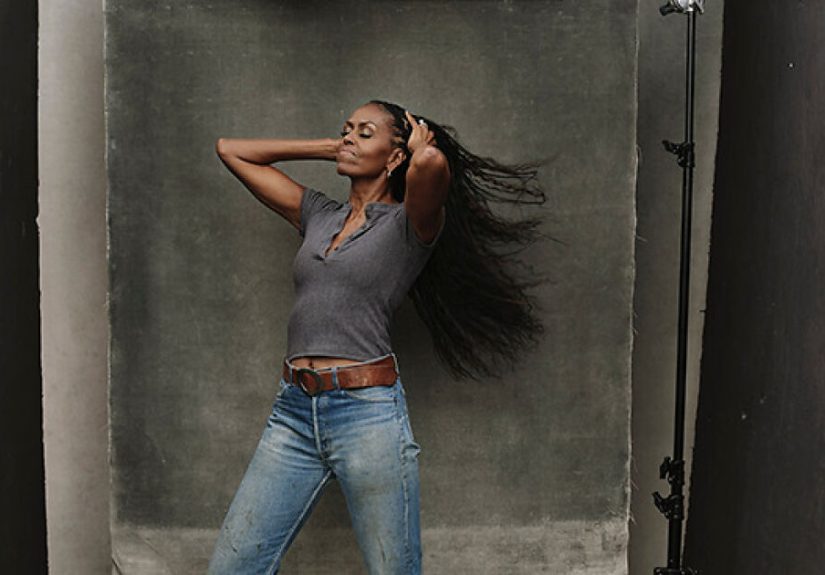
What made the image land so hard was not only the hair, though yes, the ultra-long braids absolutely deserve their own fan club. It was the full package: the easy denim, the grounded boots, the soft confidence, the wind-touched movement, and the unmistakable sense that Michelle Obama is fully settled into a style era that answers to no one. For readers interested in celebrity style, Black hair culture, beauty politics, or simply the anatomy of a truly viral image, this moment is worth unpacking. There is a reason people are calling it iconic, and no, it is not just because the braids were having a better day than most of us.
Why This Michelle Obama Hair Moment Hit So Hard
At first glance, the photo feels simple. Michelle Obama appears in a casual outfit, wearing denim and a softly structured top, with extra-long braids flowing dramatically and naturally. But simplicity is exactly what gives the image its force. Casual style can be deceptively effective because it creates intimacy. A formal gown says, “Look at the occasion.” A lived-in, relaxed look says, “Look at the person.”
That shift matters. For years, Michelle Obama’s public image was filtered through the intense expectations placed on a First Lady, especially the first Black First Lady. Everything from sleeveless dresses to shoe choices to hair texture could become a national conversation. In that context, this newer image reads like a release valve. It feels looser, freer, more personal. It says elegance does not need permission, and style does not need a podium.
The internet responded not just to beauty, but to energy. The phrase in the headline, “Genes are fine,” captures the playful disbelief many viewers expressed. People were reacting to how vibrant, youthful, and unbothered she looked. That reaction was partly about appearance, yes, but also about presence. Michelle Obama looked like a woman who knows exactly who she is and has stopped auditioning for public approval. That kind of confidence photographs beautifully.
The Casual Outfit Is Doing More Work Than It Gets Credit For
One reason this image resonated so strongly is that the outfit is low-key in the smartest possible way. The denim is not trying to win a fashion week award. The top is not covered in theatrical flourishes. The boots are stylish, but they still feel wearable. The overall effect is approachable, which makes the hair and the attitude do the heavy lifting.
That is a lesson many style observers miss. A casual look is not the absence of strategy. Often, it is strategy at its sharpest. By removing unnecessary noise, the image allows the viewer to focus on silhouette, movement, and personality. Here, the braids become the emotional center of the shot. Their length adds drama, their texture adds richness, and their softness adds a sense of ease. The styling does not compete with them. It hands them the microphone.
And that is why the portrait works so well as internet fuel. It feels aspirational without feeling impossible. Most people are not ordering a red carpet gown by custom appointment before lunch, but they do understand a great pair of jeans, boots that mean business, and hair that says, “I came to be fabulous, but I also might stop for coffee afterward.” The visual language is stylish, but still human.
Michelle Obama’s Hair Evolution Has a Real Story Behind It
This viral moment did not come out of nowhere. Michelle Obama has spoken openly in recent years about the way hair functioned during her White House years. Like fashion, hair was never just hair. It was read as a symbol, dissected as a message, and often unfairly treated as a political statement before she even said a word.
That history is especially important when talking about braids. Michelle Obama has explained that she avoided wearing them during her years in the White House because she did not want her hair to become a distraction from more urgent priorities. That comment still carries weight because it reveals how deeply Black women in public life are expected to manage not just their work, but the public’s comfort with their appearance.
Now, in a different stage of life, she has embraced braids more openly and more often. That shift is not merely aesthetic. It is cultural. It is personal. It reflects a larger story about autonomy, aging, visibility, and the right to present oneself without editing for someone else’s approval. When Michelle Obama wears braids now, the look often reads as ease and confidence. But beneath that ease is a long history of negotiation, restraint, and finally, release.
Why Braids Matter Beyond Beauty Trends
Protective styles like braids are practical, expressive, and deeply rooted in culture. They can save time, protect hair health, and allow for versatility. But for Black women in professional and public-facing spaces, they have also carried unfair social baggage. Too often, natural and protective styles have been judged by standards that have little to do with beauty and everything to do with bias.
That is why Michelle Obama’s braided looks keep generating so much conversation. She is not just serving a hairstyle. She is participating in a larger cultural shift in which braids, locs, twists, and natural textures are increasingly being recognized not as exceptions, but as normal, beautiful, and fully professional expressions of identity. In that sense, the portrait is not just stylish. It is quietly corrective.
The Annie Leibovitz Factor: Why the Photo Feels Bigger Than a Regular Social Post
Let us also give the camera its flowers. A Michelle Obama portrait by Annie Leibovitz arrives with a built-in sense of significance. Leibovitz has long specialized in images that feel intimate and monumental at the same time. Her portraits do not usually shout. They hum with authority.
That tone fits Michelle Obama perfectly. In this image, the softness is important. Her eyes appear calm. The pose is not rigid. The clothing is not overworked. And yet the final effect is still deeply editorial. This is what happens when the subject, the styling, and the photographer are all speaking the same visual language. Nobody is trying to do too much, which is exactly why the image does so much.
The portrait was created for Women: 2025 Edition, which adds another layer to the conversation. The book itself is part of a larger visual project about womanhood, power, and representation. Michelle Obama’s inclusion there makes sense on every level. She is not only a famous figure. She is one of the most recognizable examples of how modern public womanhood gets negotiated, criticized, celebrated, and reinvented in real time.
Why the Internet Loves a “Reverse Aging” Narrative
Any time a beloved public figure appears looking especially radiant, the internet immediately begins acting like it has discovered a new scientific phenomenon. Suddenly everyone becomes a part-time dermatologist, a full-time beauty editor, and a philosopher of collagen. Michelle Obama’s photo triggered exactly that kind of reaction. People praised her glow, her confidence, her hair, and her apparent refusal to age according to anyone else’s schedule.
But there is something worth noting here: what people are often reacting to is not just youthfulness. It is vitality. Michelle Obama’s image projects energy, self-possession, and ease. Those things are frequently mistaken for “looking younger,” when what they often reflect is something richer: living on your own terms.
That distinction matters, especially for women over 50, who are often asked to choose between invisibility and trying too hard. Michelle Obama’s portrait refuses that trap. She does not look like she is chasing youth. She looks like she has a strong relationship with herself. The result is much more compelling. It is not “anti-aging.” It is pro-presence.
This Look Also Works Because It Feels Authentically Post-White House
Michelle Obama’s style has evolved noticeably since leaving the White House, and that evolution has been one of the more interesting celebrity style arcs of the last decade. We have seen bolder tailoring, more experimentation, stronger silhouette play, and more visible enjoyment. The key word there is enjoyment. Her fashion no longer seems filtered through institutional duty. It feels lived-in, expressive, and occasionally delightfully unexpected.
This ultra-long hair moment fits neatly into that post-White House era. It is not stiff. It is not overexplained. It is not dressed for somebody else’s idea of “appropriate.” Instead, it projects a kind of grounded glamour that says personal style can be polished without being performative. For anyone building a brand, that is a useful reminder: people respond most strongly when image and identity appear aligned.
That may be one reason this portrait went viral. Viewers were not simply admiring a beautiful woman in a great photo. They were recognizing continuity. The image felt like the latest chapter in a longer story of self-definition. Michelle Obama did not suddenly become stylish, confident, or culturally influential last week. But this photo captured those qualities in a fresh and especially legible way.
What This Viral Moment Says About Fashion, Identity, and Public Perception
Celebrity images go viral every day, but not all of them mean anything. This one does. It speaks to the changing conversation around Black beauty, aging, public womanhood, and the politics of being seen. It also reveals how much style communication has shifted. Today, a “casual” look can carry more influence than a formal campaign image because it feels more believable and more emotionally direct.
Michelle Obama’s ultra-long braids did not just make people say she looked good. They prompted a deeper reaction because they symbolized choice. They suggested that personal presentation can be joyful, strategic, meaningful, and free all at once. That is a powerful message in an era when image is constantly being consumed, judged, and monetized.
There is also something deliciously satisfying about the fact that the image is not trying to be loud. It does not need sequins, fireworks, or an aggressively dramatic caption. It simply arrives, calm and assured, and lets everyone else do the spiraling. That is elite visual communication. It is also, frankly, a little funny. Imagine breaking the internet while dressed like you might also have excellent opinions about throw pillows and roasted vegetables. That is range.
Experiences Related to This Moment: Why So Many People See Themselves in It
Part of what makes this Michelle Obama photo feel bigger than a celebrity style moment is the way it taps into shared experience. Many women know exactly what it feels like to treat appearance as negotiation. There is the “work version” of yourself, the “family event version,” the “camera-ready version,” and the version you actually enjoy being when no one is grading you with their eyeballs. Michelle Obama’s image resonates because it looks like the last version finally won.
For Black women in particular, the response is often even more layered. Hair is never just decoration. It can be memory, labor, identity, tradition, creativity, and sometimes emotional logistics with a side of edge control. Seeing a globally recognized public figure wear ultra-long braids with complete ease can feel validating because it reflects experiences many women have lived quietly for years. The practical reality of protective styling, the social calculations around what is considered “professional,” the pride in cultural expression, and the relief of finally choosing what feels right instead of what feels acceptable all live inside a look like this.
There is also the age component, and that is no small thing. Women are often taught that getting older means becoming visually smaller, safer, or more apologetic. Use less color. Try less hair. Take up less style space. Michelle Obama’s portrait goes in the opposite direction. The hair is long. The presence is expansive. The attitude is calm, not cautious. For many viewers, that reads as permission. It suggests that style does not have an expiration date and that confidence can deepen instead of disappear.
Another relatable part of the experience is the power of casual clothes when they truly reflect you. Most people have had that one outfit that somehow makes them stand straighter, laugh easier, and feel more like themselves. Not because it is expensive or trendy, but because it matches their internal rhythm. That is what this look communicates. It says that a pair of jeans and great hair can carry just as much authority as a formal ensemble when the person wearing them is fully at home in the choice.
And then there is the social-media experience itself. People often joke that the internet is chaotic, and it is, but it also has moments of surprising emotional consensus. A photo appears, and thousands of strangers respond with admiration, recognition, and even gratitude. That happened here. The reactions were not only about aesthetics. They were about what the photo represented: strength without stiffness, beauty without overproduction, maturity without erasure, and cultural pride without translation. Those are experiences people hunger to see reflected back at them.
In the end, the reason this image traveled so far is simple. It gave viewers more than a hairstyle to admire. It gave them a feeling to recognize. The feeling was freedom, and it looked really good in braids.
Conclusion
Michelle Obama’s casual look with ultra-long hair became internet gold because it delivered on multiple levels at once. It was visually striking, culturally meaningful, emotionally legible, and perfectly timed for a public increasingly interested in authenticity over stiffness. The braids were beautiful, yes, but the real headline was the energy: relaxed, self-assured, and unmistakably free.
That is what separates a merely stylish image from a memorable one. This portrait did not just show Michelle Obama looking good. It showed her looking comfortable in her own power. And that, more than any trend forecast or celebrity beauty roundup, is what people responded to. The internet may have arrived for the hair, but it stayed for the message.