Table of Contents >> Show >> Hide
- What Are “Green Veins,” Exactly?
- Why Do Veins Look Green Instead of Red?
- When Green Veins Are Usually Normal
- When Green Veins Might Signal a Problem
- When Should You See a Doctor About Green Veins?
- What to Expect at a Vein Appointment
- Everyday Habits for Healthy Veins
- of Real-Life Experiences with Green Veins
- Bottom Line
If you’ve ever glanced down at your hands or legs and thought, “Whoa, why are my veins so green?” you’re definitely not alone. Green veins can look dramatic in the mirror, but in many cases they’re more of a fun party trick of physics than a sign of serious disease.
Still, because your veins are part of your circulation system, it’s smart to know when green veins are just a cosmetic quirkand when they might be a clue that your blood flow needs some attention. Let’s unpack what’s really going on under your skin.
What Are “Green Veins,” Exactly?
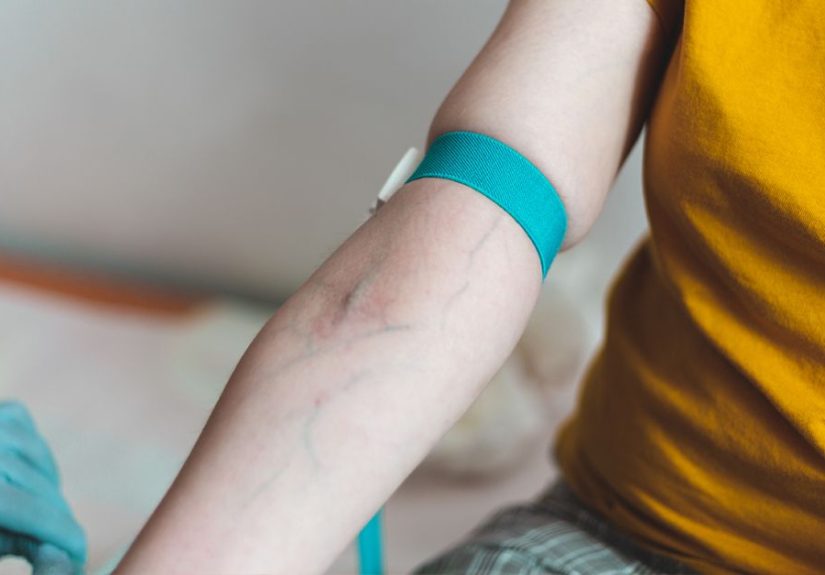
When people talk about green veins, they’re usually noticing superficial veinsvessels that sit relatively close to the surface of the skin. These veins are part of your body’s venous network, carrying blood back to the heart after your tissues have used up some of the oxygen.
Even though the blood inside these veins is always red, your eyes may see those veins as green, blue, or even purple depending on things like your skin tone, lighting, and how deep the veins are. In other words, the veins themselves are not actually green; they only look that way from the outside.
Veins vs. Arteries: A Quick Refresher
- Arteries carry oxygen-rich blood away from the heart to the rest of the body.
- Veins carry oxygen-poor (deoxygenated) blood back to the heart and lungs.
- Most of the veins you can see on your hands, feet, or legs are superficial veins, sitting just under the skin.
The deeper veins, which do a lot of the heavy lifting, are hidden under layers of muscle and tissue. They’re not usually visible unless there’s a medical issue.
Why Do Veins Look Green Instead of Red?
The short answer: light and skin play tricks on your eyes.
Blood is always some shade of red. However, when white light hits your skin, different wavelengths (colors) are absorbed and scattered differently. Your skin, fat layer, and the blood in your veins all interact with that light. By the time the reflected light reaches your eyes, your brain may interpret it as blue, blue-green, or greeneven though the actual blood isn’t that color at all.
The Role of Skin Tone and Undertones
How your veins appear has a lot to do with your skin:
- Lighter skin tones tend to show veins more easily, so green or blue veins are more visible.
- Cool undertones (pink or bluish) may make veins look more blue.
- Neutral or olive undertones can make veins look more green.
- Darker skin tones can still have visible veins, but color is often less obvious because more pigment reduces the contrast.
So if you’ve ever been told to check whether your veins are green or blue to figure out your “undertone” for makeup or jewelry, that’s the basic idea: you’re not checking blood color, you’re checking how your skin and veins play with light together.
Other Factors That Make Green Veins Stand Out
Even if your veins have always been there, certain situations make them more obvious:
- Low body fat or high muscle mass: Less fat between skin and veins = more visible veins (this is common in athletes).
- Exercise: When you work out, blood flow increases and veins temporarily dilate, making them “pop.”
- Heat: Hot showers, saunas, or a hot day cause veins to widen to help your body cool.
- Aging: Over time, skin gets thinner and loses elasticity, so veins show through more easily.
- Hormones: Pregnancy, hormonal birth control, and other hormonal shifts can make veins more visible.
- Genetics: Some people simply come from a long line of “veiny” arms and legs.
In all of these cases, green veins are usually normal and harmless.
When Green Veins Are Usually Normal
Most of the time, green veins are just a cosmetic detail. They’re typically not a problem when:
- Your veins are flat or only slightly raised.
- You don’t have pain, burning, or heaviness in the area.
- The color is consistent and has been there for years.
- They become more visible after a workout or hot shower and then fade again.
- You have light or thin skin and can see a roadmap of veins almost everywhere.
In many cases, visible green veins simply mean your circulation is doing what it’s supposed to dogetting blood back to your heart.
When Green Veins Might Signal a Problem
Sometimes, though, green veins are more than an optical illusion. The color itself isn’t the problemit’s what the veins are doing. Here are some conditions linked to visible or bulging veins that are worth knowing about.
Varicose Veins and Chronic Venous Insufficiency
Varicose veins are enlarged, twisted veins that usually show up on the legs. They may look blue, purple, or green and often bulge above the skin’s surface. They’re caused by valves inside the veins that don’t close properly, allowing blood to pool instead of moving efficiently toward the heart.
Common symptoms include:
- Veins that look ropey, knotted, or bulging
- Achy, heavy, or throbbing legs, especially at the end of the day
- Swelling in ankles or calves
- Itching or skin changes (darkening, dryness, rashes) near the veins
When this problem becomes more advanced, it’s often called chronic venous insufficiency (CVI). Left untreated, CVI can lead to skin breakdown and even ulcers around the ankles.
Spider Veins
Spider veins are tiny, web-like veins near the surface of the skin. They may be red, blue, or greenish and often show up on the legs and face. While they can be a cosmetic concern and sometimes cause mild discomfort, they’re usually less serious than varicose veins.
However, widespread spider veins can still hint at underlying venous pressure problems, especially when combined with aching or swelling.
Superficial Thrombophlebitis
Sometimes, a superficial vein becomes inflamed, often due to a small clot inside it. This is called superficial thrombophlebitis. The affected vein may become:
- Red or darker in color
- Warm and tender
- Firm or cord-like to the touch
While superficial thrombophlebitis is usually not life-threatening, it still deserves medical attention, because it can occasionally be linked with deeper vein problems.
Deep Vein Thrombosis (DVT)
Deep vein thrombosis is a blood clot in a deep vein, usually in the leg. DVT is a medical emergency because a clot can break off and travel to the lungs, causing a pulmonary embolism, which is life-threatening.
DVT doesn’t typically change the color of superficial veins to green, but it can cause swelling and discomfort that makes veins more noticeable. Warning signs include:
- Sudden swelling in one leg
- Pain or tenderness, often in the calf
- Warmth and redness in the affected area
- Unexplained shortness of breath, chest pain, or coughing up blood (call emergency services immediately)
Other Possible Causes
Other situations that can make veins look greener or more prominent include:
- Recent injury or trauma with local swelling
- Infections that inflame tissue and blood vessels
- Certain connective tissue disorders that make skin very thin or stretchy
These conditions are less common than simple, harmless visible veins, but they’re part of the bigger picture of vein health.
When Should You See a Doctor About Green Veins?
You don’t need to schedule an urgent appointment just because your veins look a little green. However, it’s wise to check in with a healthcare professional or a vein specialist (phlebologist or vascular doctor) if you notice any of the following:
- Green veins that are bulging, twisted, or ropey
- Pain, burning, or heaviness in your legs or wherever the veins are visible
- Swelling in your ankles, feet, or a single limb
- Skin changes around the veinsdarkening, thickening, or rash-like areas
- Open sores or ulcers, especially around the ankles
- Veins that seem to change suddenly in size, color, or tenderness
If you have risk factors such as a family history of varicose veins, obesity, pregnancy, standing or sitting for long periods, or a history of blood clots, it’s especially important to pay attention to these changes.
What to Expect at a Vein Appointment
A vein evaluation is usually straightforward and not nearly as intimidating as it sounds. A provider may:
- Ask about your symptoms (pain, swelling, heaviness, itching).
- Review your medical history and family history.
- Examine your legs, feet, or other areas where veins are visible.
- Order a duplex ultrasound to see how blood is flowing and check for clots or valve problems.
Treatment depends on what they find and how much your symptoms affect your life. Options might include:
- Lifestyle changes: more walking, leg elevation, weight management, avoiding long stretches of sitting or standing.
- Compression stockings: special socks that help gently squeeze the legs and support blood flow.
- Minimally invasive procedures: such as sclerotherapy (injecting a solution into the vein), laser treatments, or catheter-based procedures that close off problematic veins.
Most modern vein treatments are done in an outpatient setting and don’t require long recovery times.
Everyday Habits for Healthy Veins
You can’t rewrite your genetics or change your basic skin tone, but you can support your vein health with simple daily habits:
- Move regularly: Walking, stretching, and calf raises keep blood moving.
- Avoid long periods of sitting or standing: Set a timer to get up and move every 30–60 minutes.
- Elevate your legs: Propping your legs up on a pillow at the end of the day helps blood drain back toward your heart.
- Wear compression socks if recommended by your provider, especially on flights or long car rides.
- Maintain a healthy weight to reduce pressure on your leg veins.
- Don’t smoke: Smoking damages blood vessels and circulation.
- Wear sunscreen: Protecting skin slows thinning and damage that can make veins more visible.
None of these habits will change your vein color from green to “invisible,” but they can help prevent or slow problems like varicose veins and swelling.
of Real-Life Experiences with Green Veins
Knowledge is helpfulbut sometimes what we really want to know is, “Is anyone else dealing with this?” Here’s what the green-vein journey can look like in everyday life.
“I Thought Something Was Wrong with My Circulation”
Imagine you’re getting ready in the morning, and the light in your bathroom hits just right. You notice a set of bright green lines crossing your wrist and the back of your hand. Maybe they look more vivid than usual. Your brainbeing human and dramaticjumps straight to, “Is this bad? Am I not getting enough oxygen? Is this a heart thing?”
Later that day, you do a little research and learn that your blood isn’t secretly green, and those veins have probably been there all along. You also find out that your fair skin tone and the bright overhead lighting in your bathroom are basically co-conspirators in this whole optical illusion. Once you understand the science, the sight of green veins becomes less scary and more like an odd but harmless featurekind of like a birthmark or freckles.
“My Veins Popped After I Started Working Out”
Another common story: someone starts lifting weights or running seriously for the first time. A few weeks in, they notice that their arm and leg veins suddenly look way more pronouncedand many of them are greenish. Flex in the mirror and they stand out even more.
At first, this can feel alarming. But for a lot of people, especially those with less body fat and more muscle definition, prominent veins go hand-in-hand with training. The heart gets better at pumping blood, the vessels adapt, and the veins dilate a bit to handle the extra workload. For some gym-goers, visible green or blue veins even become a badge of honorproof that their circulation and muscles are putting in the work.
Of course, not all “veiny” looks are healthy; if veins are painful, hot, or accompanied by swelling, that’s a different situation. But when you get checked out and your provider says, “This is just what your veins look like when you’re fit,” it’s easier to appreciate them instead of fear them.
“My Green Veins Were HarmlessBut My Symptoms Weren’t”
There’s also the flip side: people who ignore leg heaviness or swelling because they assume it’s just cosmetic. Maybe you’ve noticed green, twisting veins on your calves for years but always brushed them off as “ugly, but not dangerous.” Then, gradually, you start to feel like your legs are made of concrete by the end of the day. Your ankles leave deep sock marks. You find yourself looking for a place to sit constantly.
Eventually you mention it at a regular checkup, expecting a quick “don’t worry about it.” Instead, your provider takes a careful look, asks about your symptoms, and orders an ultrasound. The scan shows that the tiny valves in some of your leg veins aren’t working properly, and you’ve developed chronic venous insufficiency. The good news? You caught it before more serious problems like skin ulcers developed. A combination of compression stockings, more walking breaks, and a minimally invasive vein procedure lightens the load on your legs dramatically.
In this situation, it’s not the green color that was dangerousit was the underlying pressure and pooling of blood. But paying attention to the change in how your veins looked and felt was the first step toward getting help.
Turning Worry into Awareness (Not Obsession)
If you have visible green veins, it’s easy to fall into mirror-checking and low-key panic. A healthier approach is to treat your veins the way you would any other part of your body:
- Notice changes, but don’t obsess over every little line.
- Ask yourself: “Is this just cosmetic, or do I also have pain, swelling, or skin changes?”
- Use what you see as a starting point for a conversation with your healthcare provider, not a Google-deep-dive doom spiral.
Most of the time, green veins are just your body’s slightly dramatic way of letting you see some of the incredible vascular system working under your skin. But when something does feel off, you’ll already know what signs to watch forand that makes you an active partner in your own health, not just a passive patient.
Bottom Line
Green veins by themselves are usually a visual tricknot a sign that your blood has turned into something out of a sci-fi movie. Your skin tone, undertones, lighting, and vein depth all combine to create the color you see. For many people, especially those with lighter or thinner skin, green veins are completely normal.
However, if those veins are painful, swollen, bulging, or linked with other symptoms like leg heaviness or skin changes, they can point to issues like varicose veins or chronic venous insufficiency. And if you ever notice sudden swelling, warmth, or severe pain in a limbor trouble breathing along with leg symptomsseek medical help right away.
This article is for general information only and isn’t a substitute for personal medical advice. If your veins are worrying you, the best next step is a direct conversation with a qualified healthcare professional who can look at your specific situation.