Table of Contents >> Show >> Hide
- What Is Griebenschmalz, Exactly?
- Why Make It at Home?
- Ingredients
- Equipment You’ll Want
- Griebenschmalz Recipe (German Pork Fat With Cracklings)
- Pro Tips for Next-Level Cracklings
- Common Mistakes (And How to Avoid Them)
- Flavor Variations (Pick Your Personality)
- How to Serve Griebenschmalz
- Storage and Food Safety
- FAQ
- Conclusion
- Experiences: of Real-Life Griebenschmalz Moments
If butter is the sweet, polite houseguest, Griebenschmalz is butter’s louder cousin who shows up in hiking boots,
brings a loaf of rye, and immediately starts telling funny stories. It’s a traditional German spread made from
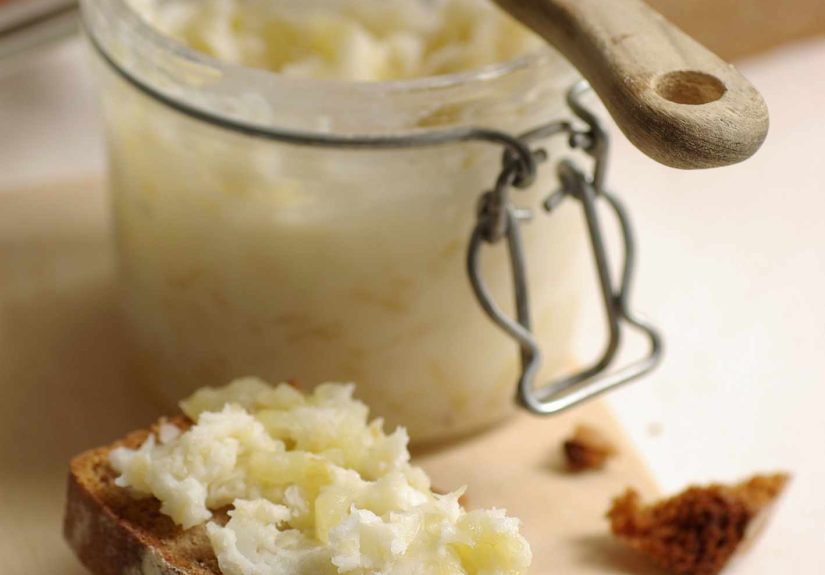
rendered pork fat mixed with cracklings (those crispy little browned bits that make your brain go “ooh”).
Many versions also add onion, apple, and herbsso it’s rich, savory, and just sweet enough to keep things interesting.
The best part? It’s old-school “waste-not” cooking at its finest. You turn humble pork fat into a jar of spreadable gold that’s
perfect on bread, great for frying potatoes, and capable of making even a basic weeknight meal taste like it has a German grandma
cheering you on from the kitchen doorway.
What Is Griebenschmalz, Exactly?
Let’s translate the vibe. In German, Schmalz generally refers to rendered animal fat used for cooking (often pork),
and Grieben are the crisp cracklings left behind after rendering. Put them together and you get
Griebenschmalz: a rustic, spreadable mixture of pork lard and crunchy cracklings.
In Bavaria and beyond, it’s often served as part of a Brotzeit (a snacky bread meal) or Abendbrot (evening bread):
thick slices of bread, pickles, maybe radishes, maybe a beer, and definitely no one pretending this is “diet food.”
One quick clarification: schmaltz (with a “t”) is usually rendered poultry fat (often chicken or goose),
and is common in Jewish cooking. Griebenschmalz is specifically the porky lane.
Why Make It at Home?
- Better flavor: You control the salt, aromatics, and how crunchy those cracklings get.
- Better texture: Homemade cracklings are not the sad, chewy bits you sometimes find in store-bought versions.
- Budget-friendly: Butchers often sell fat trimmings or leaf lard inexpensively.
- Ridiculously useful: Spread it, spoon it, fry with it, or use it as your “secret ingredient” fat.
Ingredients
This is a flexible, farmhouse-style recipeso think of the list as a strongly worded suggestion, not a legal contract.
The only non-negotiable is pork fat.
The Essentials
- Pork fat (2 pounds): Leaf lard (from around the kidneys) renders mild and clean; back fat is a bit more pork-forward.
- Water (2–3 tablespoons): Helps prevent scorching at the start while the fat begins to melt.
- Salt: Start light; you can always add more once it’s cooled a bit.
Classic Flavor Add-Ins (Optional, But Highly Recommended)
- Onion (1 small), finely diced
- Apple (1 small), peeled and finely diced (adds a gentle sweetness)
- Marjoram (1 teaspoon), dried (a very traditional German note)
- Black pepper, to taste
- Caraway, a pinch (if you love rye-bread energy)
Equipment You’ll Want
- A heavy-bottomed pot or Dutch oven (steady heat = happy fat)
- A sharp knife (or kitchen shears) for cutting fat into small pieces
- A slotted spoon
- A fine-mesh strainer
- Clean, dry jars with lids
Griebenschmalz Recipe (German Pork Fat With Cracklings)
Yield: About 2–3 cups (varies) • Time: 1.5–2.5 hours • Difficulty: Easy, but unglamorous (in the best way)
Step 1: Prep the Pork Fat
Cut the pork fat into small cubesabout 1/2-inch pieces. Smaller pieces render faster and more evenly, and you’ll get
crispier cracklings without waiting until next Tuesday.
If the fat is slippery and annoying (it will be), pop it in the freezer for 15–20 minutes so it firms up. This makes cutting
dramatically less chaotic.
Step 2: Start Low and Slow
Put the cubed fat into your heavy pot and add 2–3 tablespoons of water. Set the heat to low.
Stir occasionally as the fat begins to melt. The water will evaporate, but it buys you time and reduces early scorching risk.
Step 3: Render Until You Get Golden Cracklings
As the fat melts, you’ll see more liquid in the pot, and the solid pieces will slowly shrink.
Keep the heat low-to-medium-lowrendering is a marathon, not a sprint. If you crank the heat, you’ll get bitter,
overly browned fat and cracklings that go from “crispy” to “charcoal audition” in a hurry.
Stir every so often, especially as the cracklings begin to color. You’re aiming for a deep golden brown on the solids,
not dark brown.
Step 4: Add Onion and Apple Near the End
When the cracklings are golden and most of the fat has rendered (often around 60–90 minutes, depending on your pot and cut size),
add the finely diced onion and apple. Cook gently, stirring more frequently, until the onion is soft and the apple has
lost its raw edgeusually 10–15 minutes.
Why near the end? Because onion and apple can burn if they sit in hot fat for too long, and burned onion turns your beautiful jar
of deliciousness into “regret with notes of smoke.”
Step 5: Season
Turn off the heat. Stir in salt, pepper, and marjoram (plus caraway, if using). Taste carefullyhot fat is sneaky, and flavors
can intensify as it cools. Start modestly and adjust.
Step 6: Strain (Or Don’tDepending on Your Texture Goals)
Decide how chunky you want your Griebenschmalz:
- For a smooth spread with crunchy bits: Use a slotted spoon to remove cracklings/onion/apple into a bowl. Strain the liquid fat through a fine-mesh strainer into another bowl, then stir some of the solids back in.
- For extra-rustic: Skip straining and just ladle carefullythis keeps more browned flavor, but shortens shelf life a bit and increases the chance of tiny over-browned specks.
Step 7: Jar It and Chill
Spoon the mixture into clean, dry jars. Let it cool slightly (so you don’t shock the glass), then cover and refrigerate.
It will turn opaque and spreadable once chilled.
Pro Tips for Next-Level Cracklings
- Keep heat gentle: Low and steady gives you cleaner-tasting fat and cracklings that crisp instead of burn.
- Stir more toward the end: Once most fat is rendered, cracklings brown fast.
- Want ultra-crisp bits? Remove cracklings earlier, drain well, and stir them back in only after the fat cools a bit.
- Prefer a mild, “pastry-friendly” fat? Render leaf lard very gently and strain well; keep aromatics separate for spreading only.
Common Mistakes (And How to Avoid Them)
Mistake: Turning Up the Heat Because You’re Hungry
Understandable. Also: dangerous. High heat browns the fat too much and can make it taste “porky” in a not-cute way.
Low and slow is the difference between “rustic delicacy” and “why does my kitchen smell like a carnival fryer?”
Mistake: Adding Onion Too Early
Onion burns easily. Add it near the end so it softens and sweetens without turning bitter.
Mistake: Salting Like You’re Making Popcorn
Salt is powerful in a fat-based spread. Start with a little, then adjust after cooling for a few minutes.
Bonus: serving with pickles adds salt and acidity, so you can keep the base more balanced.
Flavor Variations (Pick Your Personality)
Bavarian-Style (Classic)
Onion + apple + marjoram + black pepper. Rustic and slightly sweet-savoryperfect on rye.
Garlic & Herbs
Add a small clove of minced garlic near the very end (or garlic powder off-heat), plus chives or parsley stirred in after cooling.
Great if you want “German spread meets snack board.”
Spicy Smoked
Stir in a pinch of smoked paprika and a tiny bit of cayenne. Not traditional, but extremely fun.
(Tradition is important. So is joy.)
How to Serve Griebenschmalz
The classic move is: bread + Griebenschmalz + something crunchy and tangy. But don’t stop there.
- On rye or sourdough with pickles, sliced radishes, or cucumber
- With pretzels for maximum Bavarian energy
- As a cooking fat for fried potatoes, cabbage, onions, or eggs
- To finish soups or stews (a small spoon adds richness and crackly texture)
- On roasted vegetables instead of butter (especially Brussels sprouts, carrots, or potatoes)
Storage and Food Safety
Good news: rendered fat is relatively stable compared with many foods. Still, your jar will last longer (and taste better)
if you treat it with a little respect.
Best Practices
- Refrigerate: Store Griebenschmalz in the fridge in a tightly sealed container.
- Freeze for longer storage: If you make a big batch, freezing helps preserve quality over time.
- Use clean utensils: Don’t introduce crumbs or moisture into the jarthose shorten shelf life fast.
- Watch for rancidity: If it smells like old crayons, paint, or “stale nuts,” it’s time to toss it.
One important note: avoid home-canning fats/oils unless you’re following a research-tested method that specifically allows it.
When in doubt, refrigerate or freeze instead.
FAQ
Is Griebenschmalz the same as lard?
Not quite. Lard is rendered pork fat, usually strained and used as a cooking fat.
Griebenschmalz is lard that’s been turned into a spread by mixing in cracklings (and often onion/apple/spices).
What’s the best pork fat to use?
Leaf lard renders mild and smoothgreat if you want a clean-tasting base.
Back fat is a bit more savory and “porky,” which many people love for a bread spread.
Either works; your taste buds get the final vote.
Can I use bacon fat?
You can, but it won’t taste like traditional Griebenschmalz. Bacon fat carries smoke, salt, and curing flavors.
If you love that profile, use a small spoonful to boost flavorbut keep the base as plain rendered pork fat for the classic result.
Conclusion
Griebenschmalz is proof that the “less glamorous” parts of cooking are often the most rewarding. You take pork fatsomething many people
would overlookand transform it into a deeply flavorful spread with crunchy cracklings and cozy German pub vibes.
Make a jar, smear it on bread, add a pickle, and suddenly your snack feels like it has a backstory.
Experiences: of Real-Life Griebenschmalz Moments
One of the funniest things about making Griebenschmalz at home is how quickly it turns into a “Wait… why don’t I do this all the time?” ritual.
Home cooks often start with a practical goaluse up pork trimmings, save money, try a traditional German recipeand end up with an
unexpectedly emotional jar of comfort food. Not “crying into your apron” emotional. More like “why does this taste like a warm memory
I didn’t know I had?” emotional.
A very common first experience: you ask a butcher for leaf lard, and the butcher lights up like you just gave them a secret handshake.
Suddenly you’re swapping ideas“keep the heat low,” “don’t rush the cracklings,” “add onion at the end”and you walk out feeling like you’ve
joined a quiet little club of people who know that fat isn’t the villain; boredom is.
Then comes the kitchen moment. At first, rendering feels anticlimactic: a pot of pale cubes doing… not much. But after a while, the alchemy starts.
The fat turns glossy, the pieces shrink, and the aroma becomes savory in the gentlest wayless “fry shack” and more “cozy kitchen that
has its life together.” That’s usually when someone wanders in and asks what smells so good. You might say “pork fat,” and watch their face
do a complicated dance. Ten minutes later, they’re hovering with a spoon like a hopeful seagull.
Another classic experience is the cracklings test. People swear they’ll be patient and wait until everything is cooled and jarred.
They are lying to themselves. Those golden bits come out of the pot and suddenly you’re “just tasting for doneness,” which somehow becomes
“oops, half the cracklings are gone.” It’s not a mistake. It’s quality control. (Also: cracklings have no respect for your plans.)
Serving Griebenschmalz is where it becomes social. Put it on a table with rye bread, pretzels, pickles, and sliced radishes, and everyone
starts building perfect little bites like they’re crafting edible Lego sets. Someone will declare it “German pork butter.”
Someone else will say it tastes like “a fancy snack at a beer garden.” And there’s always one person who insists they don’t like lard
right up until they try it and immediately ask, “So… how hard is this to make again?”
Finally, there’s the sneaky weeknight glow-up. You’ll find yourself spooning a little Griebenschmalz into a pan before frying potatoes,
or wilting cabbage, or sautéing onions for soup. The meal tastes bigger than it ismore intentional, more satisfying. And the best “experience”
might be the simplest: opening the fridge, seeing that jar, and knowing you’ve got flavor on standby. Not a sauce. Not a seasoning packet.
A jar of tradition you made with your own handscracklings and all.