Table of Contents >> Show >> Hide
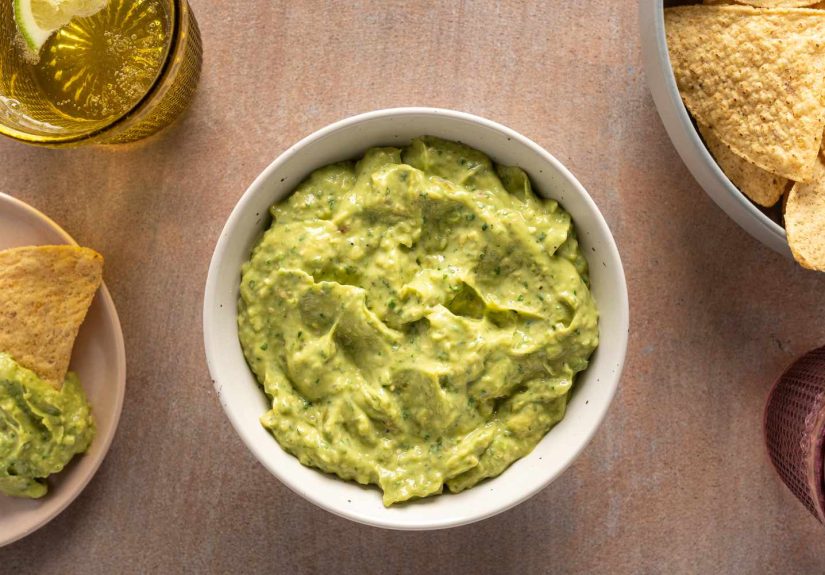
Somewhere between classic guacamole and bright, tangy salsa verde lives the best party dip you’re
not making often enough: guacamole salsa. It’s silky but still a little chunky,
rich but refreshingly zesty, and just runny enough to pour over tacos while still sturdy enough
for tortilla chips to scoop without breaking.
If you’ve ever fallen in love with those bottles of creamy green salsa in the supermarket (hello,
taco night lifesaver), this homemade version is your next obsession. It blends
tomatillos, avocado, jalapeño, cilantro, onion, garlic, and lime into a smooth,
pourable sauce that tastes like guacamole and salsa had a very delicious baby.
In this guide, you’ll learn exactly what guacamole salsa is, how it’s different from guac and salsa
verde, the best ingredients to use, step-by-step directions, storage and food safety tips, plus a
printable recipe and real-life lessons from making it for parties, busy weeknights, and last-minute
snack emergencies.
What Is Guacamole Salsa, Exactly?
Guacamole salsa (sometimes called avocado salsa or avocado salsa verde) is a
cross between traditional guacamole and salsa verde. Like salsa verde, it starts with
tomatillos and green chiles. Like guacamole, it gets its creaminess and richness
from ripe avocados.
Most guacamole salsa recipes include:
- Fresh or cooked tomatillos for tart, bright flavor
- Jalapeños or serrano chiles for heat
- Avocado for creaminess
- Cilantro and onion for freshness and bite
- Lime juice and salt to balance everything
The result is smoother and more pourable than chunky guacamole, but creamier and richer than a
standard salsa verde. You can treat it as:
- A dip for tortilla chips and veggie sticks
- A sauce for tacos, burritos, nachos, and quesadillas
- A topper for grilled chicken, steak, shrimp, or roasted veggies
- A spread for burgers and sandwiches when mayo just isn’t exciting enough
Key Ingredients for the Best Guacamole Salsa
Avocados
Use ripe Hass avocados. They should yield slightly when gently squeezed but not feel
mushy. Overripe fruit will make your salsa muddy and bitter, while underripe avocados won’t blend
smoothly or taste rich enough.
Tomatillos
Tomatillos look like small green tomatoes wrapped in papery husks. Once husked and rinsed (they’re
sticky), you can:
- Boil them for a mild flavor and bright green color
- Roast or broil them for deeper, slightly smoky flavor
Tomatillos are naturally acidic, so you often need less lime juice than you would in a regular
guacamole. If the salsa tastes flat, add salt before you add more lime.
Chiles
Jalapeños are classic, but serranos work if you like more heat. Remove the seeds and membranes
for a milder salsa; leave some in if you want it spicy. Start with one chile, blend, taste, then
add more as needed. It’s much easier to make salsa hotter than to cool it down later.
Cilantro, Onion, and Garlic
Cilantro adds that unmistakable “Mexican restaurant” flavor. White onion brings sharpness and
crunch, while garlic provides depth. Some guacamole purists skip garlic to keep the flavor cleaner;
in guacamole salsa, a clove or two works well as long as you don’t overdo it.
Lime Juice and Salt
Lime juice keeps the avocado from browning too quickly and brightens the flavor. Salt is what makes
all the ingredients taste bigger and more alive. Taste as you gomost people under-season guac and
salsa, and then wonder why it tastes “meh.”
Optional Creamy Add-Ins
Several modern recipes boost creaminess with a little sour cream, Greek yogurt, or Mexican
crema. A few tablespoons can make the salsa extra silky, help mellow the heat, and stretch
the batch a bit for parties. Use them if you like a very smooth, tangy sauce; skip if you prefer a
dairy-free dip with a more pronounced avocado flavor.
Step-by-Step: How to Make Guacamole Salsa
This method gives you a versatile texture: creamy enough to pour, thick enough to scoop.
1. Prep and Cook the Tomatillos
- Remove the husks from the tomatillos and rinse off the sticky residue.
-
Place tomatillos and jalapeños in a saucepan, cover with water, and bring to a boil. Simmer until
the tomatillos change from bright green to olive green and soften, about 7–10 minutes. - Drain and let them cool slightly.
Want more smoky flavor? Instead of boiling, roast the tomatillos, jalapeños, garlic, and onion
under the broiler or on a hot grill until charred in spots, then blend.
2. Blend the Base
-
In a blender or food processor, combine the cooked tomatillos, jalapeños, onion, garlic, cilantro,
and about half the salt. -
Blend until mostly smooth. You can add a splash of water or tomatillo cooking liquid if it’s too
thick to move.
At this stage, you essentially have a simple salsa verde. Taste it. It should be tangy, a bit spicy,
and nicely seasoned.
3. Add the Avocado
- Cut the avocados in half, remove the pits, and scoop the flesh into the blender.
- Add lime juice and, if using, a spoonful or two of sour cream or Greek yogurt.
- Pulse until the mixture is creamy but not completely liquefied.
For the best texture, avoid over-blending. Many chefs recommend keeping a mix of creamy and slightly
chunky bits of avocado so it still feels like guacamole rather than a thin sauce.
4. Adjust Flavor and Consistency
- Too thick? Add a tablespoon or two of water or extra lime juice.
- Too thin? Blend in another half avocado.
- Too tangy? Add a pinch of sugar or more avocado to balance the acidity.
- Needs something? It’s almost always more salt, a squeeze of lime, or a bit more chile.
Transfer to a serving bowl, drizzle with a little olive oil if you like, and garnish with extra
cilantro, a few finely chopped onions, or minced jalapeño for color and texture.
Guacamole Salsa Recipe (Printable Version)
Ingredients
- 8–10 medium tomatillos, husked and rinsed (about 1 pound)
- 1–2 jalapeños or serrano chiles, stemmed (seeds removed for mild)
- 1/2 small white onion, roughly chopped
- 2–3 cloves garlic, peeled
- 1 cup loosely packed fresh cilantro (leaves and tender stems)
- 2 ripe Hass avocados
- 2–3 tablespoons fresh lime juice, to taste
- 1/4–1/2 teaspoon kosher salt to start, plus more to taste
- 2–4 tablespoons water or tomatillo cooking liquid, as needed
- Optional: 1/4–1/3 cup sour cream, Greek yogurt, or Mexican crema for extra creaminess
Directions
-
Cook the tomatillos and chiles.
Add tomatillos and jalapeños to a saucepan, cover with water, and bring to a boil. Reduce heat and
simmer until the tomatillos turn olive green and soften, about 7–10 minutes. Drain and let cool slightly. -
Blend the salsa base.
In a blender or food processor, combine cooked tomatillos, jalapeños, onion, garlic, cilantro, and
1/4 teaspoon salt. Blend until mostly smooth. Add a splash of water if needed to help it blend. -
Add avocado and lime.
Halve and pit the avocados, then scoop the flesh into the blender. Add 2 tablespoons lime juice and
any optional sour cream or yogurt. -
Pulse to desired texture.
Pulse until creamy but not completely pureed. Scrape down the sides as needed. Add more water a
tablespoon at a time if the salsa is too thick. -
Season and adjust.
Taste and add more salt, lime juice, or chile as needed. If it’s too tangy, balance with more avocado
or a pinch of sugar. -
Chill or serve.
Serve immediately for the brightest flavor, or chill for 30–60 minutes to let the flavors meld.
Serving Ideas
- With warm tortilla chips and sliced veggies as a party dip
- Spoon over carne asada tacos, fish tacos, or breakfast burritos
- Drizzled on grilled chicken, shrimp skewers, or roasted cauliflower
- As a creamy topper for nachos instead of (or alongside) sour cream
Storage, Shelf Life, and Food Safety
Guacamole salsa is at its best within the first 24 hours, but you can safely store it in the
refrigerator for about 2–3 days if you handle it properly. Always:
- Keep it in an airtight container
-
Press a piece of plastic wrap directly onto the surface to limit contact with oxygen, which slows
browning - Refrigerate within 2 hours of preparing or serving
- Use clean utensils and avoid double-dipping
A little browning on top is usually harmless oxidationstir it in and taste. Toss it if you see mold,
smell anything sour or funky, or notice a dramatic change in texture.
Because this salsa contains both fresh produce and avocado, it doesn’t have the same extended shelf
life as canned or fully cooked jarred salsa. Treat it like fresh guacamole: make it close to when
you plan to serve it, and enjoy the leftovers within a couple of days.
Pro Tips for Next-Level Guacamole Salsa
1. Use the Right Tool
A blender or food processor is the easiest route, but if you have a
molcajete (traditional Mexican mortar and pestle), try making at least part of the
salsa in it. Grinding chile, garlic, onion, and cilantro by hand releases flavor differently than
blades do and gives you a rustic, restaurant-style texture.
2. Control the Texture
If you like a thicker, more guacamole-like salsa, reserve part of the avocado and mash it by hand,
then fold it into the blended base. For a smoother, pourable sauce, blend everything longer and thin
with a bit of water or lime juice until it streams off a spoon.
3. Roast for Deeper Flavor
Boiled tomatillos give you a bright, clean taste. Roasting them (plus the chiles, garlic, and onion)
under a broiler or on a grill adds smoky, caramelized notes that make the salsa taste more complex.
If you’re already grilling, throw the tomatillos and chiles onyou won’t regret it.
4. Balance Heat and Acidity
Taste your salsa at least three times: after blending the tomatillo base, after adding avocado, and
after chilling. As it sits, both acid and heat can mellow or intensify. If it’s too spicy, adding
more avocado or a spoonful of sour cream can help dial it back. If it tastes flat, add a pinch of
salt and a small splash of lime.
5. Have Fun with Variations
- Extra creamy: Use more avocado and a bit of Greek yogurt or crema.
- Smoky chipotle: Blend in a small chipotle pepper in adobo for a smoky, reddish twist.
- Herby: Add a little fresh oregano or parsley alongside the cilantro for more complexity.
- Mild and kid-friendly: Use only one seeded jalapeño and a bit more avocado to soften the heat.
Real-Life Experiences with Guacamole Salsa
The first time you bring guacamole salsa to a gathering, be prepared for a very specific kind of
chaos: people hovering around the bowl, chips in hand, saying, “Wait, what is this?” There’s
usually a moment where someone decides it’s “too good for just chips” and starts spooning it over
everything on their plateincluding things that absolutely did not ask for salsa, like potato salad
or deviled eggs. (Honestly? It still kind of works.)
One of the biggest lessons you learn quickly is that texture matters. If you blend
everything until it’s totally smooth, you get a nice saucebut it can feel a little flat. Leaving
tiny, soft chunks of avocado gives your salsa more character and makes it feel closer to homemade
guacamole. A few rough-chopped bits of onion or cilantro on top help, too. It looks intentional and
feels less like it came from a bottle.
The second big lesson is that the tomatillos do a lot of heavy lifting. When you make
guacamole, avocado is the star and everything else is supporting cast. With guacamole salsa, the
tomatillos bring that bright, tangy backbone. If they’re undercooked, the salsa can taste sharp and
vegetal. If they’re cooked until soft and just starting to char, you get this sweet-tart, slightly
smoky flavor that makes people think you spent way more time on it than you actually did.
You also quickly learn that this is a very forgiving recipe. Didn’t buy enough avocados? Add more
tomatillos and call it a lighter version. Only have serrano chiles and they turned out nuclear-level
spicy? Add a third avocado or a scoop of Greek yogurt to calm things down. Ran out of lime? A splash
of lemon or even a little mild vinegar in a pinch will keep the salsa from tasting flat.
Hosting-wise, guacamole salsa is a secret weapon. If you serve regular guac, people tend to plant
themselves right next to the bowl and inhale it until it’s gone. With guacamole salsa, guests still
snack on chips, but they also start using it like a condiment: over fajitas, on their rice, drizzled
on grilled veggies, even on the side of grilled steak or chicken. One batch suddenly carries your
whole menu and makes everything taste more “restaurant-level” with almost no extra work.
Storage is another area where you learn by doing. Everyone has that moment where they open the
container the next day and see a slightly darker green layer on top and think, “Well, we had a good
run.” But a quick stir usually brings it back to life, especially if you stored it with plastic wrap
pressed directly on the surface and added a little extra lime before chilling it. As long as there’s
no weird smell or visible mold and it’s only been a day or two, that guacamole salsa is still very
much in the game.
Over time, you start adapting the recipe to your people. For spice-lovers, you leave some chile seeds
in and maybe sneak in a serrano. For cautious eaters, you seed everything, keep the heat low, and let
a bottle of hot sauce handle the drama. For avocado fans, you dial up the avocado and reduce the water
so it’s more of a thick dip. For taco night, you thin it a bit so it can be spooned or poured across
the entire plate. Same basic recipe, endless personalities.
The best part? Once you’ve made guacamole salsa a few times, it becomes less of a strict recipe and
more of a formula you can improvise around. You start trusting your taste buds: blending a little,
tasting, adjusting salt and lime, checking the heat level, tweaking the consistency. It’s the kind of
dish that quietly turns you into a better, more confident cookone creamy, tangy, chip-scooping bite
at a time.
Final Thoughts
Guacamole salsa takes everything people love about guacamolethe creamy avocado, the bright lime, the
fresh cilantroand gives it the pourable, versatile superpowers of salsa. Whether you serve it as a
simple dip or your all-purpose Mexican-inspired sauce, it’s one of those recipes that instantly makes
any meal feel more festive and a little bit special.
Make it once for taco night, and you’ll probably start looking for excuses to blend up another batch.
Luckily, it couldn’t be easier: a handful of fresh ingredients, a quick blend, and you’ve got a big
bowl of bright green happiness ready for chips, tacos, and whatever else you decide needs an upgrade.