Table of Contents >> Show >> Hide
- Quick Table of Contents
- What Are Gummy Bear Implants?
- Pros: Why People Choose Gummy Bear Implants
- Cons: Tradeoffs You Should Actually Think About
- Cost in the U.S.: What You’ll Pay and Why
- Precautions and Safety Checklist
- 1) Choose the right surgeon (this is not the time to bargain-hunt)
- 2) Review the FDA-required patient decision materials
- 3) Understand screening recommendations for silicone implants
- 4) Know the key risks (and which symptoms deserve a fast call)
- 5) Textured vs. smooth: ask explicitly
- 6) Plan your recovery like it’s a real project
- 7) Mammograms and imaging: tell your tech you have implants
- Important note
- Procedure Basics and Recovery Timeline
- FAQ
- Experiences: What It’s Like in Real Life (Extra Section)
- The “I wanted natural, not dramatic” crowd
- The “why do they feel so tight?” first-week panic
- The “I didn’t budget for the long game” surprise
- The “teardrop sounded perfect…until rotation became a fear” moment
- The “I’m glad I asked about textured vs. smooth” win
- The “my best decision was choosing the surgeon, not the implant” takeaway
- Final Takeaways
“Gummy bear implants” sound like something you’d buy at a convenience store checkout line right after swearing you’re
cutting sugar. In reality, they’re a modern type of silicone breast implant made with a highly cohesive gel
that holds its shapekind of like a gummy bear that keeps its form even if you squeeze it (please don’t squeeze candy
the way you’d handle medical devices, though).
If you’re considering gummy bear breast implants for augmentation or reconstruction, you’re probably weighing
the same big questions everyone does: Will they look natural? Are they safer? What’s the real cost? What are the
non-negotiable precautions? Let’s break it downclearly, honestly, and with just enough humor to keep your browser tab
from quietly closing itself.
What Are Gummy Bear Implants?
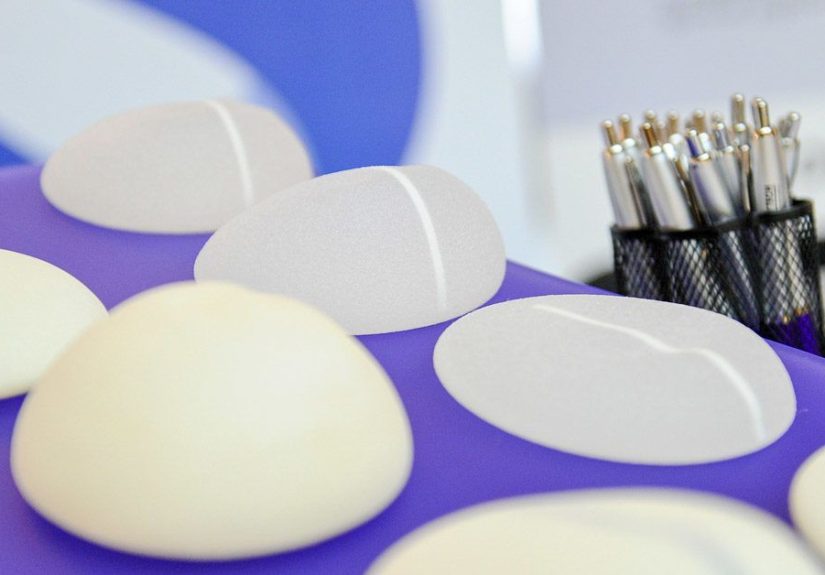
Gummy bear implants are also called form-stable or highly cohesive gel
implants. They’re filled with a thicker silicone gel than traditional silicone implants, which helps them keep their
shape better. Many are made in an anatomical (“teardrop”) shape designed to mimic a natural breast slope, though
cohesive gel can also come in round styles.
Why the nickname “gummy bear”?
The shorthand comes from the implant’s “shape-holding” behavior. If a traditional silicone implant is like jelly in a
balloon, cohesive gel is more likewella gummy bear. Not rock-hard, but less likely to slosh, fold, or leak freely.
Common uses
- Breast augmentation (cosmetic sizing/shape changes)
- Breast reconstruction (often after mastectomy)
- Revision surgery (replacing older implants or correcting complications)
Pros: Why People Choose Gummy Bear Implants
No implant is “perfect,” but cohesive gel implants have some advantages that are genuinely meaningfulespecially
depending on your anatomy, lifestyle, and goals.
1) Shape retention that can look naturally structured
Because the gel is more form-stable, these implants can hold a defined shape wellhelpful for patients who want a
gently sloped profile or need more structure (for example, some reconstruction cases). If you like the idea of a
natural-looking contour without relying entirely on your existing tissue, this can be a plus.
2) Less “rippling” in some situations
Rippling is when the implant shell’s folds become visible or palpablemore common in very thin patients or when the
implant sits closer to the skin. Cohesive gel can reduce rippling compared with some other options, although your
tissue thickness and implant placement matter a lot here.
3) Potentially lower leakage risk if rupture occurs
The cohesive gel tends to stay together more than looser silicone gel. That doesn’t mean rupture is impossible (no
implant is invincible), but the “sticky” gel may be less likely to migrate freely.
4) Strong track record as a modern silicone option
Modern silicone implantsincluding cohesive gelare widely used in the U.S. and are backed by extensive
manufacturing standards and regulatory labeling requirements. If you want a silicone-based implant but prefer a more
structured feel/shape, cohesive gel is often the “best of that specific category.”
5) Good option for certain reconstruction goals
In reconstruction, surgeons may prioritize shape stability and predictable contour. Cohesive gel implants can help
create a stable breast mound shape, especially when tissue has been altered by mastectomy or radiation.
Cons: Tradeoffs You Should Actually Think About
Here’s where the grown-up conversation happens. The downsides aren’t dealbreakers for everyonebut you should know
them before you get emotionally attached to the phrase “gummy bear.”
1) They can feel firmer than other implants
Form-stable gel often feels a bit firmer than traditional silicone options. For some people, that firmness reads as
“perky and supported.” For others, it reads as “my chest feels like it’s wearing a push-up bra 24/7.” Neither reaction
is wrongit’s preference.
2) Teardrop-shaped implants can rotate
Anatomical implants are shapedso if they rotate, the breast shape can look “off.” Round implants don’t have that
same visual issue if rotation happens. Your surgeon will discuss placement, pocket technique, and implant selection
to reduce this risk, but it’s still a real consideration.
3) They may require a longer incision
Because these implants are more form-stable, they can require a slightly longer incision for insertion in some cases.
That can mean a higher chance of visible scarring depending on incision location and your healing tendencies.
4) “Silent rupture” is still a thing with silicone
Silicone implant ruptures can be hard to detect without imaging. You might not feel pain or notice obvious changes.
That’s why ongoing follow-up and screening schedules matter (more on that below).
5) They’re typically more expensive than basic options
Between implant cost, surgeon preference, and the fact that these are often positioned as a premium implant category,
gummy bear implants can push your total cost higher than saline or some standard silicone options.
6) No implant is “lifetime”revisions are common over decades
Breast implants aren’t designed to last forever. Over time, many patients will need additional surgerywhether for
rupture, capsular contracture, shifting, cosmetic changes, or personal preference.
Cost in the U.S.: What You’ll Pay and Why
Let’s talk moneybecause “How much does it cost?” is often code for “Will my bank account survive this?”
Typical price range
In the U.S., breast augmentation totals commonly land in the several-thousand to low five-figures range.
A widely cited “average cost” often refers to the surgeon’s fee only, not the full bill you’ll actually pay.
What “average cost” usually includes (and what it doesn’t)
- Surgeon’s fee: The professional fee for the surgeon’s work (often the headline number).
- Implant cost: Gummy bear implants can cost more than saline or standard silicone.
- Facility fee: Operating room and clinical support costs.
- Anesthesia fee: Anesthesiologist or nurse anesthetist services.
- Medications and garments: Pain meds, antibiotics, surgical bras, etc.
- Imaging and follow-up: Long-term screening (especially for silicone) can add cost over time.
Why your quote might be higher (or lower)
- Geography: Major metros often cost more than smaller markets.
- Surgeon experience: Highly sought-after surgeons usually charge more.
- Complexity: Revision surgery and reconstruction can be more involved than a straightforward primary augmentation.
- Implant choice: Size, material, and brand all matter.
- Placement technique: Under-the-muscle vs. over-the-muscle (and related approaches) can affect time and complexity.
Insurance: when it might help
Cosmetic augmentation is typically out-of-pocket. However, reconstruction after mastectomy is often covered (partly or
largely) by insurance plans, depending on your coverage and medical context. Always verify what’s coveredespecially
anesthesia, facility fees, and any imaging requirements.
Precautions and Safety Checklist
If you take only one thing from this article, let it be this: the implant is only part of your outcome.
Surgeon skill, patient selection, informed consent, and long-term follow-up do a lot of the heavy lifting.
1) Choose the right surgeon (this is not the time to bargain-hunt)
Look for a board-certified plastic surgeon who does breast surgery frequently, can show a wide range of
before-and-after cases, and is transparent about complication rates, revision policy, and follow-up schedules.
2) Review the FDA-required patient decision materials
Breast implant manufacturers have standardized labeling and patient decision checklists designed to clarify known
risks. Read it like you’re signing a contractbecause you are. Ask questions until you can explain the risks back in
your own words (that’s how you know you truly understand them).
3) Understand screening recommendations for silicone implants
Routine imaging is commonly recommended for silicone implants to detect silent rupture. Many patients skip this step
because they feel finethen act surprised when “silent” turns out to mean “quietly happening.” Build the screening
schedule into your long-term plan and budget.
4) Know the key risks (and which symptoms deserve a fast call)
- Capsular contracture: Tightening scar tissue that can distort shape or cause discomfort.
- Rupture: Can be silent with silicone; imaging helps detect it.
- Infection/seroma/bleeding: Usually early, sometimes requires treatment or surgery.
- Implant malposition: Shifting, bottoming out, or asymmetry over time.
- Changes in sensation: Nipple/breast sensation can increase, decrease, or change.
- Rare cancers around implants: Including BIA-ALCL, most associated with textured implants.
5) Textured vs. smooth: ask explicitly
BIA-ALCL is rare, but it has been most frequently associated with textured-surface implants. If your
surgeon recommends an implant with texture (or an anatomical implant commonly paired with texture), ask why, ask
about alternatives, and ask how you’ll be monitored.
6) Plan your recovery like it’s a real project
You’ll likely need time off work, help with childcare/pets, and limits on lifting and intense exercise. Recovery is
where good results are protectedand where impatient decisions can cause setbacks.
7) Mammograms and imaging: tell your tech you have implants
Breast imaging can still be done with implants, but it often requires special views and experienced technicians.
Always disclose implants before imaging so you get the correct technique and interpretation.
Important note
This article is educational and not medical advice. Your personal risk profile depends on your anatomy, health history,
goals, and implant selection. A consultation with a qualified surgeon is essential.
Procedure Basics and Recovery Timeline
Common incision locations
- Inframammary: Under the breast fold (popular for precision and implant control).
- Periareolar: Around the areola edge (not ideal for everyone; discuss pros/cons).
- Transaxillary: In the armpit (less common depending on implant type and surgeon preference).
Placement options
- Submuscular/dual-plane: Often helps with implant coverage in thinner patients.
- Subglandular/subfascial: May reduce animation deformity for some; candidacy matters.
What recovery often looks like (general guide)
- Days 1–3: Soreness, tightness, limited arm/chest movement; rest and short walks.
- Week 1: Many return to desk work; still avoiding lifting and intense activity.
- Weeks 2–6: Gradual return to activity; surgeon-guided progression.
- Months 2–6: Scars mature; implants “settle” and softness may improve.
Your exact timeline depends on technique, placement, and how your body heals. The best recovery plan is the one your
surgeon gives youand the best outcome is the one you don’t sabotage by doing pull-ups too soon.
FAQ
Do gummy bear implants look more natural than other implants?
They can, especially if an anatomical shape and stable contour match your body and goals. But “natural” also
depends on implant size, placement, your tissue thickness, and surgical technique.
Are gummy bear implants safer?
They’re designed to be durable and form-stable, and many patients like the reduced leakage potential of cohesive gel.
But they still share many of the same core implant risks: capsular contracture, infection, rupture, and the possibility
of future surgeries.
How long do they last?
There isn’t a universal expiration date. Some patients keep implants for many years without issues; others need
revision sooner. Think of implants as “long-term, not lifetime.”
Can you breastfeed with implants?
Many people can, but it depends on incision type, anatomy, and individual physiology. If breastfeeding is a major
priority, bring it up during consultation so the surgical plan can be tailored accordingly.
What symptoms should prompt urgent evaluation?
Sudden swelling, a new lump, significant asymmetry that develops over time, persistent pain, redness/fever, or fluid
collection should be evaluated promptly.
Experiences: What It’s Like in Real Life (Extra Section)
Facts and figures help, but decisions like this are also emotional, personal, andlet’s be honestoccasionally fueled
by trying on one particular dress in one particular fitting room under lighting designed by someone who hates humans.
Here are experience-based patterns people commonly describe when choosing gummy bear implants, along with practical
lessons you can borrow.
The “I wanted natural, not dramatic” crowd
Many patients who choose cohesive gel implants say their goal was a structured, natural-looking shape
rather than a high-volume “hello, room” effect. They often talk about wanting upper-pole fullness that still looks
believable in a T-shirt. The common lesson: patients happiest with their results usually had a clear size and
shape goal and a surgeon who guided implant selection with measurementsnot vibes.
The “why do they feel so tight?” first-week panic
A very normal early experience is tightness and firmnessespecially with under-the-muscle placement. Some patients
describe it as “my chest is wearing an invisible sports bra made of steel.” The good news: swelling, tissue
relaxation, and implant settling often change the feel over weeks and months. The lesson: don’t judge your final
result on day five. Day five is when your body is still filing a complaint with management.
The “I didn’t budget for the long game” surprise
One of the most common real-world regrets isn’t the surgeryit’s the planning. People may budget for the procedure
but forget that silicone implants often come with long-term maintenance costs: imaging, follow-ups, bras that suddenly
have a larger job description, and occasional revision down the road. The lesson: treat this as a multi-year
investment, not a one-time purchase. If your plan is “I’ll just deal with that later,” later has a funny way
of arriving on a Tuesday at 10:17 a.m.
The “teardrop sounded perfect…until rotation became a fear” moment
Some patients love anatomical implants because they like the idea of a more natural slope. Others realize they’d
rather not carry the extra mental load of “Could it rotate?” especially if they’re very active or just anxious by
nature. (No judgmentanxiety is basically a subscription service now.) The lesson: if rotation worries you, talk about
round cohesive gel options and how your anatomy affects the choice.
The “I’m glad I asked about textured vs. smooth” win
Patients who feel most confident long-term often say the best part of their consult was a direct discussion about
implant surface, known risks, and what monitoring looks like. The lesson: ask your surgeon to explain, in plain
language, why this implant, why this placement, and what follow-up looks like.
If the answers are vague, keep interviewing. Your body deserves clarity, not a sales pitch.
The “my best decision was choosing the surgeon, not the implant” takeaway
People love to compare implants online like they’re smartphones (“Is the GelMax Pro better than the CohesiveUltra 2?”),
but outcomes often hinge more on surgeon skill, pocket creation, infection prevention, sizing strategy, and honest
pre-op counseling. The lesson: spend more time selecting the surgeon than selecting the slogan.
Final Takeaways
Gummy bear implants (highly cohesive silicone gel implants) can be a great option if you want stable
shape, potentially reduced rippling, and a structured look that can read as natural on the right body. But they come
with tradeoffs: higher cost, possible firmness, longer incisions in some cases, and the reality that silicone implant
issues can be silentso long-term follow-up matters.
The smartest approach is a combination of good implant selection and excellent surgical planning:
choose a qualified surgeon, understand FDA-required decision materials, ask about implant surface, budget for total
costs (including future screening), and treat recovery like the serious part of the process that it is.