Table of Contents >> Show >> Hide
- Why Hair Changes as We Age
- Common Age-Related Hair Concerns
- Evidence-Based Treatments for Thinning Hair
- Everyday Hair-Care Tips for Aging Hair
- Nutrition, Lifestyle, and Hair Health
- When to See a Dermatologist or Hair Specialist
- Living Confidently With Aging Hair
- Real-Life Experiences: What Aging Hair Looks Like Day to Day
One day you’re throwing your hair into a messy bun and heading out the door.
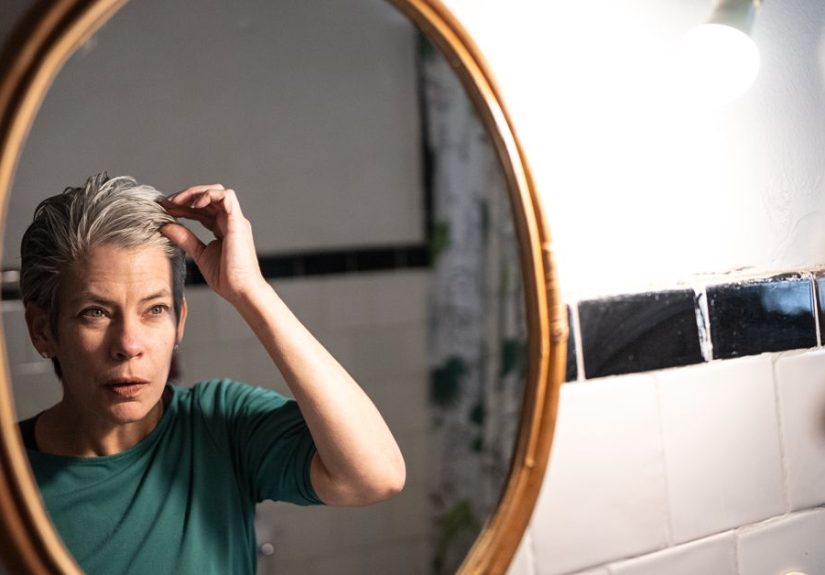
The next, you’re squinting at the mirror wondering, “Was that patch always
that thin?” or “When did all this silver show up?” Aging hair is normal, but
it can still be a shock. The good news: understanding what’s happening (and
what you can do about it) makes the whole process a lot less stressfuland
maybe even a little empowering.
In this guide, we’ll walk through how hair changes as we get older, the most
common causes of thinning and graying, evidence-based treatments that really
help, and everyday hair-care tweaks that can make aging hair look fuller,
shinier, and healthier.
Why Hair Changes as We Age
Hair doesn’t just “get old” on its own. It’s attached to your scalp, after
all, and that scalp is part of your skin. As your body changes with age,
your hair follicles change too. That affects how thick your hair is, how
fast it grows, and what color it decides to be.
Thinning and Reduced Density
Many people notice their hair gradually looks less dense over time. That
doesn’t always mean you’re going bald. In a lot of cases, each individual
hair strand simply grows back thinner. This “miniaturization” of follicles
is a key feature of androgenetic alopecia (male- or female-pattern hair
loss), the most common type of age-related hair loss.
In men, this often shows up as a receding hairline and thinning at the
crown. In women, it usually appears as diffuse thinning on the top of the
scalp and a widening part, while the frontal hairline is mostly preserved.
Over 50, this pattern becomes increasingly common for all genders.
There’s also something called senescent alopecia, which is
essentially age-related hair thinning that isn’t strongly tied to hormones.
It typically shows up after age 60 as an overall reduction in hair density
even in people without a strong family history of pattern baldness.
Why Hair Turns Gray
Gray hair is one of the earliest and most visible signs of getting older.
Hair gets its color from pigment-producing cells called melanocytes inside
each follicle. Over time, these cells make less pigment and eventually shut
down. When that happens, hair grows in gray, silver, or white.
On average, people start seeing grays in their 30s or 40s, but genetics play
a huge role. Some people see silver strands in their 20s; others stay mostly
pigmented into their 60s. While lifestyle factors like smoking and chronic
stress may speed up graying, there’s currently no proven way to permanently
“reverse” natural age-related gray hair. At best, emerging research hints
that future therapies might slow graying, but we’re not there yet.
Texture, Dryness, and Frizz
Remember when your hair used to behave? Aging can change that, too.
Hair-producing follicles and oil glands become less active over time, so
your scalp produces less sebum. Less natural oil means hair can feel drier,
rougher, and more brittle.
You may notice:
- More frizz and flyaways
- Hair that tangles and breaks easily
- Ends that look frayed or split even with regular trims
In some people, hair feels coarser or wirier; in others, it feels finer and
more fragile. Both are normal variations of the same aging process.
Hormones, Menopause, and Hair
Hormones are major players in how hair behaves over a lifetime. During
menopause, levels of estrogen and progesterone drop. These hormones help
support hair growth and keep follicles in the active growth (anagen) phase
longer, so when they decline, hair may shed more easily and grow back more
slowly.
Two common hair issues around menopause are:
-
Female-pattern hair loss (FPHL): Thinning on the crown
and a widening part. -
Telogen effluvium: A temporary increase in shedding,
often triggered by hormonal shifts, illness, surgery, or major stress.
These changes can be emotionally toughyour hair is a big part of how you
present yourself to the world. The upside: there are more treatment options
now than ever before.
Common Age-Related Hair Concerns
As you get older, you might notice one or more of these issues:
- Thinning or a visible scalp through the hair
- Increased shedding in the shower or on your brush
- Gray or white hair replacing your natural color
- Hair that’s dry, dull, or breaks easily
- Scalp dryness, flaking, or itchiness
- Unwanted facial hair (especially on the chin or upper lip)
- Thicker brow, nose, or ear hair in some men
None of these automatically mean something is “wrong,” but if changes are
sudden, patchy, or severe, it’s smart to get a medical evaluation.
Evidence-Based Treatments for Thinning Hair
Walk down any beauty aisle and you’ll see shelves of “miracle” hair-growth
products. Some are helpful; many are just expensive hope in a bottle.
Let’s focus on the treatments that have the best evidence behind them.
Topical Minoxidil
Minoxidil is the only over-the-counter medication approved
in the U.S. for pattern hair loss. It comes in liquid, foam, or sometimes
shampoo formulations, typically in 2% and 5% strengths.
How it helps:
- Extends the growth phase of hair follicles
- Can increase hair thickness and density over time
- Works for both men and women with androgenetic alopecia
It’s not instantmost people need three to six months of consistent use
before judging results. Some mild irritation or shedding early on can occur,
but that usually improves. The catch: you have to keep using it to maintain
the benefits. Once you stop, hair usually returns to its baseline pattern
over several months.
Oral Medications: Finasteride, Dutasteride, and More
For many men, oral medications like finasteride and
sometimes dutasteride are highly effective for slowing
androgenetic alopecia. They work by blocking the conversion of testosterone
into dihydrotestosterone (DHT), the hormone that contributes to follicle
miniaturization.
In women, oral DHT-blocking medications are used more cautiously and usually
only under specialist supervision. For women, especially those with
hormonally driven thinning, doctors may also prescribe:
-
Spironolactone (an androgen blocker sometimes used off
label for female-pattern hair loss) -
Low-dose oral minoxidil (not FDA-approved for hair loss but increasingly
used by dermatologists in selected patients)
These medications can have side effects and are not right for everyone, so
they should always be discussed with a healthcare professional rather than
started on your own.
Low-Level Laser Therapy (LLLT) and In-Office Procedures
Low-level laser therapy devices (helmets, caps, combs) use
specific wavelengths of light to stimulate follicles and improve hair
density. Research suggests they can help some people with pattern hair loss,
especially when used together with minoxidil or other treatments.
Dermatologists may also offer:
-
Platelet-rich plasma (PRP) injections, which use a
patient’s own platelets to potentially boost follicle activity -
Microneedling combined with topical medications to
enhance absorption - Hair transplantation for more advanced, stable hair loss
These options are more costly than at-home treatments, but for some people
they’re worth considering, especially when hair loss is significantly
affecting confidence or quality of life.
When Hair Loss Signals Something Else
Not all hair loss in older adults is due to aging or hormones. Sudden,
patchy, or scarring hair loss can indicate other issues such as:
- Alopecia areata (an autoimmune condition)
-
Scarring alopecias (a group of disorders that can destroy
follicles if untreated) - Thyroid disease, anemia, or other systemic illnesses
If your hair loss is rapid, appears in circular patches, is accompanied by
itching, burning, or visible scalp changes, or if you have other health
symptoms, see a dermatologist or your primary care provider promptly.
Everyday Hair-Care Tips for Aging Hair
Think of aging hair as “delicate vintage fabric” rather than “indestructible
gym towel.” The way you care for it matters even more now.
Be Gentle When Washing and Styling
-
Choose a mild, sulfate-free shampoo if your hair is dry
or color-treated. -
Use a moisturizing conditioner from mid-lengths to ends
to reduce tangling and breakage. - Pat or squeeze hair dry with a soft towel instead of rubbing.
-
Limit high-heat styling tools. Use the lowest effective temperature and a
heat protectant product when you do. -
Avoid very tight hairstyles (tight ponytails, braids, buns) that pull on
fragile follicles and can cause traction alopecia.
Smart Hair Coloring After 40, 50, and Beyond
You’ve got options: embrace your natural gray, blend it, or cover itthere’s
no “right” choice, just what makes you feel like yourself.
-
If you color, ask your stylist about
ammonia-free or low-ammonia formulas. -
Consider highlights or lowlights instead of all-over
single-process color for a softer grow-out and less scalp stress. -
Stretch out appointments when you can; coloring less often is kinder to
aging hair. -
If you’re going silver, a good cut and shine-enhancing products can make
gray hair look intentional and chic rather than “I gave up.”
Choosing Products That Support Aging Hair
Look for:
-
Lightweight, volumizing shampoos and conditioners if your
hair is fine or thinning -
Bond-building or strengthening treatments to help reduce
breakage from old color or heat damage -
Leave-in conditioners or serums with hydrating
ingredients to smooth frizz -
Scalp-friendly formulas that avoid heavy buildup of
silicones or oils at the roots
You don’t need an overflowing cabinet, just a small lineup that matches your
hair type (fine, medium, coarse; straight, wavy, curly, coily) and your main
concern (dryness, frizz, volume, color care).
Nutrition, Lifestyle, and Hair Health
Hair is not a “vital organ,” so your body does not prioritize it when
nutrients are in short supply. That’s why serious nutritional deficiencies
can show up as hair shedding, dullness, or slowed growth.
Key Nutrients for Healthy Hair
Research suggests that deficiencies in certain nutrients can contribute to
hair problems. Some of the big ones include:
-
Protein: Hair is mostly protein (keratin). Extremely low
protein intake can cause shedding. -
Iron: Low iron stores are linked with increased hair loss
in some people, especially pre- and perimenopausal women. -
Vitamin D: Low vitamin D has been associated with several
hair disorders. -
Vitamin C: Helps with iron absorption and provides
antioxidant support. -
B vitamins (including B12 and folate): Important for
overall cell growth and energy metabolism. -
Omega-3 fatty acids: Support scalp health and may help
reduce inflammation.
You can get these from a balanced diet that includes foods like eggs, fatty
fish, nuts, seeds, lean meats, beans, yogurt, leafy greens, and colorful
fruits and vegetables.
Should You Take Hair Supplements?
Here’s the less glamorous truth: for most people without documented
deficiencies, there’s limited evidence that high-dose hair
supplements make a big difference.
-
Biotin can help if you’re actually deficientbut true biotin deficiency is
rare and large doses may interfere with lab tests. -
Over-supplementing vitamins A, E, or selenium has been linked to
more hair loss in some cases. -
Many dermatologists focus on targeted correction of deficiencies (like
iron or vitamin D) confirmed by blood tests rather than “shotgun” megadose
supplements.
If you’re curious about supplements, talk with your healthcare provider
first. They can order labs and help you choose what’s truly helpful instead
of guessing based on marketing.
Lifestyle Habits That Support Aging Hair
A few non-negotiables for long-term hair health:
-
Manage stress: Severe or chronic stress can push more
hairs into the shedding phase. -
Get enough sleep: Your body does a lot of repair and
regeneration work overnight. -
Don’t smoke: Smoking is linked to earlier graying and
hair thinning. -
Protect your scalp from sun: A hat or scalp-safe
sunscreen helps protect aging scalp skin, which supports healthier
follicles.
When to See a Dermatologist or Hair Specialist
Aging hair is usually gradual. It’s time to get a professional involved if
you notice:
- Sudden, heavy shedding over weeks to months
- Patchy bald spots
- Red, scaly, or painful scalp
- Hair loss along with weight changes, fatigue, or other health issues
- No improvement after several months of good hair care and OTC treatments
A dermatologist can:
- Check your scalp and hair with specialized tools
- Order blood work to look for nutritional or hormonal problems
- Recommend evidence-based treatments tailored to your situation
- Rule out conditions that need urgent treatment
Living Confidently With Aging Hair
There’s no rule that says you must fight every sign of aging hair. You can
treat, tweak, disguise, or fully embrace itor switch it up whenever you
feel like it.
A few confidence-boosting ideas:
-
Work with a stylist who understands aging hair and can design a cut that
adds volume and movement. -
Experiment with shorter lengths, bangs, or layers to make thinning less
noticeable. -
If you enjoy color, use it creativelysoft highlights, gray blending, or
bold shades can all look fantastic. -
Don’t be afraid of hairpieces, toppers, or wigs. Today’s options can look
incredibly natural and give you instant “good hair day” energy.
Aging changes your hair, but it doesn’t have to shrink your style. With a
mix of realistic expectations, good science, and a little experimentation,
you can have hair that feels like you at every age.
Real-Life Experiences: What Aging Hair Looks Like Day to Day
To make all this science and advice feel a bit more human, here are some
composite “snapshots” inspired by common experiences people share with
dermatologists, stylists, and support groups. Names and details are changed,
but the themes are very real.
Maria, 52: The Widening Part
Maria used to have thick, wavy hair that stylists envied. In her early 50s,
she started noticing more scalp peeking through when she pulled her hair
back. At first she blamed her new shampoo. Then, as the widening part
refused to go away, she realized something else was going on.
Her dermatologist diagnosed early female-pattern hair loss and mild iron
deficiency. Together they came up with a plan: topical minoxidil, iron
supplements, and a shorter layered cut that added volume. Maria stopped
flat-ironing every day and switched to air drying most of the time. Six
months later, she still had some thinning, but her hair looked fuller and,
more importantly, she didn’t dread looking in the mirror anymore.
James, 63: From Comb-Over to Confidence
James had been slowly losing hair along his hairline since his 30s. By his
60s, the comb-over he’d relied on for decades no longer felt convincing. His
adult daughter finally said, “Dad, your hairline isn’t fooling anyone. What
if we go talk to someone about real options?”
After a consultation, James decided to start oral finasteride and use a
laser cap a few times a week. His dermatologist was honest: they probably
wouldn’t regrow the hair he’d lost years ago, but they could help slow
further loss and improve coverage on the crown. At the same time, James
worked with a barber to adopt a shorter, more modern cut that didn’t try to
hide his hairline.
He still jokes about his “high forehead,” but now it comes with a shrug
instead of embarrassment. He’s learned that people respond far more to his
confidence than to the exact number of hairs on his head.
Lena, 45: Premature Grays and Professional Stress
For Lena, the first grays showed up in her late 30s. By 45, her temples were
noticeably silver. As a manager in a competitive field, she worried gray
hair would make her look “past her prime” next to younger colleagues.
Her colorist suggested a gray-blending strategy instead of full coverage:
soft highlights that interwove her natural color and silver strands so
grow-out lines were softer. They also created a glossing routine to keep her
hair shiny and smooth, which made the silver look intentional and stylish.
At the same time, Lena worked on her sleep schedule and stress management.
She noticed that when she burned the candle at both ends, her hair (and
skin) always looked worse. Now she jokes that her bedtime is part of her
“anti-frizz strategy.”
What These Stories Have in Common
None of these people found a magic cure for aging hairbut each of them:
- Got curious instead of just frustrated
- Asked for professional help when they needed it
-
Made small, sustainable changes to how they treated their hair and overall
health -
Found a look and routine that suited who they are now, not who they were
at 22
That’s really the heart of aging with grace: not pretending time isn’t
passing, but working with it. Your hair will evolve as you get older. With
the right information and a bit of trial and error, you can let it change
and still love how it looks.