Table of Contents >> Show >> Hide
- What the V60 Is (and Why Everyone Keeps Talking About It)
- Why Ceramic? The Cozy Sweater Version of a V60
- Picking the Right Size (01 vs 02 vs 03) Without Overthinking It
- A Repeatable Brew Recipe (That Won’t Make You Hate Mornings)
- How to Dial In: Make the V60 Work for Your Coffee
- Water, Filters, and Other Unsexy Details That Change Everything
- Cleaning and Care: Keep It Nice (and Not Weird)
- V60 vs Other Pour-Over Brewers: Why Choose the Ceramic V60?
- Real-World Experiences With the Hario V60 Ceramic Coffee Dripper (Extra Notes From Daily Brewing Life)
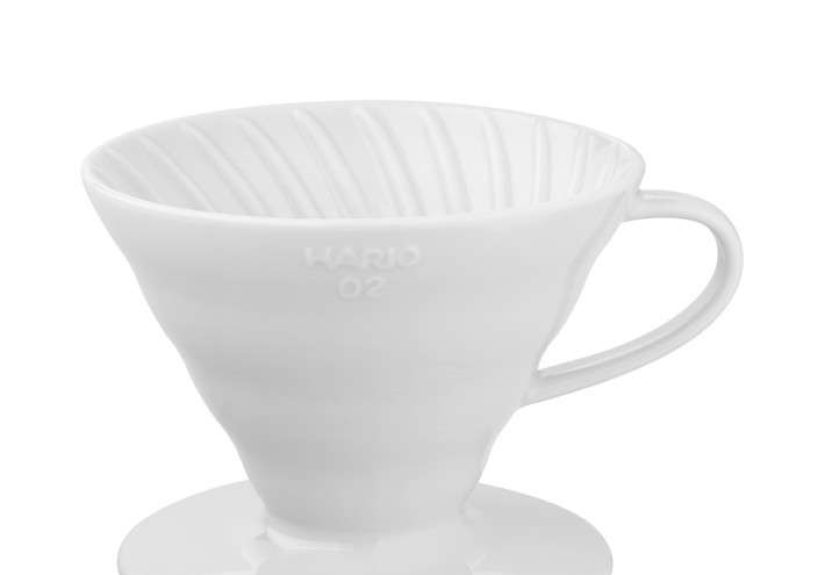
If coffee gear had a “most likely to turn your kitchen into a tiny café” award, the Hario V60 Ceramic Coffee Dripper
would be standing on the podium, waving politely, and insisting it’s “just a humble cone.” Sure. And a gooseneck kettle is “just a kettle.”
The ceramic V60 is a classic pour-over brewer: simple enough to understand in five minutes, deep enough to obsess over for five years.
It’s also oddly honest. Brew it well and it will reward you with a bright, clean cup that tastes like the coffee you bought on purpose.
Brew it poorly and… it will still taste like the coffee you bought on purpose, plus a little chaos.
What the V60 Is (and Why Everyone Keeps Talking About It)
The V60 is a cone-shaped pour-over dripper designed for paper filters. Its reputation comes from one big idea:
give the brewer minimal “training wheels”, then let the person holding the kettle control the final flavor.
The design features that actually matter
-
Conical shape: A cone encourages water to flow toward the center of the coffee bed, which can increase contact time
and highlight aromatics when dialed in. -
Spiral ribs: Ridges along the wall help keep the filter from sealing to the dripper and allow airflow, which supports
smoother draining and room for the grounds to expand during blooming. -
Single large opening: Instead of restricting flow with multiple small holes, the V60’s open outlet puts more “flow control”
in your handspour faster for a lighter body, or slow down for more extraction and weight.
In other words: the V60 is less “push button, receive coffee” and more “tiny physics lab, but delicious.”
Why Ceramic? The Cozy Sweater Version of a V60
The V60 comes in multiple materials (plastic, glass, metal, ceramic). The ceramic V60 is popular because it feels substantial,
looks great on the counter, andonce warmed upcan help support stable brewing temperatures.
The ceramic upsides
-
Thermal stability (after preheating): Ceramic has meaningful thermal mass. Once it’s hot, it tends to stay hot,
helping keep brewing temperature steadier. - Durability in daily use: It’s sturdy for regular brewing and rinsing (though it’s still ceramicdon’t juggle it).
-
It’s genuinely beautiful: Hario’s ceramic V60 is often described as Arita-yaki style ceramicstraditional Japanese ceramics
with a long craft historyso it can feel like functional art that happens to make coffee.
The ceramic “gotchas”
-
It must be preheated: Cold ceramic can steal heat from your brew water fast. The fix is easy: rinse the filter with hot water,
and let that water warm the dripper and server before you brew. - It’s breakable: Ceramic survives a lot. Gravity survives everything. Use a stable surface and treat it like you would a favorite mug.
Bottom line: choose ceramic if you want a classic feel, countertop-friendly aesthetics, and temperature stability once preheated.
If you want maximum practicality for travel or speed, plastic is often chosen by many brewersdifferent tools, same V60 idea.
Picking the Right Size (01 vs 02 vs 03) Without Overthinking It
V60 sizes mainly affect how much coffee you can comfortably brew at once. The most common home size is 02,
which is roomy enough for a single big mug or a couple smaller cups.
Quick sizing guide
- Size 01: Great for 1 cup and smaller doses (think ~10–15g coffee).
- Size 02: The “do most things well” size (often ~15–30g coffee).
- Size 03: Better for larger batches (often ~30g+ coffee), if your kettle game is strong.
Practical advice: if you’re buying your first ceramic V60, 02 is the safe bet. It’s widely supported with filters,
recipes, and accessories.
What you’ll need (minimal but mighty)
- Hario V60 Ceramic Dripper (pick your size)
- V60 paper filters (match the size)
- Scale (grams make life easier)
- Burr grinder (consistency matters more than fancy marketing)
- Kettle (gooseneck helps, but any kettle can work with practice)
- Timer (your phone is fine; it already judges you anyway)
A Repeatable Brew Recipe (That Won’t Make You Hate Mornings)
The internet has approximately 9,000 V60 recipes. Many are excellent. Some are… enthusiastic.
Here’s a simple, repeatable baseline you can dial in from.
Baseline recipe (great starting point)
- Coffee: 20g
- Water: 320g (a 1:16 ratio)
- Water temperature: 195–205°F (start around ~200°F)
- Grind: medium-fine (like table salt leaning slightly finer)
- Total brew time: ~2:45–3:45 (use this as a clue, not a law)
Step-by-step brew method
-
Rinse and preheat: Place the filter in the dripper, rinse thoroughly with hot water,
then discard the rinse water. This removes paper taste and warms the ceramic. -
Add coffee and level the bed: Add 20g ground coffee. Give the dripper a gentle shake to flatten the surface.
You’re not performing a ritualjust creating an even bed. -
Bloom (0:00–0:40): Start the timer. Pour ~40–60g water, saturating all grounds.
Let it bloom until about 30–45 seconds. (Yes, this is the part where the coffee “breathes.”) -
Main pours (to 320g): Continue pouring in smooth spirals, keeping the water level relatively steady.
Aim to reach 320g by about 1:45–2:15. -
Drawdown: Let the water finish dripping through. If your total time is wildly outside the range,
adjust grind size before you rewrite your whole life philosophy.
Want real-world reference points from respected roasters? Many publish V60 approaches that land in a similar neighborhood:
some emphasize a 1:16–1:17 ratio, water around 200°F, and structured pours that finish in a few minutes.
The details varybecause coffee varies.
How to Dial In: Make the V60 Work for Your Coffee
Dialing in is just a fancy way of saying: “Adjust one thing at a time until it tastes good.”
The V60 makes those adjustments obvioussometimes aggressively obvious.
If it tastes sour, thin, or sharply acidic
- Go a bit finer to increase extraction.
- Pour a bit slower (or add a small extra pulse pour) to increase contact time.
- Use hotter water (especially for lighter roasts).
If it tastes bitter, harsh, or drying
- Go a bit coarser to reduce extraction.
- Pour with less agitation (gentler spirals, avoid splashing the sides).
- Consider slightly cooler water or a slightly shorter brew time.
If it stalls or drains painfully slowly
- Coarsen the grind a notch or two (fines can clog the filter).
- Pour lower and gentler to avoid over-agitating the bed.
- Check your filter seating (make sure it isn’t folded weirdly against the ribs).
If it drains too fast and tastes weak
- Grind finer or increase dose slightly.
- Use a tighter pour structure (more controlled pulses instead of one big flood).
- Confirm your ratio (accidentally brewing 1:18 when you wanted 1:16 is a classic).
The secret is boring and true: the V60 rewards consistency. Same dose, same water, same pouring rhythm,
then adjust one variable at a time. Your future self will thank you. Quietly. While sipping.
Water, Filters, and Other Unsexy Details That Change Everything
Water temperature and quality
Many respected brew guides place pour-over water roughly in the 195–205°F range. If your coffee tastes flat,
try a bit hotter (especially for light roasts). If it tastes rough and bitter, try a touch cooler.
Water quality matters, too. If your tap water tastes like a swimming pool had a midlife crisis, your coffee will not rise above it.
Filtered water is a simple upgrade; some coffee folks even use mineral recipes to keep things consistent.
Filters: pick one and be consistent
V60 paper filters come in the sizes that match your dripper. Beyond size, you’ll see bleached vs unbleached options and different packaging.
Rather than spiraling into filter forums at 1 a.m., pick a reputable filter you can get consistently, rinse it well, and focus on grind and pouring.
Cleaning and Care: Keep It Nice (and Not Weird)
- Daily: Knock out the filter, rinse the dripper with warm water, let it air dry.
- Weekly-ish: Wash with mild dish soap and a soft sponge. Avoid abrasive scrubbers that can dull the finish.
- Deep clean: If coffee oils build up, a gentle soak and thorough rinse helps. (Your nose will tell you when it’s time.)
Ceramic is easy to keep clean, but it can chip if you clang it against the sink like you’re playing kitchen percussion.
Treat it like a favorite bowl: confidently, but not recklessly.
V60 vs Other Pour-Over Brewers: Why Choose the Ceramic V60?
The V60 is known for clarity and brightness when brewed well. Compared with flat-bottom brewers (which often emphasize even flow and can feel
more forgiving), the V60 leans into control. It can deliver sparkling, high-definition flavorbut it will also reveal inconsistency quickly.
Choose the ceramic V60 if you want:
- Maximum control over flow rate and extraction
- A clean, aromatic cup with the potential for high clarity
- A brewer that looks good enough to live on the counter
Consider alternatives if you want:
- Extra forgiveness while learning (some flat-bottom brewers feel easier at first)
- Big-batch aesthetics (hello, Chemex vibes)
- Immersion-style flexibility (hybrid brewers can be more “set and relax”)
But if you enjoy the ritualgrind, rinse, bloom, pour, sipthe V60 ceramic dripper is the kind of tool you can grow with for years.
Real-World Experiences With the Hario V60 Ceramic Coffee Dripper (Extra Notes From Daily Brewing Life)
In day-to-day use, the ceramic V60 tends to become part brewer, part morning mood-setter. Many people start with the romantic idea that
pour-over will feel like a calm, mindful ritualand then they meet the reality of a Monday morning where the kettle takes forever and the dog
is barking like it has a subscription to drama. The ceramic V60 still fits surprisingly well into real life, but it does ask for one thing:
repeatable habits.
The biggest “aha” moment for most new ceramic V60 owners is preheating. The first cup can taste mysteriously underwhelming
if the dripper is cold and soaking up heat. Once you start rinsing the filter with purpose (and letting that hot water warm the dripper and
whatever it’s sitting on), the coffee often snaps into focussweeter, clearer, and more balanced. It’s not magic. It’s temperature.
But it feels like magic, which is honestly part of the fun.
Another common experience: the ceramic V60 makes you care about your grinder in a way you didn’t expect. A consistent grind is the difference
between “bright and juicy” and “why does this taste like lemon rind and disappointment?” People often notice that when the grind is too fine,
the brew can stall; too coarse, and it finishes fast and tastes thin. The V60 is basically a friendly coach who says, “Great effortnow do it
again, but slightly better.” Over time, that feedback loop is why so many folks keep coming back to it.
On the pouring side, most everyday brewers settle into a style that matches their schedule. Some prefer pulse pours because it feels structured
and consistent (“I pour at these times, to these weights, like a responsible adult”). Others like a smoother continuous pour because it feels
relaxing and reduces the stop-and-start agitation. The ceramic V60 doesn’t force a single method; it just makes the results obvious.
That flexibility is a big part of its longevity as a tool: you can brew one way when you’re learning, then evolve your technique as your taste
and curiosity grow.
There’s also the countertop factor. The ceramic V60 is frequently the brewer that stays out because it looks goodclean lines, classic shape,
and that “yes, I do have hobbies” energy. And because it’s ceramic, it often feels more “home” than ultra-light travel gear. The trade-off is
that you treat it like ceramic: you don’t toss it in a drawer full of metal utensils and hope for the best. Many people end up giving it a
dedicated spot, like a mug you’d be genuinely sad to break.
Finally, the ceramic V60 often becomes a social brewer in a subtle way. Not necessarily because it makes huge batches, but because the ritual is
visible: guests see the scale, the spiral pour, the bloom, the aroma. It’s coffee you can watch being made. And that little bit of theater
turns “Want coffee?” into “Want good coffee?”which is a very satisfying upgrade to ordinary adulting.
If you’re looking for a brewer that’s equal parts craft, control, and daily comfort, the Hario V60 Ceramic Coffee Dripper is a classic for a
reason. It won’t fix bad beans or a chaotic grind, but it will reward your effort with a cup that tastes intentionallike you meant to do that.