Table of Contents >> Show >> Hide
- Is there a specific hepatitis C diet?
- Best foods to eat with hepatitis C
- Foods and drinks to limit or avoid
- How to build a hepatitis C-friendly plate
- Special nutrition situations with hepatitis C
- A simple one-day sample menu
- What a smart hepatitis C diet really looks like
- Experiences people often describe when changing their diet with hepatitis C
- Conclusion
If you have hepatitis C, your liver is already doing a demanding full-time job with no lunch break, no paid vacation, and very little patience for nonsense. That means your diet matters. Not because food can magically “cure” hepatitis Cit cannotbut because the right nutrition can support liver function, help you maintain energy, protect muscle mass, reduce added stress on the liver, and make it easier to manage related issues such as fatigue, nausea, weight changes, insulin resistance, or cirrhosis.
The good news is that there is no weird, mystical, all-grapefruit hepatitis C diet. In most cases, the best eating pattern is refreshingly unglamorous: a balanced, mostly whole-food diet built around vegetables, fruit, high-fiber carbs, lean protein, healthy fats, and smart hydration. Think Mediterranean-style eating with fewer ultra-processed foods and zero interest in “detox teas.” Your liver does not need a cleanse. It needs consistency.
Is there a specific hepatitis C diet?
Not exactly. There is no single medical meal plan called the “hepatitis C diet.” Instead, most experts recommend a healthy, well-balanced pattern that supports liver health and your overall metabolism. That matters because hepatitis C can exist alongside other problems that also affect the liver, including fatty liver disease, high blood sugar, high cholesterol, excess body weight, or cirrhosis.
In plain English, that means your meals should help you do four things well:
- Nourish your liver without overloading it with alcohol, excess sodium, or highly processed food.
- Keep your energy steady with regular meals and better carbohydrate choices.
- Protect muscle mass with enough protein, especially if liver disease is advanced.
- Support a healthy weight without crash dieting, juice fasts, or trendy internet chaos.
Food supports the body. Medical treatment targets the virus. Those are teammates, not substitutes.
Best foods to eat with hepatitis C
1. Vegetables and fruit
These should be the backbone of your plate. Vegetables and fruit provide fiber, vitamins, minerals, antioxidants, and hydration. They also make it easier to crowd out foods that are high in added sugar, refined starch, and sodium.
Great choices include leafy greens, broccoli, carrots, bell peppers, tomatoes, berries, apples, oranges, and bananas. Frozen produce is also excellent. It is convenient, affordable, and far less judgmental than fresh spinach that wilts in two days.
A simple target is to fill half your plate with produce at lunch and dinner. If fatigue makes cooking harder, keep easy options on hand: baby carrots, salad kits, microwaveable vegetables, frozen berries, unsweetened applesauce, or pre-cut fruit.
2. Lean protein
Protein matters more than many people realize. When chronic liver disease progresses, people can lose muscle even if their weight does not change dramatically. That is one reason protein restriction is no longer the automatic advice it once was.
Smart protein options include:
- Fish and seafood that are fully cooked
- Skinless chicken or turkey
- Eggs
- Greek yogurt or cottage cheese if tolerated
- Beans, lentils, chickpeas, and soy foods
- Unsalted nuts and seeds
If you have advanced liver disease, eating enough protein may be especially important. Many people do better when they spread protein across the day instead of saving it all for dinner. Translation: the turkey sandwich at lunch is doing more work than you think.
3. Whole grains and high-fiber carbohydrates
Whole grains provide longer-lasting energy and can help with blood sugar control. That matters because metabolic issues such as insulin resistance and excess body fat can add more pressure to the liver.
Choose oatmeal, brown rice, quinoa, whole-grain bread, whole-wheat pasta, barley, beans, and high-fiber cereals more often than pastries, white bread, sugary cereal, and snack cakes pretending to be breakfast.
You do not need to fear carbs. You just want better carbs. The goal is steadier fuel, not a dramatic breakup with toast.
4. Healthy fats
Your body still needs fat. The better approach is to focus on quality. Olive oil, avocados, nuts, seeds, and fatty fish such as salmon or sardines can fit well into a liver-supportive eating pattern.
These foods are generally more helpful than a steady parade of fried foods, fast food, heavily processed meats, and snacks loaded with saturated fat. A drizzle of olive oil over vegetables is a better long-term strategy than pretending dry lettuce is a personality trait.
5. Low-fat or unsweetened dairy, if it works for you
Milk, yogurt, kefir, and fortified soy alternatives can provide protein, calcium, and vitamin D. Choose lower-sugar options when possible. Plain Greek yogurt with fruit is a strong choice. A dessert yogurt with more sugar than a cupcake? Less impressive.
6. Water and smart beverages
Hydration supports digestion, appetite, and overall well-being. Water should do most of the heavy lifting. Unsweetened tea can also fit. Coffee may be reasonable for many adults and has been associated in research with potential liver benefits, but it is not a treatment and it is not right for everyone. If caffeine worsens anxiety, reflux, palpitations, or sleep, your body has already filed a complaint.
Foods and drinks to limit or avoid
Alcohol: the big one
If you have hepatitis C, alcohol is the clearest dietary no. It can worsen liver inflammation and speed up liver damage. If you also have cirrhosis, the recommendation becomes even more serious: avoid alcohol completely. Beer, wine, liquor, “just one on weekends,” and “but it’s organic” do not get special immunity.
Highly processed, sugary, and fried foods
You do not need to eat perfectly, but foods high in added sugars, refined starches, and unhealthy fats should not dominate your routine. Think soda, energy drinks, candy, packaged pastries, deep-fried fast food, and frequent oversized desserts.
These foods can make weight management harder and may worsen metabolic problems that often travel with liver disease. A cookie is not a crisis. A diet built like a convenience-store speedrun is the issue.
Too much sodium, especially with cirrhosis or ascites
If hepatitis C has progressed to cirrhosis and fluid retention is a problem, sodium becomes a major focus. Many clinicians recommend limiting sodium to around 2,000 milligrams a day for people with ascites. That means salty processed foods can get you into trouble fast.
Common sodium traps include canned soups, deli meats, instant noodles, chips, frozen meals, pizza, pickles, olives, soy sauce, bottled sauces, and restaurant meals that taste suspiciously amazing for a reason.
Use herbs, garlic, pepper, lemon, vinegar, and salt-free seasoning blends to build flavor instead.
Raw or undercooked shellfish and other risky foods
If you have cirrhosis or advanced liver disease, avoid raw or undercooked shellfish, fish, and meat, along with unpasteurized dairy products. These foods can carry bacteria or viruses that may cause serious infections in people with liver disease. Raw oysters are a particularly bad gamble. Your liver does not need “adventure cuisine.”
Unproven supplements and detox products
Many people with hepatitis C wonder about milk thistle, liver detox powders, herbal cleanses, or “immune support” capsules. The problem is that supplements marketed for hepatitis C have not been shown to cure the disease, and some products may even harm the liver or interact with medications.
If you are considering any supplement, ask your clinician or pharmacist first. “Natural” is not the same thing as harmless. Poison ivy is natural too.
How to build a hepatitis C-friendly plate
A practical meal formula can make daily eating much easier:
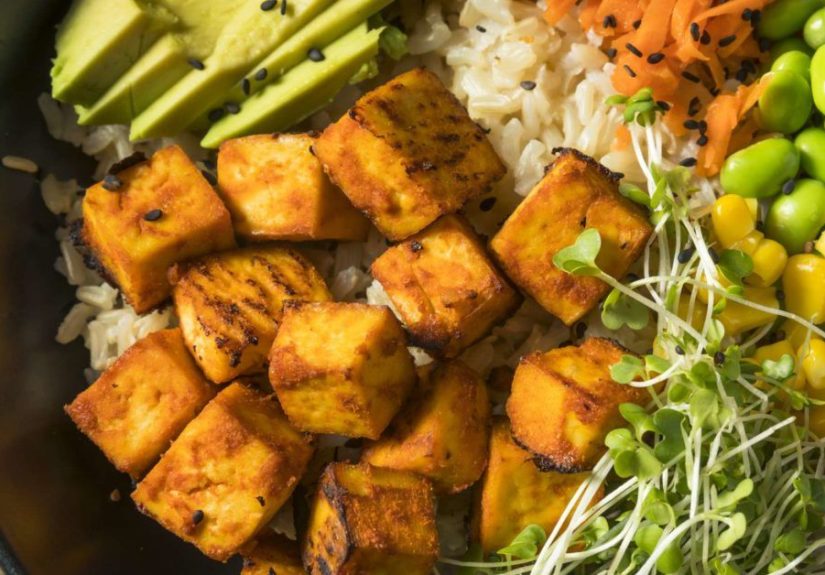
- Half the plate: non-starchy vegetables or fruit
- One quarter: lean protein
- One quarter: whole grains or other high-fiber carbs
- Add: a healthy fat in a moderate portion
Here are a few examples:
- Grilled salmon, brown rice, roasted broccoli, and berries
- Chicken and vegetable stir-fry with less-sodium seasoning over quinoa
- Lentil soup, a side salad, whole-grain toast, and plain yogurt
- Oatmeal topped with walnuts and blueberries, plus an egg on the side
- Turkey sandwich on whole-grain bread with spinach, tomato, fruit, and water
Special nutrition situations with hepatitis C
If you have poor appetite or nausea
Eat smaller meals more often instead of waiting for three large meals. Bland, simple foods may go down more easily: toast, oatmeal, rice, bananas, applesauce, soup, yogurt, eggs, or crackers with peanut butter. Keep easy, nutritious foods nearby so you do not default to whatever comes in the loudest package.
If you have cirrhosis
You may need more individualized nutrition support. Some people with cirrhosis benefit from a bedtime snack or a late-evening mini-meal to avoid long overnight fasting and protect muscle mass. Protein is still important. In many cases, cutting protein too aggressively is outdated advice.
You may also need sodium restriction, fluid guidance, and closer monitoring if you have ascites, swelling, or hepatic encephalopathy. This is where a liver specialist and dietitian earn their keep.
If you have diabetes, fatty liver, or extra weight
A hepatitis C diet should also support metabolic health. That often means reducing sugary drinks, cutting back on heavily processed foods, choosing high-fiber carbs, and paying attention to portion sizes without turning every meal into a math quiz.
Gradual weight loss, if recommended by your clinician, is usually more helpful than crash dieting. Fast, extreme restriction can backfire, especially if it causes muscle loss or leaves you undernourished.
A simple one-day sample menu
Breakfast
Oatmeal cooked with milk or fortified soy milk, topped with blueberries, chia seeds, and a spoonful of walnuts; coffee or tea if tolerated
Lunch
Grilled chicken salad with mixed greens, cucumber, tomatoes, chickpeas, olive oil, and lemon; whole-grain roll; apple
Snack
Plain Greek yogurt with sliced strawberries
Dinner
Baked salmon, quinoa, green beans, and roasted carrots
Evening snack
Whole-grain crackers with hummus, especially if your care team recommends avoiding long fasting overnight
What a smart hepatitis C diet really looks like
The best hepatitis C foods are not exotic, expensive, or hidden behind a wellness influencer’s paywall. They are the basics done consistently: vegetables, fruit, lean proteins, whole grains, beans, nuts, healthy fats, and enough calories and protein to keep you strong. The biggest red flags are alcohol, risky supplements, too much sodium if cirrhosis is present, and a diet built mostly from sugar-heavy or ultra-processed foods.
In other words, if a food pattern would make sense for your heart, blood sugar, and long-term energy, it probably makes sense for your liver too. Boring? Maybe. Effective? Usually yes.
Experiences people often describe when changing their diet with hepatitis C
Many people with hepatitis C say the hardest part is not learning what to eat. It is learning how to eat consistently when energy is low, appetite is unpredictable, and every search result online sounds like it was written by either a scientist or a guy trying to sell powdered leaves.
One common experience is realizing that “healthy eating” does not have to be dramatic. People often start by making just a few practical swaps: water instead of soda, oatmeal instead of pastries, grilled chicken instead of fried takeout, fruit instead of candy during the afternoon slump. Those changes may sound small, but they can make meals feel steadier and less chaotic. Some people notice that their energy becomes more predictable when they stop skipping meals and start eating a little protein earlier in the day.
Another common theme is that alcohol becomes a line in the sand. For some, that is emotionally harder than changing food. Social habits are powerful, and many people say they did not realize how often drinking was built into dinners, celebrations, or stress relief until they had to stop. But once that shift happens, people often describe a sense of clarity: protecting the liver stops feeling abstract and starts feeling personal.
People with more advanced liver disease often talk about how important meal timing becomes. Instead of eating one huge dinner and little else, they may do better with breakfast, lunch, dinner, and one or two smaller snacks. Some say a bedtime snack helps them wake up feeling less drained. Others learn that salty convenience foods make swelling worse, so they begin reading labels more carefully than they ever expected. Suddenly, soup, sauces, deli meats, and frozen meals stop looking innocent.
There is also the supplement phase, which a lot of people go through. Someone recommends milk thistle. Someone else swears by turmeric shots, mushroom powders, or a “liver detox” that costs as much as a utility bill. Many patients eventually discover that a balanced diet and medically guided treatment are more reliable than expensive hope in a bottle. That can be frustrating, but it can also be freeing. Real health is often less glamorous and more repeatable.
Perhaps the most encouraging experience people describe is this: once they stop chasing a perfect diet, eating gets easier. They begin aiming for patterns instead of purity. More home-cooked meals. More produce. More protein. Less sodium. No alcohol. Fewer ultra-processed foods. More common sense, less internet theater. And over time, that steady approach feels doable enough to stick withwhich, honestly, is where the real progress usually lives.
Conclusion
A hepatitis C diet is not about perfection, punishment, or pretending cauliflower is a personality. It is about giving your liver fewer obstacles and your body better support. Focus on whole foods, adequate protein, fiber-rich carbs, healthy fats, and hydration. Avoid alcohol. Be cautious with supplements. And if you have cirrhosis or other complications, tailor the plan with your medical team. The best diet is the one that protects your liver, fits your real life, and still leaves room for food to taste like food.