Table of Contents >> Show >> Hide
- What “Stung…” Is (Without Spoiling the Best Punchlines)
- Why “Getting Stung” Makes Great Comedy (and Surprisingly Good Storytelling)
- Quick Reality Check: Bee vs. Wasp vs. “Whatever That Was”
- Sting First Aid: The Calm Checklist
- Pollinators, Not Punchlines: The Respectful Undercurrent of “Stung…”
- How the Comic Was Built: Craft Notes for Readers and Fellow Creators
- SEO-Friendly Posting Tips (Google + Bing Without the Keyword Gymnastics)
- FAQ: The Questions Everyone Asks After Reading “Stung…”
- Conclusion: A Tiny Sting, a Big Laugh, and a Better Way to Coexist
- Creator Notes: of Real-World-ish Experiences Behind “Stung…”
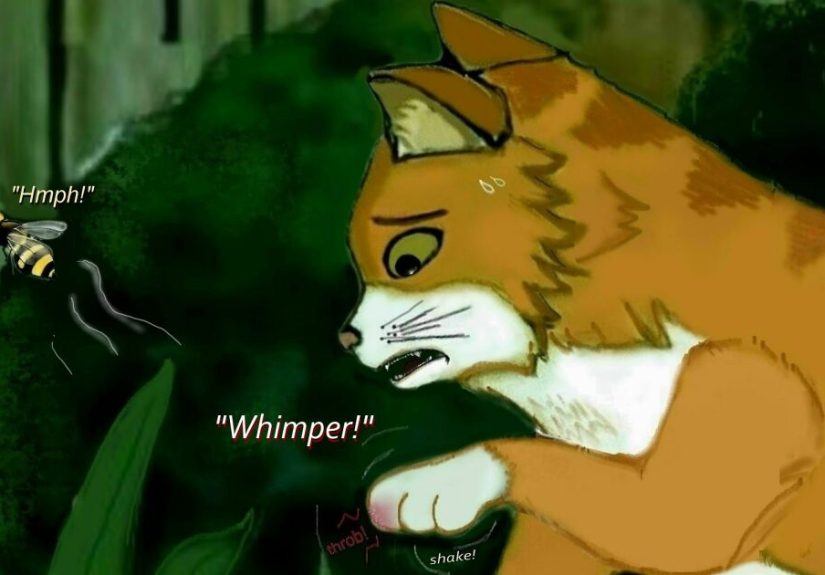
Welcome to Stung…my exclusive comic that starts with a tiny winged “boop” and escalates into a full-blown
human vs. insect misunderstanding. It’s funny, it’s a little dramatic, and it’s weirdly educational in the way
a snack-sized story can be when it bites back (or, you know… stings).
This post is the director’s cut: what the comic is, what it’s about, why the theme of “getting stung” works so well
for humor and heart, and a few real-world, non-alarmist facts to keep your curiosity safe and your skin calmer.
(Not medical advicejust practical, reputable info written like a human who has met a wasp at a picnic.)
What “Stung…” Is (Without Spoiling the Best Punchlines)
Stung… is a short, character-driven webcomic about a relatable protagonist who believes they are
“one with nature” until nature politely disagrees. The story kicks off with an everyday momentyard work, a sugary
drink, a barefoot decision that seemed brave at the timeand then comes the sting: sudden, sharp, and hilariously
inconvenient.
But the comic isn’t just “ow, my arm.” The real engine is the emotional aftershock: the panic spiral, the frantic
Googling, the dramatic overreactions, and the slow realization that most of our “enemy” moments with insects are
actually misunderstanding + proximity + snacks. In other words, it’s a comedy about boundaries.
The tone is playful and modern: quick beats, expressive faces, big reaction panels, and a narrator voice that
treats minor chaos like a blockbuster. If you like humor that has a point (and occasionally an ice pack), you’re
in the right hive.
Why “Getting Stung” Makes Great Comedy (and Surprisingly Good Storytelling)
1) A sting is instant conflict
Stories love a clean inciting incident. A sting is practically a screenwriter’s dream: it’s sudden, specific,
and it forces a reaction. There’s no “maybe something happened.” Something happened. It hurts. And your protagonist
can no longer pretend they’re fine.
2) The stakes are realbut the reactions are funnier
Most stings are painful and annoying, and for most people they resolve without major issues. That’s the sweet spot
for comedy: the body is shouting, the brain is catastrophizing, and the situation is objectively… a tiny creature
just ruined your whole vibe.
3) It’s a perfect metaphor for life
Sometimes you’re just going along andbamlife stings. You can spiral, you can learn, you can set boundaries, you
can build better habits. In Stung…, the sting is both literal and symbolic: a reminder that “pay attention”
is not a suggestion.
Quick Reality Check: Bee vs. Wasp vs. “Whatever That Was”
Here’s the part where we keep things accurate without turning your browser into a panic room.
Different stinging insects behave differently, and that matters both for safety and for storytelling.
Honey bees vs. many wasps: the “sting once” myth (and the real nuance)
You’ve probably heard: “Bees sting once; wasps sting repeatedly.” The basic idea often comes from a real difference:
honey bees have a barbed stinger that can get stuck, while many wasps have smoother stingers that don’t. That’s why
honey bees are commonly described as stinging once, while many wasps can sting multiple times.
In the comic, this becomes a running gag: the protagonist tries to identify the culprit with the confidence of a
nature documentary narratordespite having the observational skills of a shocked goldfish.
Why insects sting (hint: it’s rarely personal)
Stings are typically defensive. Some insects defend their nest; some react to being trapped against skin; some are
attracted to food and get into conflicts because humans flail like inflatable tube men. When you’re reading
Stung…, keep this in mind: the insect isn’t a villainit’s a tiny creature with a strong opinion about
“please stop touching me.”
Sting First Aid: The Calm Checklist
Important: If someone has signs of a severe allergic reaction (anaphylaxis)like trouble breathing,
throat tightness, widespread hives, dizziness/faintinguse prescribed epinephrine immediately (if available) and call
emergency services. Don’t “wait and see” with breathing.
For most mild, local reactions
- Move to a safe area so you don’t get stung again.
- Remove the stinger if it’s present.
- Wash with soap and water.
- Cold compress for swelling and pain (10–20 minutes, repeat as needed).
- Elevate the limb if you can.
- Itch control options (like calamine or low-strength hydrocortisone) can help if appropriate for you.
Know when it’s not “just a sting”
Seek urgent care or emergency help if symptoms spread beyond the sting site quickly, breathing is affected,
facial/lip swelling occurs, or the person feels faint/confused. If you have a known sting allergy, have an action
plan and keep your epinephrine device current and easy to access.
Pollinators, Not Punchlines: The Respectful Undercurrent of “Stung…”
Yes, Stung… is funny. But it’s not “bugs are evil.” The comic’s deeper joke is human arrogance:
we want nature to be cute, quiet, and scheduledlike a theme park with customer service.
Bees and other pollinators matter. Pollinator-friendly spaces can boost biodiversity, support gardens, and create
learning opportunities for communities. And pollination isn’t just a pretty flower thingit’s a foundational
ecological function tied to food systems and healthy landscapes.
How to coexist without becoming a buffet
- Cover sweet drinks outdoors (straw + lid = peace treaty).
- Wear shoes in grassy areas where insects forage.
- Move slowly if an insect is near you; frantic swats escalate.
- Be mindful of nestsgive them space and don’t “investigate.”
How the Comic Was Built: Craft Notes for Readers and Fellow Creators
Even if you’re “just here for the laughs,” you’ll feel the craft choices: timing, panel rhythm, and the way the
page “breathes” between beats. Here’s a peek at the creative logic behind Stung….
Panel pacing: comedy lives in the pause
A good reaction shot is basically a controlled delay. In Stung…, a sting isn’t one panelit’s a sequence:
setup → anticipation → impact → denial → bargaining → ice pack. The jokes land because the pacing gives your brain
half a second to go, “Oh no,” before the character does something worse.
Show, don’t tell (and don’t show + tell the same thing)
Comics do heavy lifting visually. If a character’s face already says “I regret everything,” the dialogue doesn’t
need to say “I regret everything.” The story stays snappy, the humor stays sharp, and readers feel like they’re
in on the joke instead of being handed a label for it.
Dialogue: fewer words, higher impact
Balloon space is precious real estate. I built the script so dialogue hits like a punchline, not like a paragraph.
When a line needs to be longer, the art gets quieter and the pacing slowsso your eyes have room to read without
tripping over the visuals.
Publishing basics (the unsexy stuff that saves your sanity)
- Accessibility: Add alt text for images so screen readers can follow along.
- Performance: Compress images so the page loads fast (slow comics don’t get read).
- Consistency: Keep a predictable update schedule if you plan to serialize.
- Copyright: Comics and cartoons typically fall under visual arts works for registration purposes in the U.S.
SEO-Friendly Posting Tips (Google + Bing Without the Keyword Gymnastics)
This page is built to be readable first and searchable second. That’s the only order that works long-term.
Here’s how to help search engines understand your comic page without stuffing keywords like you’re trying to
win a “most repetitive robot” award.
Use one clear H1 (and make it match user intent)
The H1 is your promise. “Here Is My Exclusive Comic ‘Stung…’” tells humans what they’ll get, and it tells search
engines what the page is about. Simple, honest, effective.
Write a meta description like a movie trailer
Search engines may use your meta description as the snippet, but they may also generate snippets based on the page’s
content and the user’s query. Either way, a good description is a strong invitation: what it is, why it’s fun,
and what problem it solves (in this case: “I want a funny comic and also I don’t want to be dumb about stings”).
Give images descriptive filenames and alt text
If you post the comic panels as images, don’t name them “final_final2_reallyfinal.png.” Use descriptive filenames
and helpful alt text. It’s better for accessibility, and it gives search systems more meaningful context.
FAQ: The Questions Everyone Asks After Reading “Stung…”
Is “Stung…” based on a true story?
It’s based on true human behavior, which is honestly the funniest kind of true. The specifics are fictional,
but the emotionsoverreaction, embarrassment, sudden respect for tiny creaturesare extremely real.
Does a bee always die after stinging?
The “bee stings once” idea is commonly associated with honey bees and their barbed stinger. Many wasps can sting
more than once. Nature is nuanced, and your skin is not a trivia boardso treat any sting with calm first aid and
watch symptoms.
What should I do if someone might be having an allergic reaction?
Treat it as urgent. If epinephrine is prescribed, use it immediately and call emergency services. If breathing,
throat swelling, or faintness is involved, don’t delay.
Why include real sting info in a comedy comic?
Because humor lowers defenses. Readers remember the laughand then they remember the calm checklist. That’s a win
for everyone, including your future self at a picnic.
Can I share this comic?
Share the link to the page, yes. If you want to repost panels, ask permission first. “I loved it” is flattering;
“I reposted it everywhere without asking” is… less flattering.
Conclusion: A Tiny Sting, a Big Laugh, and a Better Way to Coexist
Stung… is a comedy about that one moment when nature taps you on the shoulder and says, “Respectfully,
you are not in charge.” It’s light, it’s fast, and it’s meant to leave you with two things: a grin and a slightly
smarter relationship with the buzzing universe around you.
If you’re here as a reader: enjoy the ride, and may your outdoor snacks remain peaceful. If you’re here as a creator:
steal the principles, not the panelspacing, clarity, and a strong point-of-view will carry your work farther than
any gimmick ever could.
Creator Notes: of Real-World-ish Experiences Behind “Stung…”
I’m going to be honest: “writing a comic about getting stung” sounds like a cute premise until you start noticing
how often stinging insects show up in everyday life. The research phase was basically me walking outside and
discovering that nature has been here the whole time, doing nature things, without checking my calendar first.
The earliest spark for Stung… came from a scene I’ve watched play out a hundred ways: someone opens a sweet
drink outdoors, sets it down for two seconds, and suddenly they’re hosting an uninvited guest. The human response is
rarely calm. It’s a mix of heroic confidence (“I’ve got this”) and pure chaos (“I absolutely do not got this”).
That gapbetween how composed we imagine ourselves and how we actually behavebecame the comedy backbone.
Then there’s the emotional whiplash. One minute you’re annoyed at the insect, the next minute you’re Googling
“how long does swelling last” with the intensity of a graduate student defending a thesis. That’s where the tone
of the comic really formed: fast jokes, then a beat of sincerity, then another joke because your brain refuses to
process discomfort without adding a little drama.
The drawing experience was its own mini-adventure. You can’t just sketch “pain”you have to translate it into
readable body language. That meant exaggerating expressions, playing with panel size (big panel for impact,
tiny panels for rapid-fire panic), and letting silence do some work. One of my favorite tricks was the “pause panel”:
the character realizes what happened, says nothing, and the reader fills the silence with their own memories of
being betrayed by a tiny creature at the exact wrong time.
I also learned a very practical lesson while building the comic: prevention is mostly about not turning yourself
into an accidental invitation. Covered drinks. Shoes in the grass. Not swatting like you’re auditioning for a windmill
role. In a weird way, the comic made me calmer outside, because the story forced me to think like both sides:
the human who wants peace, and the insect who wants you to stop acting suspicious near its home.
Finally, the most “creator” experience of all: once you decide your comic is about stings, you start noticing stings
everywherein metaphors, in jokes, in daily annoyances, in the way small moments can derail big plans. That’s what I
hope readers feel when they finish Stung…: not fear, not gross-out, not “bugs are evil,” but a laugh of
recognition. Life stings sometimes. And we can still be funny, careful, and kindoften in that exact order.