Table of Contents >> Show >> Hide
In today’s digital age, where creativity is king and self-expression knows no bounds, one of the best ways to share your unique voice with the world is through art. Enter Bored Panda’s viral challenge, “Hey Pandas, Draw Your Very Own Character.” While this specific challenge may have been closed, it still offers a lasting legacy of inspiring people to tap into their imagination and create something truly their own. Whether you’re an experienced artist or a budding doodler, creating your own character allows you to explore storytelling, design, and personality all in one stroke of the pen.
What Was “Hey Pandas, Draw Your Very Own Character” About?
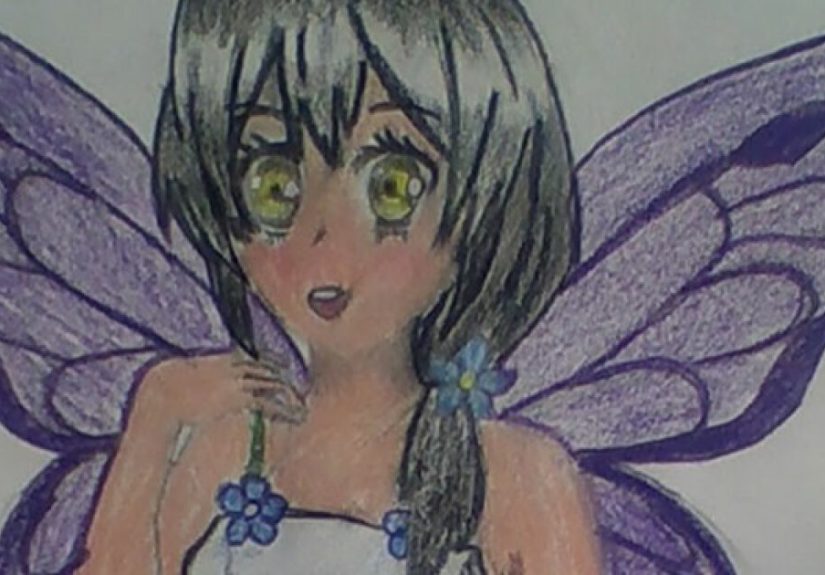
Bored Panda’s “Hey Pandas, Draw Your Very Own Character” challenge was a fun and interactive way for readers to showcase their artistic skills. The challenge invited people to create and share their original characters, from heroes and villains to everyday people or fantastical creatures. Participants were encouraged to give a personal touch to their designswhether through vivid colors, quirky personalities, or interesting backstories. This challenge became a creative playground for individuals to express who they are, while also providing a space for others to appreciate different art styles and ideas.
Although the challenge has now closed, its impact is still felt in the way it encouraged people to get creative. It not only gave artists a platform to share their work but also helped others discover new talents, giving everyone the chance to show off their characters and stories in a supportive, fun environment.
The Power of Drawing Your Own Character
Character design is more than just a visual art form; it’s a reflection of personal expression. When we create characters, we are effectively building worlds and personalities that communicate something about us. A well-designed character can tell a whole story without saying a word. Whether it’s through the character’s body language, facial expressions, clothing, or accessories, the little details reveal a lot about the artist’s vision and creativity. For example, an artist who designs a whimsical, bright-colored character may be trying to convey joy and optimism, while one who opts for darker tones might be telling a tale of mystery or conflict.
Furthermore, designing characters allows you to practice not only your drawing skills but also your storytelling abilities. Characters need personalities, motives, flaws, and goals. As you sketch and develop your character, you’re also developing their narrative. Why do they wear that specific outfit? What kind of environment would they thrive in? The more thought you put into these aspects, the more well-rounded and engaging your character becomes.
Why Character Design Matters to Art Enthusiasts
For both amateur and professional artists, creating your own character offers a sense of ownership and accomplishment. It’s a way to translate your inner world into something tangible, often sparking a deeper connection with art itself. Beyond just the technical skill involved in creating a character, the process of designing can help unlock new creative avenues. It encourages you to experiment with shapes, colors, and proportions, pushing the boundaries of traditional art forms. In essence, it’s a step toward developing a distinctive artistic style that reflects who you are as an individual.
Moreover, for those involved in animation, comics, or video game design, character creation is a vital part of the development process. Characters drive stories, and creating memorable ones is an essential skill for anyone interested in these fields. In fact, many of the world’s most iconic charactersfrom Mario to Wonder Womanowe their status not only to their design but to the creative minds behind them.
How to Create Your Own Character: Tips and Tricks
If you’re inspired to create your own character, there are a few tips to help you get started:
- Start with a Concept: Think about the character’s personality and backstory. What motivates them? What are their strengths and weaknesses? The story behind the character will influence their design and make them more engaging.
- Focus on Features: Pay attention to defining features like hairstyle, clothing, accessories, and expressions. These features can help convey a lot about who the character is without words.
- Play with Shape and Proportions: Experiment with exaggerated proportionslarger heads or tiny bodiesto give your character a unique look that stands out.
- Use Colors Effectively: Color plays a huge role in character design. Bright colors may give your character an energetic vibe, while muted tones can create a more serious, mysterious tone.
- Incorporate Cultural Elements: Drawing from different cultures and traditions can help you create diverse and inclusive characters, providing a richer layer to their design.
What Happened After the Challenge Was Closed?
Although Bored Panda’s “Draw Your Very Own Character” challenge is no longer accepting new submissions, its impact is ongoing. Many participants took part in the challenge, posting their characters on social media platforms, online forums, and personal portfolios. These creations continue to inspire others to create and share their own work, keeping the spirit of the challenge alive. In addition, online communities that formed around the challenge still exist, where artists continue to offer feedback, share tips, and inspire each other’s character design endeavors.
Final Thoughts
The “Hey Pandas, Draw Your Very Own Character” challenge was more than just an online trend. It was a celebration of creativity, individuality, and self-expression. It provided a platform for artists to showcase their unique creations while fostering a supportive environment for all participants. Even though the challenge has closed, its influence continues to inspire countless people to design their own characters, telling stories that reflect their experiences, dreams, and imaginations.
Experience: My Own Character Creation Journey
Reflecting on my personal journey with character creation, it’s clear that this process is more about self-discovery than just making something visually appealing. The first time I sat down to design my own character, I didn’t just sketch a figure; I created a whole new personality, a whole new world. I remember giving my character a vibrant color palette to symbolize optimism, but their backstory was complexsomeone who had been through hardships and emerged stronger. The process wasn’t just about drawing; it was about telling a story through visuals.
Creating my own character taught me a lot about the role of art in storytelling. I realized that a character’s design is deeply connected to the story they are a part of. For instance, I didn’t just decide what my character looked like on a whim; I thought about what their clothing and facial expressions conveyed to the viewer. Every detail, from the way their arms were positioned to the accessories they wore, told a part of the story. This is where character creation becomes deeply personalit’s not just about creating something to be admired but creating something that expresses an idea or emotion.
As I went on to refine my character, I found that the character’s world started to come to life as well. I found myself imagining different scenarios, environments, and interactions for them, which ultimately deepened my engagement with the design process. Each revision wasn’t just about making the character look better; it was about aligning their appearance with the deeper narrative I was trying to convey.
In conclusion, the process of creating a character isn’t just about the final design but about the journey of self-expression, exploration, and imagination. Whether you’re creating your own character for fun, for a comic, or for a larger project, the act of designing can be transformative. It’s a way to tell stories, reflect on personal experiences, and explore the boundaries of art and storytelling. And that, perhaps, is the true magic of character creation.