Table of Contents >> Show >> Hide
- Why This Simple Prompt Works So Well
- The Selfie Has Grown Up
- The Real Star of the Prompt: Comfort
- What Makes a Great Community Selfie Thread
- The Fun Side of “Share A Selfie” Culture
- The Pressure Side of Selfie Culture
- How To Share A Selfie Without Sharing Your Entire Life
- Why These Threads Feel Weirdly Heartwarming
- If You Want To Join The Thread, Here’s The Best Mindset
- Extra Experiences: What Sharing A Selfie Often Feels Like In Real Life
- Conclusion
There are few internet prompts more charmingly chaotic than this one: “Hey Pandas, if you’re comfortable, share a selfie.” It’s part invitation, part icebreaker, part accidental confidence exercise. It also works because it doesn’t bark orders at anyone. It leaves the door open, turns the porch light on, and says, “Come hang out if you feel like it.” That one little phraseif you’re comfortabledoes a lot of heavy lifting.
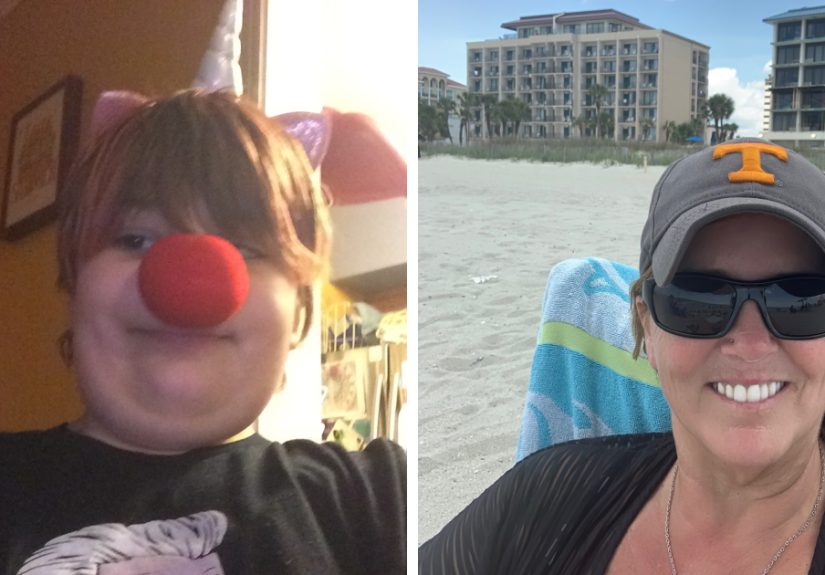
In a digital world stuffed with polished influencer posts, suspiciously perfect lighting, and enough filters to make your own mother ask, “Is that really you?”, a community selfie thread feels refreshingly human. It’s not a brand campaign. It’s not a red carpet. It’s just people showing up as themselves: sleepy, goofy, proud of a new haircut, wearing yesterday’s hoodie, standing next to a cat that clearly believes it is the star of the photo.
That is exactly why the prompt lands. A “share a selfie” thread is not only about appearance. It is about participation, low-stakes vulnerability, digital body language, and the strange comfort of seeing ordinary people look like, well, ordinary people. In the age of curated feeds, that can feel downright revolutionary.
Why This Simple Prompt Works So Well
The brilliance of the “Hey Pandas, share a selfie” idea is that it creates a social moment without turning it into a social test. Nobody has to post. Nobody has to perform. Nobody has to explain why they are not in the mood. The prompt allows participation while respecting boundaries, and that matters more than ever in today’s selfie culture.
People are more aware now that photos are not just tiny digital souvenirs. They can become part of a larger digital footprint. A casual selfie can reveal location clues, school logos, workplace badges, family members in the background, or private details hanging out in a mirror reflection like uninvited party guests. So when a community says “if you’re comfortable,” it quietly acknowledges that sharing your face online is personal, and sometimes a little complicated.
That gentle tone also changes the energy of the conversation. Instead of sounding like a popularity contest, it sounds like a friendly nudge. The best online communities understand this. They do not demand access to people; they invite them in.
The Selfie Has Grown Up
From punchline to personal shorthand
There was a time when the selfie was treated like the universal symbol of vanity. If someone took a photo of themselves, the internet acted like they had personally invented narcissism. Thankfully, that take has aged about as well as early smartphone front cameras.
Today, selfies are social shorthand. They can say, “Here I am.” They can say, “I survived Monday.” They can say, “New glasses, be honest but gentle.” They can say, “My dog refused to let me take this alone.” A selfie can mark a milestone, celebrate a mood, document a haircut, or simply put a face to a username. In community threads, that last part matters a lot. Faces turn anonymous scrolling into actual interaction.
Why people respond to faces
Human beings are wired to notice faces. A selfie thread instantly feels warmer than a thread full of random opinions floating around without context. Once a person posts a face, the conversation becomes more grounded. The username is no longer a mysterious digital ghost named something like PandaToast47. It becomes a person with a smile, a style, and probably a kitchen with bad lighting.
That shift helps explain why authentic selfies often outperform polished ones in community spaces. People tend to respond to personality more than perfection. A slightly crooked selfie with great energy will usually beat an over-edited masterpiece that looks like it was negotiated by a committee.
The Real Star of the Prompt: Comfort
Let’s give the word comfortable the credit it deserves. It is the entire moral center of the prompt. It signals consent. It lowers pressure. It reminds readers that participation is optional, not required for belonging.
That matters because selfies live at the crossroads of confidence and vulnerability. For some people, posting a selfie is no big deal. For others, it feels like walking onstage in front of a crowd holding microscopes. Even in warm communities, people can worry about judgment, awkward comments, body image, comparison, or the forever-ness of the internet.
So when a thread says “if you’re comfortable,” it gives everyone an out without shame. You can post a face shot, a half selfie, sunglasses and all, a pet-assisted portrait, or nothing at all. You are still part of the group. That is good online etiquette, and frankly, more internet spaces should steal this move immediately.
What Makes a Great Community Selfie Thread
1. Real beats perfect
The best selfie threads do not feel like auditions. They feel like a neighborhood block party where everyone brought whatever version of themselves they had available that day. Messy hair? Fine. Fluorescent office lighting? Grim, but acceptable. Pet photobomb? Bonus points. Hoodie and coffee cup? Iconic.
2. Comments should sound human, not like judges’ scorecards
If you are responding to someone’s selfie, the goal is not to evaluate them like a reality show panel. A good comment highlights vibe, warmth, humor, style, or personality. “You look happy here” is better than making someone feel like their face is being graded. Supportive communities know the difference.
3. Safety is part of the aesthetic
A strong selfie is not only flattering. It is smart. Before posting, it helps to check for obvious privacy leaks: visible addresses, school logos, employee badges, plane tickets, family photos, street signs, or a laptop screen in the background showing your life story in twelve open tabs. The modern selfie routine includes lighting, angle, and one quick sweep for accidental oversharing.
The Fun Side of “Share A Selfie” Culture
One reason people love this kind of thread is the sheer variety. You never know what you are going to get. There is the “I was only trying to show my new haircut but my cat climbed my shoulder” selfie. There is the “I have no idea what to do with my face” selfie, which is actually a classic. There is the “I took thirty pictures and somehow the first one was the best” selfie. There is the “I am in my car because the lighting in my house is offensive” selfie. America, if nothing else, remains united by bad indoor lighting.
And then there is the deeply lovable honesty of people who post without trying to look cinematic. No dramatic pose. No digital airbrushing. Just a face, a smile, maybe some under-eye circles earned honestly in the economy. That kind of ordinary presence is oddly comforting online. It makes the internet feel smaller, friendlier, and less like a nonstop talent show.
The Pressure Side of Selfie Culture
Of course, no article about selfie culture should pretend the whole thing is sunshine and flattering angles. Sharing photos online can also create pressure. People compare themselves to strangers, friends, influencers, celebrities, and versions of reality that are edited within an inch of their lives. Some users start treating a selfie less like a memory and more like a performance review.
That is where a simple community prompt can either help or hurt. If the tone is kind, it can create a moment of acceptance. If the tone gets competitive, it can amplify insecurity. The difference is usually not the photo. It is the environment around the photo.
It is also worth remembering that you do not have to post every face you capture. Not every selfie is a public event. Some are just for you. Some belong in the camera roll museum forever. Some deserve to be deleted with full respect and no witnesses. Personal comfort matters more than algorithmic applause.
How To Share A Selfie Without Sharing Your Entire Life
If you want to join a “Hey Pandas, share a selfie” thread, a few practical habits can make the experience safer and more enjoyable. Think of this as the difference between posting confidently and accidentally uploading your location, employer, and favorite cereal brand in a single image.
- Turn off location clues: Check geotags and visible landmarks before posting.
- Crop wisely: House numbers, school IDs, work badges, and license plates do not need a guest appearance.
- Check mirrors and screens: Reflections are sneaky little gossip machines.
- Get permission: If someone else is in the frame, ask before posting.
- Use privacy settings: Audience controls exist for a reason. Let them earn their keep.
- Pause before posting: If you are only sharing because you desperately need external validation that minute, give yourself a beat. Water first. Then decide.
None of this means selfie sharing is dangerous by default. It just means smart posting is better posting. Confidence looks even better when it comes with boundaries.
Why These Threads Feel Weirdly Heartwarming
The hidden magic of a selfie thread is that it humanizes the feed. Instead of polished branding and strategic content, you get people. Real people. Tired people. Funny people. People with excellent eyebrows and people whose bangs have clearly betrayed them. In a world full of edited sameness, that variety feels good.
There is also a deeper social appeal here. Community selfie threads give people a small, manageable way to be seen. Not in the performative “look at me” sense people love to mock, but in the much more ordinary sense of “Hi, this is me, and I’m part of this room too.” That is a basic human need. The internet often complicates it, but sometimes it still delivers.
And honestly, a friendly selfie thread can be a useful reminder that most people are not airbrushed demigods standing in front of Santorini sunsets every morning. Most people are just trying to catch decent light near a window and avoid looking haunted by the front-facing camera.
If You Want To Join The Thread, Here’s The Best Mindset
Try asking a better question than “Do I look perfect?” Ask, “Does this feel like me?” That question is healthier, easier, and a lot more interesting. Maybe “you” today means confident. Maybe it means funny. Maybe it means tired but still standing. Maybe it means you finally wore the jacket you bought three months ago and would like the internet to acknowledge your excellent decision-making.
The best selfies usually communicate presence, not perfection. They feel like a person, not a project. That is why a warm “share a selfie” thread can be such a good prompt. It invites expression instead of demanding polish.
Extra Experiences: What Sharing A Selfie Often Feels Like In Real Life
Now for the part nobody talks about enough: the actual experience of posting a selfie in a community thread. It is rarely as simple as “snap, upload, done.” For many people, there is a tiny emotional roller coaster involved. First comes the decision. Then the debate. Then the lighting experiment. Then the mysterious phase where you look at your own face so long that it stops looking like your face at all.
A very common experience starts with someone seeing the prompt and thinking, “Absolutely not.” Five minutes later, they are still thinking about it. Ten minutes later, they have opened the camera “just to see.” Suddenly there are seven photos in the camera roll, one decent angle, and a new internal argument about whether posting a selfie is brave, casual, embarrassing, fun, or all four at once.
Another familiar experience is the accidental honesty selfie. You were not trying to create art. You were standing near a window, maybe wearing your favorite hoodie, maybe dealing with a long day, and somehow the photo looked more like you than the polished attempts ever do. Those are often the selfies people end up sharing, because they feel less like a performance and more like an introduction.
Then there is the comic relief experience: the pet hijack. A dog decides your lap is now public property. A cat appears from nowhere and claims the frame. Suddenly your “share a selfie” moment becomes an accidental campaign poster for the household animal. Nobody complains. In fact, pet-assisted selfies often become the unofficial winners of the internet because they radiate the exact energy people are there forhuman, funny, unforced.
For some people, posting a selfie is tied to a small milestone. Maybe they are trying a new haircut, wearing braces for the first time, testing out a different style, or showing up after a rough few weeks when they did not feel especially confident. In that case, the act of posting is not vanity at all. It is participation. It is a quiet way of saying, “I’m here today, and that counts.”
And sometimes the most memorable part is not the photo. It is the response. A kind comment from a stranger can do more than people realize. Not because strangers define your worththey do notbut because a warm online reaction can briefly restore your faith in the basic idea of community. Someone notices your smile. Someone compliments your glasses. Someone says you look genuinely happy. Suddenly the internet feels less like a machine and more like a room.
Of course, there are also people who take the selfie, decide not to post it, and feel perfectly good about that choice. That is a valid experience too. Comfort is not a footnote here; it is the whole point. The healthiest selfie culture is one where participation is welcome, boundaries are normal, and no one feels punished for keeping their photo to themselves. In the end, that may be the most relatable part of the entire “Hey Pandas” prompt: it understands that being seen should always be your choice.