Table of Contents >> Show >> Hide
- What Is Hibiscus Tea, Exactly?
- Ingredients and Tools
- The Flavor Formula (So You Can Adjust Without Guessing)
- Basic Hot Hibiscus Tea (1 Mug)
- Classic Iced Hibiscus Tea (Pitcher Method)
- Agua de Jamaica Style (Sweet-Tart and Crowd-Friendly)
- Cold Brew Hibiscus Tea (Smoother, Less Sharp)
- Make a Hibiscus Concentrate (For Fast Iced Tea, Spritzers, and Mocktails)
- Sweeteners and Flavor Add-Ins (A Choose-Your-Own-Adventure Section)
- Troubleshooting: Fix the Cup You Have
- Storage and Make-Ahead Tips
- Health and Safety Notes (Quick, Practical, Not Scary)
- Conclusion: Your Go-To Hibiscus Tea Recipe, Your Way
- Experiences and Real-World Brewing Notes (So Your Next Batch Is Better)
Hibiscus tea is the kind of drink that makes water feel underdressed. It’s ruby-red, bright and tart, naturally caffeine-free,
and somehow tastes like cranberry’s cooler cousin who backpacked through the tropics and came back with stories.
Whether you call it hibiscus tea, jamaica (as in agua de jamaica), or roselle tea, the goal is the same:
brew dried hibiscus calyces into a refreshing herbal infusion that’s easy to customizehot, iced, sparkling, lightly sweetened,
or turned into a party-ready concentrate.
This guide gives you a reliable hibiscus tea recipe (single cup and pitcher versions), explains ratios and steeping times,
and shows you how to tweak flavor like a pro. You’ll also find practical storage tips, troubleshooting, and a set of
real-world “what you’ll notice” experiences to help you dial it in exactly how you like it.
What Is Hibiscus Tea, Exactly?
Hibiscus tea is an herbal infusion made from the dried calyces (the protective outer part) of Hibiscus sabdariffa,
often sold as “dried hibiscus,” “hibiscus flowers,” or “flor de jamaica.” Don’t let the word “flowers” fool youwhat you’re
usually buying is the deep red calyx, which is where the tart flavor and color come from. Brew it and you get a drink that’s
pleasantly sour, fruity, and intensely colored. It’s delicious on its own, and it plays well with citrus, ginger, cinnamon,
mint, and just about any sweetener you’ve got in the pantry.
Ingredients and Tools
Core ingredients
- Dried hibiscus (loose dried petals/calyces are ideal; tea bags also work)
- Water (filtered if possiblehibiscus is bold, so water flavor matters)
- Sweetener (optional): sugar, honey, agave, maple syrup, or date syrup
- Citrus (optional): lime is classic; lemon and orange are also great
Helpful add-ins (optional, but fun)
- Cinnamon stick
- Fresh ginger (sliced or grated)
- Whole cloves or allspice
- Fresh mint or basil
- Sparkling water (for a spritzer)
Tools
- Kettle or saucepan
- Fine-mesh strainer (or tea infuser)
- Pitcher or jar (for iced tea)
- Measuring spoons/cups
The Flavor Formula (So You Can Adjust Without Guessing)
Hibiscus is naturally tart. Think “cranberry-level zing,” not “gentle chamomile hug.”
That tartness is exactly why hibiscus is so refreshingbut it also means your tea can taste too sharp if brewed too strong
or if served unsweetened without balancing flavors.
Here’s the simple formula:
Strength (hibiscus amount + steep time) + Balance (sweetener + citrus + dilution) = your perfect cup.
You can control intensity by changing one variable at a time. Start with the base recipes below, then adjust to taste.
Basic Hot Hibiscus Tea (1 Mug)
This is the quickest way to get a cozy cup. It’s bright, floral-fruity, and a little dramatic in the best way.
If you’re new to hibiscus, start here.
Ingredients (1 serving)
- 1 tablespoon dried hibiscus
- 1 cup (8 ounces) just-boiled water
- Sweetener to taste (1–2 teaspoons honey or sugar is a common starting point)
- Optional: squeeze of lemon or lime
Directions
-
Steep: Put the dried hibiscus in a tea infuser or mug. Pour in boiling water.
Steep for 4–7 minutes, depending on how bold you like it. - Strain: Remove the infuser or strain the tea into your mug.
-
Balance: Taste. If it’s too tart, add a little sweetener. If it’s too strong, add a splash of hot water.
Add citrus if you want a brighter finish.
Tip: If your hibiscus tea tastes a bit “flat,” a tiny pinch of salt can help round out tartness the same way it does in lemonade.
Keep it subtlethis isn’t soup.
Classic Iced Hibiscus Tea (Pitcher Method)
If hibiscus tea had a summer job, it would be “professional refresher.”
This pitcher recipe makes a tangy, lightly sweetened iced tea that’s perfect for the fridge.
You’ll brew a strong base, then chill and dilute to taste.
Ingredients (about 6–8 servings)
- 6 cups water (for brewing)
- 1/2 cup dried hibiscus (adjust up or down for strength)
- 1/4 to 1/2 cup sugar or honey (optional, to taste)
- Optional: 1 cinnamon stick, a few ginger slices, and/or a couple of cloves
- To finish: 2–4 cups cold water (for dilution), plus lime or lemon juice to taste
- Ice and citrus slices for serving
Directions
- Heat the water: Bring 6 cups of water to a boil, then turn off the heat.
-
Steep: Add dried hibiscus (and any spices). Cover and steep for 15–25 minutes.
(Longer steeping = more tart intensity.) -
Strain: Pour through a fine-mesh strainer into a pitcher. Press gently on the solids if you want extra flavor,
but don’t mash them into oblivion or you may get more bitterness and sediment. - Sweeten while warm (optional): Stir in sugar or honey so it dissolves easily.
-
Chill and dilute: Refrigerate until cold, then add 2–4 cups cold water to reach your preferred strength.
Add lime or lemon juice to brighten. - Serve: Pour over ice. Garnish with citrus or mint. Try a splash of sparkling water if you want it extra lively.
Shortcut: If you forget to chill it (we’ve all been there), pour the brewed base over a large amount of ice,
then dilute with cold water. You’ll get iced tea now, not “in two hours when I remember.”
Agua de Jamaica Style (Sweet-Tart and Crowd-Friendly)
Agua de jamaica is a Mexican hibiscus drink that’s typically brewed stronger and sweetened more noticeably than plain iced tea,
then balanced with citrus and served ice-cold. Think “hibiscus lemonade’s best friend.”
It’s a go-to for parties because it looks gorgeous and disappears fast.
Easy agua de jamaica approach
- Brew a strong hibiscus base (use the pitcher method above, steeping on the longer side).
- Sweeten to a “just a little too sweet” level while warm (cold dulls sweetness).
- Chill, then add fresh lime juice and dilute until it tastes bright, not syrupy.
- Serve over ice with orange or lime slices.
Flavor pairing idea: Hibiscus + cinnamon + orange tastes like the holiday version of summer.
Hibiscus + ginger + lime tastes like a spa day that accidentally became delicious.
Cold Brew Hibiscus Tea (Smoother, Less Sharp)
Cold-brewing hibiscus is a game-changer if you find hot-brewed hibiscus too intense. Cold water extracts flavor differently:
you still get color and tang, but the overall taste can feel rounder and less aggressively sour.
Plus, it’s basically “set it and forget it” for the fridge.
Ingredients
- 4 cups cold water
- 1/2 cup dried hibiscus
- Optional: cinnamon stick, a little ginger, and sweetener to taste
Directions
- Combine water and hibiscus in a jar or pitcher. Add optional spices.
- Cover and refrigerate for 8–12 hours.
- Strain, sweeten if desired, and serve over ice with citrus.
Make a Hibiscus Concentrate (For Fast Iced Tea, Spritzers, and Mocktails)
If you want hibiscus tea on demand, make a concentrate. It’s like having “hibiscus at the ready” the same way you keep coffee
creamer or lemonade in the fridge. Concentrate also makes it easy to create sparkling hibiscus drinks without watering down the flavor.
How to do it
- Brew the pitcher recipe but use half the water (for example, 3 cups water with 1/2 cup hibiscus).
- Steep 15–25 minutes, strain, and chill.
- To serve, mix 1 part concentrate with 1–2 parts cold water or sparkling water, then add lime.
Mocktail move: In a glass of ice, combine hibiscus concentrate + sparkling water + orange or lime juice.
Garnish with citrus slices. It’s festive without trying too hard.
Sweeteners and Flavor Add-Ins (A Choose-Your-Own-Adventure Section)
Hibiscus can handle sweeteners like a champ. The trick is balancing tartness without burying the floral-fruity notes.
Here are some popular approaches:
Sweetener options
- White sugar: Clean, classic, and dissolves easily in warm tea.
- Honey: Adds floral warmth; best stirred in while tea is still warm.
- Agave: Smooth sweetness that blends well in cold drinks.
- Date syrup or date paste: Adds caramel-like depth (great with cinnamon and orange).
Flavor boosters
- Lime: Classic for agua de jamaica; makes the tartness feel “intentional.”
- Orange: Softer citrus sweetness; pairs beautifully with cinnamon.
- Ginger: Adds warmth and zing; especially good in winter hibiscus tea.
- Mint: Makes it feel extra refreshing, like a fancy restaurant pitcher.
- Cinnamon + clove/allspice: Turns hibiscus into a spiced herbal punch vibe.
Specific example: For a brunch pitcher, try hibiscus + orange slices + cinnamon stick, then finish with a splash of sparkling water.
For a weeknight “I want something bright,” go hibiscus + lime + mint.
Troubleshooting: Fix the Cup You Have
“It’s too tart!”
- Add sweetener in small increments (stir, taste, repeat).
- Add citrus thoughtfullysometimes more lime makes it more tart, not less.
- Dilute with cold water or ice. If you brewed it strong, dilution is not defeat. It’s strategy.
“It’s too weak!”
- Steep longer next time, or use more hibiscus.
- For iced tea, remember that ice meltsbrew slightly stronger than you think you need.
- Make a concentrate and dilute to taste. It’s the easiest way to control strength.
“It tastes a little bitter or dusty.”
- Strain through a finer mesh (hibiscus can shed tiny bits).
- Don’t over-agitate the steeped flowers; gentle pressing is fine, aggressive squeezing is not.
- Try cold brew for a smoother profile.
Storage and Make-Ahead Tips
Hibiscus tea is very fridge-friendly. Store it in a covered pitcher or jar and it should keep its flavor well for several days.
If you’ve sweetened it, stir before serving because some sweeteners can settle.
- Refrigerator: Typically best within 3–5 days for flavor and freshness.
- Freezer: Freeze concentrate in ice cube trays. Pop a few cubes into sparkling water for instant hibiscus spritzers.
- Make-ahead: Brew the base at night, chill, and finish with citrus/dilution the next day.
Health and Safety Notes (Quick, Practical, Not Scary)
Hibiscus tea is widely enjoyed as a caffeine-free drink, but it’s not “magically harmless” just because it’s herbal.
Research suggests hibiscus may help lower blood pressure in some people, which can be a benefitunless you’re already prone to
low blood pressure or you’re taking blood pressure medications. Hibiscus may also interact with certain medications.
- If you take blood pressure meds or diabetes meds: Check with a clinician before making hibiscus tea a daily habit.
- If you’re pregnant or breastfeeding: It’s smart to be cautious and ask your healthcare provider first.
- If you feel dizzy/lightheaded: Consider reducing strength, frequency, or avoiding it, and seek medical guidance if symptoms persist.
Bottom line: hibiscus tea can be a great beverage choice for many people, but if you’re managing a medical condition or taking
prescriptions, treat it like you would any supplement or functional drinkworth a quick safety check.
Conclusion: Your Go-To Hibiscus Tea Recipe, Your Way
Hibiscus tea is simple enough for a random Tuesday, but flexible enough for a party pitcher. Start with the basic ratio,
choose your method (hot steep, pitcher brew, or cold brew), then balance the tartness with sweetener, citrus, and dilution.
Once you nail your preferred “tang level,” you’ll have a reliable ruby-red drink you can keep in the fridge, dress up with
sparkling water, or turn into a mocktail that looks like it took effort (even when it didn’t).
And if your first batch isn’t perfect? Congratulationsyou’ve joined the proud tradition of “tasting and adjusting,”
which is basically how every great home recipe gets born.
Experiences and Real-World Brewing Notes (So Your Next Batch Is Better)
People often expect hibiscus tea to taste “floral,” like sipping a garden. In reality, the first experience most folks notice is
tartnessa cranberry-like punch that hits the sides of your tongue and makes your mouth water a little.
That’s normal, and it’s part of why hibiscus is so refreshing over ice. If your first sip makes you go, “Oh! That’s bright,”
you’re on the right track.
Another common experience: hibiscus tea can feel stronger when it’s warm and slightly softer when it’s fully chilled.
That’s why many cooks sweeten the tea while it’s still warm and then taste again after chilling. The “right amount of sugar”
can shift after a few hours in the fridge. If you sweeten just enough while warm, you may find it tastes less sweet the next day.
A good strategy is to sweeten to “pleasantly sweet” while warm, then adjust lightly once chilledespecially if you plan to dilute
with water or pour over lots of ice.
You’ll also notice that hibiscus is a team player. Lime doesn’t just add sourness; it makes hibiscus taste more “fresh”
and less like a straight tart infusion. Orange has a different effect: it rounds the edges, giving hibiscus a softer,
fruitier vibe. Many people report that the “wow” version of hibiscus tea is the one that includes a citrus noteespecially when
served in a big glass of ice with a few slices floating around like they’re on vacation.
If you try adding spices, expect them to change the mood fast. A cinnamon stick can make hibiscus feel cozy and almost
cider-adjacent, while ginger makes it taste sharper and more energizing. Some home brewers love a tiny amount of clove or allspice,
but the experience there is “powerful in a hurry”a little goes a long way. If you’ve ever over-spiced a pot of punch,
you already understand the cautionary tale.
Strength is another experience worth noting. When hibiscus is brewed too strong, it can taste aggressively tart or a bit astringent,
especially if the steep went long and you squeezed the solids hard. The fix most people discover is surprisingly simple:
dilution. Instead of “ruined,” think “concentrate.” Add cold water, add ice, and suddenly it’s balanced.
Many hibiscus fans end up intentionally brewing it strong so they can customize each glasssome days you want it bold, some days you want it gentle.
Cold brew creates a different experience altogether. People often describe it as smoother and easier to drink unsweetened,
with less of that “sharp” edge. If you’re someone who likes tart flavors but not mouth-puckering intensity,
cold brew might become your default. Plus, the experience of waking up to a ready-to-pour pitcher in the fridge is deeply satisfying,
like your past self did you a favor (which, honestly, they did).
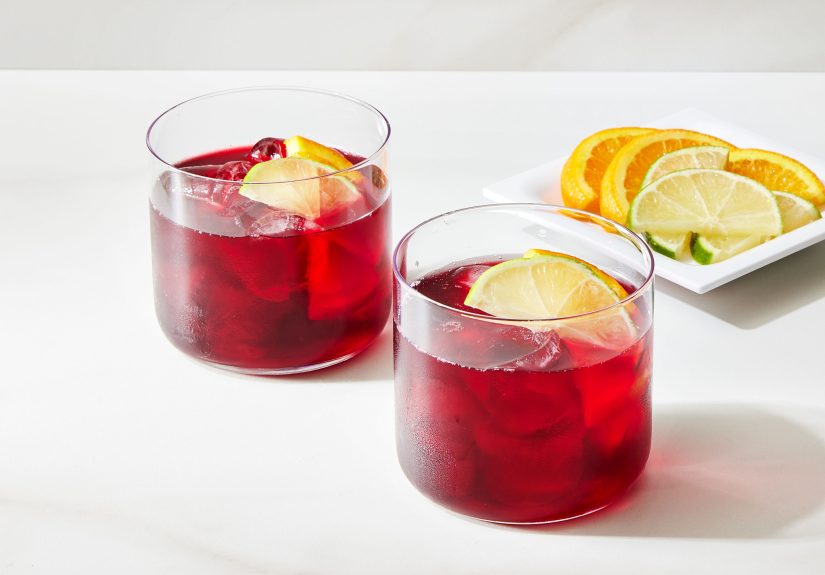
Finally, there’s the “presentation effect.” Hibiscus tea looks stunningdeep red in a clear glass, especially with citrus slices,
mint, or sparkling bubbles. That visual experience changes how it feels to serve and drink it. It’s one of those beverages that
makes a normal meal feel a little more special, even if dinner is just leftovers and you’re calling it “meal prep” to feel accomplished.
Once you find your favorite balance of tartness and sweetness, hibiscus tea stops being “a recipe” and becomes “a habit.”