Table of Contents >> Show >> Hide
- Why Zinnias Are a Summer Garden Favorite
- When to Plant Zinnia Seeds
- How to Plant Zinnia Seeds
- Should You Start Zinnia Seeds Indoors?
- How to Keep Zinnias Blooming All Summer
- Watering, Feeding, and General Care
- Common Problems and How to Avoid Them
- Best Zinnia Types for Long Summer Bloom
- A Simple Planting Plan for Flowers All Summer
- Final Thoughts
- Real-World Growing Experiences: What Gardeners Learn After One Summer With Zinnias
- SEO Tags
If you want a flower that looks cheerful, grows fast, and behaves like it actually wants to be in your garden, zinnias are hard to beat. These summer annuals are bright, low-fuss, pollinator-friendly, and wonderfully dramatic in beds, borders, cutting gardens, and containers. They also have one of the best personalities in the flower world: plant them at the right time, give them sun, and they will bloom their colorful heads off for months.
The trick, though, is timing. Zinnias are not interested in chilly soil, surprise frosts, or your overly optimistic urge to plant everything in March. They prefer warmth, good air circulation, and a little patience. Once you understand when to plant zinnia seeds and how to plant zinnia seeds correctly, you can keep the flowers coming from early summer until frost with a simple method called succession planting.
This guide breaks down everything you need to know, from direct sowing and indoor starting to spacing, watering, thinning, deadheading, and the small mistakes that turn a future flower patch into a sad patch of mildew. If your goal is zinnia flowers all summer, you are in the right place.
Why Zinnias Are a Summer Garden Favorite
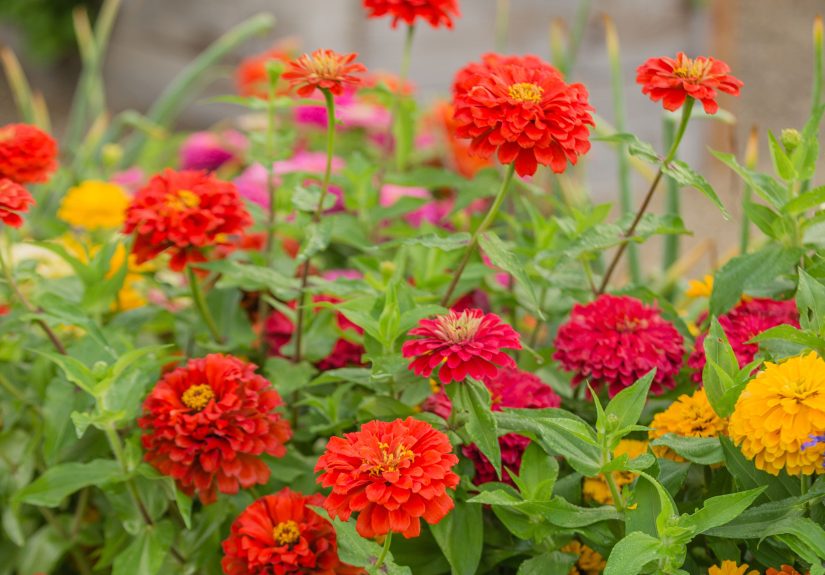
Zinnias have a lot going for them. They bloom in bold shades of pink, orange, red, yellow, white, lime, and nearly every sunset-inspired color in between. They come in dwarf forms for pots, medium forms for borders, and tall varieties that look fantastic in cutting gardens. Butterflies love them, bouquets love them, and gardeners love them because they offer a big reward without requiring diva-level attention.
They are also excellent “cut-and-come-again” flowers. In plain English, that means the more you cut them, the more they usually produce. That makes zinnias one of the smartest flowers for gardeners who want both a pretty yard and an excuse to fill random jars with flowers on the kitchen counter.
When to Plant Zinnia Seeds
Wait Until Frost Is Truly Gone
The best time to plant zinnia seeds outdoors is after your last spring frost, when the weather has turned reliably warm. Zinnias are tender annuals, which means cold weather is not their thing. Not a little cold. Not a “maybe it will be okay” cold. Actual warmth.
If you sow too early, seeds may rot in cold soil or seedlings may stall out and sulk. For most home gardeners, the sweet spot is about 1 to 2 weeks after the average last frost date, when the soil has had time to warm up and spring has stopped acting like a prankster.
A useful rule of thumb is this: if it is tomato-planting time, it is usually zinnia-planting time too.
Use Soil Temperature, Not Just the Calendar
If you want better germination, pay attention to soil temperature as much as the date. Zinnia seeds germinate best in warm soil, generally around 70 to 80 degrees Fahrenheit. That is one reason they sprout so happily once late spring settles in. Cold soil may not kill them outright, but it does slow everything down and makes success less consistent.
So yes, your calendar matters. But your soil matters more.
Examples by Climate
If your average last frost date is April 15, a good outdoor sowing window might begin in late April or early May. If your last frost is closer to May 15, wait until late May. In warm climates with long growing seasons, gardeners can keep sowing zinnias well into summer for waves of bloom. In hot southern regions, spring planting often gives the longest performance before late-season disease pressure rises.
How to Plant Zinnia Seeds
Choose a Spot With Full Sun
Zinnias want full sun and mean it. Give them at least 6 hours of direct sunlight a day, though more is better. A bright, open location helps plants stay sturdy, bloom heavily, and dry off faster after watering or rain. That last part matters because zinnias can be prone to powdery mildew, especially when crowded or grown in humid conditions.
Start With Loose, Well-Drained Soil
Zinnias are not terribly picky, but they do perform best in well-drained soil with some organic matter worked in. Before sowing, loosen the top several inches of soil and mix in compost if your soil is heavy, compacted, or nutrient-poor. You are not preparing a luxury spa, but you are giving roots a much better start.
Avoid soggy planting areas. Zinnias like moisture, but they do not want to sit in wet ground like they are waiting for a delayed flight.
Sow the Seeds at the Right Depth
Plant zinnia seeds about 1/4 inch deep. This is one of those delightfully simple directions that gardeners sometimes overcomplicate. You do not need a trench worthy of road construction. Just a shallow furrow or a small planting hole, lightly covered with fine soil.
After sowing, water gently so the seeds settle in without washing away.
Space for Airflow and Better Health
Spacing depends on the variety, but most zinnias should end up about 8 to 12 inches apart, with taller types often closer to a foot apart. Dwarf forms can be a little tighter, while large cutting varieties need more room. Good spacing improves air circulation, lowers disease risk, and keeps your plants from turning into one tangled, mildew-prone flower mosh pit.
If you are growing zinnias mainly for cutting, you can plant somewhat more densely in a dedicated cut flower bed, but home landscape plantings usually look and perform best when each plant has breathing room.
Should You Start Zinnia Seeds Indoors?
You can, but you do not have to. In fact, many gardeners prefer to direct sow zinnia seeds because zinnias grow quickly once the soil warms and generally do not benefit much from being started too early. Direct sowing is easy, economical, and often the lowest-stress route.
That said, starting seeds indoors can work if you want earlier flowers or live in a shorter-season climate. Start them roughly 4 to 6 weeks before your last frost, use a light seed-starting mix, and avoid letting seedlings become root-bound. Harden them off before transplanting outside, and wait until frost danger has passed.
The key is not to rush them. Zinnias are one of those flowers that basically say, “Thanks, but I’d rather go out when it’s warm.”
How to Keep Zinnias Blooming All Summer
Use Succession Planting
This is the secret sauce. If you plant all your zinnias at once, they will still bloom for a long stretch, but they will not all look equally fabulous at the same time forever. To keep flowers coming, sow additional seeds every 2 to 3 weeks through midsummer. This is called succession planting, and it is one of the easiest ways to extend the display.
Here is a simple example:
Plant your first batch after the last frost. Two or three weeks later, sow a second batch. Two or three weeks after that, sow a third. By the time the first group is reaching peak bloom, the second is catching up and the third is getting established. Instead of one big fireworks show followed by a lull, you get an encore, then another encore, then one more because apparently zinnias do not know when to leave the stage.
Deadhead or Cut Flowers Often
If you want a longer bloom season, remove faded flowers regularly. Deadheading zinnias helps redirect the plant’s energy away from seed production and into more flowers. Even better, cut flowers for bouquets often. This keeps plants productive and gives you a very reasonable excuse to put flowers in every room you own.
Pinch Young Plants for Bushier Growth
When young plants are about 4 to 6 inches tall, pinch out the growing tip if you want bushier plants with more branching. You may sacrifice that first central bloom, but you usually gain more flowering stems later. This is especially useful for gardeners growing zinnias for bouquets.
Watering, Feeding, and General Care
Water the Soil, Not the Leaves
Once seedlings emerge, keep the soil evenly moist while plants establish. After that, zinnias are fairly resilient, but they still perform best with regular watering during dry stretches. A general target of about 1 inch of water per week is a good place to start, adjusting for rainfall and heat.
Try to water at the base of the plant instead of overhead. Wet leaves plus poor airflow equals a better chance of fungal issues, especially powdery mildew.
Do Not Overfeed
Zinnias do not need a heavy fertilizer routine. If your soil is reasonably healthy and amended with compost, that may be enough. In poorer soil, a balanced fertilizer applied lightly can help. Too much nitrogen can produce lots of leafy growth and fewer flowers, which is not the point here. Nobody plants zinnias hoping for a thrilling season of foliage.
Common Problems and How to Avoid Them
Powdery Mildew
This is the most common zinnia complaint, especially in humid weather or crowded beds. Leaves may develop a white, dusty coating, and plants can lose vigor over time. The best defenses are simple: give plants space, keep foliage dry when possible, clean up infected debris at the end of the season, and choose resistant varieties when you can.
If you garden in a humid region, look for modern disease-resistant series such as Profusion or Zahara. They are especially useful if you want reliable summer color with less drama.
Poor Blooming
If your zinnias are tall and leafy but not flowering well, the usual suspects are not enough sun, too much fertilizer, or planting too close together. Zinnias are generous, but they still expect decent working conditions.
Weak, Stretchy Seedlings
This usually happens when seeds are started indoors too early or grown with insufficient light. If you start inside, keep them under strong light, do not baby them forever, and move them outdoors once conditions are right.
Best Zinnia Types for Long Summer Bloom
If your goal is nonstop flowers, choose varieties that suit the space and the job.
For Cutting Gardens
Tall varieties such as Benary’s Giant, California Giant, or Cut-and-Come-Again types are ideal if you want armfuls of stems for bouquets.
For Containers and Borders
Dwarf or compact zinnias work best in pots, edging, and small beds where you want tidy plants with lots of visible color.
For Hot, Humid Gardens
Disease-resistant hybrids such as Profusion and Zahara are strong choices when mildew tends to show up every summer like an uninvited relative.
A Simple Planting Plan for Flowers All Summer
If you want a no-nonsense strategy, try this:
Step 1: Wait until 1 to 2 weeks after your last frost.
Step 2: Sow seeds 1/4 inch deep in full sun.
Step 3: Thin plants to the proper spacing once seedlings are established.
Step 4: Sow more seeds every 2 to 3 weeks through midsummer.
Step 5: Water at soil level, deadhead often, and cut flowers freely.
That is it. No complicated flower math. No secret moon-phase ritual. Just warm weather, good timing, and repeat sowing.
Final Thoughts
If you have ever wanted a flower that delivers bright color without requiring a full-time emotional support team, zinnias are your answer. The most important lesson is simple: plant zinnia seeds after frost, in warm soil, in full sun. Then keep the show going by sowing more every few weeks, spacing them properly, and cutting or deadheading blooms regularly.
Once you dial in the timing, zinnias become one of the easiest ways to create a garden that looks lively for months. They are beginner-friendly, bouquet-worthy, and generous enough to make you feel like a better gardener than you were five minutes ago. Honestly, every summer garden could use at least one patch of flowers this cheerful.
Real-World Growing Experiences: What Gardeners Learn After One Summer With Zinnias
Ask a few gardeners about zinnias, and you will hear the same basic confession: they planted them on a whim, and then suddenly they were emotionally invested in a flower bed that looked like confetti exploded in July. Zinnias have that effect. They start as a practical choice because they are easy from seed, but they quickly become the flowers people brag about to neighbors, hand to friends in jam jars, and photograph far more often than anyone planned.
One of the most common experiences new growers mention is how much better zinnias do when they are planted later than expected. Many gardeners learn the hard way that sowing too early does not earn extra credit. Seeds planted into chilly spring soil often emerge slowly, unevenly, or not at all. But when the soil is warm and the nights are mild, the difference is dramatic. Seedlings pop up quickly, growth is stronger, and the plants seem to hit the season running. It is a good reminder that in gardening, patience is not laziness. It is strategy.
Another lesson comes from spacing. On seed packets, recommended spacing can feel a little rude, especially when the garden bed looks empty at first. So people cheat. They tuck in a few extras. Then a few more. A month later, the zinnias are shoulder to shoulder, humidity is hanging in the air, and mildew starts creeping in like bad gossip. Gardeners who give plants proper airflow usually notice a big difference in overall health. The bed may look sparse for a short time, but by midsummer it fills in beautifully, and the flowers keep coming without collapsing into a sweaty jungle.
Then there is the shock of how productive zinnias become once cutting starts. Many gardeners hesitate to snip the first bloom because it feels wrong to cut something so pretty. But once they do, they realize the plant responds by branching and producing more stems. That first nervous bouquet often turns into a weekly routine. Kitchen counter bouquet. Bathroom bouquet. “Here, take some flowers with you” bouquet. Zinnias can turn even mildly interested gardeners into aggressive amateur florists.
Succession planting is another game changer people tend to appreciate only after trying it. A single sowing can look fantastic, but a second and third sowing keep the garden fresh when the first round starts looking tired. Gardeners who stagger plantings often say the whole yard feels more alive later in summer because there is always something coming up, peaking, or replacing what faded. Instead of one beautiful moment, they get a season-long performance.
And perhaps the best thing gardeners learn from zinnias is confidence. These flowers are forgiving enough for beginners, but rewarding enough for experienced growers. They teach timing, thinning, cutting, and the value of not fussing too much. If you plant them in warm weather, give them sun, and keep them moving with a little deadheading and repeat sowing, they do an impressive amount of the work themselves. That is probably why so many people plant zinnias once and then make them a permanent part of summer forever.