Table of Contents >> Show >> Hide
- What Inflammation Really Means
- Why Cacao Gets So Much Health Hype
- How Cacao-Rich, Dark Hot Chocolate May Help Fight Inflammation
- Why Not Every Hot Chocolate Counts
- How to Make a Smarter, More Anti-Inflammatory Cup
- Who Should Be a Little More Careful
- What Dark Hot Chocolate Can and Cannot Do
- Real-World Experiences With Cacao-Rich, Dark Hot Chocolate
- Conclusion
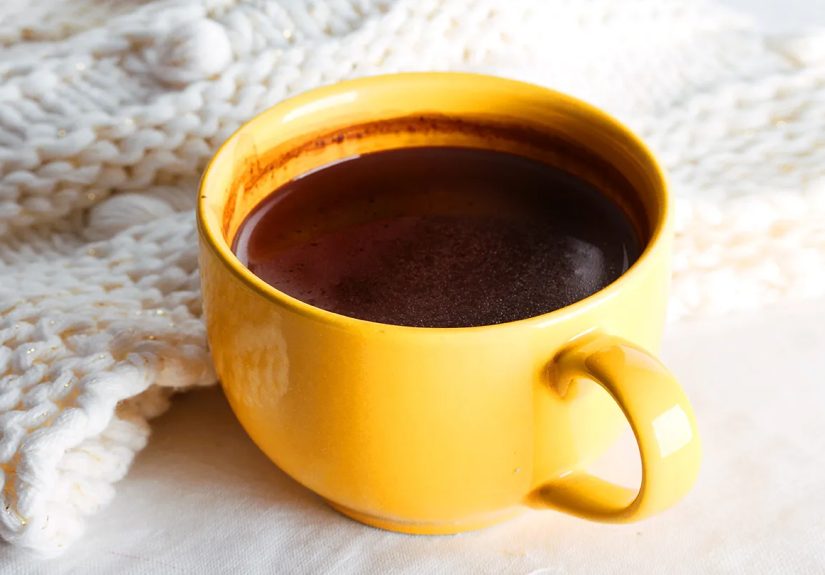
Hot chocolate has a branding problem. Say the words out loud and most people picture whipped cream, mini marshmallows, and a sugar rush that arrives like an enthusiastic marching band. Cozy? Absolutely. Anti-inflammatory? Not so fast. But when you strip away the candy-store extras and build your mug around real cocoa, minimal sugar, and dark chocolate with serious cacao content, the story changes in a big way.
A cacao-rich, dark hot chocolate is not a miracle cure in a mug. It will not karate-chop chronic inflammation into submission by Tuesday. But it can fit into a smart eating pattern that supports lower inflammation, better blood vessel function, steadier energy, and a more satisfying way to enjoy chocolate without turning your cup into liquid dessert. The key is understanding what in cocoa may help, what can cancel out those benefits, and how to make the kind of hot chocolate your body won’t side-eye.
What Inflammation Really Means
Inflammation is your body’s built-in defense system. When you get a cut, fight off an infection, or recover from an injury, inflammation helps protect and repair tissue. That kind of short-term inflammation is useful. Chronic, low-grade inflammation is a different creature entirely. It can quietly stick around for months or years and is linked with problems involving the heart, metabolism, blood vessels, and overall long-term health.
This is why anti-inflammatory eating gets so much attention. The goal is not to find one “superfood” that does all the heavy lifting. It is to build a diet rich in plant foods, fiber, antioxidants, and minimally processed ingredients while dialing down the stuff that tends to fan the flames: sugary drinks, refined carbs, ultra-processed foods, and excess saturated fat. A smart cup of dark hot chocolate works best when it joins that team, not when it tries to be the entire team captain, coach, and mascot.
Why Cacao Gets So Much Health Hype
Cocoa Flavanols Are the Main Attraction
The reason cacao-rich dark hot chocolate gets attention is not because it tastes like happiness in liquid form, though that certainly helps. It is because cocoa contains plant compounds called flavanols, including epicatechin. These compounds have antioxidant and anti-inflammatory activity and have been studied for their potential effects on blood vessels, blood pressure, insulin sensitivity, and markers tied to inflammation.
In plain English, cocoa’s bioactive compounds may help the body handle oxidative stress better and may influence signaling pathways involved in inflammation. That matters because inflammation and oxidative stress often work together like two troublemakers who somehow always find each other at the party.
Blood Flow Is Part of the Story
One of the most consistent reasons cocoa shows up in nutrition research is its effect on endothelial function. The endothelium is the inner lining of your blood vessels, and when it works well, blood flows more smoothly and the cardiovascular system behaves more like a well-managed highway than a five-lane traffic jam. Cocoa flavanols appear to support nitric oxide activity, which helps blood vessels relax and widen. Better blood vessel function is one reason cocoa has been linked in research to modest improvements in blood pressure and circulation.
That might not sound flashy, but it is a big deal. Chronic inflammation and poor blood vessel function often travel together. So when cocoa supports vascular health, it may also help address part of the wider inflammation picture.
How Cacao-Rich, Dark Hot Chocolate May Help Fight Inflammation
1. It May Help Lower Certain Inflammatory Signals
Research on cocoa and inflammation is promising, though not perfectly uniform. Reviews of cocoa flavanols suggest they may influence inflammatory pathways and reduce some inflammatory compounds under certain conditions. More recently, a large follow-up analysis connected cocoa extract with a reduction in hsCRP, a marker associated with inflammation and cardiovascular risk. That does not prove every mug of hot chocolate will magically lower inflammation, but it adds to the case that cocoa flavanols can play a meaningful role.
The important detail is this: the effect seems tied to the flavanol-rich part of cocoa, not to chocolate as a whole category. A candy bar and a carefully made dark hot chocolate are not nutritional twins. They are barely cousins who only see each other on holidays.
2. It Supports a More Heart-Friendly Environment
Inflammation does not exist in a vacuum. It affects blood vessels, cholesterol behavior, and the conditions that make heart disease more likely over time. Cocoa-rich products have been studied for benefits related to vascular function, blood pressure, and sometimes insulin sensitivity. These changes may help create a less inflammatory internal environment, especially when cocoa replaces more heavily sweetened snacks or drinks.
That makes dark hot chocolate especially interesting in winter, when people often trade fruit, nuts, or tea for oversized coffeehouse drinks loaded with syrup. Swap one of those sugar bombs for a richer, darker cocoa drink with less sugar, and you are not just adding something helpful. You may also be crowding out something less helpful.
3. It May Be Better for Blood Sugar Than Sweeter Chocolate Drinks
Commercial hot cocoa mixes often come packed with added sugars. That is where the health halo usually falls off. High added sugar intake is associated with poorer diet quality and can make it harder to maintain a balanced anti-inflammatory eating pattern. A darker, less sweet version gives you more cocoa and less nutritional clutter.
That matters because many of the proposed benefits of cocoa are modest. They do not need to be buried under a snowdrift of sugar. If your hot chocolate tastes like melted frosting with a cocoa cameo, the drink is doing a lot less fighting and a lot more partying.
Why Not Every Hot Chocolate Counts
Sugar Can Hijack the Whole Idea
If you are trying to use dark hot chocolate as part of an anti-inflammatory routine, sugar is the first thing to watch. Added sugar can pile up fast in packaged mixes, flavored creamers, syrups, whipped toppings, and marshmallows. It is very easy to turn a potentially beneficial cocoa drink into a dessert wearing a wellness disguise.
That does not mean your mug has to taste like bitter regret. It just means sweetness should be used strategically. A small amount of sugar, honey, or another sweetener can make a rich cocoa drink enjoyable without overwhelming it. The goal is balance, not punishment.
Processing Matters More Than Most People Realize
The more a chocolate product is diluted with sugar, fat, and fillers, the less room there is for cocoa solids and their beneficial compounds. Natural unsweetened cocoa powder is often a strong choice because it keeps the focus on cocoa itself. Dark chocolate with a higher cacao percentage also tends to offer more flavonoids than milk chocolate.
There is another twist: Dutch processing, also called alkalizing, can mellow cocoa’s flavor and darken its color, but it can also reduce flavanol content. That means two cocoa powders may look equally chocolatey while offering different levels of those sought-after compounds. So yes, the fine print matters. Your pantry is more dramatic than it looks.
Portion Size Still Exists, Even When Food Is Trendy
Cocoa can bring benefits, but dark chocolate and whole-milk add-ins also contribute calories and saturated fat. This is why moderation still matters. A well-made cup can absolutely fit into a healthy diet, but drinking giant mugs two or three times a day because “it’s basically medicine now” is probably not the plot twist your nutrition goals need.
How to Make a Smarter, More Anti-Inflammatory Cup
The healthiest version of dark hot chocolate is usually homemade. That way, you control the cocoa, the sweetness, and the extras. A better-for-you mug might include unsweetened natural cocoa powder, a little chopped dark chocolate for richness, and a milk choice that fits your needs, such as low-fat dairy or a fortified unsweetened plant milk.
Try this simple template:
- 1 cup low-fat milk or unsweetened fortified soy milk
- 1 tablespoon unsweetened natural cocoa powder
- 1 to 2 teaspoons finely chopped 70% to 85% dark chocolate
- 1/4 teaspoon vanilla extract
- A pinch of cinnamon or pumpkin pie spice
- A tiny pinch of salt
- Sweetener to taste, used lightly
Warm everything gently, whisk until smooth, and stop before it becomes a boiling science experiment. This version gives you deep chocolate flavor without requiring enough sugar to keep a hummingbird awake for three business days.
Want to level it up? Pair your drink with a handful of walnuts or almonds, or enjoy it after a meal built around fiber-rich foods like oats, fruit, legumes, or vegetables. That way your hot chocolate becomes part of a broader anti-inflammatory pattern instead of a lonely wellness island floating in a sea of takeout fries.
Who Should Be a Little More Careful
Dark chocolate and cocoa are not ideal for everyone in every amount. Cocoa naturally contains caffeine, and some people are sensitive to it. If chocolate tends to trigger reflux, jitters, sleep trouble, or headaches for you, a rich dark version may not be your best evening ritual. People watching saturated fat, added sugar, or total calorie intake should also keep an eye on labels and serving sizes.
And of course, if you have diabetes, digestive issues, food allergies, or a medical condition that affects your diet, it makes sense to tailor your recipe accordingly. A nourishing habit should work with your body, not pick a fight with it.
What Dark Hot Chocolate Can and Cannot Do
Let’s give cocoa its due without turning it into folklore. A cacao-rich, dark hot chocolate may support lower inflammation in the context of a healthy diet. It may help blood vessel function, offer antioxidant activity, and provide a more satisfying alternative to heavily sweetened drinks and desserts. That is real value.
But it is not a stand-alone treatment for chronic inflammatory diseases. It cannot outvote a lifestyle built around sleep deprivation, smoking, ultra-processed foods, and stress levels that could power a small city. Think of it as a supportive player: useful, enjoyable, evidence-backed in several ways, and much more impressive when surrounded by a strong team.
Real-World Experiences With Cacao-Rich, Dark Hot Chocolate
One of the most common experiences people describe when they switch from standard hot cocoa to a darker, more cacao-rich version is surprise. At first sip, the reaction is often something along the lines of, “Wait, this is not as sweet as the one from the packet.” Correct. It is also not trying to impersonate melted candy. A well-made dark hot chocolate tastes deeper, nuttier, and more grown-up. The chocolate flavor lingers longer, and many people find that after a week or two, the super-sweet versions start tasting flat and oddly artificial.
Another common experience is that the drink feels more satisfying than expected. Because the flavor is richer and less sugary, people often sip it more slowly. Instead of chugging it like a holiday-themed milkshake, they treat it more like coffee or tea: something to savor. That slower pace can make a small mug feel plenty generous. The ritual matters too. Heating milk, whisking cocoa, adding cinnamon, and actually sitting down to drink it can turn the whole thing into a calming habit rather than a random calorie event between emails.
Some people also notice that a darker homemade version fits better into their day than café-style hot chocolate. There is less of the dramatic sugar spike-and-crash routine. Rather than feeling amazing for twenty minutes and then wondering why they suddenly want a nap and a pastry, they get a steadier experience. It is not that dark hot chocolate becomes a magical energy drink. It is that reducing the sugar load often makes the experience feel less chaotic.
Taste adaptation is another very real part of the journey. The first few cups may seem intense, especially if someone is used to milk chocolate or instant cocoa mixes. But adding a little vanilla, cinnamon, or even a tiny amount of sweetener can help bridge that gap. Over time, many people find themselves enjoying 70% to 85% dark chocolate far more than they expected. Their palate shifts. Suddenly, bitter is not “bad.” It is complex. It is sophisticated. It is the beverage equivalent of finally understanding why adults get excited about good olives.
There is also the practical side: label awareness. Once people start making dark hot chocolate on purpose, they tend to get much better at reading packaging. They notice how many mixes list sugar first, how some products contain surprisingly little actual cocoa, and how serving sizes can be wildly unrealistic. That awareness often spills over into other choices too. A person who starts checking the sugar in cocoa mix usually ends up checking it in granola bars, yogurt, coffee drinks, and cereal. One mug can accidentally start a whole nutrition glow-up.
Finally, the most meaningful experience may be psychological. A cacao-rich dark hot chocolate can feel indulgent without wrecking the day’s nutrition. That matters. Healthy eating works better when it includes pleasure. People are far more likely to stick with habits that feel comforting, delicious, and realistic than habits built entirely on denial and celery. A smart cup of dark hot chocolate will not solve inflammation on its own, but it can make an anti-inflammatory lifestyle feel warmer, easier, and a lot more human.
Conclusion
Cacao-rich, dark hot chocolate earns its health reputation when it is made with real cocoa, restrained sweetness, and sensible portions. The flavanols in cocoa may help support blood vessel function, oxidative balance, and aspects of inflammation, especially when the drink replaces sugary, heavily processed alternatives. That said, the healthiest cup is not the sweetest, biggest, or most topped with whipped cream architecture. It is the one that keeps cocoa front and center and fits into an overall eating pattern rich in whole, minimally processed foods.
So yes, hot chocolate can do more than warm your hands. Done right, it can be a flavorful little ally in a larger anti-inflammatory lifestyle. Which is great news, because “take care of your health” sounds much nicer when a mug of dark chocolate is involved.