Table of Contents >> Show >> Hide
- What a Heart Rate Monitor Actually Measures (and Why That Matters)
- The Biggest Health Benefits of Heart Rate Monitors
- 1) You can dial in exercise intensity (instead of guessing)
- 2) You can build cardiovascular fitness more efficiently
- 3) You can support weight management with more clarity
- 4) You can track recovery signals (before your body forces a timeout)
- 5) You can train safely when you have health considerations
- 6) You get motivation that’s actually measurable
- 7) You may catch “red flags” sooner (without self-diagnosing)
- How to Read the Numbers Without Overthinking Them
- Accuracy Tips: Avoiding “My Watch Thinks I’m a Hummingbird” Moments
- How to Use a Heart Rate Monitor for Common Health Goals
- Choosing the Right Heart Rate Monitor
- Common Mistakes People Make (So You Can Skip Them)
- Real-Life Experiences: What Heart Rate Tracking Looks Like Day to Day (About )
- Conclusion: A Small Device, A Big Health Advantage
Your heart is basically your body’s full-time drummer. The problem? Most of us have no idea whether it’s playing a chill lo-fi beat or a full-blown heavy metal soloespecially during workouts, stressful weeks, or that “I’m fine” moment when you’re definitely not fine. A heart rate monitor helps translate those thumps into useful, actionable data you can use to train smarter, recover better, and understand what your body is trying to tell you (often loudly).
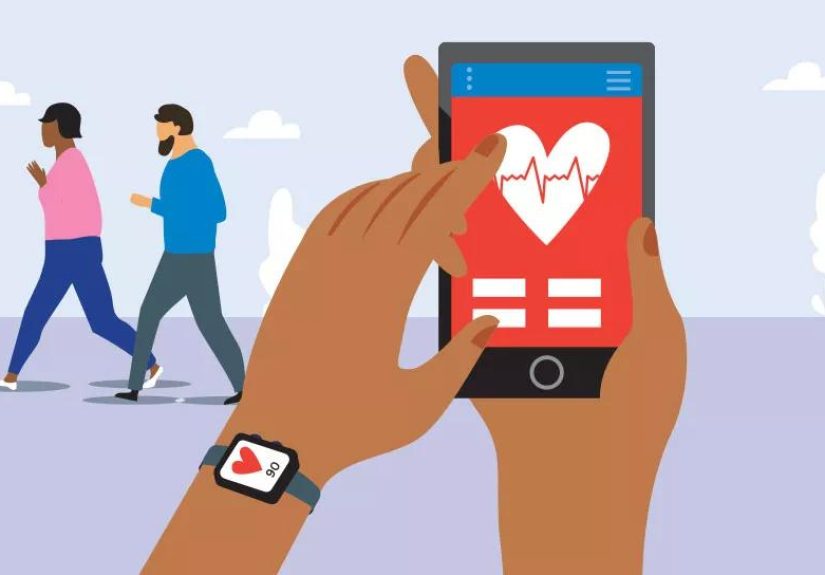
Whether you wear a smartwatch, strap on a chest band, or use an armband monitor, tracking your heart rate can improve your fitness decisions, support heart-healthy habits, and give you a clearer picture of your overall well-being. Let’s break down how heart rate monitors benefit your health, how to interpret the numbers without spiraling, and how to actually use the data in real life.
What a Heart Rate Monitor Actually Measures (and Why That Matters)
A heart rate monitor tracks how many times your heart beats per minute (BPM). That sounds simple, but it’s powerful because heart rate responds to what your body is doingexercise intensity, stress, illness, sleep quality, hydration, caffeine, even how dramatic your Monday is.
Common types of heart rate monitors
- Wrist-based monitors (smartwatches/fitness trackers): Usually use optical sensors (light-based) to estimate pulse from blood flow. Convenient, good for trends, sometimes less accurate during high-motion activities.
- Chest strap monitors: Typically measure electrical signals from the heart (similar to ECG-style sensing). Often the most accurate for workouts, intervals, and sports with lots of arm movement.
- Armband monitors: Optical sensors on the upper arm can be more stable than the wrist for some people.
The real win isn’t “knowing your heart rate” in a trivia-night sense. It’s knowing how your body responds to effort and recoverythen using that insight to make better choices that add up over weeks and months.
The Biggest Health Benefits of Heart Rate Monitors
1) You can dial in exercise intensity (instead of guessing)
Many people either work out too lightly to build fitness or go too hard too often and burn out. Heart rate monitoring helps you find the sweet spot. It’s especially useful for aerobic trainingwalking, running, cycling, swimming, rowingwhere intensity is the main lever you control.
A popular framework is training in target heart rate zones. For most adults, moderate-intensity activity often lands around 50–70% of estimated max heart rate, while vigorous activity often lands around 70–85%. That range helps you match workouts to goals (health, endurance, performance) without turning every session into a near-death experience.
2) You can build cardiovascular fitness more efficiently
Improving cardiovascular fitness isn’t about suffering; it’s about consistency and the right stimulus. A heart rate monitor makes it easier to:
- Stay steady during endurance workouts so you don’t start fast and fade hard.
- Structure intervals (hard/easy segments) with more precision than “go until your soul leaves your body.”
- Progress gradually by tracking how the same pace feels over time (often, heart rate goes down at the same effort as you get fitter).
Example: If a brisk walk puts you at 135 BPM today, and after 6–8 weeks you’re walking faster at 125 BPM, that’s a meaningful sign your heart is getting more efficienteven if your scale is being emotionally uncooperative.
3) You can support weight management with more clarity
Calorie burn estimates from wearables can be imperfect, but heart rate data still helps with weight management because it helps you:
- Keep more workouts in a sustainable moderate zone (the kind you can repeat tomorrow).
- Avoid “accidental interval training” when your plan was a recovery day.
- Pair intensity with duration realisticallybecause a 15-minute all-out session doesn’t always beat a consistent 45-minute moderate session for habit-building.
If you want a simple reality check, combine heart rate monitoring with the talk test: during moderate intensity you can talk but not sing; during vigorous intensity you can’t say more than a few words without pausing for breath. Heart rate adds numbers to that lived experience so you can repeat what works.
4) You can track recovery signals (before your body forces a timeout)
One of the most underrated benefits of heart rate monitoring is what happens outside workouts:
- Resting heart rate (RHR): Over time, many people see a lower resting heart rate with improved fitness. A sudden, sustained bump can also show up when you’re stressed, under-slept, getting sick, dehydrated, or overreaching in training.
- Heart rate recovery: How quickly your heart rate drops after exercise can be a helpful fitness signal. Faster recovery often reflects better cardiovascular conditioning.
- Heart rate variability (HRV): HRV is the variation in time between beats and is linked to how your nervous system handles stress and recovery. Many wearables estimate HRV during sleep or rest. It’s best used as a trend, not a daily verdict on your worth as a human.
Practical takeaway: If your resting heart rate is higher than usual for several days and you feel flat, that can be a hint to scale back intensity, prioritize sleep, hydrate, and choose an easier workout (or an actual rest dayradical, I know).
5) You can train safely when you have health considerations
Heart rate monitoring can be especially helpful if you’re returning to exercise after time off, managing a chronic condition, or following guidance from a clinician or cardiac rehab team. Real-time feedback can help you stay within a recommended range, avoid overexertion, and build confidence.
Important note: medications (like certain blood pressure meds) can affect heart rate response. If your heart rate doesn’t behave “as expected,” use perceived exertion, the talk test, and your clinician’s advice as your north star.
6) You get motivation that’s actually measurable
Motivation is fickle. Data is… also fickle, but in a more helpful way. A heart rate monitor can turn “I think I’m getting fitter?” into: “My heart rate is 10 beats lower at the same pace than it was last month.” That’s progress you can feel and see.
7) You may catch “red flags” sooner (without self-diagnosing)
Some wearables offer features like irregular rhythm notifications or ECG recordings. These tools can be useful prompts to seek medical evaluation, but they are not perfect and are not a substitute for professional care. Think of them as an early heads-up, not a final answer.
How to Read the Numbers Without Overthinking Them
Resting heart rate: your “baseline beat”
Many healthy adults fall somewhere around 60–100 BPM at rest, and trained athletes may be lower. What matters most is your personal baseline and how it trends. A single high day can happen because of stress, alcohol, dehydration, poor sleep, illness, or a tough workout.
Target zones: a map, not a prison
Heart rate zones are guides. Your estimated max heart rate (often simplified as 220 minus age) is just thatan estimate. If your watch says you’re “in the wrong zone” but you can carry a light conversation and feel steady, your body gets a vote.
Heart rate reserve: a more personalized option
If you want more individualized targets, some people use heart rate reserve (also called the Karvonen method), which accounts for your resting heart rate. This can better reflect differences between someone with a resting rate of 50 and someone with a resting rate of 80, even if they’re the same age.
Accuracy Tips: Avoiding “My Watch Thinks I’m a Hummingbird” Moments
Wearable heart rate monitors can be quite good, but accuracy can vary based on device type and activity. Wrist-based optical sensors may struggle more during high-intensity intervals, strength training, cold weather, or exercises with lots of wrist motion. Chest straps often perform better during structured training because they’re measuring electrical signals more directly.
Quick ways to improve readings
- Wear it snug (not tourniquet-tight): A loose sensor is a confused sensor.
- Move it slightly up the arm: Many people get better readings just above the wrist bone.
- Warm up: Blood flow improves, and optical sensors often behave better.
- Use a chest strap for intervals: If you need precision for training zones, this is a strong upgrade.
- Look for trends: One weird spike is noise. Repeated patterns are information.
How to Use a Heart Rate Monitor for Common Health Goals
Goal: Improve heart health and endurance
Keep most sessions in a comfortable-to-moderate zone where breathing is heavier but controlled. Use the talk test and your heart rate together. Aim for consistency across the week rather than heroic one-off workouts.
Goal: Lose weight (or maintain it) without burning out
Use your monitor to avoid going “too hard too often.” Many people can stick with moderate-intensity workbrisk walking, cycling, steady jogging more reliably than frequent all-out sessions. Consistency wins because it’s repeatable and pairs well with sustainable nutrition.
Goal: Boost performance
Use heart rate to structure intervals and recovery. For example:
- Warm-up: Easy pace until heart rate stabilizes.
- Intervals: Short hard efforts with easy recovery until heart rate comes down.
- Cool-down: Easy movement to help recovery and reduce post-workout “brick legs.”
Goal: Manage stress and sleep
Your heart rate doesn’t only react to workoutsit reacts to life. Many wearables track sleeping heart rate and HRV estimates. If your sleep is short and fragmented, you may see higher overnight heart rate and poorer recovery signals. Use that as a nudge to: reduce caffeine late in the day, walk after meals, get morning light, and keep intense workouts for days you’re actually recovered.
Choosing the Right Heart Rate Monitor
The best heart rate monitor is the one you’ll actually use. Here’s a simple decision framework:
- If you want accuracy for training: Consider a chest strap, especially for intervals, cycling, rowing, and high-motion workouts.
- If you want all-day wellness insights: A smartwatch/fitness tracker is convenient for trends (resting heart rate, sleep, daily movement).
- If wrist readings frustrate you: Try an armband monitor for a more stable optical signal.
Look for features that match your goals: real-time heart rate display, zone alerts, workout summaries, easy syncing, comfortable fit, and battery life. Fancy extras are fun, but the basicsconsistent tracking and usable feedbackdeliver the real value.
Common Mistakes People Make (So You Can Skip Them)
- Obsessing over one workout: Fitness is a long-term trend, not a single data point.
- Ignoring how you feel: Heart rate is a tool, not a replacement for body awareness.
- Comparing your numbers to everyone else: Your baseline is personal. Your progress is personal.
- Training hard every day: If every session is “vigorous,” nothing is. Mix intensities for better results.
- Assuming wearables are diagnostic: If something feels off, use the data as a prompt to seek medical advice.
Real-Life Experiences: What Heart Rate Tracking Looks Like Day to Day (About )
Heart rate monitors don’t just help athletes chasing medals. They help regular humansbusy, tired, occasionally motivatedmake healthier choices with less guesswork. Here are a few real-world scenarios that show why heart rate monitoring can be a game-changer.
The “I Always Go Too Hard” New Runner
One of the most common experiences is the runner who starts every jog like it’s the final scene of an action movie. Their heart rate shoots up, breathing gets ragged, and the workout turns into a suffer-fest. With a heart rate monitor, they try something counterintuitive: slowing down to stay in a moderate zone. At first, it feels almost comically easylike they’re “not doing enough.” But two weeks later, they realize they can run longer without feeling wrecked. A month later, they’re running faster at the same heart rate. The monitor didn’t make them fitter by itself; it simply stopped them from accidentally turning every run into a stress test.
The Desk Worker Who Thought Stress Was “Normal”
Another common story: someone notices their heart rate stays oddly elevated on workdays, even when they’re sitting still. They’re not exercisingjust answering emails and surviving meetings. Seeing the pattern helps them connect the dots between stress and physiology. They start doing short “reset walks” and five-minute breathing breaks. Over time, their resting heart rate trend improves, and they feel less wired at night. The biggest win is awareness: they stop treating constant tension as background noise and start managing it like a real health factor.
The Parent Using Walking to Rebuild Fitness
For many people, the “workout” is walkingbecause it’s accessible, low-impact, and realistic. A parent trying to regain energy might use a heart rate monitor to keep walks in a steady moderate range. If their heart rate climbs too high on hills, they slow down (or push the stroller with slightly fewer dreams and slightly more realism). Weeks later, the same route produces a lower heart rate. That’s encouraging, especially when life is too busy for dramatic transformations.
The Gym-Goer Who Learns Recovery Is Training Too
Some people discover the power of heart rate monitoring when they notice a pattern: after poor sleep or a hard week, their resting heart rate is higher and workouts feel harder. Instead of forcing intensity, they take an easier daylight cardio, mobility, or a simple strength session. The surprising result is that they progress faster overall because they stop stacking fatigue on fatigue. The monitor becomes a “recovery compass,” steering them away from overdoing it.
Across all these experiences, the theme is the same: heart rate data helps people train with more intention, recover with more respect, and make health decisions that are sustainable. It’s not about becoming a robot. It’s about using a little feedback to treat your heart like the valuable teammate it is.
Conclusion: A Small Device, A Big Health Advantage
Heart rate monitors benefit your health by turning invisible signals into practical guidance. They help you exercise at the right intensity, build cardiovascular fitness more efficiently, track recovery, and understand how stress and sleep affect your body. Used well, they’re less about obsessing over numbers and more about building habits that keep your heart strong for the long haul.
Start simple: wear the device consistently, learn your baseline resting heart rate, use heart rate zones as a guide, and pay attention to trends over time. If you have medical concerns or unusual symptoms, use the data as a prompt to talk to a healthcare professional.