Table of Contents >> Show >> Hide
- Representation in Design: Not a Buzzword, a Blueprint
- Step One: The Discovery Phase That Feels Like a Good Conversation
- Step Two: Designing How Clients Live (Not How Pinterest Pretends They Live)
- Step Three: Cultural Authenticity Without Turning a Home Into a Theme Park
- Step Four: The Statement Piece StrategyBecause Every Story Needs a Lead Actor
- Step Five: Exclusive Finds, Personal Details, and the “No One Else Has This” Feeling
- Step Six: Color as Identity (and Why Gray Isn’t a Personality Trait)
- Step Seven: Designing for Access, Comfort, and the Future Self
- The Red Room: When Design Speaks What Words Can’t
- How to Spot Authentic Client Representation (Even If You’re Not a Designer)
- What This Approach Looks Like in Practice: Three Quick Examples
- Experiences That Bring This Topic to Life (Added Depth)
- Conclusion: A Home That Represents You Is a Home That Works
There’s a particular kind of disappointment that only home design can deliver: you step into a “beautiful” room and immediately feel like you should whisper, not live. The sofa looks allergic to humans. The coffee table is staged like a museum exhibit. And somewhere, a throw blanket is draped at an angle so precise it probably has a protractor.
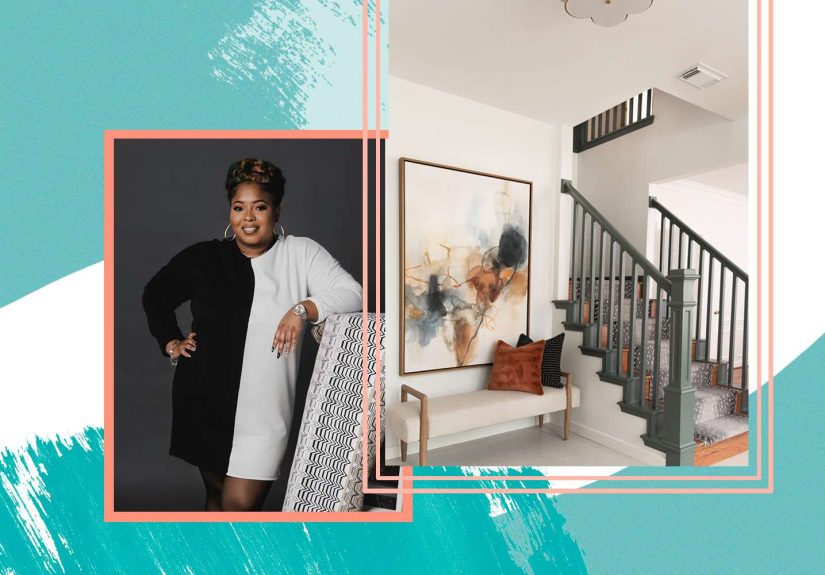
Lauren Ashley’s work pushes against that energy. Her philosophy is simple, bold, and surprisingly rare in an industry that sometimes treats homes like showrooms: the client should be the main character in every room. Not the trend. Not the algorithm. Not the “neutral palette” that’s been circulating since 2016 like a chain email you can’t unsubscribe from.
As a Houston-based interior designer and founder of Lauren Ashley Experiences, Ashley has spoken publicly about putting representation at the center of her processdesigning spaces that reflect how people live, how they want to feel, and how they want to be seen. That focus changes everything: the questions asked, the pieces selected, the stories honored, and the final resulta space that looks stunning, yes, but also feels unmistakably like the person who owns it.
Representation in Design: Not a Buzzword, a Blueprint
“Representation” can sound like a big concept until you translate it into everyday life. It means your space acknowledges your real routines (late-night snacks count), your culture, your memories, your quirks, your needs, your people. It means you don’t have to edit yourself to fit the room. The room fits you.
Ashley has described her approach as intensely client-focused: understanding how clients use a space, how they want to feel in it, and how they want to be seen. That last part is the secret sauce. Many designers can make a room “pretty.” Designing a room that makes someone feel recognized? That’s deeper work.
When a designer is committed to authentic client representation, the project stops being “Let’s pick a vibe.” It becomes “Let’s tell the truth.” The truth can be layered. It can include heirlooms, art with meaning, color with emotion, and layouts that support the way a family actually moves through the day. It can also include quiet design choices that offer comfort, dignity, and accessibilitybecause being seen also means being supported.
Step One: The Discovery Phase That Feels Like a Good Conversation
Authentic design starts long before the first fabric swatch hits the table. It begins with listeningand not the polite kind of listening where someone nods while mentally shopping for pendant lights. Real listening.
In the wider design world, many pros use structured discovery toolsclient questionnaires, interviews, lifestyle assessmentsto gather details that go beyond “Do you like modern?” They’re digging for decision-making clues: morning routines, storage pain points, entertaining habits, sensory preferences, budget boundaries, and the emotional goal of the space.
This is where Ashley’s “clients to the forefront” mindset shines. If your client wants the kitchen to feel like their grandmother’s warmth without recreating the exact 1993 wallpaper situation, you’re not just picking cabinetsyou’re translating a memory into materials, light, and layout.
What “client-first questions” actually sound like
- How do you want to feel here? Calm, energized, protected, creative, celebrated?
- What parts of your life should this room support? Homework chaos, dinner parties, solo decompression, multigenerational family time?
- What matters enough to display? Artwork, cultural objects, travel pieces, family photos, collectionsyes, even the “weird little ceramic frog.”
- What do you never want again? Clutter traps, stubbed toes, glare, awkward traffic flow, “where do we put the backpacks?”
The point is not to interrogate. The point is to understand. When you understand the client, the design decisions stop being guessworkand start being personal.
Step Two: Designing How Clients Live (Not How Pinterest Pretends They Live)
A room can be visually perfect and functionally useless. That’s how you end up with a gorgeous entryway and nowhere to set your keyslike the space was designed for a photo shoot, not a life.
Client representation means functionality is not the boring part. It’s the respect part. When a designer maps the flow of daily lifewhere people walk, pause, drop bags, charge devices, gather, and unwindthe room becomes easier to inhabit. And when it’s easier to inhabit, it becomes easier to love.
Think about an open-plan living area. A trend-based approach might prioritize symmetry and minimalism. A client-centered approach might prioritize:
- Zones for conversation, reading, gaming, and work-from-homeso the space serves multiple identities.
- Durability for kids, pets, or frequent hosting (beauty that doesn’t crumble under tortilla chips).
- Storage that’s intuitive, not hidden behind a maze of “decorative” baskets.
- Lighting layers that support mood and task needsbecause overhead glare is not a personality.
This practical side also intersects with wellness. Design organizations and researchers increasingly discuss how environments shape emotionsthrough comfort, psychological safety, and a sense of fulfillment. In plain English: your home can make you feel better on purpose, not by accident.
Step Three: Cultural Authenticity Without Turning a Home Into a Theme Park
One of the most meaningful parts of Ashley’s public interviews is her emphasis on drawing inspiration from clients’ backgrounds and using items that authentically represent the people living in the space. That doesn’t mean slapping a “global” print on a pillow and calling it heritage. It means treating culture as lived experience, not décor.
Here’s what authentic cultural representation can look like in real projects:
- Art choices that reflect personal history, community, and identitycommissioned pieces, local artists, family-created work.
- Materials and patterns that echo meaningful references (textiles, motifs, handmade objects) without becoming costume.
- Family storytelling through gallery walls or curated displays that celebrate milestones and ancestors.
- Hospitality-driven layouts that reflect cultural gathering stylesbigger dining zones, flexible seating, warm lighting, and “stay awhile” comfort.
The difference is intention. A trend borrows. Authentic representation honors.
Step Four: The Statement Piece StrategyBecause Every Story Needs a Lead Actor
Ashley has said she tries to incorporate a statement piece in every spaceart, distinctive furniture, or special wall coverings that anchor the room and give it character. This isn’t “buy one expensive thing and pray.” It’s a storytelling method.
A statement piece works when it’s chosen for meaning as much as impact. It becomes a visual shorthand for who the client is. For example:
- A bold artwork that reflects a client’s heritage or a city they love.
- A vintage chair that matches the client’s “I thrift like a champion” identity.
- A wallpaper in a powder room that functions as a mini confidence zonewhere the client can go big without committing the entire home to drama.
- A custom headboard that turns a bedroom into a personal sanctuary instead of a generic “sleep space.”
Bonus: statement pieces reduce decision fatigue. When the room has a clear focal point, everything else can support it. That’s not just good designit’s good sanity.
Step Five: Exclusive Finds, Personal Details, and the “No One Else Has This” Feeling
Another detail Ashley has discussed: she likes sourcing from exclusive trade destinations so clients can access a curated selection of pieces that feel distinctive. Whether a client is building a home from scratch or refreshing one room, this approach helps avoid the “I’ve seen that exact lamp in three influencers’ living rooms” syndrome.
But uniqueness isn’t only about rare products. It’s also about personal layering:
- Displaying meaningful objectscollections, mementos, travel findsin a way that feels intentional (curated, not chaotic).
- Mixing old and newbecause authenticity usually includes history.
- Letting a home evolveso the space tells a continuing story, not a one-time “reveal.”
The best represented clients don’t walk into their finished space and say, “Wow, this looks expensive.” They say, “Wow… this looks like me.”
Step Six: Color as Identity (and Why Gray Isn’t a Personality Trait)
Ashley has openly said she’s tired of “anything gray” and would rather bring in color. Whether you agree or you’re currently clutching your gray throw blanket like a security object, her point is bigger than pigment: color is emotional language.
When a designer helps a client choose color based on how they want to feelenergized, soothed, grounded, playfulthe result becomes personal. Color can represent culture, memory, mood, even rebellion against a decade of “greige” dominance.
And if a client is nervous? Start small. Many designers recommend experimenting in low-pressure spacespowder rooms, entryways, hallways, closetswhere bold choices feel exciting instead of terrifying. Representation doesn’t require turning the whole house into a carnival. It requires giving the client permission to be visible.
Step Seven: Designing for Access, Comfort, and the Future Self
“Representation” is also about designing for bodies and abilitiespresent and future. In the U.S., universal design principles emphasize making spaces usable by as many people as possible, without needing adaptation later. This can show up subtly:
- Wider pathways and clear circulation routes.
- Easy-to-use hardware (like lever handles).
- Better lighting for visibility and comfort.
- Bathrooms that can adapt over time with smart layouts.
Even if a client isn’t thinking about aging in place, inclusive design is still client-centered design. It says: you deserve a space that supports your lifenot just today’s aesthetic.
The Red Room: When Design Speaks What Words Can’t
One of Ashley’s most memorable public stories is a “red room” she designed during the Black Lives Matter movementusing the space as an emotional statement when words weren’t enough. In her telling, the red paint symbolized anger and urgency, and the details carried empowering messages and intentional symbolism.
Whether a client’s story is political, cultural, personal, or all of the above, the lesson is powerful: design can be a form of voice. Not every project needs to be that intense, but every project benefits from that level of intentionbecause intention is what turns décor into identity.
How to Spot Authentic Client Representation (Even If You’re Not a Designer)
If you’re a homeowner choosing a designer, or a design enthusiast trying to refine your own space, here are practical signs you’re on the “authentic representation” path:
1) The process starts with your life, not their portfolio
A great designer will ask about routines, feelings, priorities, and constraints before recommending anything. If the first question is “Do you want modern farmhouse?” rununless you truly want modern farmhouse, in which case proceed with cautious enthusiasm.
2) Your space includes something that couldn’t belong to anyone else
This might be art, family pieces, cultural references, or a statement detail that reflects your taste. It’s the design equivalent of a signature.
3) The room functions better than it photographs
Photos matter, but daily life matters more. Authentic representation prioritizes comfort, flow, storage, and use.
4) Trends are filtered through your identity
Trends can be funlike trying on outfits. But representation means the client decides what stays, what goes, and what becomes part of their story.
What This Approach Looks Like in Practice: Three Quick Examples
Example A: The “We Host Everyone” Living Room
A client loves big gatherings, family meals, and spontaneous celebrations. A representation-driven plan might add flexible seating, layered lighting, durable textiles, and a statement art piece tied to the client’s communitycreating a room that feels welcoming instead of precious.
Example B: The “Quiet Sanctuary” Bedroom
Another client wants the bedroom to feel calming and protected. The design might use softer textures, gentle color, thoughtful sound and light control, and a custom headboard detail that makes the space feel personallike it was designed for rest, not for scrolling.
Example C: The “Identity Forward” Entryway
The entryway becomes a mission statement: meaningful art, a bold wall covering, and practical storage that supports everyday life. It tells guests, “This home belongs to real people with real stories.”
Experiences That Bring This Topic to Life (Added Depth)
To understand how “authentic representation” shows up in real design journeys, it helps to zoom in on the moments that usually don’t make the highlight reel. The most meaningful client experiences often happen in the in-between: the first call when someone admits they’re overwhelmed, the mid-project pivot when a family realizes they need more function than fantasy, and the quiet “oh wow” moment when a client recognizes themselves in the finished space.
One common experience designers hear is this: clients don’t always know what they want, but they know what they’re tired of. They’re tired of clutter. Tired of bumping into furniture. Tired of rooms that look nice but feel wrong. A representation-focused process treats that frustration as useful data. If a client says, “I hate my kitchen,” the real translation might be, “I feel stressed in my kitchen.” That’s a design brief you can build from: reduce friction, improve flow, add storage where it’s actually needed, and choose finishes that feel like the clientso the space stops fighting them.
Another experience that pops up often is the “identity edit” moment. Many clients have been conditioned to hide the things that matter to themfamily photos tucked away, cultural objects left in boxes, collections treated like clutter. Then a designer says, “No, that belongs in the story.” Suddenly the home starts acting like a home. A framed quilt square becomes art. A set of inherited dishes becomes a display. A playlist of memories becomes a gallery wall. The client doesn’t just get a prettier roomthey get permission to be visible.
There’s also the very real experience of designing for multiple people at once. A couple may have wildly different preferences: one wants minimal calm, the other wants bold personality. A family may need kid-proof durability without sacrificing beauty. A multigenerational home may require comfort and accessibility without making anyone feel “othered.” Representation in these situations looks like balance: creating zones, choosing materials that can survive real life, and making sure everyone sees themselves reflectedwithout turning the house into a committee-designed compromise.
Then you have the “confidence build” journeywhere a client wants to take risks but fears regret. This is where concepts like small-scale experimentation (a powder room wallpaper, a dramatic entry light, a bold paint moment) become powerful. Clients learn their taste by living with it. They learn that color can feel energizing, not scary. They learn that personality doesn’t have to mean chaos. Over time, these small wins compound, and the client’s home becomes a clearer mirror of who they are.
Finally, there’s the experience that ties everything together: the handoff. The room is finished, the staging is done, and the client steps in. The best reactions are rarely about price tags. They’re about recognition. “This feels like us.” “This feels like home.” “I didn’t realize a room could make me feel this calm.” That’s the outcome of authentic representationdesign that doesn’t just decorate space, but supports identity, daily life, and the way a client wants to show up in their world.
Conclusion: A Home That Represents You Is a Home That Works
Lauren Ashley’s client-first philosophy is a reminder that great interior design is not about performing perfection. It’s about building belonging. When a designer prioritizes how clients live, how they want to feel, and how they want to be seen, the results are more than stylishthey’re personal, functional, and emotionally resonant.
The best-designed spaces don’t make you tiptoe. They make you exhale. They give your story a home address.