Table of Contents >> Show >> Hide
- How Many Likes Do You Get on Hinge, Really?
- What Hinge Actually Controls (and Why It Matters)
- Why Some People Get More Likes Than Others
- How to Get More Likes on Hinge (Without Becoming a Try-Hard)
- 1) Upgrade Your First Three Photos
- 2) Write Prompt Answers That Are Specific and Easy to Reply To
- 3) Stop Writing for “Everyone”
- 4) Send Comments, Not Just Likes
- 5) Use Hinge’s Built-In Profile Tools
- 6) Reply Faster After You Match
- 7) Try Voice Notes (If It Fits Your Style)
- 8) Be Active at Better Times
- 9) Build Trust Into Your Profile
- 10) Optimize for the Right Likes, Not More Likes
- Common Hinge Mistakes That Quietly Kill Your Like Count
- What a “Good” Hinge Profile Looks Like in Practice
- Experience-Based Examples: What Actually Happens on Hinge (and What Works)
- Experience 1: “I Thought I Needed Better Photos, But I Needed Better Prompts”
- Experience 2: “I Was Getting Likes, But No Dates”
- Experience 3: “My Like Count Went Up When I Got More Polarizing (In a Good Way)”
- Experience 4: “A Better First Photo Changed Everything”
- Experience 5: “I Used to Spray Likes Everywhere”
- Experience 6: “I Felt Burned Out Until I Focused on Quality”
- Final Takeaway
Let’s start with the answer everyone wants but nobody loves: there is no magic number. If you’ve ever opened Hinge, sent a few likes, and then stared at your phone like it owed you an explanation, you’re not alone. Some people get a steady stream of likes. Others get a quiet trickle. And some get one like, disappear for a week, then come back convinced the algorithm is personally offended. (It’s not. Probably.)
The truth is, how many likes you get on Hinge depends on a messy mix of profile quality, location, age range, activity timing, preferences, and how well you use Hinge’s features. The good news? A lot of that is fixable. You don’t need to become a stand-up comedian, amateur model, or mysterious traveler with a photo on every continent. You just need a better strategy.
In this guide, we’ll break down what “normal” looks like on Hinge, what actually affects your like count, and the best tips for getting more likes (and better matches) without turning your profile into a cringe marketing campaign.
How Many Likes Do You Get on Hinge, Really?
There isn’t a universal benchmark that Hinge publicly publishes for “average likes received” per user. So if you’re searching for a single number like “you should get 12 likes a day,” you’ll come up empty. What Hinge does make clear is how the app works: free users have a limited number of outgoing likes per day, while Hinge+ and HingeX users can send unlimited likes.
That means your results are shaped by supply and demand in your local dating pool. In some cities, the competition is intense and people move fast. In others, the pool is smaller but more intentional. Add in your profile photos, prompts, and timing, and your like count can swing a lot from week to week.
So instead of chasing a random number, focus on these healthier benchmarks:
- Are your likes turning into matches?
- Are your matches turning into conversations?
- Are conversations actually leading to dates?
- Are the people liking you aligned with what you want?
In other words: quality beats vanity metrics. Ten solid likes from people you’d actually want to meet is better than fifty “meh” likes and a headache.
What Hinge Actually Controls (and Why It Matters)
Free vs. Paid: Outgoing Likes Work Differently
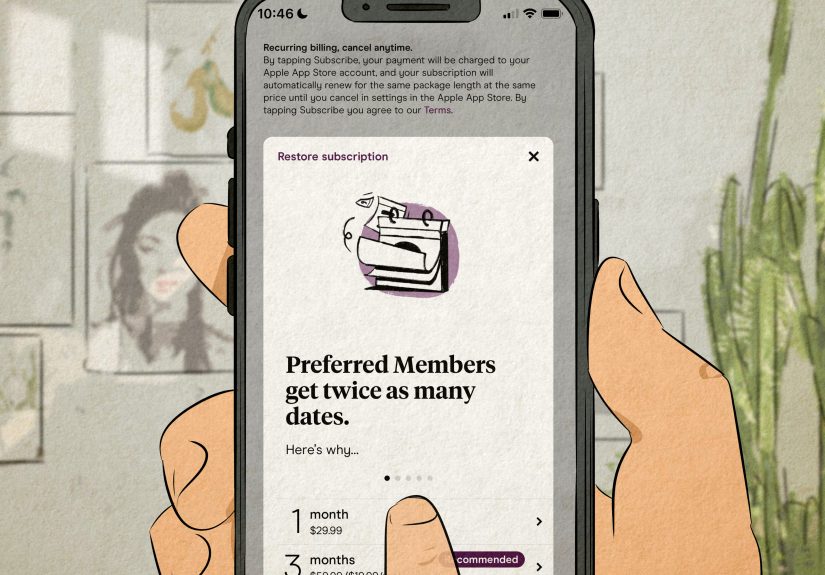
Hinge is free to use, but the free version limits how many likes you can send each day. Hinge+ and HingeX subscribers can send unlimited likes and see all incoming likes at once, which can speed up the whole process.
Translation: if you’re on the free plan, you need to be pickier and more intentional with the likes you send. The app basically forces you to think before tapping the heart, which is honestly not the worst relationship lesson.
Comments Beat Silent Likes
Hinge is built around liking specific parts of a profile (a photo or prompt), and that’s a huge advantage. The app itself repeatedly encourages comments because they help you stand out. A plain like says, “Hi.” A comment says, “I read your profile and I have a personality.”
If you want more matches from the likes you sendand more incoming interest over timelearn to leave short, thoughtful comments. You don’t need a novel. You need one smart observation, one playful question, or one specific reaction.
Roses, Standouts, and Priority Likes
Hinge also gives you “Roses,” which push you to the top of someone’s Likes You screen. Free users get one free Rose per week (use it or lose it), and you can buy more if you want. In Standouts, you can only send Roses, not regular likes.
If you use HingeX, your outgoing likes can also get priority placement for a period of time. That doesn’t guarantee a match, but it improves visibilityhelpful when someone’s inbox is busy and your profile would otherwise get buried under twenty “Hey” messages and a guy holding a fish.
Hinge Is Pushing Quality, Not Endless Collecting
Hinge’s “Your Turn Limits” feature is designed to keep people from hoarding matches without replying. If too many conversations are waiting on you, the app can limit your ability to send or receive new likes until you respond or close old chats.
That matters because your “success” on Hinge isn’t just profile-based. Responsiveness matters too. A profile that gets likes but never replies won’t perform as well long term as someone who matches and actually talks like a human.
Why Some People Get More Likes Than Others
1) Your First Photo Is Doing Most of the Work
Hinge’s own product updates make this painfully clear: your first photo is crucial. They even introduced a “Top Photo” feature that uses machine learning to test and surface the photo most likely to get a like.
If your first photo is dark, blurry, cropped, or makes people play “Which one are you?” in a group shot, your like rate will sufferno matter how charming your prompts are.
2) Generic Prompts Get Generic Results
Hinge is a prompt-driven app. That’s the whole vibe. If your answers sound like they were copied from a beige wall (“I love to laugh, travel, and have fun”), people don’t know what to do with that. There’s nothing to respond to.
Strong prompts are specific, a little vivid, and easy to reply to. Think details, not slogans. “I make a dangerously good breakfast burrito” is better than “I like food.” Yes, both are technically true. Only one starts a conversation.
3) Your Location and Demographics Matter More Than You Think
Online dating experiences vary by age, gender, and other factors. Research shows people use dating apps differently across demographics, and many users also report very different volume experiences (for example, feeling overwhelmed vs. not getting enough messages). That means comparing your Hinge results to your friend’s results is often useless unless your profiles, age range, location, and dating preferences are basically identical.
4) Timing Changes Everything
Hinge’s own Dating Sunday data shows that activity spikes at certain hours. In the U.S., Hinge reported the highest volume of likes around 8 PM EST, messages around 9 PM EST, and voice notes around 10 PM EST during Dating Sunday trends.
You don’t need to only date on one Sunday a year, obviously, but the bigger lesson is simple: timing matters. Sending likes and replying when people are active gives you better odds of getting seen and answered.
How to Get More Likes on Hinge (Without Becoming a Try-Hard)
1) Upgrade Your First Three Photos
If you do nothing else, fix your photos. Start with these rules:
- Use a clear, bright first photo with your face visible.
- Avoid sunglasses in your main photo.
- Use mostly solo photos (one group photo is plenty).
- Mix close-up and full-body shots.
- Include one “life” photo (hobby, travel, cooking, sports, etc.).
- Skip heavily filtered or obviously edited photos.
Hinge’s verification guidance also favors clear, front-facing, unfiltered images, which is a good clue for profile quality in general. If your photos look real and recent, you’ll likely get more trust and more likes.
2) Write Prompt Answers That Are Specific and Easy to Reply To
Great Hinge prompts do three things:
- Show personality
- Reveal something real
- Invite a response
Try this formula:
Prompt answer = specific detail + opinion + easy hook
Example:
“I’ll know it’s going well if… we accidentally stay at the restaurant until they stack the chairs, and we still haven’t settled our debate about the best pizza style.”
Why it works: it’s visual, playful, and gives people multiple ways to respond (restaurants, pizza, long conversations, date style).
3) Stop Writing for “Everyone”
One of the biggest mistakes on Hinge is trying to be universally appealing. That creates a flat profile. You’ll get more likes when your profile feels like a person, not a focus group.
It’s okay if someone reads your profile and thinks, “Not for me.” Good. That means the right people can finally find you faster.
4) Send Comments, Not Just Likes
Hinge has been loud and clear about this: comments perform better. A thoughtful comment is more likely to get a response than a silent like, and Hinge’s own data also points to better date outcomes when likes include comments.
Best comment styles:
- Specific question: “Okay, but what’s your go-to karaoke song?”
- Playful challenge: “Hot take: crunchy peanut butter is elite. Defend your position.”
- Shared interest: “You had me at bookstore date. What’s your favorite section?”
- Callback: Reference something small in a photo or prompt to prove you actually looked.
Avoid “hey,” “beautiful,” or copy-paste compliments. Those get ignored because they feel like they were sent to everyone in a ten-mile radius.
5) Use Hinge’s Built-In Profile Tools
Hinge now offers features like Top Photo and Prompt Feedback to help users optimize their profiles. If the app is literally giving you feedback and testing your photo order for you, use it. This is one of the rare times in life where the algorithm can actually be helpful.
Also consider:
- Refreshing stale prompt answers every few weeks
- Testing a new first photo
- Rotating in a better hobby or social photo
- Making sure your prompts don’t all sound the same (humor + values + lifestyle works well)
6) Reply Faster After You Match
Getting likes is only half the game. Hinge’s dating advice and product updates consistently emphasize momentum: reply sooner, keep the conversation moving, and don’t let good matches die in your inbox.
If you’re someone who gets likes but loses conversations, your issue may not be profile quality. It may be timing. A decent message today beats a perfect message three days later.
7) Try Voice Notes (If It Fits Your Style)
Voice Notes can add personality quickly once you match. Hinge reports that conversations with voice notes were more likely to lead to dates in their internal trend data, and even outside Hinge, surveys show voice elements can be a green flag for many daters.
Keep it short and natural. Think “warm and easy” rather than “podcast host audition.”
8) Be Active at Better Times
You don’t need a spreadsheet (unless that’s your thing), but a little timing strategy helps:
- Check Hinge in the evening when people are more active
- Send likes when you can reply soon after matching
- Avoid long gaps if you’re in an active conversation
- Use your weekly Rose intentionally, not randomly
9) Build Trust Into Your Profile
Online dating can feel risky for a lot of people, and research backs that up. Users worry about fake profiles, harassment, and scams. The more trustworthy your profile feels, the more likely people are to engage.
Trust signals include:
- Clear, recent photos
- Consistent information across prompts and photos
- A profile that sounds like a real person (not over-polished)
- Optional verification features if you’re comfortable using them
Bonus: being thoughtful about safety also helps you date better, not just get more likes. If someone pushes to move off-platform too fast or starts asking for money, that’s not romance. That’s a scam in a nice shirt.
10) Optimize for the Right Likes, Not More Likes
This is the part nobody wants to hear, but it’s the most useful: a profile that attracts everyone often attracts no one meaningful. If your goal is a relationship, write prompts and choose photos that make the right people think, “Oh, I get this person.”
More likes can be fun. Better likes change your actual dating life.
Common Hinge Mistakes That Quietly Kill Your Like Count
- All your photos look the same. (Same angle, same face, same lighting, same “I promise I’m fun” expression.)
- Your prompts are too vague. People can’t reply to “I love adventures.”
- You’re too negative. “Don’t be boring” scares off good matches and attracts arguments.
- You never comment. Silent likes are easy to ignore.
- You take forever to reply. Momentum dies fast on dating apps.
- You’re profile-perfect but conversation-flat. If your opener is weak, the match won’t matter.
What a “Good” Hinge Profile Looks Like in Practice
A strong Hinge profile is not the most glamorous one. It’s the most usable one.
That means:
- People can tell what you look like quickly
- They can understand your vibe in under a minute
- They have at least 2–3 easy ways to start a conversation
- Your profile feels real enough to trust
- Your prompts hint at what dating you would actually be like
If your profile does those five things, your likes usually improveeven if you don’t look like you were handcrafted in a Scandinavian skincare lab.
Experience-Based Examples: What Actually Happens on Hinge (and What Works)
Below are composite, real-world style experiences based on common patterns daters and dating experts describe. They’re useful because they show how small changes can affect the number and quality of likes you get.
Experience 1: “I Thought I Needed Better Photos, But I Needed Better Prompts”
One dater kept updating photos every week and still wasn’t getting many likes. The photos were fineclear face, decent lighting, normal human behavior. The real issue was the text. Every prompt answer was generic: “I love travel,” “I like good food,” “Looking for someone genuine.” Nothing was wrong with it, but nothing stood out either.
After rewriting prompts with specific details (“I judge brunch spots by their potatoes,” “My ideal Sunday includes a long walk and a bookstore stop,” “Teach me your family’s comfort food recipe”), their profile became easier to respond to. The number of likes didn’t explode overnight, but the quality improved fast. More people commented. More conversations felt natural. And the matches were more aligned.
Experience 2: “I Was Getting Likes, But No Dates”
Another common scenario: plenty of likes, not much progress. This person had a good-looking profile and got regular attention, but conversations fizzled. The problem turned out to be response timing and messaging style. They waited a day or two to respond (trying to seem busy) and used low-effort replies like “haha” or “nice.”
Once they started replying sooner and using more specific follow-ups (“That hiking trail sounds greatwas it beginner-friendly?”), conversations lasted longer. They also started using voice notes occasionally, which made the chat feel more personal. Same profile, better communication, much better results.
Experience 3: “My Like Count Went Up When I Got More Polarizing (In a Good Way)”
This one surprises people. A dater was trying hard to appeal to everyone and ended up sounding like an office newsletter. Safe. Pleasant. Forgettable.
Then they made their profile more specific: a weirdly strong opinion about movie theater snacks, a prompt about learning salsa dancing, and a photo from a weekend pottery class. Did some people skip? Absolutely. But the people who liked the profile were much more enthusiastic and easier to talk to because they had something real to latch onto.
The lesson: being a little more “you” can reduce random likes and increase meaningful ones. That’s a win.
Experience 4: “A Better First Photo Changed Everything”
A lot of daters overthink prompts and underestimate the first image. One person used a stylish but dark bar photo as their main picture. It looked cool, but it also looked like a witness protection still frame.
They swapped it for a brighter, front-facing outdoor photo and kept the rest of the profile the same. The result? More likes, faster. Why? Because people could actually see them. Sometimes the best optimization strategy is not “be more interesting.” It’s “be visible.”
Experience 5: “I Used to Spray Likes Everywhere”
Free users especially run into this: sending likes too quickly without commenting, then feeling frustrated when nothing lands. A more intentional approach works better. One dater started using a simple rule: only send a like if they could leave a real comment. That cut down the number of outgoing likesbut increased matches.
It also made the app less exhausting. Instead of doom-scrolling through profiles and tapping the heart on autopilot, they engaged with fewer people and had stronger conversations. Less volume, more traction.
Experience 6: “I Felt Burned Out Until I Focused on Quality”
This is maybe the most relatable experience of all. Dating apps can start to feel like homework. The turning point for many people is when they stop measuring success by how many likes they get in a week and start measuring by whether they actually enjoy the people they’re talking to.
A better profile can absolutely increase your like count on Hinge. But the bigger goal is to make your profile honest, engaging, and easy to respond to. That’s what gets you more likes and better dateswhich is kind of the whole point.
Final Takeaway
So, how many likes should you get on Hinge? There’s no fixed number, and anyone who gives you one is guessing. Hinge results vary a lot, but your profile and behavior still matter more than most people realize.
Start with your first photo. Improve your prompts. Send comments instead of silent likes. Use Hinge’s built-in tools. Reply faster. Be more specific. Be more real. Then track what happens over two to three weeksnot two to three hours.
That’s how you get more likes on Hinge. More importantly, that’s how you get better matches.