Table of Contents >> Show >> Hide
- The typical range: what most buyers pay
- Closing costs vs. prepaids: why your total feels confusing
- What’s included in buyer closing costs?
- 1) Lender fees (the “mortgage paperwork” costs)
- 2) Discount points (optional, but powerful)
- 3) Third-party services required for the loan
- 4) Title and settlement charges (the “is this home legally yours?” costs)
- 5) Government and recording fees (the “county wants its cut” costs)
- 6) Prepaids and escrow setup (often the biggest “surprise”)
- A specific example: what closing costs can look like in real life
- Why buyer closing costs vary so much
- How to estimate your closing costs early (without guessing wildly)
- How to reduce buyer closing costs (without resorting to wishful thinking)
- 1) Shop lendersand compare total cost, not just rate
- 2) Use lender credits strategically
- 3) Negotiate seller credits (and be realistic)
- 4) Don’t buy points unless you’ve done the break-even math
- 5) Shop your homeowners insurance early
- 6) Ask what title services you can shop for
- 7) Consider your closing date
- 8) Watch for “small” fees that multiply
- 9) Look for first-time buyer and local assistance programs
- Special situations buyers should plan for
- A buyer’s closing-cost checklist (so nothing bites you at the last second)
- Real-world experiences: what buyers actually run into (and what they wish they’d known)
- Conclusion: budget smarter, stress less
You saved for the down payment. You practiced signing your name like a celebrity. You even picked out a doormat. And thenplot twistsomeone mentions “closing costs,” and your brain immediately does that cartoon record-scratch sound.
Closing costs are the collection of fees and prepaid items that show up right before you get the keys. Some are for the mortgage itself (lender and required services). Others are for transferring ownership (title work, recording). And a sneaky chunk can be “prepaids” (money set aside up front for things like homeowners insurance and property taxes). The exact total depends on your location, loan type, purchase price, and timingbut you can estimate it early and control more of it than most buyers realize.
This guide is based on commonly cited U.S. consumer resources and industry explainers (including CFPB, Freddie Mac, Fannie Mae, VA, Bankrate, and NerdWallet), rewritten into plain Englishwith just enough humor to keep the spreadsheets from winning.
The typical range: what most buyers pay
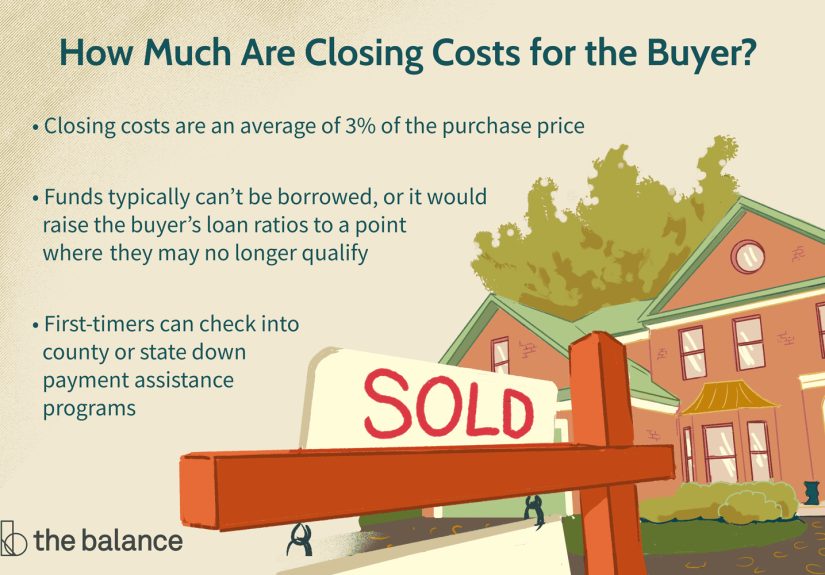
In many home purchases, buyer closing costs often land around 2% to 5% of the loan amount (sometimes a bit higher), depending on fees, local taxes, and whether you’re paying discount points. In some states, averages for certain “hard” closing fees (like title and lender fees) may look lower, while prepaids (insurance, taxes, escrow setup, daily interest) can push your cash-to-close higher.
Two quick takeaways:
- Closing costs are not your down payment. They’re separate line itemsthough you usually pay both at closing.
- “Cash to close” is the big number. It includes your down payment plus closing costs minus credits (from the seller or lender) and any deposits you’ve already paid.
Closing costs vs. prepaids: why your total feels confusing
Buyers often use “closing costs” as a catch-all phrase, but lenders and closing documents split things into buckets. The easiest mental model is:
- Closing costs (fees): charges for the loan + the transaction (origination, appraisal, title services, recording, etc.).
- Prepaids: money paid up front for future bills (homeowners insurance premium, escrow deposits, prepaid interest, sometimes property taxes).
- Down payment: your equity contribution (not a fee).
Those categories matter because some items are negotiable, some are shoppable, and some are basically “this is what your county charges, congratulations.”
What’s included in buyer closing costs?
Below are the most common line items buyers see. Your exact list depends on your loan and local rules.
1) Lender fees (the “mortgage paperwork” costs)
These are charges from the lender (or mortgage broker) for creating and processing your loan. They may be itemized or bundled. Common examples include:
- Loan origination fee (sometimes a flat fee, sometimes a percentage)
- Underwriting and processing fees
- Application or administrative fees (varies by lender)
- Rate-lock fee (sometimes included, sometimes separate)
Pro tip: Two lenders can label fees differently and still cost the same overall. Don’t get hypnotized by the wordingcompare totals and the interest rate together, not just one line item.
2) Discount points (optional, but powerful)
Discount points are upfront money you pay to buy a lower interest rate. One “point” is often described as 1% of the loan amount, but the price and rate reduction vary by lender and market. Points can be smart if you’ll keep the loan long enough to break evenbut they can also be an expensive way to “win” a rate you didn’t need.
Rule of thumb: If paying points means draining your emergency fund or skipping a necessary inspection, the “savings” can turn into the most expensive bargain of your life.
3) Third-party services required for the loan
Your lender usually requires certain independent services to confirm the home’s value, verify ownership, and ensure documents are correct. Common examples include:
- Appraisal fee (to estimate market value)
- Credit report fee
- Flood certification (if applicable)
- Survey (more common in some states/loan types)
- Home inspection (often paid before closing, but part of your overall buying costs)
4) Title and settlement charges (the “is this home legally yours?” costs)
Title work is a big category and a frequent source of sticker shock. It often includes:
- Title search and title exam
- Settlement/escrow fee (the company coordinating documents and funds)
- Lender’s title insurance policy (often required)
- Owner’s title insurance policy (commonly recommended, and sometimes customary)
Who pays which title policies varies by state and local custom. In some areas, sellers typically cover certain title costs; in others, buyers do. Translation: your cousin in another state might pay half of what you pay and still be telling you you’re “overthinking it.” They’re not right. They’re just geographically lucky.
5) Government and recording fees (the “county wants its cut” costs)
Depending on where you live, you may see:
- Recording fees (county charges to record the deed and mortgage)
- Transfer taxes (state/county/city taxes on transferring property; sometimes paid by the seller, sometimes split, sometimes paid by the buyer)
- Municipal fees (varies widely)
These are usually not negotiable, but they’re predictable once your location and price are known.
6) Prepaids and escrow setup (often the biggest “surprise”)
Even when your “fees” look manageable, prepaids can balloon your cash-to-close. Common prepaids include:
- Homeowners insurance premium (often the first year, or a large portion of it)
- Initial escrow deposit (funds held to pay future property taxes and insurance bills)
- Prepaid mortgage interest (interest from closing day through the end of the month)
- Property taxes due at closing (depending on local tax schedules and proration rules)
Timing matters: Closing on the 28th of the month typically means less prepaid interest than closing on the 3rd. It won’t make or break the deal, but it can move the needle on your upfront cash.
A specific example: what closing costs can look like in real life
Let’s say you’re buying a $400,000 home with a 10% down payment, so your loan amount is $360,000.
Scenario A: “No points, fairly standard fees”
- Lender + third-party fees: $3,500–$7,000
- Title/settlement + recording/taxes: $2,500–$6,000 (location-dependent)
- Prepaids/escrow setup: $3,000–$8,000 (insurance + tax schedule dependent)
Possible total (excluding down payment): roughly $9,000–$21,000
Scenario B: “You pay points to lower the rate”
If you buy 1 point (often described as ~1% of the loan amount), that could add about $3,600 upfrontsometimes more, sometimes lesson top of Scenario A. Your monthly payment may drop, but you’ll want to calculate your break-even timeline.
Important: These ranges are examples, not a quote. Your best estimate will come from a Loan Estimate from a lender and a fee worksheet from your closing agent once title work begins.
Why buyer closing costs vary so much
Two buyers can purchase similarly priced homes and still pay very different totals. The biggest drivers are:
- State and local taxes/fees: transfer taxes and recording costs vary widely.
- Loan type: conventional vs. FHA vs. VA vs. USDA can change required fees and insurance-related costs.
- Points vs. credits strategy: paying points increases upfront costs; taking a lender credit can reduce them (usually with a higher rate).
- Property taxes and insurance: high-tax areas and high-premium insurance markets change prepaids dramatically.
- Condo/HOA rules: you may see HOA transfer fees, document fees, or prepayments.
- Closing date: prepaid interest and tax prorations change with the calendar.
How to estimate your closing costs early (without guessing wildly)
Step 1: Get a Loan Estimate (LE) and compare apples to apples
The Loan Estimate is the standardized form lenders provide after you apply. It itemizes estimated closing costs and shows how “cash to close” is calculated. Request Loan Estimates from multiple lenders using the same scenario (purchase price, down payment, credit profile, and rate lock timing) so you can compare.
What to compare on the LE:
- Interest rate + APR (APR reflects many upfront costs)
- Total loan costs (lender fees + required services)
- Services you can shop for (some title/settlement items, insurance in particular)
- Estimated cash to close (the number your bank account cares about)
Step 2: Review your Closing Disclosure (CD) like it’s a final exam
Shortly before closing, you’ll get a Closing Disclosure that shows the final numbers. This is when you verify the fees match expectations and ask questions about changes. The “cash to close” line should make sense based on your down payment, credits, and prorations.
If something spikes, ask: Is this a real fee increase, or did a prepaid/tax/insurance estimate change? Those are very different problems.
How to reduce buyer closing costs (without resorting to wishful thinking)
1) Shop lendersand compare total cost, not just rate
A slightly higher rate with lower fees might be better for buyers planning to refinance or move sooner. A lower rate with high points might only win if you stay long enough.
2) Use lender credits strategically
A lender credit can lower your upfront costs in exchange for a higher interest rate. This can be useful if you’re cash-constrained (especially after a down payment) or if you think you’ll refinance within a few years.
3) Negotiate seller credits (and be realistic)
In some markets, sellers may contribute toward buyer closing costs. In others, they’ll respond with a polite version of “lol.” Your agent can help you structure an offer that requests credits without tanking your competitivenesssometimes by trading price for credits, depending on appraisal risk and lender rules.
4) Don’t buy points unless you’ve done the break-even math
Ask your lender for a break-even calculation: how many months until the monthly savings “pays back” the upfront points cost? If you’ll move before then, points can be money you never get to enjoy.
5) Shop your homeowners insurance early
Insurance affects your prepaids and your monthly payment. Getting quotes early helps you avoid last-minute premium surprises that can inflate your cash-to-close.
6) Ask what title services you can shop for
Title-related costs can be meaningful. In some places you can shop; in others, local custom narrows your options. Either way, ask what’s flexible and whether discounts apply (for example, reissue or bundled rates in certain situations).
7) Consider your closing date
Choosing a closing date near month-end can reduce prepaid interest. It won’t erase fees, but it can smooth the upfront total.
8) Watch for “small” fees that multiply
Courier fees, wire fees, document prep, HOA doc feesnone are individually terrifying, but together they can feel like death by a thousand paper cuts. Ask for explanations and verify what’s legitimate.
9) Look for first-time buyer and local assistance programs
Many states, counties, and cities offer grants or forgivable loans that can help with closing costs (and sometimes down payments). Eligibility often depends on income, purchase price limits, and education requirements. It’s worth checking earlysome programs require you to reserve funds or take a class before contract deadlines.
Special situations buyers should plan for
Condo and HOA purchases
Condo transactions can include HOA transfer fees, move-in deposits, paid-through dues, and document fees. Ask for an estimated HOA-related closing cost list as soon as you’re under contract so it doesn’t ambush you during final numbers.
VA loans
VA loans may include a VA funding fee (some borrowers are exempt). Sellers can often help cover certain costs, but specific limits apply to “seller concessions.” If you’re using a VA loan, ask your lender to separate “closing costs” from “concessions” so you know what’s negotiable and what counts toward limits.
New construction
Builders sometimes offer closing cost incentives if you use their preferred lender or title company. That can be a good dealbut still compare the loan terms and fees. A credit is only a bargain if it’s not secretly paid for with a higher rate and extra junk fees.
A buyer’s closing-cost checklist (so nothing bites you at the last second)
- Before you offer: ask your lender for a closing cost estimate range and confirm whether transfer taxes are likely in your area.
- When you apply: collect Loan Estimates from multiple lenders within a short window.
- During inspections: budget for repairs and re-inspections so “cash to close” isn’t your only cash plan.
- Two weeks before closing: lock in homeowners insurance and confirm escrow requirements.
- When the Closing Disclosure arrives: compare it line-by-line to your Loan Estimate and ask about changes.
- Final day prep: verify wiring instructions by phone using a trusted number (wire fraud is real), and confirm what form of funds your closing agent requires.
Real-world experiences: what buyers actually run into (and what they wish they’d known)
Even buyers who “know about closing costs” tend to learn the hard way that knowing and experiencing are not the same sport. Here are common, real-life patterns buyers describepresented as composite scenarios so you can recognize them before they appear on your own paperwork like an uninvited group chat.
The “My closing costs doubled” moment (they didn’tyour prepaids changed)
A first-time buyer in a high-tax suburb gets an early estimate: “Plan for $10,000.” Two weeks before closing, the number becomes $16,500. Panic. Tears. Dramatic vows to live in a van. Then the lender explains: the fees didn’t double. The buyer’s homeowners insurance premium was higher than expected, and the escrow deposit had to cover a larger tax bill plus a cushion. The fix wasn’t “fight the lender”it was shopping insurance earlier and understanding how escrow is calculated.
The “points sounded smart until I did the math” moment
A couple buying a starter home gets pitched: “Pay $4,000 in points and save $90 a month!” It sounds like a winuntil they realize they plan to move in four years. Roughly speaking, $90/month for 48 months is $4,320… and that’s before considering opportunity cost and the fact that refinancing could happen sooner. They decide to take a small lender credit instead, keeping cash available for moving costs and a post-closing repair fund. Lesson: points aren’t good or bad; they’re a timeline bet.
The “HOA fees were the hidden boss level” moment
A condo buyer budgets carefully for lender fees and title chargesthen gets hit with HOA move-in fees, transfer fees, and prepaid dues. None of the fees are outrageous alone, but together they add a few thousand dollars. The buyer’s big regret: not requesting an HOA closing-cost estimate immediately after the offer was accepted. The win: once they understood the fees, they negotiated a seller credit in exchange for a slightly higher purchase price that still appraised. Lesson: condos come with their own mini-universe of closing costs.
The “builder credit” moment (great deal… or expensive gift wrap)
A new-construction buyer gets offered a $12,000 closing cost creditamazing. But the builder’s preferred lender also has higher origination fees and a slightly higher rate than competitors. After comparing Loan Estimates, the buyer realizes the “credit” is still worthwhile, but only if the lender matches certain fees. They negotiate and keep the credit. Lesson: credits are real money, but you still have to price-check the store.
The “I wish I had asked one more question” moment
Many buyers say their biggest stress wasn’t the amountit was uncertainty. The moment they felt calmer was when a lender or closing agent walked them through the categories: fees vs. prepaids vs. down payment, and what could change. If you take only one action: ask for a simple explanation of any line item you don’t recognize. You’re not being difficult. You’re being financially alive.
Conclusion: budget smarter, stress less
Buyer closing costs aren’t a single feethey’re a mix of lender charges, required services, title and recording costs, and prepaids like insurance and taxes. Most buyers will land somewhere in a broad range (often a few percent of the loan amount), but your local taxes, insurance costs, and whether you pay points can move the total significantly. The good news: you can estimate early using a Loan Estimate, verify final numbers on the Closing Disclosure, and reduce costs by shopping lenders, comparing total cost, negotiating credits, and timing decisions thoughtfully. In other words, closing costs are predictableonce you stop treating them like a jump scare.