Table of Contents >> Show >> Hide
- What Does a Fashion Designer Actually Do?
- Do You Need a Degree to Become a Fashion Designer?
- Essential Skills for Fashion Designers
- Step-by-Step: How to Become a Fashion Designer
- Step 1: Explore the Industry (Beyond the Glam)
- Step 2: Learn the Fundamentals
- Step 3: Start Building a Portfolio Immediately
- Step 4: Decide on Your Education Path
- Step 5: Get Real-World Experience (Internships & Assistant Roles)
- Step 6: Refine Your Niche and Aesthetic
- Step 7: Build Your Professional Presence
- Step 8: Land Your First Fashion Design Job
- Step 9: Keep Learning (Trends, Tech, and Business)
- How Long Does It Take to Become a Fashion Designer?
- How Much Do Fashion Designers Earn?
- Building a Strong Fashion Portfolio and Brand
- Common Mistakes Beginner Fashion Designers Make
- Is Fashion Design Right for You?
- Real-World Experiences and Lessons from the Studio Floor
- Conclusion: Turning Your Fashion Dream into a Career
If you’ve ever sketched outfits in the margins of your notebook, mentally redesigned red-carpet looks, or said “I could totally make that” in a clothing store, the idea of becoming a fashion designer has probably crossed your mind. The good news? Fashion design is a real, structured career pathnot just something people in Paris do in dramatic sunglasses.
The less fun news: it’s competitive, demanding, and involves a lot more pattern drafting and deadlines than glitter and front-row seats. But if you’re willing to build real skills, create a strong fashion portfolio, and learn how the business works, you can turn your fashion designer dream into an actual job title.
What Does a Fashion Designer Actually Do?
Fashion designers create clothing, accessories, or footweareither original pieces or fresh takes on existing trends. They sketch designs, choose fabrics, create technical specs, and work with patternmakers and sample makers to bring garments to life. In larger brands, designers often work as part of a team under a creative director; in smaller labels or as freelancers, they may handle everything from concept to production.
Key Responsibilities
- Researching trends, fabric innovations, and consumer behavior
- Creating mood boards and concept stories for collections
- Sketching designs (by hand or using CAD software)
- Selecting fabrics, trims, and color palettes
- Working with patternmakers and sample rooms on prototypes
- Reviewing fit on models and making adjustments
- Preparing line sheets and presentations for buyers or clients
- Collaborating with marketing, production, and merchandising teams
Different Types of Fashion Designers
“Fashion designer” is a big umbrella term. You might specialize in:
- Apparel design: everyday clothing, workwear, streetwear, activewear
- Luxury or couture: high-end, made-to-measure or runway collections
- Accessory design: shoes, bags, belts, jewelry
- Costume design: film, TV, theater, dance
- Technical or product design: performance wear, outdoor gear, uniforms
You don’t have to pick a niche on day onebut knowing what excites you helps you choose the right courses, internships, and portfolio projects.
Do You Need a Degree to Become a Fashion Designer?
In the United States, many fashion designers have at least a bachelor’s degree in fashion design, fashion merchandising, or a related arts/business field. The U.S. Bureau of Labor Statistics notes that employers often prefer candidates with a bachelor’s degree plus strong portfolios and technical knowledge of production processes.
Pros of Fashion School
- Structured curriculum: design principles, textiles, patternmaking, CAD, fashion history, business basics
- Access to facilities: sewing labs, industrial machines, 3D design software
- Built-in portfolio projects and critiques
- Networking: classmates, instructors, guest designers, recruiting events
- Internship pipelines with established brands
Well-known schools like Parsons and FIT are famous for combining technical training with creative development and industry exposure, though they can be expensive and highly competitive.
Can You Become a Self-Taught Fashion Designer?
Yes, absolutely. Many designers learn through books, online courses, apprenticeships, and relentless practice. A lot of modern fashion skillssketching, draping, patternmaking, even digital fashioncan be learned through specialized books, YouTube tutorials, and platforms like Coursera or Skillshare, especially when you pair them with real-world sewing and design projects.
The trade-off: without a formal program, you’re responsible for building structure, finding mentors, and hustling harder for internships or entry-level jobs. You must lean heavily on your portfolio, social media presence, and networking to prove you can do the work.
Essential Skills for Fashion Designers
Whether you go to fashion school or teach yourself, you’ll need three big categories of skills: creative, technical, and business.
Creative Skills
- Artistic ability and a strong sense of proportion and silhouette
- Understanding of color theory and how colors work in fabric
- Ability to translate inspiration (art, culture, street style) into wearable designs
- Original point of viewyour “design DNA” that makes your work recognizable
Technical Skills
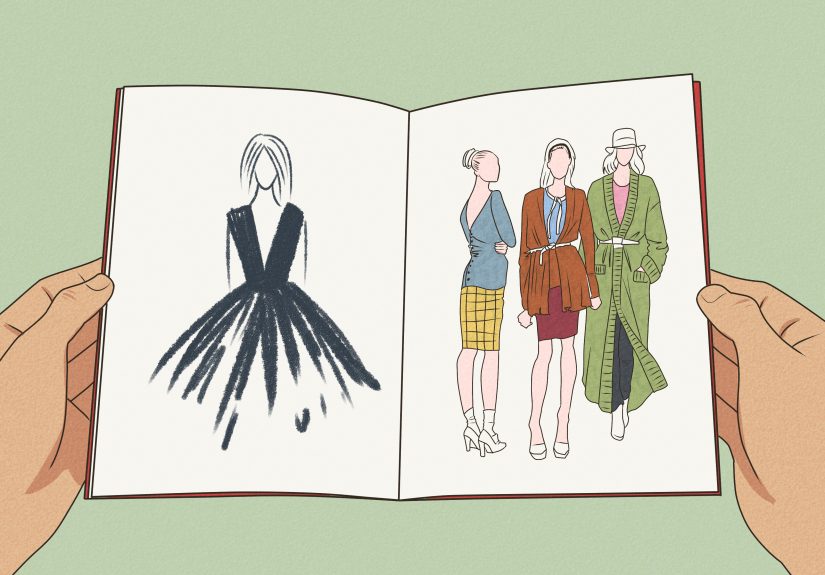
- Fashion sketching and flat technical drawings
- Sewing, draping, and garment construction
- Patternmaking (manual and/or digital)
- Understanding fabric behaviorstretch, drape, weight, durability
- CAD tools like Adobe Illustrator, CLO 3D, or other fashion design software
Business and Soft Skills
- Time management and ability to meet tight deadlines (fashion calendars are brutal)
- Communication and collaboration with patternmakers, factories, buyers, and marketing teams
- Basic knowledge of costing, margins, and pricing
- Trend analysis and consumer insightwhat people will actually buy
- Resilience: handling rejection, criticism, and collections that don’t sell
Step-by-Step: How to Become a Fashion Designer
Step 1: Explore the Industry (Beyond the Glam)
Start by learning what fashion designers really do day-to-day. Read career guides, watch behind-the-scenes videos from fashion houses, and research different roles: assistant designer, technical designer, stylist, product developer. Treat this like scouting the game before you decide to play.
Step 2: Learn the Fundamentals
Take beginner courses in:
- Fashion sketching and figure drawing
- Sewing basics and garment construction
- Patternmaking (even simple patterns at first)
- Textiles and fabric types
You can study at a local community college, fashion school, or onlinewhat matters is consistent practice and real projects, not just watching tutorials in the background while scrolling Instagram.
Step 3: Start Building a Portfolio Immediately
Your portfolio is your golden ticket. It should show not just pretty drawings but your process: inspiration, mood boards, fabric choices, flat sketches, and final garments. Many fashion schools and employers emphasize portfolios that show both creativity and technical abilityconstruction details, pattern pieces, and how you think, not just how you draw.
Step 4: Decide on Your Education Path
At this point, ask yourself:
- Do I want a structured college program (2–4 years)?
- Can I realistically afford tuition, supplies, and living costs?
- Or should I build my skills through shorter courses, apprenticeships, and self-study?
There’s no single “correct” path. Some designers thrive in intense degree programs; others build strong careers by combining online learning, local classes, and smart networking.
Step 5: Get Real-World Experience (Internships & Assistant Roles)
Internships and entry-level roles bridge the gap between classroom and runway. They expose you to production calendars, fittings, factory communication, and the messy reality of making clothes at scale. Many guides emphasize that interning or assisting a designer is one of the fastest ways to learn how the industry really works and make valuable connections.
Step 6: Refine Your Niche and Aesthetic
As you gain experience, you’ll naturally gravitate toward certain categories: streetwear, bridal, eveningwear, sustainable fashion, technical outerwear, or gender-neutral collections. Use your projects and jobs to clarify your niche. This helps you stand out in a saturated market and makes your portfolio more cohesive.
Step 7: Build Your Professional Presence
Today, becoming a fashion designer is as much about visibility as it is about talent. Consider:
- Creating a clean online portfolio or website that showcases your best collections
- Maintaining an Instagram or TikTok focused on your work and process
- Using LinkedIn to connect with recruiters, designers, and brands
- Joining fashion communities, forums, or alumni networks
Think of this as your digital showroom. Make it easy for people to find you and understand your style in seconds.
Step 8: Land Your First Fashion Design Job
Your first role might be assistant designer, design intern, sample room assistant, or technical designer. That’s normal. Apply widely, customize your portfolio for each role, and treat your job search like its own design project: research, iterate, and keep going even when it’s frustrating.
Step 9: Keep Learning (Trends, Tech, and Business)
The fashion industry changes constantly3D design, digital fashion shows, sustainability regulations, new materials. Successful designers keep learning: new software, new markets, new ways to produce more responsibly. Make ongoing education part of your career, not an afterthought.
How Long Does It Take to Become a Fashion Designer?
Timelines vary, but here’s a rough idea:
- 1–2 years: Build foundational skills, complete beginner courses, create your first small portfolio, and possibly land an internship.
- 3–4 years: Finish an associate or bachelor’s degree (if you choose the college route), complete multiple internships, and secure an entry-level design role.
- 5+ years: Move into more senior roles, refine your niche, or start your own label or freelance business.
It’s more marathon than sprint. You’re learning not just how to design one great outfit, but how to conceptualize and deliver entire collections season after season.
How Much Do Fashion Designers Earn?
According to recent data from the U.S. Bureau of Labor Statistics, the median annual wage for fashion designers in May 2024 was around $80,690, with the lowest 10% earning under roughly $36,000 and the highest 10% earning well into six figures, especially in management or high-end markets.
Salaries depend heavily on:
- Location (New York, Los Angeles, and major fashion hubs typically pay more)
- Type of employer (large brands vs. small labels vs. freelance)
- Your experience, portfolio strength, and niche
- Whether you work in-house or run your own brand
Keep in mind that owning a label can be riskier: income may be unstable, especially at the start. But it also offers higher earning potential if your line takes off.
Building a Strong Fashion Portfolio and Brand
Your portfolio is not a scrapbook; it’s a curated sales tool. Modern portfolio advice emphasizes quality over quantity (4–6 excellent projects), showing process, and highlighting at least one innovative collectionsuch as sustainable or adaptive designs.
What to Include in Your Portfolio
- Short intro about who you are and your design philosophy
- Concept boards: inspiration images, color stories, fabric ideas
- Sketches and flats for each collection
- Technical drawings and construction details
- Photos of finished garments on models or mannequins
- At least one project that shows innovation (upcycling, digital fashion, niche market)
As you grow, move your portfolio online with a clean, mobile-friendly website. Make it easy for recruiters and clients to click through your best work in under five minutes.
Common Mistakes Beginner Fashion Designers Make
- Copying trends without adding anything new. It’s fine to be inspired by big brands, but your work should say something uniquely you.
- Ignoring fit and construction. A gorgeous sketch means nothing if the garment doesn’t fit or hold up in real life.
- Overloading the portfolio. Ten mediocre projects won’t impress as much as four strong, cohesive ones.
- Underestimating the business side. Pricing, margins, production, and marketing matter as much as creativity.
- Waiting for “perfect” before applying. You’ll keep improvingstart applying once your portfolio is solid, not flawless.
Is Fashion Design Right for You?
Fashion design might be a great fit if:
- You’re obsessed with clothing, details, and how people express themselves through style
- You enjoy problem-solving, not just sketching pretty dresses
- You can handle feedback (including brutally honest critiques)
- You’re okay with long hours during busy seasons
- You’re excited by the idea of constantly learning and evolving
If that sounds like you, you’re not just chasing an aestheticyou’re ready to build a career.
Real-World Experiences and Lessons from the Studio Floor
To really understand how to become a fashion designer, it helps to picture what the journey feels like, not just what the steps look like on paper.
In your first year of seriously pursuing fashion design, you might be doing a lot of unglamorous work: learning how to thread industrial machines, redoing the same sleeve pattern five times, or spending hours unpicking a seam you accidentally stitched inside out. You’ll learn quickly that fabric does not care about your feelingsif you don’t respect grainlines and seam allowances, it will fight back.
The first time you create a small capsule collection, you’ll probably underestimate how long everything takes. You’ll start with a beautiful mood board and think, “I’ll just make six looks.” Then deadlines arrive, fabric deliveries are late, and one of your samples mysteriously shrinks in the wash. You’ll stay up too late, drink too much coffee, and promise yourself you’ll plan earlier next season. (You will forget. Then you’ll remember again. That’s part of the cycle.)
Internships or assistant roles often feel like boot camp for the fashion world. You might be organizing samples, labeling hangers, running to the trim store, or taking notes in fittings. At first, it can be frustrating that you’re not designing the next big runway piece. But if you pay attention, you’ll learn how a collection actually moves from sketch to store: who approves what, how buyers react, which pieces get cut, and how small changes can make a garment more sellable and cost-effective.
You’ll also discover that relationships matter. A kind patternmaker who explains why your sketch won’t translate well in real fabric is gold. A production manager who gives you the real cost numbers will quietly save your collection. As you become a more experienced fashion designer, you’ll realize your job is not just to create beautiful thingsit’s to communicate clearly with the people who help you bring those ideas to life.
Over time, you’ll start to recognize your own visual language. Maybe you notice that you always lean toward strong shoulders, romantic sleeves, or clever pocket details. Maybe you’re obsessed with sustainability and become known for upcycled denim. When other people can look at a rack of clothes and say, “That looks like your work,” that’s a sign you’re developing a real design identity.
You’ll also have disappointments: collections that don’t sell, jobs you don’t get, opportunities that fall through. These moments sting, but they’re also where you learn the most. Many working designers describe turning points where a rejection forced them to refine their portfolio, upgrade their technical skills, or pivot into a niche that ended up being more successful.
Eventually, if you choose to start your own brand, you’ll juggle everything at once: design, marketing, budgeting, photography, social media, maybe even packing orders. It’s exhausting and exhilarating. The first time you see a stranger on the street wearing something you designed, all the late nights and seam-ripping sessions suddenly feel worth it.
That’s the real heart of becoming a fashion designer: not just learning how to draw clothes, but learning how to navigate an industry, collaborate with others, and keep your creative spark alive while dealing with real-world constraints. If you can balance art and practicality, ego and humility, vision and feedbackyou’re on the right path.
Conclusion: Turning Your Fashion Dream into a Career
Becoming a fashion designer is more than a fantasy about front-row fashion week seats. It’s a long-term commitment to mastering creative, technical, and business skills; building a strong, evolving portfolio; and being brave enough to show your work to the world again and again.
Whether you choose a fashion design degree, a self-taught path, or a mix of both, the core steps are the same: learn the fundamentals, practice relentlessly, seek real-world experience, build your professional presence, and keep refining your aesthetic. There’s no single “perfect” route into the fashion industrybut there is a path that fits your resources, personality, and goals.
If you’re ready to sketch, sew, iterate, and grow, you’re not just dreaming about fashion anymore. You’re starting your journey as a fashion designer.