Table of Contents >> Show >> Hide
- Why Choose a Bluestone Patio?
- Plan Before You Dig
- Tools and Materials You Will Need
- How To Build a Bluestone Patio Step by Step
- Common Bluestone Patio Mistakes to Avoid
- How To Maintain a Bluestone Patio
- Design Ideas for a Better Finished Patio
- Real-World Experience: What Building a Bluestone Patio Actually Feels Like
- Final Thoughts
If your backyard is currently giving “patchy grass and broken dreams,” a bluestone patio can fix that in a big way. Bluestone has that rare talent of looking elegant without acting fussy. It feels timeless, works with traditional and modern homes, and somehow makes even a folding chair look a little more sophisticated. In other words, it is the outdoor upgrade that says, “Yes, I do have my life together,” even if your garage still contains three half-empty bags of mulch and a rake you keep stepping on.
Building a bluestone patio is not magic, but it does require planning, patience, and a willingness to get very familiar with gravel. The real secret is not just laying pretty stone on the ground. A long-lasting patio depends on excavation, drainage, a compacted base, careful leveling, and tight finishing work. Skip those steps, and your patio may start out charming and end up looking like a geological argument.
This guide walks you through how to build a bluestone patio from start to finish, including design decisions, tools, base prep, stone installation, joint filling, and maintenance. Whether you want a formal entertaining area or a relaxed stone terrace for weekend coffee and questionable barbecue decisions, this project can absolutely be done well with the right approach.
Why Choose a Bluestone Patio?
Bluestone is a natural stone often used for patios, walkways, pool surrounds, and garden paths. Homeowners love it because it balances durability with a refined look. It comes in a range of tones, usually blue-gray, charcoal, green, rust, or mixed earth shades. That natural color variation gives the patio depth and character, so the finished space feels designed rather than stamped out of a catalog.
Another reason bluestone patio ideas stay popular is versatility. You can use thermal-finished pieces for a cleaner, more contemporary look, or choose natural cleft bluestone for texture and a more rustic vibe. Pattern-cut stone gives you a structured layout, while irregular pieces create a relaxed, old-world feel. Same material, very different mood. It is basically the actor with range of hardscaping materials.
A properly installed bluestone patio also adds usable living space. It can become an outdoor dining room, a fire pit zone, a grill station, or a quiet spot to read while pretending not to hear your phone buzzing inside. And because it is natural stone, it tends to age gracefully, which is more than most patio umbrellas can say.
Plan Before You Dig
Pick the Right Location
Start by choosing a location that makes sense for how you actually live. A patio near the kitchen works well for dining and entertaining. A tucked-away corner may be better for a lounge space or small retreat. Think about sun exposure, shade, privacy, drainage, and how people will move through the yard.
If the site sits near your house, the finished patio surface should direct water away from the foundation. That matters more than almost any decorative decision you will make. A patio that looks gorgeous but funnels water toward your home is not a design feature. It is an expensive plot twist.
Choose Your Bluestone Style
There are two common layout options:
- Pattern bluestone: Cut into rectangles or squares for a formal, organized layout.
- Irregular bluestone: Natural shapes fitted together like a puzzle for a more organic look.
Pattern stone is usually easier to plan and faster to install if you like clean lines. Irregular stone takes more fitting and visual judgment, but it has a relaxed charm that many homeowners love. If you are aiming for a classic Northeast-style stone patio, bluestone in a pattern layout is a strong choice.
Measure the Patio Area
Mark the shape with stakes, string, marking paint, or a garden hose if you are testing curves. Then calculate square footage by multiplying length by width for rectangular spaces. For irregular areas, break the patio into smaller rectangles and add them together. Order a little extra material for cuts, breakage, and the inevitable moment when one stone ends up being perfect everywhere except the place you wanted it.
Tools and Materials You Will Need
Most bluestone patio installation projects use the following:
- Bluestone pavers or slabs
- Shovel and spade
- Wheelbarrow
- Tape measure
- String lines and stakes
- Level or long straightedge
- Rake
- Hand tamper or plate compactor
- Crushed gravel or road base
- Bedding sand or stone dust, depending on installation method
- Rubber mallet
- Masonry chisel, saw, or splitter for cuts
- Edge restraint if needed
- Jointing sand or polymeric sand
- Broom and hose
- Work gloves, knee pads, and eye protection
If you are building a larger patio, rent the plate compactor. This is not the place for heroic optimism. Your back deserves better.
How To Build a Bluestone Patio Step by Step
1. Excavate the Site
Remove grass, roots, loose soil, and debris from the marked area. The depth depends on the thickness of your stone and your base layers, but many residential patio builds allow room for several inches of compacted gravel, about an inch of bedding material, and the bluestone itself. The goal is to have the finished patio sit slightly above surrounding grade while still looking integrated with the landscape.
As you dig, keep the slope in mind. A slight pitch away from the house helps water move off the surface instead of collecting in puddles. This is one of those small details that prevents major regrets later.
2. Prepare the Subgrade
Once excavation is done, rake the soil smooth and compact the subgrade. Remove soft spots and fill them with compactable material. If the area has poor soil or drainage issues, this is when you deal with them. Some installers add geotextile fabric between soil and base to help separate materials and improve stability, especially on weaker soils.
Think of the subgrade as the mattress under your patio. If it sags, everything above it eventually complains.
3. Build the Base
Spread crushed gravel or road base in lifts rather than dumping it all in at once. Compact each layer thoroughly before adding the next. This step is what gives your bluestone patio strength and resistance to settling. A rushed base is the number one reason a patio starts shifting, rocking, or collecting water.
Check for level and slope as you go. “Level” in patio language does not mean perfectly flat like a kitchen counter. It means even and consistent, with a slight planned pitch for drainage.
4. Add the Bedding Layer
After the gravel base is compacted, add a thin, even layer of bedding material. Depending on the installation style, this may be concrete sand, stone dust, or another approved leveling layer. Screed it smooth so the surface is consistent and ready for stone placement.
Do not make this layer too thick in an attempt to fix major grade issues. Bedding material is for fine adjustments, not for covering up base mistakes like an outdoor-area concealer.
5. Dry-Lay the Bluestone
Before setting every stone permanently, it helps to dry-fit at least a section of the layout. This is especially useful with irregular bluestone, where spacing and visual balance matter. Shuffle pieces around until you like the fit, color flow, and joint widths. With pattern bluestone, establish straight reference lines early so the whole patio stays square.
This is the point where the project finally starts looking like a patio instead of a sanctioned dirt event.
6. Set the Stones
Begin laying bluestone from a straight edge, corner, or house line. Lower each piece carefully into place, then tap it with a rubber mallet to seat it. Check that each stone is stable, even with adjacent pieces, and following the intended slope.
For natural stone, expect some thickness variation. You may need to lift stones and adjust the bedding layer underneath to eliminate rocking. Take your time here. A patio feels premium underfoot when each stone sits solidly, not when it surprises your guests with a wobble.
7. Cut Stones as Needed
Edges, corners, and transitions often require cuts. Use a masonry saw, angle grinder with the proper blade, or a chisel-and-score method for minor shaping. Always wear eye and hearing protection. Cutting bluestone is satisfying, but it is still rock, not cake.
If you are using irregular stone, avoid forcing a perfect fit where one does not belong. Natural-looking layouts benefit from slight variation. The goal is intentional, not obsessively symmetrical.
8. Install Edge Restraints if Necessary
Some patio designs need edge restraints to keep stones from migrating over time. This is especially helpful where the patio meets lawn, mulch, or gravel rather than a fixed structure. Clean edging gives the patio a finished look and helps maintain the layout through weather and foot traffic.
9. Fill the Joints
Once the stone is dry and set, sweep jointing sand or polymeric sand into the gaps. The right product depends on joint width and the installation method, but the goal is the same: lock the stones together, reduce washout, and discourage weeds. Sweep carefully, work the material deep into the joints, and follow product directions for activation if water is required.
This is the finishing move that makes the patio feel complete. Without it, the whole thing can look like it is still waiting for the contractor, even if the contractor is very much you.
10. Clean Up and Let It Settle
Brush off excess sand, hose down only as recommended for the joint product, and let the patio cure or settle before heavy use. Then step back and admire your work with the confident expression of someone who definitely meant for it to take that many wheelbarrow trips.
Common Bluestone Patio Mistakes to Avoid
- Ignoring drainage: Water should move away from the house, not toward it.
- Skimping on base prep: The visible stone gets the compliments, but the hidden base does the real work.
- Failing to compact in layers: Loose base material settles later, usually at the worst possible time.
- Using inconsistent joints: Uneven spacing can make even premium stone look messy.
- Rushing stone placement: Every rocking stone is a future annoyance waiting to happen.
- Choosing the wrong stone finish: Consider slip resistance, maintenance, and overall style before buying.
How To Maintain a Bluestone Patio
A bluestone patio is fairly low maintenance, but it is not no-maintenance. Sweep it regularly, rinse off debris, and remove leaves before they stain. If weeds appear in the joints, deal with them early before they settle in like unpaid tenants.
For deeper cleaning, use a stone-safe cleaner rather than harsh chemicals. Avoid sealing until you know whether your specific stone and finish benefit from it. Some homeowners prefer the natural weathered look, while others want enhanced color and easier cleanup. If you do seal, use a product appropriate for natural stone and outdoor conditions.
In freeze-thaw climates, avoid using metal tools aggressively on the surface and be cautious with deicing products that are not approved for stone. Patio maintenance is mostly about consistency. A little attention each season beats a rescue mission every three years.
Design Ideas for a Better Finished Patio
If you want the patio to feel like a destination instead of just a hard surface, think beyond the stone. Add a border in brick or contrasting pavers for definition. Use gravel or low plantings around the perimeter to soften the edges. Leave enough space for furniture to breathe. A dining table should not feel like it was shoehorned into a geology exhibit.
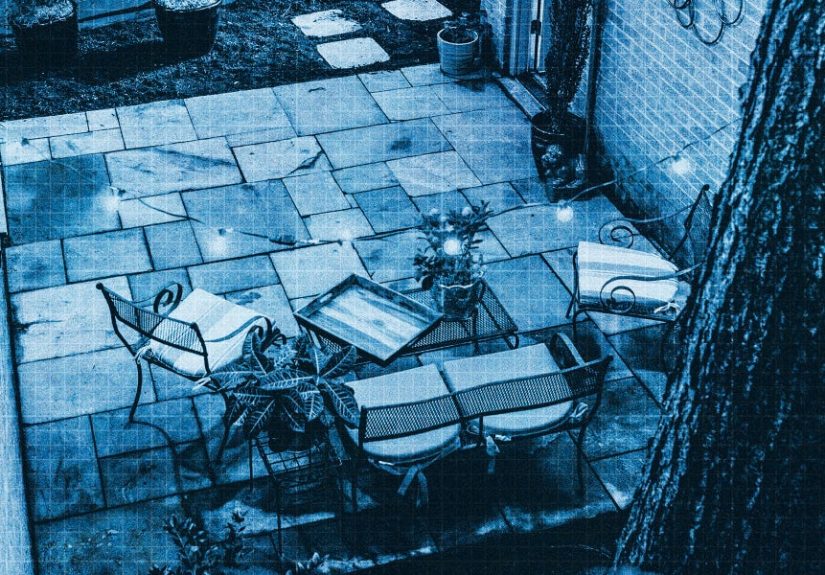
Bluestone pairs beautifully with black metal furniture, teak, cedar, native plants, boxwood, ornamental grasses, and warm outdoor lighting. For a modern bluestone patio, keep lines clean and use large-format stones. For a cottage look, use irregular stone with creeping thyme or groundcover nearby. Same material, different personality.
Real-World Experience: What Building a Bluestone Patio Actually Feels Like
On paper, a bluestone patio project sounds straightforward: measure, dig, compact, lay stone, sweep sand, done. In real life, it is a mix of strategy, sweat, tiny adjustments, and occasional staring contests with rocks that do not want to fit anywhere sensible. That is not a bad thing. In fact, it is part of why the finished patio feels so satisfying.
Most people’s first surprise is how much of the job happens before the first stone goes down. You start out excited about colors, patterns, and backyard transformation. Then suddenly you are three hours into moving gravel and learning that “just a few inches of base” is code for “you are about to become extremely familiar with your wheelbarrow.” It is humbling. It is also important, because that hidden work decides whether the patio still looks good years later.
The second surprise is how visual the process becomes. Even if you measured everything carefully, once the stones are laid out, you start making design decisions with your eyes, not just your tape measure. One slab may be technically the right size but look too dark in that corner. Another might fit perfectly but make the joint line look awkward. A good bluestone patio comes together through small choices like that. It is part construction project, part puzzle, part low-stakes outdoor art project with significantly heavier pieces.
There is also a rhythm to the work that people do not talk about enough. Dig a little. Check the slope. Compact. Add material. Check again. Set a stone. Lift it back up. Add a bit more bedding. Tap it down. Step back. Nod like a seasoned mason. Repeat. By the end, you stop rushing because you realize every shortcut creates two more adjustments later. The patio teaches patience whether you asked for the lesson or not.
And then there is the moment it clicks. Usually it happens when a decent section is down, the joints look intentional, and the shape of the patio finally reads as a room rather than a project site. That is when you start imagining the chairs, the string lights, the grill, the potted herbs, the cool drink, the smug little “I built this” speech you will absolutely give to anyone who steps outside.
One of the best parts of building with bluestone is that the material has personality. It is not sterile. It has variation, texture, and those subtle shifts in tone that make the patio feel grounded in the landscape. When the light changes through the day, the surface changes too. In the morning it can look soft and silvery. After rain it deepens in color and looks almost dramatic. A few months later, after furniture, plants, and foot traffic settle in, it starts feeling like it has always belonged there.
That is the real payoff. Not just a finished patio, but an outdoor space that feels earned. You notice the details because you handled them. You trust the base because you compacted it. You know where the tricky cuts are because you wrestled them into place. A bluestone patio is more than a backyard upgrade. It becomes a place tied to effort, memory, and use. And somehow, that first cup of coffee or first dinner outside tastes better when the stone under your chair did not arrive there by accident.
Final Thoughts
Learning how to build a bluestone patio is really about understanding two things: structure and restraint. Structure gives you drainage, stability, and longevity. Restraint keeps you from rushing the base, forcing the stone, or skipping the finishing details. Put those together, and you get a patio that looks expensive, performs well, and makes the whole yard feel more intentional.
If you plan carefully, prep the site correctly, and take your time with stone placement, a DIY bluestone patio can deliver years of use and serious curb appeal. It is one of those projects that asks a lot up front but keeps paying you back every time you eat outside, host friends, or just stand there admiring your own excellent taste in stone.