Table of Contents >> Show >> Hide
- Why Rabbit GI Stasis Is an Emergency
- How to Care for a Rabbit with GI Stasis: 15 Steps
- Step 1: Treat it like an emergency, not a “maybe he’s just picky” day
- Step 2: Call a rabbit-experienced veterinarian immediately
- Step 3: Watch for red-flag symptoms while you prepare to go
- Step 4: Keep your rabbit warm, quiet, and low-stress
- Step 5: Do not assume it is “just a hairball”
- Step 6: Do not force-feed until a blockage has been considered
- Step 7: Bring useful information to the vet
- Step 8: Expect diagnostics, not just a quick glance
- Step 9: Follow the treatment plan exactly
- Step 10: Prioritize hydration like it is your new part-time job
- Step 11: Feed exactly what supports recovery
- Step 12: Encourage safe movement
- Step 13: Monitor poop like a professional
- Step 14: Look for the underlying cause so it does not happen again
- Step 15: Build a prevention routine after recovery
- What Not to Do When Your Rabbit Has GI Stasis
- How Long Does Recovery Take?
- Experience: What Caring for a Rabbit with GI Stasis Often Feels Like
- Conclusion
Rabbit GI stasis is one of those phrases that sounds oddly polite for something that can turn serious in a hurry. In plain English, it means your rabbit’s digestive system has slowed down or stopped moving the way it should. And because rabbits are built to graze, digest, and poop almost constantly, that slowdown is not a quirky off day. It is a flashing neon sign that says, “Pay attention now.”
If your bunny is eating less, producing fewer droppings, hiding, grinding teeth, hunching, or acting like the world’s fluffiest statue, this is not the moment for wishful thinking. It is the moment for smart, calm, rabbit-savvy care. The good news is that many rabbits recover well when GI stasis is recognized early and treated correctly. The not-so-good news is that “wait and see” is a terrible hobby in this situation.
This guide breaks down how to care for a rabbit with GI stasis in 15 practical steps, including what to do right away, what not to do, and how to support recovery once your veterinarian gets involved.
Why Rabbit GI Stasis Is an Emergency
Rabbits are hindgut fermenters, which is a fancy way of saying their digestive system depends on constant motion, fiber, hydration, and a healthy balance of gut bacteria. When that system slows down, gas can build up, pain increases, appetite drops even more, and the whole process can spiral. It becomes a miserable little loop: the rabbit hurts, so the rabbit eats less; the rabbit eats less, so the gut slows more; the gut slows more, so the rabbit hurts even more. It is the worst kind of feedback loop.
GI stasis is also usually not the root problem. It is often a symptom of something else, such as dental disease, stress, dehydration, a low-fiber diet, pain, urinary problems, an infection, or even a true intestinal obstruction. That is why successful care is not just about getting food into your rabbit. It is about figuring out what started the problem and treating that, too.
How to Care for a Rabbit with GI Stasis: 15 Steps
Step 1: Treat it like an emergency, not a “maybe he’s just picky” day
If your rabbit suddenly stops eating, eats much less than usual, or stops producing normal droppings, assume something is wrong. Rabbits hide illness extremely well because, in nature, looking weak is not a winning strategy. By the time obvious symptoms show up, your rabbit may already feel pretty awful. Quick action matters.
Step 2: Call a rabbit-experienced veterinarian immediately
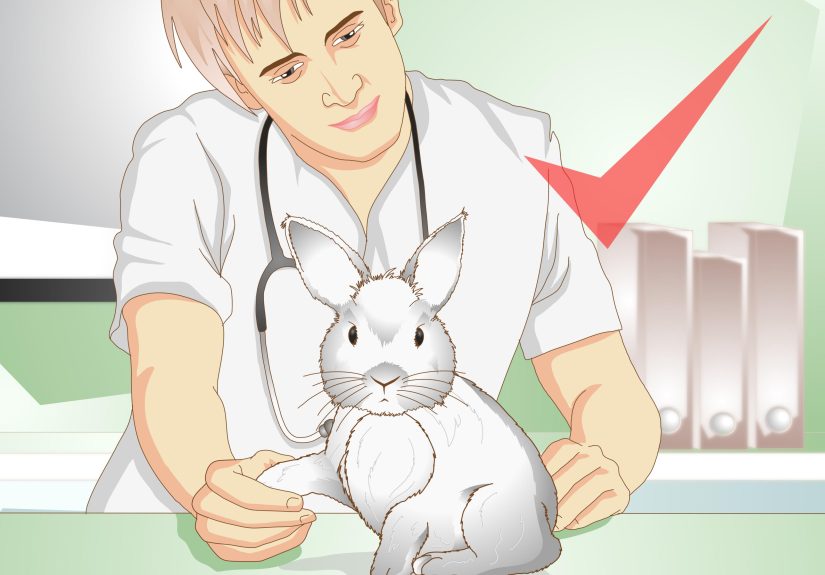
Not every clinic is equally comfortable treating rabbits, and GI stasis is not a situation for guesswork. Contact an exotics vet or rabbit-savvy emergency hospital as soon as you notice the warning signs. Explain exactly what is happening: when your rabbit last ate, when you last saw normal droppings, whether the droppings are smaller than usual, and whether your rabbit seems bloated, cold, painful, or lethargic.
Step 3: Watch for red-flag symptoms while you prepare to go
Take note of what you are seeing. Common warning signs include decreased appetite, refusal to eat, fewer droppings, tiny dry droppings, no droppings, tooth grinding, a hunched posture, reduced energy, belly pressing, and obvious discomfort. Cold ears or a chilled body can be especially concerning. If your rabbit seems weak, limp, or severely bloated, do not delay.
Step 4: Keep your rabbit warm, quiet, and low-stress
Stress can make GI stasis worse, so your goal is calm support, not a chaotic rescue scene worthy of dramatic music. Keep your rabbit in a quiet area away from barking dogs, grabby children, and general household nonsense. Use a towel-lined carrier and keep the environment comfortably warm, but do not overheat your rabbit. Gentle warmth is helpful; turning your bunny into a baked potato is not.
Step 5: Do not assume it is “just a hairball”
Rabbit owners hear the word “hairball” a lot, but fur is usually part of a larger digestive slowdown rather than the whole story. Rabbits cannot vomit, so anything moving poorly through the digestive tract can become a big problem. In some cases, there is a true blockage. In others, the gut has slowed because of pain, diet, or another illness. Either way, self-diagnosing from across the room is not enough.
Step 6: Do not force-feed until a blockage has been considered
This step is critical. Assisted feeding can be lifesaving in many GI stasis cases, but it is not automatically safe in every case. If your rabbit has a full or partial obstruction, syringe feeding can make things worse. That is why a veterinarian may want an exam, radiographs, bloodwork, and a careful assessment before deciding on the safest plan. In other words, do not turn a food slurry into a heroic mistake.
Step 7: Bring useful information to the vet
Your veterinarian will make better decisions if you show up with details. Bring a list of your rabbit’s normal diet, recent treats, new foods, medications, any recent stressors, and whether your rabbit has a history of dental disease, urinary problems, surgery, or GI episodes. If possible, bring a sample of the droppings. Yes, this is one of the few moments in life when carrying poop to an appointment is genuinely productive.
Step 8: Expect diagnostics, not just a quick glance
Good rabbit GI stasis care often includes a physical exam plus diagnostics such as radiographs and bloodwork. These tests help the veterinary team distinguish uncomplicated GI stasis from intestinal obstruction, severe dehydration, electrolyte problems, or another underlying condition. Your vet may also check temperature, hydration, abdominal pain, blood glucose, and dental health. This detective work matters because treatment depends on the cause.
Step 9: Follow the treatment plan exactly
Veterinary treatment commonly focuses on fluids, pain relief, nutritional support, and treatment of the underlying problem. Some rabbits need hospitalization. Others can be managed partly at home after an initial exam and stabilization. Depending on the case, your vet may prescribe assisted feeding, subcutaneous fluids, pain medication, gut motility support, or other targeted medications. This is not the time to freestyle a treatment plan from a forum comment written in 2014 by someone named BunnyDad77.
Step 10: Prioritize hydration like it is your new part-time job
Hydration is a major part of rabbit GI stasis care because dehydrated gut contents move poorly and make the whole digestive system crankier. Encourage water intake however your vet recommends. Some rabbits drink better from a bowl than from a bottle. Wet leafy greens may help when approved by your veterinarian. If your rabbit needs fluids under veterinary supervision, stay consistent with the schedule.
Step 11: Feed exactly what supports recovery
Once your vet says assisted feeding is appropriate, the goal is to keep the gut nourished and moving. Use the recovery diet or herbivore formula your veterinarian recommends. Offer unlimited grass hay at all times. Keep pellets, fruit, sugary snacks, and carb-heavy treats under control. A rabbit recovering from GI stasis does not need a comfort cupcake. A rabbit recovering from GI stasis needs fiber, hydration, and stability.
Step 12: Encourage safe movement
Gentle activity can help stimulate normal gut motility in recovering rabbits. If your rabbit is stable and your vet says it is okay, encourage supervised movement in a safe area. You are not training for the Bunny Olympics. A little hopping around, gentle exploring, and normal posture changes may help. Also remove unsafe chew hazards such as rugs, towels, foam mats, or plastic objects that could be swallowed and create bigger trouble later.
Step 13: Monitor poop like a professional
In rabbit care, poop is data. Track how much your rabbit is eating, how much water they take in, and what the droppings look like. Early recovery droppings may be small, oddly shaped, dry, or irregular. That can happen as the gut wakes back up. What matters is whether things are moving in the right direction: more interest in food, increasing fecal output, and a rabbit who looks less miserable and more like their usual nosy self.
Step 14: Look for the underlying cause so it does not happen again
GI stasis often starts because something else is wrong. Common culprits include dental disease, low-fiber diets, obesity, dehydration, stress, pain, urinary tract disease, poor exercise, and sudden diet changes. Work with your vet to identify the trigger. If your rabbit keeps getting GI stasis and nobody asks why, you are treating the smoke and ignoring the fire.
Step 15: Build a prevention routine after recovery
The long-term care plan for a rabbit prone to GI stasis should include unlimited grass hay, appropriate portions of pellets, leafy greens, easy access to fresh water, regular exercise, grooming during heavy sheds, and routine veterinary checks. Prevention is not glamorous, but it is wildly effective. Most rabbits are not asking for luxury; they are asking for hay, hydration, movement, and fewer bad decisions involving fruit treats.
What Not to Do When Your Rabbit Has GI Stasis
Do not wait overnight “to see if he feels better.” Do not keep offering favorite treats and assume a nibble of banana means the crisis has passed. Do not start random over-the-counter medications without veterinary guidance. Do not aggressively massage a painful rabbit or keep handling them when they clearly want to be left alone. And do not skip follow-up just because your rabbit finally produced three heroic pellets and looked mildly offended again.
Rabbit GI stasis can improve gradually, and that gradual improvement can tempt people to stop supportive care too soon. Stick with the plan until your veterinarian says it is appropriate to taper off.
How Long Does Recovery Take?
Recovery time varies. Some uncomplicated cases start showing improvement within 24 to 48 hours after treatment begins. Others need several days of medication, assisted feeding, and close monitoring. More severe cases, especially those involving dehydration, recurring pain, dental disease, or obstruction, may take longer. The key is trend, not magic. A rabbit who is eating a bit more, pooping a bit more, and acting a bit brighter is usually moving in the right direction.
If your rabbit stops improving, becomes more bloated, refuses all food, stops producing droppings again, seems colder, or shows new signs of pain, contact your veterinarian right away. GI stasis recovery is not the moment to be stoic. It is the moment to be observant.
Experience: What Caring for a Rabbit with GI Stasis Often Feels Like
For many rabbit owners, the first GI stasis episode is terrifying because it often starts with something subtle. Your rabbit skips a meal, ignores a favorite green, or leaves behind a suspiciously tiny pile of droppings. At first, it is easy to wonder whether your bunny is just being fussy. Then you notice the posture, the quiet, the strange stillness, and suddenly you realize this is not normal rabbit behavior. Experienced owners often describe that moment as the point when they learn how fast a rabbit can go from “a little off” to “needs help now.”
One of the hardest parts is that recovery is rarely dramatic. Dogs bounce back. Cats stage a theatrical comeback. Rabbits tend to recover like tiny, suspicious accountants. First there is one nibble of hay. Then one pellet. Then maybe two weird-looking droppings that somehow feel like a parade. Owners often say they become hyper-aware of every mouth movement and every visit to the litter box. It sounds funny until you have spent an evening cheering because your rabbit produced a poop the size of a pea.
Another common experience is learning that successful care is more about consistency than heroics. Rabbit owners often imagine that one magic medication or one perfect feeding will fix everything. In reality, improvement usually comes from layering the basics: timely vet care, pain control, hydration, quiet housing, assisted feeding when appropriate, and patient observation. It is less like flipping a switch and more like slowly convincing the digestive system to remember its job.
Owners also learn how important routine is. Many rabbits with GI stasis have a story behind the story: a recent move, a new pet in the house, a heat spike, a shedding season, a dental issue, or a diet that gradually drifted away from hay and toward too many treats. After an episode, rabbit caregivers often become devoted students of prevention. They groom more consistently, watch appetite more closely, reduce sugary extras, and treat normal droppings like a daily wellness report card.
Perhaps the biggest lesson people share is that GI stasis changes how they understand rabbit health. Before it happens, it is easy to think of rabbits as low-maintenance pets with excellent ears. Afterward, most owners realize rabbits are delicate in very specific ways and incredibly rewarding when cared for well. They stop dismissing appetite changes, get better at spotting pain, and usually keep an emergency vet number handy. That experience may be stressful, but it often makes caregivers sharper, calmer, and much better rabbit guardians in the long run.
Conclusion
Caring for a rabbit with GI stasis means acting quickly, staying calm, and following a smart plan rooted in veterinary care. The best approach is simple, even if the situation is not: recognize the warning signs early, get your rabbit seen by a rabbit-savvy vet, support hydration and nutrition safely, monitor closely, and fix the underlying cause so the problem does not keep coming back.
GI stasis is serious, but it is not hopeless. With prompt treatment and careful home support, many rabbits recover and go right back to doing what they do best: eating hay, rearranging your schedule, and acting personally offended that you ever put them in a carrier in the first place.