Table of Contents >> Show >> Hide
- Getting to Know Lily of the Nile
- Choosing the Right Spot
- How to Plant Lily of the Nile
- Watering, Feeding, and Mulching
- Seasonal Care and Winter Protection
- Pruning, Deadheading, and Dividing
- Common Problems and Easy Fixes
- Design Ideas for Lily of the Nile
- Real-Life Experiences: What It’s Like Caring for Lily of the Nile
Lily of the Nile (Agapanthus) is one of those plants that makes passersby stop, stare, and quietly
Google “what is that gorgeous blue flower?” later. With its strappy green leaves and tall stems
topped by globe-shaped clusters of blooms, this South African native looks fancy, but it’s actually
surprisingly low-maintenance once you understand what it likes. Think of it as the friend who’s
chill as long as you respect a few basic boundaries: sun, drainage, and not drowning its roots.
Whether you’re tucking Lily of the Nile along a sunny border, lining a driveway, or growing it in
a big pot on the patio, the care basics are the same. Below, we’ll walk through how to plant,
water, feed, prune, and overwinter your plants so they keep those showy blooms coming year after
year.
Getting to Know Lily of the Nile
What Exactly Is Lily of the Nile?
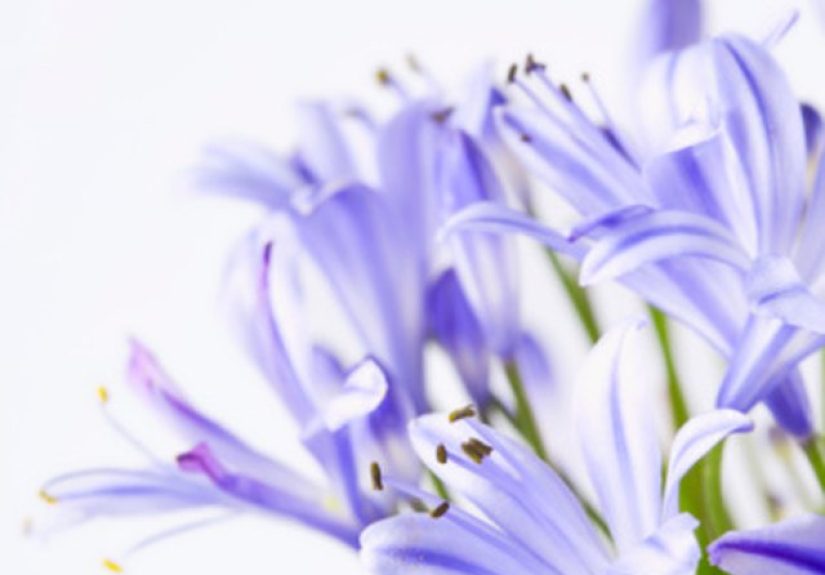
Lily of the Nile (Agapanthus spp.), also called African lily, is a clump-forming perennial with
long, arching leaves and dramatic flower stalks bearing clusters of tubular blooms in shades of
blue, purple, or white. It’s not a true lily, but a member of its own small family, and it grows
from fleshy rhizomes rather than bulbs.
Most varieties are hardy in USDA zones 8–11, with some newer cultivars tolerating slightly cooler
areas. In these warmer zones, Lily of the Nile can be grown in the ground as a perennial; in colder
regions, it’s often treated as a container plant that’s moved indoors or protected over winter.
Evergreen vs. Deciduous Types
You’ll see Agapanthus labeled as evergreen or deciduous:
- Evergreen types keep their leaves year-round in mild climates but are more sensitive to cold.
- Deciduous types die back to the ground in winter and often have a bit more cold tolerance.
Knowing which type you have helps you decide how aggressive to be with winter protection and pruning.
Choosing the Right Spot
Light Requirements
Lily of the Nile loves sunshine. For the best blooms, give it at least
6 hours of direct sun per day. In very hot summer climates, a bit of light
afternoon shade can keep the leaves from scorching and help flowers last longer.
If your plant isn’t blooming, one of the first things to check is whether it’s getting enough
light. Plants stuck in deep shade may produce lots of leaves but very few flowers.
Soil and Drainage
If Lily of the Nile could write a dating profile, “well-drained soil only” would be right at the
top. It prefers:
- Loose, sandy or sandy-loam soil
- Good drainage (no standing water after rain)
- A slightly acidic to neutral pH, roughly 6.0–7.5
Clay soil isn’t a deal-breaker as long as you amend it with compost to improve structure and
drainage. In very poor, sandy soil, adding organic matter helps the plant bloom better and stay
healthier.
How to Plant Lily of the Nile
When to Plant
The best time to plant Lily of the Nile is:
- In spring after the danger of frost has passed, especially in cooler climates
- In fall or early spring in mild, frost-free regions (zones 8–11)
You can plant either bare rhizomes or potted plants. Potted plants establish faster and are a good
option if you want blooms sooner.
Planting in the Ground
-
Prep the soil. Loosen the soil about 12–15 inches deep and mix in compost. Good
drainage is critical, especially in winter. -
Set the rhizomes. Plant rhizomes about 1–2 inches deep and roughly 8–18 inches
apart, depending on the variety and how quickly you want a full clump. - Water thoroughly. After planting, water well to settle soil around the roots.
-
Mulch lightly (optional). In mild climates, a thin layer of mulch can help keep
moisture even, but avoid piling mulch directly on the crown.
Planting in Containers
Lily of the Nile is a rockstar container plant and is often easier to manage in colder climates.
-
Choose the right pot. Start with a container at least 12 inches wide with
drainage holes. Agapanthus actually bloom best when slightly root-bound, so don’t oversize the
pot. -
Use a well-draining mix. A quality potting mix with some added compost or
perlite works well. Avoid heavy garden soil in pots. -
Plant at the same depth. Set the root ball so the crown is at soil level.
Firm gently and water thoroughly. -
Place in a sunny spot. Give your container at least half a day of sun. If
summers are intense, provide a bit of afternoon shade.
As the plant fills the pot and becomes pot-bound, flowering usually improves. When it starts to
seriously bulge the pot or crack plastic containers, it’s time to divide or move up a size.
Watering, Feeding, and Mulching
How Much to Water
Lily of the Nile likes consistent moisture while it’s actively growing and blooming, but it does
not enjoy wet feet in winter.
-
Newly planted Agapanthus should be kept evenly moist (not soggy) until
established. -
Established plants are somewhat drought tolerant, but they bloom better with
regular wateringroughly 1 inch per week during the growing season, depending on your climate
and soil. -
In winter or dormancy, especially in cooler climates, water much less and allow soil to
dry slightly between waterings.
In containers, check moisture more often. Pots dry out faster, especially in sun and wind. Water
when the top inch of soil feels dry to the touch.
Feeding for Blooms
Agapanthus are surprisingly hungry plants. They respond very well to regular feeding during the
growing season.
-
Work compost or aged manure into the soil at planting time for a slow, organic
nutrient source. -
In spring and early summer, apply a balanced, slow-release fertilizer
(something like 8–8–8 or 10–10–10) according to the package directions. -
As buds form, switch to a bloom-boosting, higher-potassium fertilizer (similar
to tomato feed) once every few weeks to encourage more flowers.
Go easy on high-nitrogen fertilizers, especially mid-summer onward. Too much nitrogen leads to
lush foliage and disappointing flower production.
Should You Mulch?
Mulch can be helpful, but it needs to be used thoughtfully:
-
In warm climates, a light layer of mulch keeps soil moisture even and reduces
weeds. -
In colder regions, mulch is mainly a winter tool: a 4–6 inch layer over the root
zone can help protect rhizomes from freezing.
In very wet climates or poorly drained soils, heavy mulch can trap moisture and invite root rot.
When in doubt, mulch lightly and keep it pulled back from the crown.
Seasonal Care and Winter Protection
Spring and Summer Care
Spring is your plant’s “wake-up and stretch” phase:
- Remove any dead or damaged foliage.
- Start regular watering as new growth appears.
- Apply your spring fertilizer to support new leaves and budding stems.
Through summer, keep watering consistent and deadhead spent flower stalks to keep things tidy and
sometimes encourage a bit of rebloom.
Winter Care by Climate
How you winterize Lily of the Nile depends heavily on your USDA zone:
-
Zones 8–11: Plants can typically stay in the ground. For deciduous types, cut
back dead foliage in late fall and apply a layer of mulch over the root zone. Evergreen types
can keep their leaves; just tidy up and mulch lightly. -
Zones 6–7: Many gardeners still keep them in the ground, but extra winter
protection is importantthick mulch, well-drained soil, and a sheltered spot. -
Zones 5 and colder: Treat Agapanthus like a tender perennial. Grow in
containers you can move to a cool, bright, frost-free spot (garage window, sunroom, greenhouse)
before hard freezes. Water just enough to keep the soil from going bone-dry.
For deciduous types grown in very cold regions, some gardeners dig the rhizomes, dry them, and
store them in a cool, dry place over winter, similar to dahlias, then replant in spring.
Pruning, Deadheading, and Dividing
Deadheading Spent Blooms
Once individual flowers fade and the whole globe looks tired, use clean pruners to cut the flower
stalk back at its base. This:
- Keeps the plant looking neat
- Prevents unwanted self-seeding (in regions where that’s an issue)
- Helps the plant put energy into roots and future blooms
Cutting Back Foliage
For deciduous varieties, let the foliage yellow naturally in fallthis allows the
plant to store energy in the rhizomes. Then cut it back near the base. For
evergreen types, remove only obviously damaged or dead leaves and tidy as needed.
Dividing Overgrown Clumps
Lily of the Nile actually blooms best when a bit crowded, but eventually clumps can become
overgrown or congested in pots.
- Divide every 4–6 years, or when flowering declines and clumps look crowded.
- The best time to divide is in fall in mild climates or early spring in cooler ones.
-
Lift the clump, cut or pry apart sections with several rhizomes and healthy roots, and replant
at the same depth.
Newly divided plants may take a year to settle in before blooming again, so don’t panic if they
skip a season.
Common Problems and Easy Fixes
Why Isn’t My Lily of the Nile Flowering?
If your plant is all leaves and no flowers, run through this quick checklist:
- Light: Is it getting at least 6 hours of direct sun?
-
Feeding: Have you given it a bloom-boosting fertilizer in spring and early
summer? - Water: Is it too dry during bud formation or too wet and sulking?
- Division timing: Was it recently divided? It may need a season to recover.
Pests and Diseases
The good news: Lily of the Nile is generally tough and low-maintenance. Deer usually leave it
alone, which is practically superhero status in some gardens.
Potential issues include:
- Snails and slugs nibbling leaves
- Root rot in poorly drained, waterlogged soil
- Occasional fungal leaf spots in very humid, crowded conditions
Good drainage, proper spacing, and removing old foliage usually keep problems minor.
Is Lily of the Nile Toxic?
Agapanthus sap can be irritating to skin, and parts of the plant may be mildly toxic if ingested
by pets or people. If you have curious chewers in the house, it’s wise to plant it out of easy
reach and wear gloves when dividing or pruning.
Design Ideas for Lily of the Nile
Beyond being easy to care for, Lily of the Nile is incredibly versatile in the landscape:
- Line a walkway or driveway with repeated clumps for a clean, architectural look.
-
Tuck it into mixed borders with ornamental grasses, daylilies, or salvias for a soft, breezy
feel. -
Plant it in large containers on patios, balconies, or pool decks where the flower stalks can
tower above lower plants. - Combine white varieties with deep purple or blue ones for a cool, coastal-inspired palette.
Since the foliage remains attractive even when the plant isn’t blooming, it also works nicely as a
textural “filler” in beds and borders.
Real-Life Experiences: What It’s Like Caring for Lily of the Nile
On paper, Lily of the Nile sounds almost too good to be truesun-loving, low-maintenance, and
dramatic. In real gardens, it mostly lives up to the hype, but there are a few lessons that
gardeners tend to learn the hard (and sometimes funny) way.
One of the first surprises people notice is how long these plants take to really settle in. The
first year, your Agapanthus might look polite and modest, putting out a few leaves and maybe a
single flower stalk if it’s feeling generous. By the second or third year, once the roots have
filled in, the clump suddenly switches to “performance mode,” sending up multiple bloom stalks and
looking like a completely different plant. If you’re impatient, remember that Lily of the Nile is
playing the long gameonce established, it can grace the same spot for years with minimal drama.
Container growers often share similar “aha” moments. New gardeners tend to buy a big, beautiful
ceramic pot and give the plant tons of legroom. Ironically, that roomy pot can delay blooms. As
many experienced gardeners eventually discover, Agapanthus actually prefers being a little
cramped. Pots that feel slightly overstuffed usually put on the best flower show. It’s one of the
few plants where you’re rewarded for not rushing to repot the moment you see roots circling the
sides.
Watering habits are another area where experience makes a big difference. In early days, it’s
easy to overcompensateespecially in containersby watering every time you happen to walk past
with a hose. Over time, though, most gardeners learn the plant’s rhythm: regular moisture in
spring and summer, then a much lighter touch in winter. Many people report that once they backed
off watering during the cooler months, issues like yellowing leaves and root rot practically
disappeared.
Winter care stories vary by climate, but a common theme is “better safe than sorry.” Gardeners in
borderline zones often treat their Agapanthus like VIP guests when frost is in the forecastrolling
pots into garages, wrapping containers in burlap, or piling on mulch over in-ground clumps. While
it’s tough to lose a plant to a surprise cold snap, those experiences tend to shape smarter winter
routines. The next year, people are more proactive: moving containers earlier, checking drainage,
and choosing slightly more sheltered spots.
And then there’s the simple joy factor. Many gardeners say Lily of the Nile becomes one of those
plants that quietly anchors the garden’s summer look. The flowers are sturdy enough to handle hot
weather and still look fresh, and they make excellent cut flowers. It’s pretty common to hear
gardeners admit they “accidentally” ended up with more Agapanthus because every time they divided
a clump, they found yet another spot that “could use just one more.”
Overall, real-world experiences tend to confirm what the care guides say: if you give Lily of the
Nile sun, drainage, and a bit of regular food, it will return the favor with years of effortless
color. Treat it like the long-term garden partner it ispatiently at first, then with a little
strategic tough loveand it will quickly become one of the easiest high-impact plants in your
landscape.
SEO JSON