Table of Contents >> Show >> Hide
- Why Lentil Texture Changes So Much
- Lentil Cheat Sheet: Which Type Gives You Which Texture?
- The Master Method for Cooking Lentils on the Stove
- How to Cook Each Type of Lentil
- How to Choose the Texture You Actually Want
- Common Lentil Mistakes That Ruin Texture
- How to Store and Reheat Cooked Lentils
- Practical Kitchen Experiences That Make You Better at Cooking Lentils
- Conclusion
Lentils are the overachievers of the pantry. They’re affordable, fast compared with most dried beans, rich in protein and fiber, and somehow capable of becoming a hearty salad, a silky soup, or a cozy pot of dal without demanding much drama in return. In other words, lentils are the kind of ingredient that deserves a permanent spot in your kitchen, right next to the olive oil and that one wooden spoon you trust more than some people.
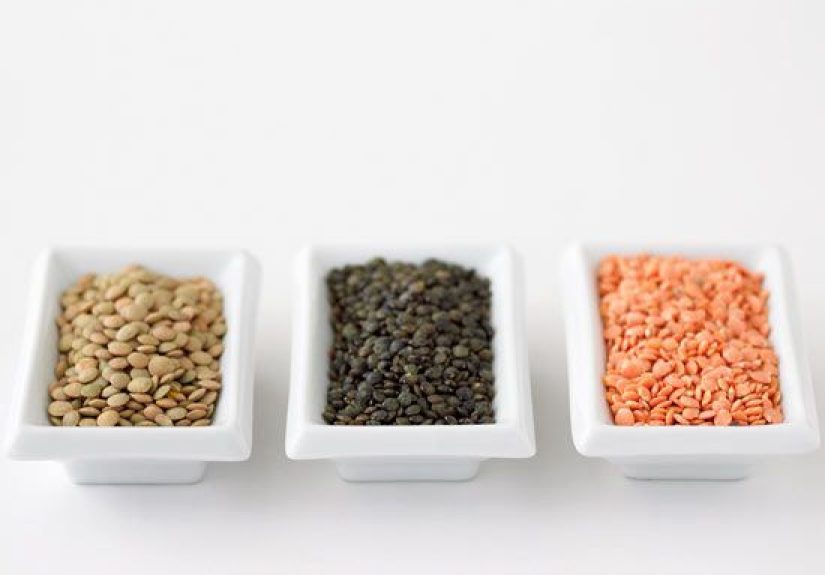
But cooking lentils well is not just about tossing them in water and hoping for the best. Different types behave very differently. Red lentils collapse into softness in a hurry. Brown lentils can go from pleasantly tender to “who invited the mush?” if you wander off too long. French green and black lentils are the reliable, shape-holding stars of salads and grain bowls. If you want the exact texture you’re craving, you need to match the lentil to the dish and the cooking time to the moment.
This guide breaks down how to cook lentils of every common type so you get the tender texture you actually want, whether that means creamy, spoonable, toothsome, or neatly intact. No guesswork, no dry centers, no accidental lentil wallpaper paste.
Why Lentil Texture Changes So Much
The biggest reason lentils cook differently is their structure. Some have skins that stay fairly firm during cooking, while others are sold hulled or split, which lets water rush in and turn them soft much faster. Age matters too. Older lentils can take longer to soften and may never become as tender as fresher ones. That is why cooking times are always a range, not a promise carved into a saucepan.
Another factor is how you cook them. A hard boil can knock delicate lentils apart. A gentle simmer gives you more control. Acidic ingredients such as tomatoes, lemon juice, and vinegar are usually best added later if you want softer lentils, because acidity can slow softening. Salt is where cooks love to start arguments. Some swear by adding it only at the end, while others simmer lentils in salted water with excellent results. The practical middle ground is simple: if tenderness is your top priority, keep the cooking liquid straightforward, then season confidently at the end.
Lentil Cheat Sheet: Which Type Gives You Which Texture?
| Type of Lentil | Texture When Cooked | Average Time | Best For |
|---|---|---|---|
| Brown lentils | Versatile; can hold shape or soften further | 20 to 35 minutes | Soups, stews, meal prep, side dishes |
| Green lentils | Firm, earthy, slightly peppery | 25 to 40 minutes | Salads, warm bowls, hearty sides |
| French green lentils (Le Puy style) | Tender but distinct, holds shape very well | 20 to 30 minutes | Salads, elegant sides, grain bowls |
| Black lentils (beluga) | Small, glossy, tender with a firm bite | 20 to 30 minutes | Salads, bowls, plated mains |
| Red lentils | Soft, creamy, quickly break down | 8 to 15 minutes | Dal, purees, thick soups |
| Yellow lentils | Soft to creamy, often very smooth | 10 to 20 minutes | Curries, soups, stews, purees |
The Master Method for Cooking Lentils on the Stove
Step 1: Sort and rinse
Before cooking, spread the lentils out quickly on a plate or baking sheet and check for tiny stones or debris. Then rinse them under cool water. It takes less than a minute, and it is far preferable to discovering a pebble during dinner.
Step 2: Use enough liquid
For brown, green, French green, and black lentils, use about 4 cups of water or broth for every 1 cup of lentils if you plan to drain them. That gives them room to move and cook evenly, almost like pasta. For red and yellow lentils, 3 cups of liquid per 1 cup lentils is usually enough, especially when you want a thicker final texture.
Step 3: Add aromatics if you want more flavor
You can simmer lentils with onion, garlic, bay leaves, thyme, or a chunk of carrot and celery. Broth adds extra savoriness. Just hold off on acidic ingredients until the lentils are nearly done if your goal is maximum tenderness.
Step 4: Bring to a boil, then immediately lower to a simmer
This is the move that separates tender lentils from split, blown-out lentils. Once the pot boils, reduce the heat so the liquid barely bubbles. Gentle heat gives you control.
Step 5: Taste early, then keep tasting
The clock is helpful, but your mouth is the real timer. Start checking a few minutes before the low end of the range. A lentil should not taste chalky in the middle. For salads, you want it tender with some definition. For soups and stews, you can let it go longer until it softens more deeply.
Step 6: Drain or finish as needed
If you cooked the lentils in plenty of liquid, drain them when they reach the texture you want. If they are part of a soup or stew, keep them in the pot and finish with salt, pepper, herbs, or acid for brightness.
How to Cook Each Type of Lentil
How to Cook Brown Lentils
Brown lentils are the all-purpose jeans of the lentil world. They can go casual, they can go cozy, and they rarely make you regret inviting them over. They are the best choice when you want flexibility.
For tender-but-intact brown lentils, simmer 1 cup lentils in 4 cups water for about 20 to 25 minutes. For softer brown lentils meant for soup, stew, or a thicker side dish, plan on 30 to 35 minutes. Drain when they are just shy of the final texture you want, because they continue to soften slightly from residual heat.
Best uses: vegetable lentil soup, weeknight stews, taco fillings, lentil sloppy joes, warm side dishes with olive oil and herbs.
How to Cook Green Lentils
Regular green lentils are firmer than brown lentils and keep a pleasant bite. They are ideal when you want the lentils to stand up in a salad, grain bowl, or hearty side instead of fading into the background like an extra in a cooking show.
Simmer 1 cup green lentils in 4 cups water for about 25 to 35 minutes. Larger or older green lentils may need closer to 40 minutes. Taste frequently after the 25-minute mark. Stop when they are tender but still clearly individual.
Best uses: lentil salads with vinaigrette, roasted vegetable bowls, stuffed peppers, warm side dishes with mustard dressing.
How to Cook French Green Lentils
French green lentils, often labeled Le Puy-style lentils, are the polished professionals of the bunch. They stay nicely intact, have a subtly nutty flavor, and look great on a plate. If your dream is a lentil salad that does not resemble a spreadable dip, start here.
Simmer 1 cup French green lentils in 4 cups water for 20 to 30 minutes. Check early. These lentils are often perfect when they are fully tender yet still have a little bounce. Dress them while warm with olive oil, Dijon, lemon, or red wine vinegar so they absorb flavor.
Best uses: composed salads, meal-prep lunches, side dishes with fish or roast chicken, lentil bowls with feta and herbs.
How to Cook Black Lentils
Black lentils, also called beluga lentils, are small, dark, and dramatic in the best way. They hold their shape beautifully and have a polished look that makes even a simple grain bowl feel slightly fancier than your average Tuesday deserves.
Cook 1 cup black lentils in 4 cups water for 20 to 30 minutes. Some cooks like to soak or brine them briefly for even cooking, but it is optional. What matters most is not overcooking them. Once they go fully soft, their charm fades fast.
Best uses: salads, grain bowls, plated vegetarian mains, side dishes with mushrooms, roasted carrots, or yogurt sauce.
How to Cook Red Lentils
Red lentils are not here to hold shape. They are here to get soft, cozy, and gloriously creamy. Most are sold split and hulled, which means they cook quickly and break down almost on purpose. This is excellent news for soups, curries, and dals.
Simmer 1 cup red lentils in 3 cups water for 8 to 12 minutes for soft lentils, or 12 to 15 minutes if you want them nearly dissolved. Stir more often toward the end, because once they begin to break down, they can stick. Do not expect distinct little lentils. That ship sails early.
Best uses: red lentil dal, creamy soups, curries, purees, quick weeknight meals with spices and coconut milk.
How to Cook Yellow Lentils
Yellow lentils vary a bit depending on the variety, but in home cooking they generally act like red lentils’ mellow cousin. They soften quickly and often cook into a smooth, comforting texture.
Use 3 cups water per 1 cup yellow lentils and simmer for 10 to 20 minutes depending on the variety and whether they are split. Check early and cook until they are tender enough to mash with the back of a spoon.
Best uses: dal, silky soups, stews, curried lentils, soft fillings for flatbreads or bowls.
How to Choose the Texture You Actually Want
If you want firm lentils for salad, choose French green, black, or regular green lentils. Cook them in plenty of water, simmer gently, and drain them as soon as they are tender. Then dress them while warm.
If you want tender lentils for soup, brown lentils are usually the easiest option. They soften nicely but do not disappear too quickly. For thicker soups, let them cook a bit longer and mash a small portion into the broth.
If you want creamy lentils for dal or puree, choose red or yellow lentils. Do not fight their nature. Lean in. Add garlic, ginger, spices, and enough liquid to keep the texture spoonable.
If you want lentils for meal prep, French green and black lentils are excellent because they stay intact in the fridge and reheat without turning mushy. Brown lentils can work too, but pull them off the heat earlier.
Common Lentil Mistakes That Ruin Texture
Cooking at a hard boil
A rolling boil can split lentils and make the outside overcook before the inside is fully tender. Simmer gently instead.
Adding acid too early
Tomatoes, lemon juice, and vinegar are wonderful for flavor, but add them later if you want the lentils to soften more easily.
Using very old lentils
If your lentils have been in the pantry long enough to qualify for a retirement plan, they may stay stubbornly firm. Fresher lentils cook more evenly.
Not tasting along the way
Lentils do not care what the package says. Taste early and often.
Overcooking the wrong type
Red and yellow lentils are supposed to soften dramatically. French green and black lentils are not. Treating every variety the same is how good intentions become mush.
How to Store and Reheat Cooked Lentils
Cool cooked lentils before storing, then refrigerate them in an airtight container. If they seem dry, add a spoonful of cooking liquid or water before reheating. Intact lentils such as French green, green, black, and brown are especially useful for meal prep because they can be turned into salads, bowls, soups, and quick sides throughout the week.
If you are freezing lentils, slightly undercook them first. That gives them a better texture after thawing and reheating. Red and yellow lentils freeze well in soups and dals; brown, green, and black are best frozen in saucy dishes or with a little extra liquid.
Practical Kitchen Experiences That Make You Better at Cooking Lentils
Anyone can follow a timer, but the real confidence with lentils comes from experience. After you cook them a few different ways, you start noticing patterns that recipe cards do not always explain. The first lesson is that the type of lentil really matters more than many beginners expect. A person might cook red lentils once, see them turn creamy, and assume every lentil behaves that way. Then they try French green lentils, wait for the same collapse, and instead get tidy little beads that hold their shape like tiny overachievers. That is not failure. That is the ingredient doing exactly what it is meant to do.
Another common experience is learning that texture changes in stages, not all at once. Lentils go from chalky to tender to soft in what feels like a very short window. That is why experienced home cooks stop trusting the clock alone. They start tasting. They notice that the ideal lentil for salad is not fully soft in the same way as the ideal lentil for soup. It still has shape, a little spring, and enough structure to handle dressing without turning into a muddy pile at the bottom of the bowl.
Many cooks also discover that lentils are incredibly forgiving in one sense and surprisingly specific in another. They are forgiving because you do not need to soak most of them, fuss over exact measurements, or hover over the stove like a worried stage parent. But they are specific because the difference between a gentle simmer and a furious boil really does show up in the final pot. A simmer keeps lentils intact and evenly cooked. A heavy boil can make the outer layer burst before the center reaches the texture you wanted.
One especially useful kitchen lesson is how flavor and texture work together. Lentils cooked plainly in water can be perfectly fine, but lentils simmered with bay leaf, onion, garlic, or broth taste fuller and richer even before the final seasoning. Then, once they are tender, a splash of lemon juice or vinegar can wake everything up. That contrast teaches cooks something valuable: tenderness is not the same as deliciousness. The goal is both.
Experience also teaches restraint. It is tempting to keep cooking lentils “just a little longer” because they seem close. Sometimes that works. Sometimes it turns a promising batch into baby food with ambition. The more you make lentils, the more you learn to pull them from the heat just before they are absolutely perfect, especially if they will sit in a hot pot for a few minutes afterward.
And perhaps the most encouraging lesson is that lentils become easier, not harder, the more often you cook them. Once you understand that brown lentils are flexible, red lentils are creamy, and French green or black lentils are the shape-holders, dinner gets simpler. You stop wondering whether lentils are “tricky” and start using them the way good pantry staples are meant to be used: often, confidently, and with enough common sense to know when to taste, when to season, and when to step away from the stove before everything turns to mush.
Conclusion
If you want perfectly cooked lentils, the secret is not a secret at all. Pick the right variety, simmer gently, and start tasting before the timer tells you to. Brown lentils are the flexible all-rounders, green and French green lentils are your best bet for structure, black lentils bring a firm and polished bite, and red and yellow lentils are built for creaminess. Once you understand those personalities, you can cook lentils for exactly the texture your dish needs instead of hoping the pot reads your mind.
In other words, lentils are less mysterious than they look. Give them the right amount of water, a little patience, and a quick taste test at the right moment, and they will reward you with everything from bright salads to velvety soups. Not bad for a pantry staple that rarely asks for applause.