Table of Contents >> Show >> Hide
- What Is Patty Pan Squash?
- How to Choose the Best Patty Pan Squash
- Prep Like a Pro (It Takes 3 Minutes)
- The Best Ways to Cook Patty Pan Squash
- Seasoning Ideas That Never Miss
- Common Patty Pan Squash Problems (and How to Fix Them)
- Quick “What Should I Make?” Guide
- FAQ
- Real-Life Kitchen Notes (About of “Been There, Cooked That”)
- SEO Tags
Patty pan squash is the cute little “flying saucer” of the summer produce aislesmall, scalloped, and weirdly proud of it. The good news: it’s one of the easiest vegetables on Earth to cook. The slightly trickier news: because it’s a summer squash, it’s basically part vegetable, part water balloon. Cook it right and you’ll get crisp-tender bites with browned edges. Cook it wrong and you’ll accidentally invent squash soup… in a skillet… without trying.
This guide walks you through buying, prepping, and cooking patty pan squash using the most reliable methodsroasting, sautéing, grilling, air frying, steaming, and stuffingplus seasoning ideas, common mistakes, and a “what do I do with the giant one?” rescue plan.
What Is Patty Pan Squash?
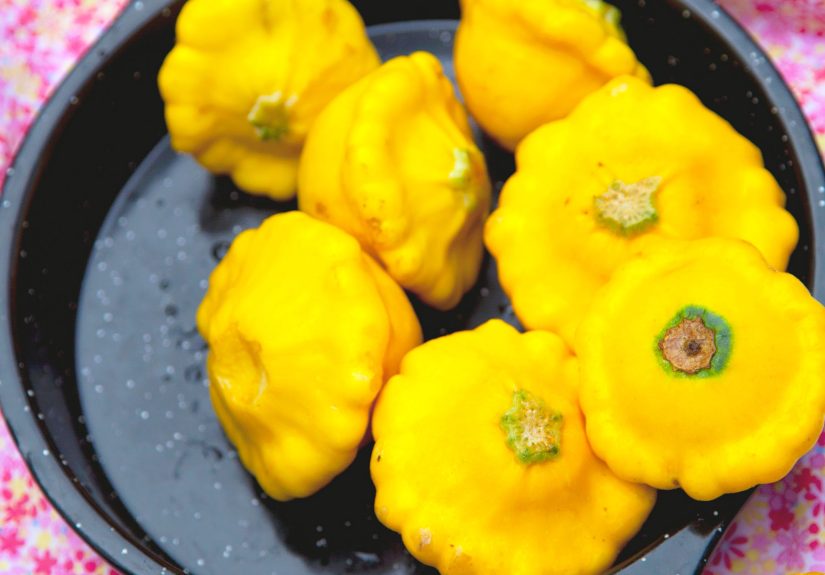
Patty pan (also spelled pattypan) is a type of summer squash. It has thin, edible skin, mild flavor, and tender fleshmore like zucchini or yellow squash than a dense winter squash. You’ll see it in white, yellow, green, and sometimes striped. Small ones are especially tender and cook quickly, while bigger ones can get seedier and more starchy (still usablejust needs a different plan).
Think of it this way: patty pan squash is the friendly extrovert of vegetables. It gets along with garlic, lemon, herbs, cheese, spicy sausage, tomatoes, breadcrumbs, olive oil, butter, and basically anything you were already going to cook for dinner anyway.
How to Choose the Best Patty Pan Squash
Go small when you can
For the best texture, aim for small to medium squash. Small ones tend to have fewer seeds and a firmer bite, and they brown and char more nicely. Very large patty pans can be watery inside, with bigger seeds and a starchier texturebetter suited for halving, scooping, and stuffing, or simmering into soups and stews.
Look for “fresh and fearless”
- Firm and heavy for its size (lightweight squash can mean a dry, cottony interior).
- Unblemished skin without soft spots, deep scratches, or shriveling.
- Fresh stem endnot moldy, not slimy, not giving “forgotten in the back of the fridge” energy.
Storage basics
Keep patty pan squash in the refrigerator crisper, ideally in a bag or container to prevent moisture loss. Don’t wash it until you’re ready to cookwater on the skin can speed up decay. Like most summer squash, it’s best used sooner rather than later.
Prep Like a Pro (It Takes 3 Minutes)
- Rinse and dry the squash (dry matterswater is the enemy of browning).
- Trim the stem end and the blossom end.
- Cut based on size (see below).
How to cut patty pan squash (by size)
- Very small (bite-size): halve them, or cook whole for a “cute factor” side dish.
- Small to medium: slice into 1/2-inch wedges, thick half-moons, or chunky pieces so they don’t collapse.
- Large: cut in half, scoop out the seedy center if needed, then slice or stuff.
The secret to avoiding soggy squash
Summer squash holds a lot of water. If you want better browning (especially for sautéing or roasting), salt the cut squash lightly and let it sit 10–30 minutes, then pat dry. This draws out moisture and seasons the squash “from the inside out.” It’s optionalbut it’s also the difference between “golden and delicious” and “why is my skillet crying?”
The Best Ways to Cook Patty Pan Squash
Here’s the big idea: patty pan squash likes high heat + enough space. Crowding traps steam. Steam makes squash soft. Soft turns into mush. Mush makes you sad. We cook to avoid sadness.
1) Roast It (Best for browning and zero babysitting)
Roasting gives you caramelized edges and a slightly sweet, nutty flavor. It’s also the most forgiving method when you’re juggling the rest of dinner (or trying to remember if you already salted the pasta water).
- Oven: 425°F
- Time: about 20–25 minutes total (depending on thickness)
- Cut: halves or wedges; keep pieces similar in size
How to do it:
- Heat oven to 425°F. Line a sheet pan (easy cleanup = joy).
- Toss squash with olive oil, salt, pepper. Add thyme, oregano, or rosemary if you’re feeling fancy.
- Spread in a single layergive each piece personal space.
- Roast until tender and golden, flipping once if you want maximum browning.
- Add garlic near the end so it doesn’t burn (burnt garlic tastes like regret).
Flavor idea: Finish with lemon juice and parsley, or sprinkle Parmesan right when it comes out of the oven.
2) Sauté It (Fastest weeknight method)
Sautéing is the “I need a vegetable, but I also need it now” approach. The key is medium to medium-high heat, a wide pan, and not stirring constantly. Let it brown!
- Stovetop: medium heat (medium-high if your pan is crowdedbetter yet, don’t crowd)
- Time: 7–10 minutes
- Cut: 1-inch chunks or thick slices
How to do it:
- Heat olive oil or butter in a large skillet.
- Add squash in a single layer; season with salt and pepper.
- Cook 7–10 minutes, stirring only occasionally so edges brown.
- At the end, add garlic (or grated garlic), lemon juice, and fresh herbs.
- Optional: toss in spinach for the last minute, then finish with Parmesan.
Pro move: If your squash starts releasing lots of liquid, your pan is too crowded or your heat is too low. Turn up the heat and let the moisture evaporate.
3) Grill It (For smoky, summer energy)
Patty pan squash grills beautifully because the shape gives you flat surfaces for char. You want thicker cuts so it doesn’t fall through the grates like a tiny vegetable betrayal.
- Grill heat: medium (about 350–375°F)
- Time: about 8–10 minutes total, turning as needed
- Cut: halves (small) or thick wedges (larger)
How to do it:
- Brush squash with oil; season well.
- Place cut-side down first for grill marks.
- Grill until crisp-tender with light char, turning once or twice.
- Finish with a drizzle of olive oil, lemon, or a quick vinaigrette.
Serving idea: Dice grilled squash and toss into a salad with tomatoes, basil, and a salty cheese (feta or Parmesan).
4) Air Fry It (Maximum crisp edges, minimal effort)
Air frying is like roasting with an attitude: more crisping, less waiting. It’s great when you want browned edges but don’t want to heat the whole kitchen.
- Air fryer: 400°F
- Time: about 10–12 minutes, shaking halfway
- Cut: halves or thick chunks
How to do it:
- Toss squash with oil, salt, pepper, and dried herbs (oregano + thyme is a classic combo).
- Arrange in the basket in a mostly single layer.
- Air fry, shaking halfway through for even browning.
- Finish with lemon zest, grated cheese, or red pepper flakes.
5) Steam or Microwave It (When you want “simple” not “spectacular”)
Steaming keeps patty pan squash tender and mildgreat if you’re adding it to pasta, grain bowls, or a saucy dish where browning isn’t the goal. Microwaving is basically steaming with less dishwashing.
- Steam: 3–5 minutes for pieces; longer for whole baby squash
- Microwave: about 4–7 minutes for sliced squash with a little water, covered; stir halfway
Make it taste like something: After steaming, toss with butter or olive oil, lemon, salt, pepper, and a handful of fresh herbs. (Steamed squash without seasoning is… a choice.)
6) Stuff It (Best use for larger patty pans)
Big patty pan squash is basically nature’s little serving bowl. Stuffing turns “a giant squash got away from me in the garden” into “look at my charming edible casserole.”
Two smart approaches:
- Par-cook first: Steam briefly so the shell is tender before baking with filling.
- Or bake longer: If you skip steaming, plan extra oven time.
Simple stuffing formula (you can remix):
- Aromatics: onion + garlic
- Body: breadcrumbs, cooked rice, quinoa, or beans
- Flavor: herbs, spices, maybe a little sausage or bacon
- Binder: cheese, egg, or a splash of cream
How to do it:
- Cut off the top third (like a lid) and scoop out the center to make a “cup.” Chop the scooped flesh and save it.
- Sauté chopped onion/garlic, add chopped squash flesh, then your filling ingredients.
- Fill squash, cover loosely, bake around 375°F until hot and tender; uncover at the end to melt/brown cheese.
Seasoning Ideas That Never Miss
Patty pan squash is mild, so seasoning is where the personality shows up. Here are combos that work across roasting, sautéing, grilling, and air frying:
- Lemon + garlic + parsley (bright, classic, goes with everything)
- Parmesan + black pepper + olive oil (simple and very addictive)
- Thyme + oregano + red pepper flakes (herby with a little swagger)
- Basil + tomatoes + balsamic (summer pasta-night vibes)
- Smoked paprika + cumin + lime (great for tacos or grain bowls)
- Butter + miso (umami upgrade for people who like big flavor)
Common Patty Pan Squash Problems (and How to Fix Them)
“Why is it mushy?”
Usually one of three things: your pieces are too thin, your heat is too low, or your pan is overcrowded. Cut thicker, increase heat, and give the squash space. If you’re sautéing, don’t stir nonstopbrowning needs contact time.
“It released a ton of water.”
That’s summer squash being summer squash. Turn up the heat to evaporate moisture, or salt-and-rest the squash before cooking, then pat dry. Roasting and air frying also help because high heat drives off moisture fast.
“This one is huge and seedy. Now what?”
Scoop out the seedy center like you would with an overgrown zucchini. Then either stuff and bake it, chop it into stew/soup, or grate it for quick breads and fritters (where texture matters less).
Quick “What Should I Make?” Guide
- Want crispy edges? Roast (425°F) or air fry (400°F).
- Need it fast? Sauté 7–10 minutes.
- Already grilling dinner? Grill the squash right next to it.
- Squash is large? Stuff it or scoop and sauté the flesh.
- Cooking for picky eaters? Roast with Parmesan or sauté with butter and garlic.
FAQ
Do you peel patty pan squash?
Nope. The skin is thin and edible, especially on small to medium squash. Peeling is extra work with basically zero payoff.
Can you eat patty pan squash raw?
Yesespecially small, tender squash. Slice thin, salt lightly, and dress like you would cucumber. If you’re using a larger one, raw texture may be less pleasant.
What does patty pan squash taste like?
Mild and slightly sweetsomewhere in the zucchini/yellow squash family, with a texture that can feel a bit firmer when it’s small and freshly harvested.
Real-Life Kitchen Notes (About of “Been There, Cooked That”)
Patty pan squash has a way of showing up in your life like an enthusiastic neighbor who just baked you muffins. You didn’t ask for it, but it’s here, it’s cheerful, and now you need a plan. If you’ve ever bought a basket at the farmers market because the colors were irresistible (yellow! green! tiny UFO shapes!), you’ve probably also experienced the moment later in the week when you open the fridge and realize: you now own a small squadron of squash.
The first “aha” most cooks have is that patty pan squash isn’t hardit’s just dramatically sensitive to overcrowding. The very first time you sauté it, the temptation is to toss everything into a pan at once and stir like you’re making popcorn. The squash then releases water, the pan starts simmering, and instead of browning you’ve invented a steamy, pale vegetable situation. The fix feels almost too simple: use a bigger pan, cook in batches, and leave it alone long enough to get a little color. Once you see those golden edges, you’ll never go back.
Another common experience: the “garlic incident.” Summer squash cooks quickly, garlic burns quickly, and the universe loves comedy. If you add minced garlic at the start of a hot roast or sauté, you may end up with bitter, scorched bits before the squash is even tender. A small timing shift solves itadd garlic near the end, or use grated garlic that mellows fast in residual heat. This is one of those tiny technique changes that makes your dish taste like you meant to do it on purpose.
Then there’s the size saga. The tiny patty pans are adorable and easyhalve, roast, done. The big ones are a different personality. They can be watery, seedier, and sometimes a bit starchy. People often assume that means “bad,” but it just means “use the right job description.” Big patty pans are fantastic for stuffing because the shape holds filling like a champ. Scoop the center, sauté the chopped flesh with onion and herbs, add breadcrumbs or rice, stir in cheese, and suddenly your giant squash feels like a feature, not a problem.
One more very real kitchen moment: seasoning. Patty pan squash is mild, which is greatuntil you under-season it and wonder why dinner tastes like “warm water with good intentions.” Salt early, finish with acid (lemon, vinegar), and add an herb or cheese for punch. It’s the same reason a plain baked potato needs toppings: neutral foods are built to carry flavor. Once you treat patty pan squash like a canvas, it becomes a weekly regular.
Finally, don’t underestimate leftovers. Roasted patty pan squash tossed into pasta, folded into an omelet, or piled onto toast with a little ricotta feels like a “new dish” with almost no effort. It’s the kind of vegetable that rewards you for cooking a little extra and, honestly, that’s the most charming thing about it: it’s low drama once you learn its one big rule. High heat, space to brown, and enough seasoning to make it sing.