Table of Contents >> Show >> Hide
- First, a quick reality check: what “enlarged prostate” actually means
- The 9 steps to cope with an enlarged prostate (without letting it run your schedule)
- Step 1: Track your symptoms like you’re collecting evidence (because you are)
- Step 2: Get checkedespecially if anything feels “off” or new
- Step 3: Use fluid timing instead of “drink less”
- Step 4: Practice “double voiding” and timed bathroom breaks
- Step 5: Identify sneaky symptom boosters (meds, constipation, cold, and stress)
- Step 6: Eat and move in a way that supports urinary comfort
- Step 7: Understand medication options (and what they’re actually for)
- Step 8: Know when procedures are worth discussing
- Step 9: Build a day-to-day coping system (sleep, travel, and confidence)
- When to get urgent medical care
- Quick FAQ (because you’re not the only one wondering)
- Real-Life Coping Experiences: What People Often Notice (and What Actually Helps)
- Conclusion
If your bladder has started acting like it’s paid by the tripespecially at nightyou’re not alone.
An enlarged prostate (most often benign prostatic hyperplasia, or BPH) can turn simple things
like road trips, movies, and bedtime into a strategic plan involving restrooms, timing, and a suspicious hatred of iced coffee.
The good news: coping with BPH usually isn’t one big “do this forever” change. It’s a handful of smart moves that stack together.
Below are 9 practical steps that many urology teams recommendplus specific examples you can try today and
a longer “real-life experience” section at the end so this doesn’t read like a medical pamphlet written by a robot in a lab coat.
First, a quick reality check: what “enlarged prostate” actually means
The prostate sits just below the bladder and surrounds the urethra (the “exit tunnel” for urine).
With BPH, the prostate grows in a noncancerous way and can squeeze the urethra or irritate the bladder.
That can lead to symptoms like a weak stream, hesitancy, urgency, dribbling, frequent urination, and waking up at night to pee
(aka nocturia).
BPH is common as men age, but here’s the important part: “common” doesn’t mean “ignore it.”
Urinary symptoms can overlap with other issues (infection, bladder problems, medication side effectsand yes, sometimes more serious causes).
Coping well starts with getting the right diagnosis and choosing the least-annoying, most-effective plan for your life.
The 9 steps to cope with an enlarged prostate (without letting it run your schedule)
Step 1: Track your symptoms like you’re collecting evidence (because you are)
Before you change anything, get a baseline. Not because you love spreadsheetsbecause good tracking helps your clinician
see patterns and helps you notice what actually works.
- Keep a 3-day “pee diary”: note timing, urgency, nighttime trips, and any leaks.
- Rate your symptoms weekly: “mild/moderate/severe” or a standard symptom score if your clinic uses one.
- Write down your top 2 goals: “sleep through the night” and “stop scouting bathrooms like I’m on a survival show.”
Example: If nocturia is the worst, don’t just write “up a lot.” Write “up 3x/night, worst after salty dinner + late tea.”
That detail can change your entire plan.
Step 2: Get checkedespecially if anything feels “off” or new
Coping with BPH doesn’t always require aggressive treatment, but it does require a smart evaluation.
A typical workup may include a symptom questionnaire, a physical exam, a urine test, and (depending on your situation)
blood tests, PSA discussion, imaging, or checking how well the bladder empties.
Don’t “tough it out” if you have red-flag symptoms (there’s a full list below). And don’t assume every urinary issue is BPH.
Sometimes the prostate gets blamed for things it didn’t even do. (Your prostate would deny everything anyway.)
Step 3: Use fluid timing instead of “drink less”
Many people hear “limit fluids” and panic-hydrate at random, or they slash water all day and feel awful.
A better strategy: keep healthy fluids earlier, then taper later.
- Front-load hydration: drink more earlier in the day, less in the evening.
- Set a “last call” window: reduce fluids 2–4 hours before bed (individualize this).
- Watch bladder irritants: caffeine and alcohol can worsen frequency and urgency for many people.
Example schedule: Aim for most fluids before 6 p.m. If bedtime is 11 p.m., experiment with a “light sips only” rule after 8–9 p.m.
If you’re thirsty, small sips beat a full water bottle “because hydration.”
Step 4: Practice “double voiding” and timed bathroom breaks
With BPH, the bladder may not empty as efficiently, and the urge can show up fast.
Two old-school habits can help:
- Timed voiding: go every 2–3 hours (even if the urge is mild), instead of holding it until it’s an emergency.
- Double voiding: urinate, wait 20–30 seconds, relax, then try again to empty more fully.
These tricks are simple, but they’re surprisingly effective for many peopleespecially for that “I just went… why do I still feel full?” feeling.
Step 5: Identify sneaky symptom boosters (meds, constipation, cold, and stress)
BPH symptoms often get worse because of things that aren’t “the prostate” at all.
Look for the usual suspects:
-
Over-the-counter cold/allergy meds: some decongestants and antihistamines can make urination harder for certain people.
If your symptoms spike during cold season, this is worth discussing with your clinician. -
Constipation: a backed-up bowel can increase pressure in the pelvis and irritate urinary symptoms.
Fiber, regular movement, and treating constipation can make bathroom trips less dramatic. - Cold exposure: being chilled can trigger urinary urgency in some people. (Yes, your bladder can be a drama queen.)
- Stress: tension can worsen urgency and frequency. Not “in your head”in your nervous system.
Step 6: Eat and move in a way that supports urinary comfort
No diet “shrinks the prostate overnight,” but food and activity can influence inflammation, weight, constipation,
and bladder irritationwhich can influence symptoms.
- Prioritize fiber: vegetables, beans, oats, berriesyour gut will thank you, and your bladder may too.
- Go easy on triggers: many people do better when they reduce alcohol, caffeine, very salty meals, and heavily processed foods.
- Move regularly: even brisk walking can support overall urinary health and weight management.
Example: If nocturia is your nemesis, test a “lighter dinner + earlier dinner” week. Big salty meals late in the evening
are a common villain in the “why am I up again?” storyline.
Step 7: Understand medication options (and what they’re actually for)
If lifestyle steps aren’t enoughor symptoms are truly disrupting lifemedications can help.
The best choice depends on symptom type, prostate size, and your risk of progression.
Common categories include:
Alpha blockers
These relax smooth muscle in the prostate and bladder neck, often improving flow and reducing symptoms relatively quickly for many people.
They don’t “shrink” the prostate, but they can make urination easier.
5-alpha reductase inhibitors (5-ARIs)
Medications like finasteride or dutasteride can reduce the hormone activity that contributes to prostate growth.
They may help shrink the prostate over time and lower the risk of complications in appropriate patientsbut they can take months to show full benefit.
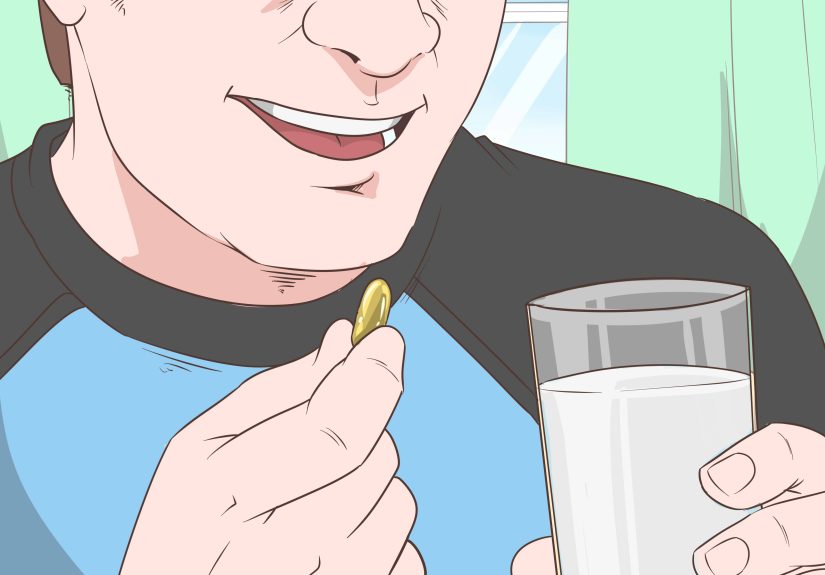
Tadalafil (daily low dose)
In some cases, a daily low dose of tadalafil may be discussed for urinary symptoms, whether or not erectile dysfunction is present.
Medication choices should be personalized, especially if you have heart conditions or take nitrate medications.
Important: medications can have side effects, and combining certain meds can affect blood pressure or cause dizziness.
This is why step 2 (a real evaluation) matters. You want helpnot a new reason to fall over when standing up.
Step 8: Know when procedures are worth discussing
If symptoms are moderate-to-severe, meds aren’t working well, or complications are developing, procedures may be an option.
The landscape is bigger than just “surgery” now, and options vary by prostate size, anatomy, and goals.
- Minimally invasive approaches (done in-office or outpatient for select patients) may reduce symptoms with shorter recovery.
- Standard surgeries (like TURP) and laser procedures can be very effective, especially for significant obstruction.
The best clinician conversations sound like: “Here are the options that fit your anatomy and goals” rather than “Here’s what we do to everyone.”
Shared decision-making is the win here.
Step 9: Build a day-to-day coping system (sleep, travel, and confidence)
Even with good treatment, life happenslong meetings, flights, road trips, and that one movie theater seat where getting up feels like a public announcement.
Make coping practical:
- Night strategy: pee right before bed; taper evening fluids; avoid late caffeine/alcohol; consider leg elevation earlier if you have swelling.
- Travel strategy: bathroom map ahead of time, aisle seat when possible, and avoid “chugging” right before boarding.
- Clothing strategy: choose easy-on/easy-off options when urgency is a theme (fashion can survive this).
- Confidence strategy: talk about it with your clinician and (if relevant) your partnersilence makes it feel bigger than it is.
When to get urgent medical care
Call urgent care or emergency services promptly if you have:
- Sudden inability to urinate (acute urinary retention)
- Severe pain with urination or lower abdominal swelling
- Fever, chills, or feeling very ill with urinary symptoms
- Blood in the urine (especially if persistent or heavy)
- Back/flank pain with systemic symptoms (could signal kidney involvement)
Quick FAQ (because you’re not the only one wondering)
Is an enlarged prostate the same thing as prostate cancer?
Not necessarily. BPH is noncancerous, but symptoms can overlap with other conditions.
That’s why evaluation mattersespecially if symptoms change quickly or feel different than usual.
Will I have to live like this forever?
Many people improve significantly with lifestyle changes, medication, or a procedureoften with a combination.
“Coping” doesn’t mean surrender; it means taking control of the factors you can influence.
What’s the single most helpful lifestyle change?
For many people: evening fluid timing plus reducing caffeine/alcohol.
For others: addressing constipation and medication triggers makes a surprisingly big difference.
The best move is the one that matches your personal pattern (hello, symptom diary).
Real-Life Coping Experiences: What People Often Notice (and What Actually Helps)
Let’s talk about the part that doesn’t show up on a lab test: the lived experience.
People coping with BPH often describe it as less “painful” and more “relentlessly inconvenient.”
It’s the slow drip (sometimes literally) of small disruptionssleep, confidence, and the feeling that your bladder is running the calendar.
The “Nighttime Negotiator” experience: Many people first notice the problem because sleep gets wrecked.
They’ll say things like, “I’m not exhausted from workI’m exhausted from 2 a.m.” What tends to help most is not a single miracle trick,
but a routine: taper fluids, avoid late caffeine, pee right before bed, and keep the bedroom setup safe for nighttime trips
(dim lighting, clear path, no obstacle course of laundry baskets). Some also find that elevating their legs earlier in the evening
helps if they deal with swelling, because fluid shifts can contribute to nighttime urine production.
The “Coffee Betrayal” experience: People who love coffee (or tea, or energy drinks) often notice a pattern:
urgency and frequency ramp up on high-caffeine days. The funny part is how often the solution is not “quit forever,”
but “move it earlier.” Switching from afternoon caffeine to morning-only caffeine is a common win.
Some people also find that alcoholespecially in the eveningturns nocturia into a recurring event series.
The “Cold Season Plot Twist” experience: A lot of people discover the OTC medication connection by accident.
They take a decongestant for a cold and suddenly the urinary stream acts like it’s trying to conserve water in a desert.
That moment is frustratingbut also useful. It’s a clue to review all meds and supplements with a clinician, especially during allergy season.
The “Public Places Strategy” experience: The emotional load is real.
People commonly report scanning bathrooms in new places, sitting near exits, and “pre-peeing” before events.
It can feel embarrassing, but it’s also a normal adaptation to urgency.
The healthiest coping mindset is: “This is a logistics problem I can plan for,” not “This is a personal failure.”
Small planning choicesan aisle seat, a bathroom stop before a long meeting, timed voidingreduce anxiety, which can reduce urgency for some.
The “Treatment Relief” experience: When the right treatment plan clickswhether lifestyle, meds, or a procedurepeople often describe it as getting their life back.
Not because symptoms go to zero, but because symptoms stop being the loudest voice in the room.
The most consistent theme from patient stories is that coping improves when you stop guessing and start testing:
track patterns, try one change at a time, and follow up. BPH is annoying, but it’s also highly manageable for many people.
Conclusion
Coping with an enlarged prostate is less about “one perfect fix” and more about stacking smart steps:
track symptoms, rule out other causes, fine-tune fluids and triggers, strengthen routines that help empty the bladder,
and talk with a clinician about the right level of treatmentlifestyle, medications, or procedures.
You’re aiming for fewer interruptions, better sleep, and more confidence in everyday life.