Table of Contents >> Show >> Hide
- First, a Reality Check (With Encouragement)
- Should You DIY or Call a Pro?
- Your Detangling “Survival Kit”
- Prep Work: The Part Most People Skip (Then Regret)
- Step-by-Step: The Classic Comb-Out Method
- Special Situations (Because Locs Are Never “One-Size-Fits-All”)
- Detangling Tricks That Actually Help
- After the Last Loc: Washday Reset and Recovery
- Troubleshooting: Common Comb-Out Problems
- FAQs
- Real-World Experiences: What the Comb-Out Feels Like (and How to Win)
- Conclusion
- SEO tags (JSON)
You’ve decided it’s time to detangle dreadlocks (locs) at home. Maybe you’re ready for loose curls again. Maybe your scalp is begging for a breather.
Or maybe you woke up and chose change. Whatever the reason, here’s the honest truth: a loc comb-out is absolutely doable at home
but it’s more “patient marathon with snacks” than “cute 20-minute reset.”
This guide will walk you through a realistic, hair-friendly process for dreadlock removal without cutting (or with minimal trimming if you choose),
plus aftercare tips so your hair doesn’t feel like it just survived a tiny tornado. We’ll keep it practical, a little funny, and very focused on
preserving as much length and sanity as possible.
First, a Reality Check (With Encouragement)
Detangling dreadlocks is basically the opposite of how locs were made. You’re gently reversing months or years of tangling and shed hair that’s been
safely tucked away inside each loc. That means:
- Time is normal. Even short locs can take hours. Longer or tighter locs can take days.
- Shedding is normal. You’ll see a lot of hair that would’ve shed daily but stayed trapped in the loc.
- Breakage can happen. Your mission is to minimize it with moisture, slip, and patience.
- Your hands will file a complaint. Take breaks. Stretch. Rotate tools. Bribe yourself with a show.
If you go in expecting a quick “before-and-after” moment, you’ll be mad by Loc #3. If you go in expecting a slow, methodical process, you’ll win.
Should You DIY or Call a Pro?
Home detangling works best for traditional locs that are not extremely tight, heavily interlocked, or packed with wax/residue. Consider professional help if:
- Your locs are microlocs/sisterlocks or are interlocked from root to tip (very time-intensive and easy to snap hair).
- You have scalp pain, bumps, redness, or soresor your edges are thinning and feel tender.
- Your locs have extensions, thread wraps, or fused sections you can’t easily separate.
- You used wax or heavy product buildup for a long time (it can make comb-outs rougher).
- You need this done fast (and your deadline is “tomorrow morning”).
There’s no shame in outsourcing a job that is basically “untying 100 tiny rope knots made of hair.” If you do DIY, you can still do it safelyjust plan well.
Your Detangling “Survival Kit”
Must-haves
- Spray bottle (water + conditioner mix is a classic move)
- Conditioner with lots of slip (think creamy, moisturizing, and generous)
- Detangling cream or leave-in conditioner (optional, but helpful)
- Clips or hair ties to keep sections separated
- Rat-tail comb (the tail end helps “pick” locs open)
- Wide-tooth comb for gentle detangling after the loc starts loosening
- Small towel (your lap will become a hair snow globe)
- Two mirrors (or one mirror + phone camera for the back)
Nice-to-haves
- Hair oil (for extra lubrication; use lightly so you don’t turn your bathroom into a slip-n-slide)
- Steamer or warm towel wrap (helps soften hair and product buildup)
- Nitrile gloves (reduces hand fatigue and keeps nails from shredding hair)
- Clarifying shampoo for post-removal cleanup
- Satin scarf or bonnet to protect hair between sessions
- Hair shears for trimming ends (not required, but sometimes helpful)
Prep Work: The Part Most People Skip (Then Regret)
1) Set expectations for time and shedding
If your locs are shoulder length and medium thickness, a realistic estimate might be 8–20 total hours, often spread across multiple days.
Longer, tighter, smaller, or interlocked locs can take much longer. And yesthere will be shedding.
Remember: it’s normal to shed hair daily, but locs “hold onto” shed strands, so the comb-out makes it look dramatic.
2) Work in sections like you’re doing a science experiment
Separate your hair into 4–8 sections. Clip everything you’re not actively working on.
Detangling dreadlocks is a “one loc at a time” situationthis is not a group project.
3) Add moisture and slip (a lot of it)
Start by saturating the loc you’re working on with warm water. Then coat it in conditioner until it feels “squishy” and well-lubricated.
Let it sit for 10–30 minutes. Re-wet as needed. Dry, stiff locs are harder and risk more breakage.
Step-by-Step: The Classic Comb-Out Method
Step 1: Start at the ends, not the roots
Begin at the very tip of the loc. Using the tail of a rat-tail comb, gently “pick” the end open.
Once a small section loosens, use a wide-tooth comb to ease out the freed hair.
Work slowly upward toward the scalp. If you start at the root, you’ll tighten the loc and create a bigger problemlike pulling the wrong thread on a sweater.
Step 2: Use the “pick, then comb” rhythm
Think of it as two moves on repeat:
- Pick: Use the pointed tail to loosen a tiny bit of the loc.
- Comb: Use a wide-tooth comb to detangle the hair you just freed.
If it snags, don’t force it. Add more conditioner and water, then pick smaller sections.
The goal is steady progress with minimal breakagenot speed-running a knot.
Step 3: Detangle the freed hair immediately
As you open the loc, the released hair can re-tangle quicklyespecially with curly, coily, or textured hair.
After you loosen a few inches, detangle that loose hair fully, then twist or braid it to keep it from knotting back up.
This one habit saves hours.
Step 4: Keep hair damp and coateddon’t “dry comb”
Dry combing increases friction, which increases breakage. Keep the working loc damp and “slippery.”
A simple spray mix many people like: water + a little conditioner shaken together.
Reapply whenever the hair starts to feel sticky or resistant.
Step 5: Take breaks before you get reckless
The most common comb-out injury is not to hairit’s to patience. When you’re tired, you pull harder, skip steps, and accidentally turn “gentle detangling”
into “wrestling a hair rope.” Set a timer. Stand up. Stretch your hands. Drink water. Then come back like a calm professional.
Special Situations (Because Locs Are Never “One-Size-Fits-All”)
If your locs are interlocked, microlocs, or sisterlocks
Interlocking creates tighter internal structure, so comb-outs can be slower and more delicate. Many people use ultra-small tools (like pins) to loosen
tiny sectionscarefully. If you notice a lot of snapping, pause and consider professional help. With microlocs especially, the work is intense, and it’s easy
to lose length if you rush.
If you used wax, heavy gels, or have major buildup
Buildup can make hair feel stiff and “glued.” You may need a gentle cleanse before (or during) the process, but avoid harsh DIY chemistry experiments.
Some popular internet hacks (like baking soda or strong vinegar mixes) can be too rough on hair and scalp for many people.
Safer plan: warm water, conditioner with slip, and a clarifying shampoo after you’ve opened most locs.
If you have extensions or fused locs
If your locs include extension hair, you’ll need to find the join point. If thread is used, carefully cut only the threadnever snip near your natural hair
unless you’re 100% sure what you’re cutting. If multiple locs are combined or fused, gently separate them first with conditioner and patience before you attempt
a comb-out.
Detangling Tricks That Actually Help
- Steam is your friend: A steamer or warm towel wrap can soften hair and help loosen buildup.
- Finger detangle first: Fingers feel resistance before a comb does, so they reduce breakage.
- Work smaller than you think: Tiny progress is still progressand usually healthier progress.
- Keep “finished” hair contained: Twist or braid each detangled section so it doesn’t re-mat.
- Protect hair between sessions: Sleep in a satin scarf/bonnet and keep hair in loose twists or braids.
- Be gentle with wet hair: Hair can be more fragile when wet, so use slow, careful detanglingespecially near the ends.
After the Last Loc: Washday Reset and Recovery
1) Cleanse the scalp first
Once your locs are out, your scalp deserves a fresh start. Use a gentle shampoo and focus on the scalp.
If you had product buildup, add a clarifying shampoo (once) to remove residuethen follow with conditioner.
2) Condition like it’s your part-time job
Do a deep conditioning session to restore softness and elasticity. If your hair feels weak or overly stretchy, a light protein-containing treatment can help
but don’t overdo it. Balance matters.
3) Don’t rush into heavy styling
Right after a comb-out, your hair has been manipulated for hours (or days). Give it a recovery window. Keep styles loose.
Avoid tight ponytails, aggressive brushing, or immediate chemical services. Think: “gentle reboot,” not “new stress test.”
4) Trim only if needed
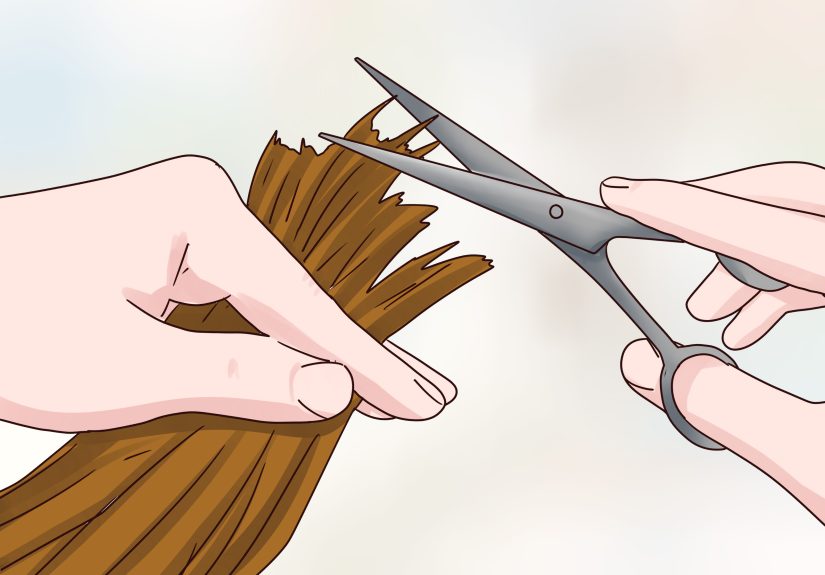
Some ends may look thin or frayed after detangling. A small trim can make hair look fuller and healthier.
But don’t panic-trim in the mirror at 2 a.m. under bad lighting. That’s how bangs happen.
Troubleshooting: Common Comb-Out Problems
“It won’t loosen at all.”
Add more conditioner and water, let it sit longer, and pick smaller sections. If there’s heavy residue, you may need to pause and cleanse gently later.
Avoid yankingresistance is a message, not a dare.
“I’m seeing a scary amount of hair.”
Locs trap shed hair. When you comb out, it all shows up at once. That said, if you’re seeing bald patches, intense scalp pain, or sudden thinning at the hairline,
stop and consider professional guidance.
“My scalp is sore.”
Take a break. Soreness can come from tension, repetitive pulling, or working too long. Keep styles loose and avoid scraping the scalp with sharp tools.
If there’s redness, bumps, or irritation that doesn’t settle, get it checked out.
FAQs
Will combing out locs ruin my hair?
It doesn’t have to. The biggest factors are moisture, slip, gentle technique, and pacing. Most damage comes from rushing, dry combing, or forcing knots.
How long does it take to comb out dreadlocks at home?
It depends on loc size, length, method (twist/coil vs interlocked), buildup, and hair texture. Many people spread it across multiple days.
If you want a realistic plan, aim for “a few locs per session” rather than “all of them today.”
Can I detangle dreadlocks without cutting them?
Yesmany people comb them out to retain length. Some choose to trim a few inches first to speed up the process and reduce snagging, but it’s optional.
What’s the best conditioner for dreadlock removal?
Look for a thick, moisturizing conditioner with strong “slip” (it should help your fingers glide). You’ll likely use a lot, so pick something that’s both
effective and budget-friendly.
Real-World Experiences: What the Comb-Out Feels Like (and How to Win)
If you’ve only watched fast-paced “loc takedown” videos, here’s what real life often looks like: you start confident, you hit your first stubborn loc, you
question every choice you’ve ever made, and thensomewhere around hour threeyou develop a weird sense of pride that you can’t explain to anyone who hasn’t
been personally attacked by a knot.
Many people describe the biggest surprise as the shedding. It can look intense, especially if you’ve had locs for a long time, because the
hair that normally sheds daily has been hanging out quietly inside the loc. The “hair pile” can be shocking, but it’s often a mix of normal shed strands plus
some breakage from all the manipulation. A helpful mindset is to treat that pile like a receipt: it’s information, not a personal insult.
Another common experience: the back of your head becomes the boss level. It’s harder to see, your arms get tired faster, and the temptation
to rush is strong. This is where a friend, sibling, or trusted adult can be genuinely helpfulespecially for teens doing this at home. Not because you can’t do it,
but because angles matter, and nobody deserves to dislocate a shoulder for a hairstyle transition.
People also talk about the emotional side. Locs can carry memoriesmilestones, phases, identity, culture, self-expression. Detangling them can feel exciting and
bittersweet at the same time. One practical tip that shows up again and again: don’t schedule anything important for the same day.
Not because you’ll look bad (you can always twist sections and cover with a scarf), but because the process takes longer than expected, and rushing is the fastest
path to breakage. Give yourself permission to go slow.
Comfort strategies make a big difference. A lot of people create “comb-out stations”: a chair with good back support, a towel on their lap, a trash bag nearby,
clips lined up, and a spray bottle within reach. Add a show or playlist and plan mini-goals (like “five locs, then a break”).
That structure keeps you from burning out and getting rough with your hair when you’re tired.
And then there’s the after-feeling: once the locs are out, many people say their scalp feels lighteralmost like it can breathe again. But hair can feel
a little dry or fragile at first, which is why deep conditioning and gentle styling matter. A common “win” is doing simple two-strand twists or loose braids
for a week or two after, keeping manipulation low while hair recovers. The best results usually come from treating post-comb-out hair like a fresh start:
cleanse, condition, protect, repeat.
Finally, the most relatable experience of all: the moment you find conditioner in places conditioner has no business being. Shirt collar? Yes.
Phone screen? Somehow. Door handle? A mystery. The good news is that this is temporary. The better news is that you’ll probably finish with a new superpower:
the ability to be patient while doing something tedious, which is basically adulting trainingjust with more hair.
Conclusion
Detangling dreadlocks at home is possibleand for many people, it’s a meaningful reset. The recipe is simple (not easy): moisture, slip, small sections,
gentle tools, and breaks before you get frustrated. Go slow, protect the hair you’ve freed, and plan for aftercare with a good cleanse and deep conditioning.
Whether you’re restarting your loc journey or switching it up completely, you can come out of the process with healthy hair and a very earned sense of accomplishment.