Table of Contents >> Show >> Hide
- Why Ants Love Your Garden So Much
- Are Ants Actually Bad for Your Garden?
- Step 1: Tackle the Real CulpritSap-Sucking Pests
- Step 2: Make Your Garden Less Appealing to Ants
- Step 3: Use Physical Barriers and Safe Mechanical Controls
- Step 4: Natural Repellents and Low-Toxicity Options
- Step 5: Common Mistakes to Avoid
- Real-World Experiences: What Actually Works in a Backyard Garden
- Bottom Line: Peace with Plants, Less Ant Drama
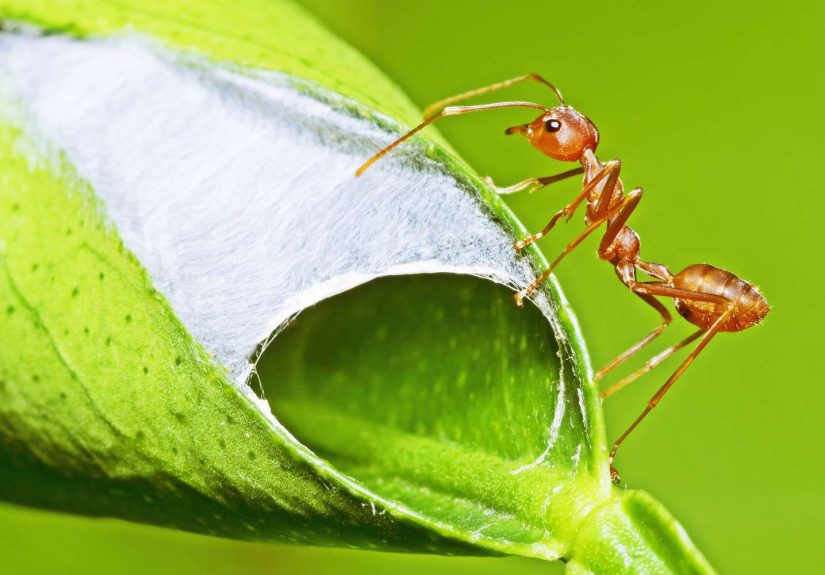
If you garden long enough, you will eventually meet your tiny, six-legged neighbors: ants. One day your tomatoes look great, the next day there’s a whole ant superhighway running up the stems like it’s rush hour. The good news? You can usually get rid of ants in your garden without nuking your plantsor the rest of your backyard ecosystem.
This guide walks you through why ants show up, when they’re actually helpful, and step-by-step strategies to send them packing using gentle, garden-safe methods. Think of it as an ant eviction notice with a side of plant love.
Why Ants Love Your Garden So Much
Ants almost never appear “out of nowhere.” If they’re marching all over your garden beds, they’re there for a reason. Understanding that reason is the key to getting rid of them effectively.
They’re Following a Free Sugar Buffet
In many gardens, ants are after honeydew, a sweet, sticky liquid excreted by sap-sucking pests like aphids, scale insects, and mealybugs. Ants “farm” these insects: they protect them from predators, move them around the plant, and in return, snack on the honeydew they produce. If your plants are coated with shiny, sticky residue or leaves are curling and distorted, there’s a good chance you have aphids or other soft-bodied pestsand therefore, ants.
They Like Dry, Undisturbed Soil
Some ants are simply looking for real estate. Loose, dry, undisturbed garden or potting soil makes a perfect place to build nests and raise their young. Raised beds and containers are especially attractive because the soil is airy and easy to tunnel through.
They’re Cleaning Up (Or Raiding) the Kitchen
Ants are opportunistic feeders. Fallen fruit, spilled bird seed, pet food, or compost bits near your beds are like free snacks. They might not be attacking your plants directlybut their constant tunneling around roots can dry soil out and stress plants.
Are Ants Actually Bad for Your Garden?
Here’s the twist: ants are not automatically villains. In moderation, they can be surprisingly helpful:
- Soil aeration: Their tunneling helps air and water move through the soil.
- Cleanup crew: They help break down organic material, speeding up decomposition.
- Pest predators: Some species feed on insect eggs, larvae, and other pests.
The problems start when:
- Ants are aggressively protecting aphids, scale, or mealybugs, allowing these pests to explode in number.
- Large colonies are undermining root systems, causing containers or young plants to dry out more quickly.
- You’re dealing with stingy or biting species, such as fire ants, that make it difficult or unsafe to garden.
Your goal isn’t to sterilize the yard and obliterate every ant. It’s to reduce problem populations and break the partnership between ants and plant-damaging pestswhile keeping your plants safe and happy.
Step 1: Tackle the Real CulpritSap-Sucking Pests
If you see ants crawling up stems or clustering on leaves, look very closely. You’ll likely find tiny green, black, or white insects sucking sap. Until you deal with those, you’ll keep attracting ants.
Inspect Your Plants Like a Garden Detective
Check:
- The undersides of leaves
- New, tender growth at the tips of stems
- Leaf joints and flower buds
Look for clusters of tiny bugs, sticky residue, black sooty mold, or curled, distorted leavesall classic signs of aphids and their friends.
Use Water and Insecticidal Soap
Often, you can drastically reduce aphid populations by simply spraying them off with water. A firm blast from a hose dislodges them, and many won’t make their way back up the plant.
For heavier infestations, use a ready-to-use insecticidal soap labeled for garden plants, or a mild soap solution specifically formulated for plants. Spray in the early morning or evening to avoid leaf burn, and target the undersides of leaves where pests hide. Always follow label directions so you don’t damage delicate foliage.
Prune and Destroy Heavily Infested Growth
If one stem is completely coated in aphids while the rest of the plant looks fine, it may be easier to prune that stem off and throw it in the trash (not the compost). This removes a major food source for ants in one snip.
Recruit Natural Predators
Lady beetles (ladybugs), lacewings, hoverflies, and parasitic wasps all feed on aphids. Encourage them by planting diverse flowers that bloom over a long season and avoiding broad-spectrum insecticides. When predators move in, the aphids disappearand the ants quickly lose interest.
Step 2: Make Your Garden Less Appealing to Ants
Once you’ve cut off the sugar supply, you can start making your garden less attractive as ant real estate.
Keep Things Clean
- Pick up fallen fruit and rotting vegetables.
- Secure bird seed and pet food so you’re not feeding the ants by accident.
- Remove piles of yard debris where colonies can hide.
This doesn’t have to be perfect (you’re a gardener, not a robot), but reducing easy food sources helps drive ants elsewhere.
Adjust Moisture and Mulch
Some ant species prefer very dry, undisturbed soil. If your beds are bone dry and mulched with a thick, never-touched layer, that’s basically an ant condo complex.
- Water deeply but less often so roots get moisture without leaving the soil surface constantly wet or dry.
- Occasionally fluff or disturb mulch around problem areas to break up tunnels.
Disrupt Nests by Cultivating the Soil
Lightly cultivating or scratching the soil surface around nests every few days can annoy ants enough to make them relocate. You’re not trying to excavate the entire colony, just sending the message: “This neighborhood is under construction. Please move along.”
Step 3: Use Physical Barriers and Safe Mechanical Controls
Once food and nesting conditions are less attractive, physical barriers and simple mechanical methods can quickly reduce ant activity.
Sticky Barriers on Stems and Trunks
If ants are climbing up a single pointlike the trunk of a fruit tree or a stakewrap it with a band of tape and apply a sticky barrier product on top. Ants get stuck before they can reach leaves and aphids above.
Make sure the sticky layer never touches the plant’s bark directly; always apply it over a protective banding material so you don’t injure the tree.
Diatomaceous Earth as a Protective Ring
Diatomaceous earth (DE) is a fine powder made from fossilized algae. To insects, its microscopic edges are abrasive. When ants walk through it, it can damage their protective outer layer and eventually dehydrate them.
To use it safely in the garden:
- Choose food-grade diatomaceous earth.
- Dust a light ring around plant bases, bed edges, or entry points you see ants using.
- Reapply after rain or heavy watering.
- Avoid breathing in the dustapply low to the ground and on calm days.
Hot, Soapy Water for Visible Nests (With Caution)
For nests away from plant roots, some gardeners use hot, soapy water poured directly into the nest entrance. This can kill many ants and may encourage the colony to move. However, very hot water can damage plant roots if poured too close to stems, and deep nests may survive. Use this only on nests safely away from root zones and always prioritize your plants over total ant annihilation.
For Potted Plants: Repot and Reset
If a container is teeming with ants, sometimes the simplest solution is to:
- Gently remove the plant from the pot.
- Shake or rinse off as much soil as possible without damaging roots.
- Discard the infested soil.
- Repot in fresh, high-quality potting mix.
Then place the pot on a stand, tray, or even in a shallow “moat” of water so ants can’t easily move back in.
Step 4: Natural Repellents and Low-Toxicity Options
Once you’ve disrupted nests and removed their food, you can use gentle repellents and low-toxicity products to push remaining ants out of the area.
Plant-Safe Repellents Around, Not On, Your Plants
Many gardeners have success sprinkling or spraying certain materials around ant trails and bed edges, such as:
- Cinnamon or cayenne pepper: Strong smells can confuse ant trails. Use thin bands around bed borders.
- Citrus peels or citrus-based sprays: Some ants dislike citrus oils; citrus-based garden-safe products can deter them when used around nests and pathways.
- Vinegar solutions: Diluted vinegar can disrupt scent trails on hard surfaces and in pathways. Avoid spraying directly on plant foliage, especially in sun, as it can burn leaves.
Think of these as “Do Not Enter” signs rather than total colony killers.
Ant Baits: The “Smart” Option When Colonies Are Stubborn
If ants keep coming back despite your best efforts, consider using ant bait designed for outdoor or garden use rather than broad spraying.
Ant baits work by attracting worker ants to a small amount of slow-acting insecticide mixed with sugar or protein. The workers carry the bait back to the nest and share it with the colonyincluding the queen. This targets the source of the problem rather than just the ants you see on the surface.
To use baits in a plant-safe way:
- Place bait stations just outside beds, not right at the base of stems.
- Follow all label directions carefully.
- Keep baits away from children, pets, and wildlife.
- Be patient; it may take several days to see a big reduction in ant activity.
Because baits focus on ants and not your plants, they’re often less disruptive than spraying everything with contact insecticides.
Step 5: Common Mistakes to Avoid
Myth: “Just Throw Cornmeal at Them”
You may have heard that ants eat cornmeal, it expands, and they explode. It’s a colorful image, but research and extension experts haven’t found evidence that this works. At best, it’s a mild food source; at worst, it attracts more ants.
Dumping Boiling Water on Every Nest
Boiling water can kill ants near the surface, but nests often extend deep underground. Unless you’re pouring large volumes repeatedlyand far away from your plantsyou’re more likely to scald roots or compact soil than completely wipe out the colony.
Heavy, Non-Selective Sprays
Blanket-spraying your beds with strong insecticides may kill some ants, but it can also harm bees, butterflies, soil life, and even your plants if misused. You’ll also miss the real issue if aphids or other pests are driving the ant invasion. Reserve chemical controls for targeted situations, and always follow the label.
Real-World Experiences: What Actually Works in a Backyard Garden
Every garden is a little different, but certain patterns show up again and again in real-life ant battles. Here’s how a typical scenario might lookand what tends to work best without sacrificing your plants.
Scenario 1: Ant Highways on the Roses
You walk outside with your morning coffee and notice dozens of ants running up and down your rose canes. A closer look reveals clusters of aphids camping out on the new growth, happily sipping sap and dripping honeydew.
In this situation, the most effective approach usually looks like this:
- Spray aphids off with water, focusing on the undersides of leaves and tender tips.
- Follow up, if needed, with a plant-safe insecticidal soap spray to reach any survivors.
- Prune off heavily infested stems and discard them.
- Wrap the main trunk with a sticky barrier band to stop ants from climbing while the aphid population crashes.
Most gardeners notice that once the aphids are under control, ant traffic slows dramatically. You didn’t need to spray toxins all over the roses; you just had to shut down the sugar bar.
Scenario 2: Ants Building Cities in a Raised Bed
In a vegetable bed, you might see mounds popping up between lettuce or pepper plants, with ants swarming any time you disturb the soil. The plants look a bit stressed, wilting faster than usual on warm days.
A practical, plant-safe strategy:
- Gently disturb the nests every few days with a trowel, especially around the top few inches of soil.
- Lightly water the area more deeply, making it less ideal for dry-loving ant species while still meeting the plants’ needs.
- Dust food-grade diatomaceous earth in rings between rows, not directly against stems, to cut down traffic.
- If ants persist, place a few bait stations outside the bed, giving them an appealing exit route away from your vegetable roots.
Gardeners who stick with this combinationdisrupting nests, adjusting moisture, and adding a targeted control like DE or baitoften find that colonies move to less annoyingly prime locations.
Scenario 3: Ants in Container Plants on the Patio
Container gardens are ant magnets because the potting mix is soft and easy to tunnel through. If you tap the pot and ants come streaming out, it’s time for a reset.
What usually works best is simple but effective:
- Lift the plant from its pot and gently shake or rinse away as much soil as you can without mangling the roots.
- Discard the infested soildon’t reuse it for other containers.
- Repot with fresh mix, making sure the drainage is good and you’re not overwatering.
- Place the pot on a stand or saucer and, if necessary, create a small “moat” of water under or around the stand so ants can’t march back in easily.
Many gardeners notice an immediate improvement in plant health once the root zone is no longer being constantly tunneled through and dried out by ant traffic.
The Big Takeaway From Real Gardens
In practice, the most successful ant control stories share the same three themes:
- They focus on the whole system, not just the insects you see on the surface. That means checking for aphids, scale, mealybugs, and other pests first.
- They rely on gentle, targeted methodswater sprays, insecticidal soap, DE, sticky barriers, and sometimes baitnot broad, harsh sprays.
- They accept that some ants will always be around, and that’s okay. The goal is a balanced ecosystem where your plants thrive and ants are just occasional background extras, not the main characters.
With a little detective work, some simple tools, and a willingness to think like an ant (just for a minute), you can reclaim your garden beds without sacrificing the plants you’ve worked so hard to grow.
Bottom Line: Peace with Plants, Less Ant Drama
Getting rid of ants in your garden without killing your plants isn’t about finding one magic product. It’s about using a smart, layered approach: remove the sap-sucking pests that attract ants, make your garden less welcoming as ant housing, use physical barriers and gentle deterrents, and bring in targeted baits only when you truly need them.
When you do that, the ant superhighways shrink, your plants perk up, and your garden becomes a place where you’re in controlwithout turning it into a chemical war zone. Your plants will thank you. The ants? They’ll just quietly move on.