Table of Contents >> Show >> Hide
- The Two Rules That Make or Break Fried Chicken
- What You’ll Need
- Step-by-Step: How to Fry Chicken for Perfect Results
- Step 1: Choose your frying style (skillet vs. deeper fry)
- Step 2: Prep the chicken (and set yourself up to win)
- Step 3: Season in layers (because flavor doesn’t teleport)
- Step 4: Marinate or brine (your juiciness insurance policy)
- Step 5: Build the coating (crispy, craggy, and not fragile)
- Step 6: Dredge like a professional (so the coating stays put)
- Step 7: Heat the oil correctly (the real “secret recipe”)
- Step 8: Fry in batches (overcrowding is the crispness killer)
- Step 9: Drain and season the right way
- Step 10: Rest before serving (yes, even though it’s torture)
- Troubleshooting: Fix the Most Common Fried Chicken Problems
- Flavor Variations (Same Method, Different Vibes)
- Food Safety and Cleanup (Because We Like Fun, Not Food Poisoning)
- Frequently Asked Questions
- Kitchen “Experience” Notes: The Real-Life Moments That Teach You Fried Chicken (Extra Section)
- Conclusion
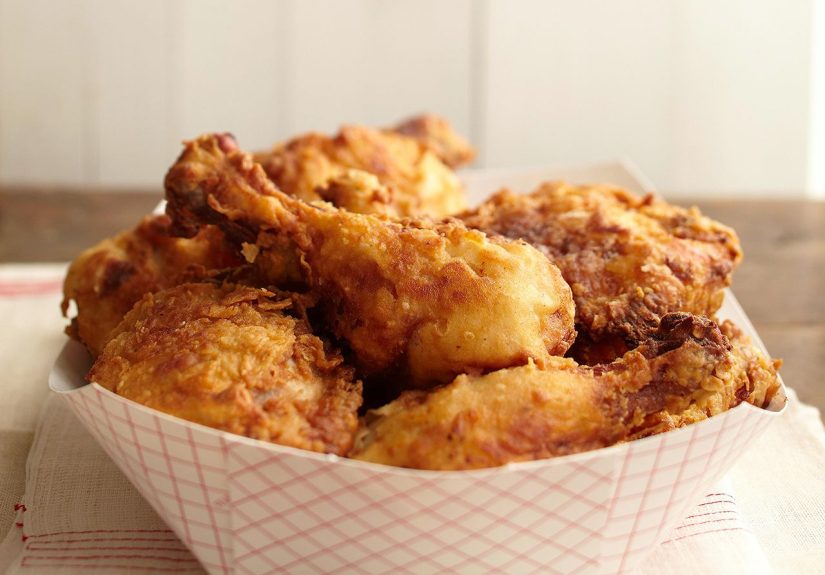
Fried chicken is proof that science can be delicious. It’s also proof that hot oil has a personal vendetta against white shirts.
The goal here is simple: juicy chicken, shatter-crisp crust, zero sogginess, and no “why is it burned but still raw?” moments.
This step-by-step guide walks you through the whole thingsetup, seasoning, dredging, frying, and the little pro moves that turn
“pretty good” into “text me the recipe immediately.”
We’re going to focus on classic American-style fried chicken (bone-in or boneless), with options for skillet-frying or deeper frying.
Along the way you’ll learn the two temperatures that matter most, how to avoid a coating that falls off in sad little sheets, and why
the first batch is basically your chicken “pilot episode.”
The Two Rules That Make or Break Fried Chicken
Rule #1: Control the temperature (oil AND chicken)
For crispy fried chicken, you’re aiming for oil that stays in the 325°F–350°F range most of the time. Too hot and the crust
goes dark before the meat finishes. Too cool and the coating drinks oil like it’s on vacation. Use a thermometer. “Vibes” are not a temperature.
Rule #2: Cook chicken to a safe internal temperature
Chicken needs to reach 165°F in the thickest part to be safe. Dark meat often gets even better (more tender) when it goes a little higher,
but 165°F is your non-negotiable baseline. An instant-read thermometer is your best friend herelike a tiny food-safety bodyguard.
What You’ll Need
Tools
- Heavy pot (Dutch oven) or cast-iron skillet (12-inch is ideal)
- Clip-on or instant-read thermometer
- Tongs + a spider strainer (or slotted spoon)
- Wire rack set over a rimmed sheet pan (for draining without sogginess)
- Paper towels (for the counter, not as the chicken’s final resting place)
Ingredients
- Chicken: bone-in pieces (thighs, drumsticks, wings) and/or boneless thighs/breasts
- Buttermilk (or plain yogurt thinned with a splash of milk)
- All-purpose flour + optional cornstarch (for extra crispness)
- Seasonings: salt, black pepper, paprika, garlic powder, onion powder, cayenne
- Oil: peanut, canola, vegetable, or safflower (neutral, high smoke point)
Step-by-Step: How to Fry Chicken for Perfect Results
Step 1: Choose your frying style (skillet vs. deeper fry)
Skillet-fried chicken (classic Southern): You use a cast-iron skillet with about 1/2 to 1 inch of oil.
It’s flavorful, old-school, and gives you incredible crustplus you get those crispy edges where chicken meets pan.
Deeper frying (Dutch oven or heavy pot): More even browning and a little less babysitting, especially for larger batches.
You’ll typically use 2–3 inches of oil (or enough to come halfway up the chicken).
Either way, don’t fill a pot more than halfway with oil. Hot oil needs spacelike a cat that refuses to share a couch.
Step 2: Prep the chicken (and set yourself up to win)
- Pat the chicken dry with paper towels. Moisture is the enemy of crisp.
-
If using mixed pieces, consider frying similar sizes together. Wings cook faster than thighs.
Breasts can dry out sooner than dark meat. -
For bone-in pieces, trim any large flaps of skin that might burn before the meat is done.
Leave the restskin is basically nature’s crispy jacket.
Step 3: Season in layers (because flavor doesn’t teleport)
The tastiest fried chicken is seasoned at multiple points:
in the marinade, in the flour, and a little right after frying.
That last sprinkle hits the hot crust and actually stickslike edible glitter.
Step 4: Marinate or brine (your juiciness insurance policy)
The easiest path to juicy fried chicken is a buttermilk marinade.
It lightly tenderizes and helps the coating cling.
Simple buttermilk marinade (works for most chicken)
- 2 cups buttermilk
- 1 to 1 1/2 tablespoons kosher salt
- 1 teaspoon black pepper
- 1 teaspoon paprika
- 1/2 teaspoon garlic powder + 1/2 teaspoon onion powder
- Optional: 1–2 tablespoons hot sauce
Add chicken, coat well, cover, and refrigerate at least 4 hours, ideally 8–12 hours.
If you go super long with acidic marinades, texture can get weirdlike the chicken is trying to become pâté.
Step 5: Build the coating (crispy, craggy, and not fragile)
A great fried chicken crust is part seasoning, part technique, part “don’t rush me.” Here’s a reliable dredge:
Classic crispy flour mix
- 2 cups all-purpose flour
- 1/2 cup cornstarch (optional but strongly recommended for extra crunch)
- 2 teaspoons kosher salt
- 2 teaspoons paprika
- 1 teaspoon black pepper
- 1 teaspoon garlic powder
- 1 teaspoon onion powder
- 1/4 to 1/2 teaspoon cayenne (to taste)
- Optional: 1 teaspoon baking powder for lighter, crisper texture
Pro move: After you mix the flour, drizzle in 2–3 tablespoons of your buttermilk marinade and rub it with your fingertips.
You want little “shaggy bits.” Those fry up into the craggy, crunchy ridges that make people go quiet at the table.
Step 6: Dredge like a professional (so the coating stays put)
- Remove chicken from marinade and let excess drip off (don’t wipe it dry).
- Dredge in flour mix, pressing firmly so it adheres.
- Set coated pieces on a wire rack.
- Let it rest 10–15 minutes before frying. This hydrates the flour and helps it bond to the chicken.
If you want a thicker crust, you can do a double dredge:
flour → quick dip back in buttermilk → flour again. Just remember: thicker crust means it browns faster, so temperature control matters even more.
Step 7: Heat the oil correctly (the real “secret recipe”)
Heat oil to 350°F. When you add chicken, the temperature will dropthis is normal.
Your job is to keep the oil from falling below about 325°F for long.
Use medium to medium-high heat and adjust gradually. Cranking the burner is how you get “burned outside, underdone inside.”
How much oil?
- Skillet: 1/2 to 1 inch deep (chicken should sizzle steadily, not violently).
- Dutch oven: 2–3 inches deep, or enough to come halfway up the chicken.
Step 8: Fry in batches (overcrowding is the crispness killer)
Frying is about hot oil circulation. If the pan is crowded, temperature drops and steam gets trappedhello, soggy crust.
Cook in batches with space around each piece.
Skillet-frying method (bone-in, classic style)
- Place chicken in oil carefully, skin-side down first (it helps render and crisp).
- Maintain oil around 325°F–350°F.
- Fry 12–15 minutes total for smaller pieces, longer for thighs/drumsticks, turning every few minutes for even browning.
- Use a thermometer: pull chicken when the thickest part hits 165°F.
Deeper-fry method (Dutch oven, steadier browning)
- Lower chicken in gently with tongs. Don’t drop it like a mic.
- Keep oil around 350°F, letting it recover between additions.
- Fry until deep golden brown and cooked throughtime varies by size, but the thermometer decides.
Step 9: Drain and season the right way
Transfer fried chicken to a wire rack over a sheet pan. This prevents the underside from steaming and going limp.
Season with a pinch of salt while it’s hot so it actually sticks.
Step 10: Rest before serving (yes, even though it’s torture)
Resting for 5–10 minutes helps juices redistribute so the first bite isn’t “all crust, no juice.”
If you’re holding multiple batches, keep finished pieces on a rack in a 200°F oven while you fry the rest.
Troubleshooting: Fix the Most Common Fried Chicken Problems
“My coating fell off.”
- Make sure chicken is well-coated and pressed into the flour.
- Rest the dredged chicken 10–15 minutes before frying.
- Don’t flip constantly in the first few minuteslet the crust set.
“It’s greasy.”
- Oil likely ran too cool. Keep it in the 325°F–350°F zone.
- Don’t crowd the pan (temperature drops fast).
- Drain on a rack, not a flat plate that traps steam and oil.
“It burned before it cooked.”
- Oil was too hot. Lower the heat and target 350°F starting temp, then manage the recovery.
- Large pieces may need slightly lower heat and a little more time.
- Consider finishing thick pieces in a 375°F oven after browning, if needed.
“The crust isn’t crunchy enough.”
- Add some cornstarch to the flour mix.
- Create “craggy bits” in the dredge with a few spoonfuls of buttermilk.
- Drain on a rack and avoid covering hot chicken (covering traps steam).
Flavor Variations (Same Method, Different Vibes)
Spicy Nashville-inspired
After frying, brush chicken with a spicy oil mixture (hot oil + cayenne + paprika + brown sugar + garlic powder).
Serve with pickles and white bread if you want the full experience.
Herby “Sunday supper” style
Add dried thyme, oregano, and a little celery salt to the flour mix. It tastes like a picnic that has its life together.
Gluten-free option
Use a good gluten-free flour blend and increase cornstarch. The technique stays the samethermometer, rack, and temperature control are still the main event.
Food Safety and Cleanup (Because We Like Fun, Not Food Poisoning)
- Keep raw chicken cold until cooking, and don’t reuse marinade unless it’s boiled first.
- Use separate boards/utensils for raw chicken.
- Cook chicken to 165°F.
- Cool oil completely before moving it. Strain and store if it’s still clean and neutral-smelling; discard if it’s dark or smells burnt.
Frequently Asked Questions
What’s the best oil for frying chicken?
Neutral oils with high smoke points are ideal: peanut, canola, vegetable, safflower. Olive oil is usually too flavorful and can smoke sooner.
Can I fry chicken without buttermilk?
Yes. You can use plain yogurt thinned with milk, or even a salted brine plus a quick egg wash.
But buttermilk is popular because it seasons, tenderizes lightly, and helps the flour cling.
How do I keep fried chicken crispy for a party?
Drain on a rack and hold in a 200°F oven. Don’t cover it tightly.
If you need to re-crisp, a hot oven (or brief return to hot oil) works better than the microwave.
Kitchen “Experience” Notes: The Real-Life Moments That Teach You Fried Chicken (Extra Section)
Fried chicken isn’t hard, exactlyit’s just honest. It will immediately reveal whether you prepped well, paid attention to temperature,
or tried to multitask by answering three texts and watching a video titled “JUST ONE THING YOU MUST DO” while your oil quietly drops to 290°F.
If you want perfect results consistently, it helps to know the most common “experience moments” home cooks run intoand how to turn them into wins.
First: the first batch is rarely the prettiest. Even confident cooks end up treating batch one like a warm-up act.
Your stove may run hotter than you think. Your thermometer might be clipped a little too close to the pot’s edge. You might discover your “medium-high”
is actually “medium-chaos.” The trick is to embrace this and plan for it: fry a smaller piece first (like a wing), watch how quickly it browns,
and adjust heat early. Once you’ve “calibrated” your setup, the next batches come out like they had a rehearsal.
Second: the rest after dredging feels optional… until you skip it. This is the moment when you learn why pros insist on it.
Without that 10–15 minute rest, your coating may look fine going in, then slide off like a sweater on a bored toddler.
Resting gives the flour time to hydrate and bond with the wet layer underneath, which means your crust stays on the chicken instead of
drifting sadly around the pot like fried confetti.
Third: you will learn the difference between sizzle and panic-sizzle. A steady sizzle is what you want.
It means moisture is escaping, crust is setting, and oil temperature is in the right neighborhood. Panic-sizzle (wild, angry popping)
usually means you dropped in a piece too fast, the chicken was too wet, or the oil was too hot. The fix is simple but strangely empowering:
lower the chicken in gently, and keep your oil controlled. The calm sizzle is the sound of success.
Fourth: you’ll discover that crowding the pan is a betrayal. It’s temptingespecially if you’re hungry and everyone in the kitchen
is “just checking on you” every 30 seconds. But crowding drops oil temperature fast, and that’s how you get greasy crust and pale spots.
The best “experienced cook” habit is to fry in confident, roomy batches and keep finished pieces warm on a rack in the oven.
People can wait. Your crust cannot.
Fifth: the thermometer becomes your peace-of-mind machine. Many cooks start out relying on color: “It’s golden, so it’s done.”
Then they meet the cruel reality of bone-in chicken, where the outside can look perfect while the inside is still catching up.
Once you get used to checking internal temp, frying becomes dramatically less stressful. You stop guessing. You stop overcooking “just in case.”
You pull chicken at the right moment, and the difference is immediate: juicier meat, cleaner texture, and fewer regrets.
Finally: you’ll develop your own “signature.” Maybe it’s extra black pepper in the flour. Maybe it’s a whisper of smoked paprika.
Maybe you’ll become the person who always makes those little shaggy bits in the dredge because you love the crunchy crags.
That’s the fun partfried chicken is technique first, personality second. Once the fundamentals are locked (temperature, seasoning layers,
rack-draining, thermometer), you can riff endlessly and still land in the “perfect results” zone.
If you take nothing else from this experience section, take this: fried chicken rewards calm preparation. Set up your rack, clip your thermometer,
give your dredge time to rest, fry in batches, and trust the temps. Then enjoy the best perk of allwatching people take a bite and suddenly
become very quiet because their mouth is too busy being happy.
Conclusion
Perfect fried chicken isn’t about secret ingredientsit’s about repeatable fundamentals: a well-seasoned marinade, a smart dredge, a short rest before frying,
and steady oil temperature. Add a thermometer and a wire rack, and you’re no longer “hoping” for greatnessyou’re engineering it.
Fry calmly, season confidently, and don’t crowd the pan. Your future self (and your crunchy, golden chicken) will thank you.