Table of Contents >> Show >> Hide
- What Does It Mean to Grade a Pokémon Card?
- Reputable Pokémon Card Grading Services and Current Costs
- What Grading Really Costs Beyond the Sticker Price
- How to Decide If a Pokémon Card Is Worth Grading
- How to Get Pokémon Cards Graded Step by Step
- Common Mistakes to Avoid
- Collector Experience: What the Grading Journey Really Feels Like
- Final Thoughts
- SEO Tags
Note: Pricing and turnaround estimates are current as of March 24, 2026 and should be rechecked before publication.
If you have ever held a shiny Charizard under a lamp like it was a tiny cardboard crown jewel, you already understand the appeal of grading. A professionally graded Pokémon card can be easier to sell, easier to protect, and a whole lot easier to brag about without sounding completely unhinged. The catch, of course, is that grading is not cheap, not instant, and definitely not magical. Sending every decent-looking card to a grading company is the hobby equivalent of ordering steak for your goldfish.
The smart move is knowing which Pokémon cards to grade, which grading company fits your goals, and what the real cost looks like after fees, shipping, insurance, and waiting time. Some services are best for resale. Some shine for subgrades. Some are better for bulk submissions. And some are great companies overall, but not necessarily the first choice for Pokémon collectors who care most about market liquidity.
This guide breaks down the reputable grading services, current price ranges, the step-by-step submission process, and the little collector lessons that can save you money, stress, and one truly humbling grade.
What Does It Mean to Grade a Pokémon Card?
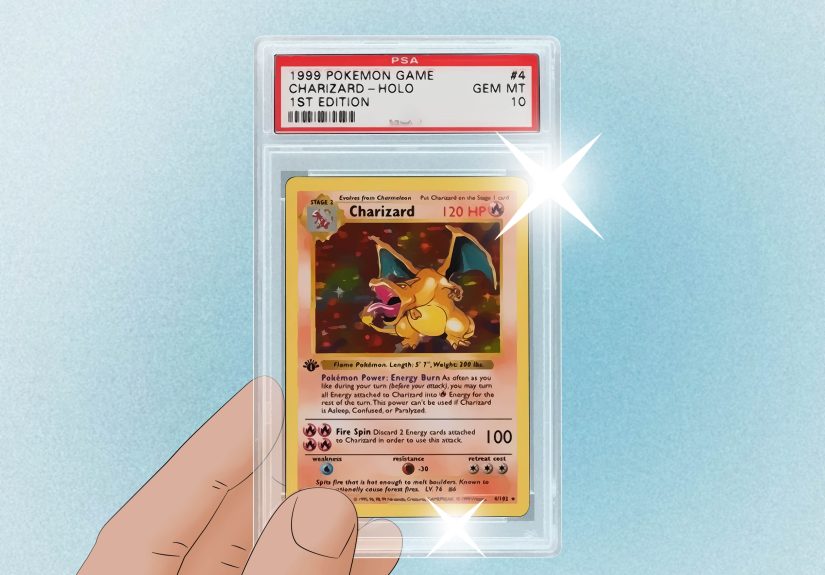
Grading is the process of having a third-party company inspect a card for authenticity and condition, then seal it in a tamper-evident holder with a numeric grade. That grade usually reflects the card’s centering, corners, edges, and surface. In plain English, the grader is asking: “Is this card gorgeous, merely nice, or did somebody use it as a coaster during a juice box emergency?”
For Pokémon cards, grading matters most when the card is valuable, rare, highly collectible, or especially condition-sensitive. Vintage holos, trophy cards, promos, misprints, top modern chase cards, and pack-fresh cards with excellent centering are common candidates. Bulk modern cards with whitening, print lines, or soft corners usually are not.
A graded card can add trust for buyers because the condition has been professionally evaluated. It can also help preserve the card long term. But grading does not guarantee profit. In fact, grading the wrong cards is one of the fastest ways to turn excitement into a fancy slab full of regret.
Reputable Pokémon Card Grading Services and Current Costs
In today’s market, the four most discussed reputable options are PSA, Beckett Grading Services, CGC Cards, and SGC. For most Pokémon collectors, PSA, Beckett, and CGC are the core conversation. SGC is legitimate and well known, but it is usually more of a secondary option for Pokémon than a default first stop.
| Service | Best For | Starting Cost | Turnaround Snapshot | Why Collectors Choose It |
|---|---|---|---|---|
| PSA | Resale value and liquidity | $32.99 direct Value tier; bulk starts lower for members | About 75 business days at Value; faster tiers available | The most recognized slab in many Pokémon buying and selling circles |
| Beckett (BGS) | Subgrades and premium pristine chases | About $17.95 for Base | 75+ business days Base; 45 Standard; 15 Express; 5 Priority | Subgrades, strong reputation, and the legendary Black Label appeal |
| CGC Cards | Cost-conscious grading and clean presentation | $15 Bulk (25-card minimum) or $18 Economy | 80 working days Bulk; 40 Economy; 10 Standard; 5 Express | Competitive pricing, fast upper tiers, and a respected Pristine 10 tier |
| SGC | Alternative reputable grading route | Starts around $15 for lower-value standard-size cards | Varies by service and value | Established grader with a loyal following and straightforward pricing structure |
PSA: The Safe Bet for Selling
If your main goal is resale, PSA is still the name most Pokémon collectors start with. The company’s current direct trading card pricing runs from $32.99 for Value up to premium tiers for higher-value cards, with faster service available at $79.99 Regular, $149 Express, $299 Super Express, and beyond. PSA also updated several card tiers in February 2026, and its lower bulk pricing remains tied to Collectors Club access.
Why do collectors like PSA? Simple: it is widely recognized, widely searched, and widely trusted by buyers. If you want the easiest time selling a graded Pokémon card, PSA usually gives you the least friction. That does not mean every card should go to PSA, only that PSA tends to be the hobby’s most universally liquid slab.
Beckett: The Subgrade Specialist
Beckett is the service for collectors who love details. Its appeal comes from subgrades, which break the card down into centering, corners, edges, and surface. For collectors who want a more granular read on condition, that is catnip. Beckett’s pricing currently starts around $17.95 for Base, then moves to $34.95 Standard, $79.95 Express, and $124.95 Priority.
Beckett also has the hobby’s “holy smokes” grade: the Black Label, awarded when a card achieves quad 10 subgrades. That is the grading equivalent of seeing a unicorn drive a Ferrari. It happens, but not often. If you have a truly pristine modern Pokémon card and want to swing for glory, Beckett is often the service people dream about.
CGC Cards: Strong Value and a Clean Holder
CGC Cards has become a serious option for Pokémon collectors who want reputable grading without paying top-dollar entry fees. Current direct pricing starts at $15 for Bulk with a 25-card minimum and $18 for Economy, followed by $55 Standard, $100 Express, and $300 WalkThrough. CGC also allows free accounts to submit, while paid members receive discounts.
Collectors like CGC for two big reasons. First, the pricing is attractive, especially on larger submissions. Second, CGC offers a Pristine 10 designation for cards that are essentially flawless under magnification. If you want a respected slab with a strong premium upper grade, CGC is a compelling option.
SGC: Reputable, But Usually a Niche Pick for Pokémon
SGC is absolutely a real and respected grader. Its standard-size raw card pricing starts around $15 for lower-value cards, with higher-value levels climbing sharply from there. For sports cards, SGC is a major name. For Pokémon, it is more of a selective choice than the default mainstream route. Some collectors use it because they like the holder, already grade with SGC in other categories, or simply want a trusted alternative.
If your goal is maximum Pokémon resale visibility, PSA usually wins that discussion. If your goal is “I want a legit slab from a reputable company, and I know exactly why I’m choosing it,” SGC can still make sense.
What Grading Really Costs Beyond the Sticker Price
The grading fee is only the headline number. Your real cost usually includes shipping to the grader, return shipping, insurance, packaging supplies, and sometimes membership or dealer fees. In other words, that “cheap” submission can quietly develop expensive hobbies of its own.
For example, PSA requires careful packaging in semi-rigid holders, and its shipping guidance specifically warns against using top loaders, tape, pull tabs, or sticky notes. GameStop’s PSA drop-off service can simplify the process for collectors who do not want to mail cards themselves, and it advertises no card minimum and no subscription required. That convenience is a big deal for beginners who have three cards to submit, not thirty.
CGC offers member discounts, but a paid membership is not required to submit. Beckett and SGC may also involve add-ons, reviews, or shipping adjustments depending on value and service type. The lesson is simple: calculate the all-in cost per card, not just the base fee printed on the service page.
How to Decide If a Pokémon Card Is Worth Grading
This is the make-or-break step. Before you submit anything, compare the card’s likely raw value against the card’s likely graded value in the grade you realistically expect. Not the grade your heart expects. The grade your eyes, light, magnifier, and brutal honesty expect.
Ask yourself these questions:
- Is the card rare, desirable, or expensive enough to justify grading?
- Does the card look strong enough to earn a premium grade?
- Will the expected resale increase be greater than the grading cost?
- Am I grading for profit, protection, or personal collection goals?
If a modern chase card might sell raw for about the same amount you would spend to grade it, the math is ugly unless you are highly confident it can land a top grade. On the other hand, a vintage holo with clean centering, crisp corners, and minimal whitening may deserve serious consideration even if the card is not perfect.
Use recent sold listings, card market tools, and population reports to sanity-check your expectations. Card Ladder tracks millions of public sales, while population tools from PSA, Beckett, SGC, CGC, and market analytics sites can help you see whether a card is genuinely scarce in a high grade or just widely submitted.
How to Get Pokémon Cards Graded Step by Step
1. Pre-Screen the Card Like a Skeptic
Look at the card under bright light. Then tilt it. Then look again. Check centering on the front and back, inspect the corners for softening, review the edges for whitening or chipping, and scan the holo or glossy surface for print lines, scratches, dents, or indentations. PSA’s standards emphasize centering, and both TCGplayer and eBay condition guides are useful reminders that one serious flaw can drag the whole evaluation down.
Collector translation: a card can look incredible in a binder and still get humbled once the light hits it from the wrong angle.
2. Pick the Right Grading Company
Choose the company based on your goal, not on whatever slab color your favorite content creator waved around last week.
- Choose PSA if you care most about broad resale appeal.
- Choose Beckett if you want subgrades or want to chase elite pristine outcomes.
- Choose CGC if you want a respected grader with competitive pricing and fast upper tiers.
- Choose SGC if you specifically prefer its structure and reputation for your collection strategy.
3. Choose the Correct Service Tier
Service tiers are tied to the declared or insured value of the card and how quickly you want it returned. Do not under-tier a valuable card just to save money. That is a great way to invite extra fees, delays, or a customer-service adventure nobody asked for.
As a rule, pick the tier that comfortably covers the card’s likely value after grading. If you are unsure, be conservative and protect yourself.
4. Sleeve and Pack the Card Properly
Use a penny sleeve and then a semi-rigid holder, often called a Card Saver. If you are submitting through GameStop’s PSA program, that is also the required format. Avoid top loaders unless the service specifically says otherwise. Do not add tape. Do not add sticky notes. Do not create a packaging sculpture that makes the grader feel like they are opening a cursed puzzle box.
5. Submit Directly, Through a Dealer, or In-Store
You generally have three good routes:
- Direct submission: best if you are comfortable with forms, shipping, and declared values.
- Group or dealer submission: useful if you want help bundling cards or accessing member pricing.
- Retail drop-off like GameStop for PSA: easiest for beginners who want less paperwork and no card minimum.
6. Track the Submission and Be Patient
Turnaround times are estimates, not promises carved into stone by Arceus. Bulk tiers can take a while. Faster tiers cost more for a reason. Once the cards return, verify the grades, check the slabs, and decide whether you are keeping, selling, vaulting, or staring proudly at them for an amount of time that would worry your family.
Common Mistakes to Avoid
- Submitting too many borderline cards: Near Mint is not the same thing as Gem Mint.
- Ignoring surface flaws: print lines, dents, and scratches are silent grade killers.
- Forgetting total cost: shipping and insurance can crush your margins.
- Choosing the wrong service for your goal: the best slab for resale is not always the best slab for your collection.
- Packaging cards poorly: a damaged card in transit is the worst kind of self-own.
- Assuming grading automatically adds value: sometimes a clean raw card is the smarter play.
Collector Experience: What the Grading Journey Really Feels Like
Here is the part no pricing page fully captures: grading Pokémon cards is part math, part psychology, and part emotional roller coaster with cardboard seat belts. Most collectors start the same way. They find a card they love, convince themselves it looks perfect, then spend twenty minutes rotating it under a lamp like they are interrogating it for crimes against centering. At first, every clean holo looks like a future 10. Then experience arrives, usually wearing steel-toe boots.
The first real lesson is that pack-fresh does not mean grade-fresh. Modern Pokémon cards can come out of packs with print lines, tiny corner issues, edge flecks, and off-centering that you never noticed while celebrating the pull. Plenty of collectors learn this the hard way when the card they swore was flawless comes back an 8 or 9. It is not always because the grading company is cruel. Sometimes it is because the card was telling the truth and the collector was in a committed relationship with optimism.
The second lesson is that submission strategy matters almost as much as card quality. Experienced collectors usually get better results because they become ruthless about pre-screening. They stop grading every card they like and start grading the cards that actually justify the cost. They learn to separate “cool card” from “smart submission.” That one shift can save hundreds of dollars over time.
Then there is the waiting. Nobody talks enough about the waiting. Once your cards are shipped, tracking becomes a personality trait. You refresh submission dashboards, imagine possible grades, and suddenly become deeply spiritual about estimated turnaround times. This is normal. Mildly unhealthy, perhaps, but normal.
When the grades finally pop, the experience can be hilarious. One card overperforms, one underperforms, and one gets exactly the grade you expected after pretending you expected something else. Over time, those moments teach a useful discipline: grade outcomes are best treated as probabilities, not promises. Collectors who stay happiest are usually the ones who submit with a realistic range in mind. If they think a card is probably a 9 with a small shot at a 10, they are prepared. If they convince themselves it is “absolutely a 10 unless the grader woke up angry,” the return mail can feel personal.
The best grading experiences usually come from clear goals. If you are grading to protect a favorite card, a 9 can still feel wonderful. If you are grading to sell, the process becomes a business decision, and every fee matters. If you are grading to chase prestige, Beckett Black Labels and CGC Pristine 10s become a thrilling long shot. None of these goals is wrong. Trouble only starts when collectors mix them up and expect one submission to satisfy all three.
In the end, grading is most rewarding when it makes your collection more intentional. You learn how to inspect cards better, buy more carefully, and appreciate condition at a deeper level. You also learn humility, patience, and the deeply humbling power of a tiny white speck on the back corner of a Pokémon card. Honestly, that might be worth the submission fee all by itself.
Final Thoughts
If you want the simplest answer to how to get Pokémon cards graded, it is this: inspect the card honestly, choose a reputable company that matches your goal, calculate the full cost, package the card correctly, and submit only when the numbers make sense. PSA is usually the safest resale play. Beckett is ideal for collectors who care about subgrades and pristine upside. CGC is excellent for cost-conscious submissions and strong presentation. SGC remains a reputable alternative for collectors who know why they want it.
Grading can be rewarding, profitable, and genuinely fun, but only when you treat it like a strategy instead of a slot machine. Your best submissions will come from discipline, not wishful thinking. So yes, chase the grails. Just make sure your wallet, your eyes, and your expectations are all in the same room first.