Table of Contents >> Show >> Hide
- First Things First: Are They Really Gnats?
- The Golden Rule: Destroy the Breeding Ground
- How to Get Rid of Fruit Flies and Kitchen Gnats
- How to Get Rid of Fungus Gnats in Houseplants
- How to Get Rid of Drain Gnats and Sink Flies
- Everyday Prevention: How to Keep Gnats Away for Good
- Natural vs. Chemical Options
- Real-Life Experiences: What Actually Works (and What Doesn’t)
- Bottom Line: You Can Win the Gnat War
Few things destroy an otherwise peaceful evening in your kitchen or living room like a tiny cloud of gnats hovering over your fruit bowl or houseplants. You’re swatting the air like you’re in a slow-motion kung fu movie, they’re completely unfazed, and suddenly you’re Googling “How to get rid of gnats for good” with one hand while holding a fly swatter in the other.
The good news: you can win this battle. Gnats are annoying, but once you understand what kind you’re dealing with and where they’re breeding, you can wipe them out and keep them from coming back.
First Things First: Are They Really Gnats?
“Gnat” is a catch-all word we use for several tiny flying pests that look similar but behave a bit differently. Identifying what you have helps you use the right strategy instead of throwing random traps at the problem and hoping for the best.
Common “Gnats” in Homes
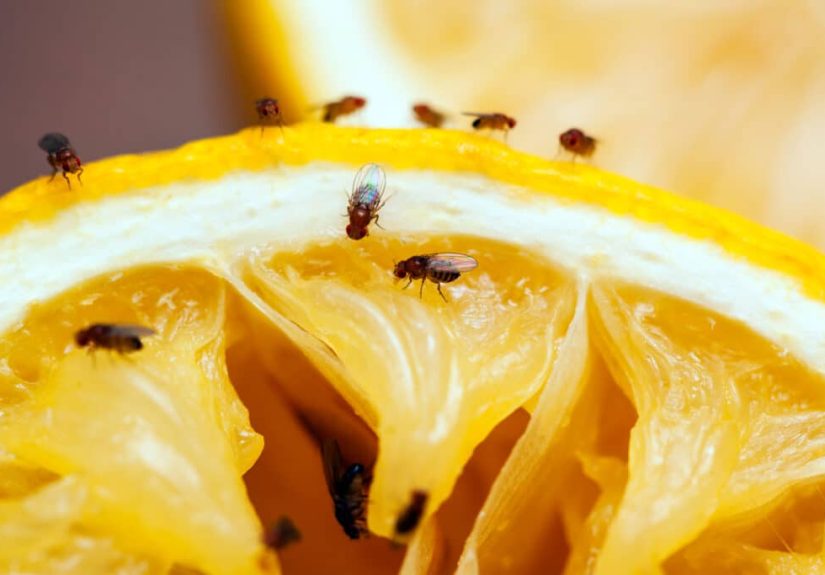
- Fruit flies – Love overripe fruit, juice spills, wine, and anything fermenting. You’ll often see them around fruit bowls, trash cans, and recycling bins.
- Fungus gnats – Tiny, mosquito-like flies that hang around moist soil in houseplants. Their larvae feed on fungi and sometimes on tender roots.
- Drain flies (sometimes called sewer gnats) – Fuzzy, moth-like flies that hang around sinks, tubs, and floor drains. They thrive in the gunk lining your pipes.
A quick way to check: note where you see them most. By the sink? Probably drain flies. Hovering over the ficus? Likely fungus gnats. Throwing a party over your bananas? Fruit flies.
The Golden Rule: Destroy the Breeding Ground
No matter what type you’re dealing with, the long-term solution is the same: remove what they’re breeding in. Traps are great for knocking down adults, but unless you interrupt the life cycle at the egg and larval stages, they’ll keep coming back.
Most professional pest control pros recommend a combination of sanitation + traps + habitat changes as the most reliable way to get rid of gnats for good.
How to Get Rid of Fruit Flies and Kitchen Gnats
If your gnat problem is centered in the kitchen, fruit flies and food-loving gnats are the usual suspects. Here’s how to send them packing.
Step 1: Do a One-Time Deep Clean
- Throw out any overripe fruit, moldy bread, or old produce hiding in drawers.
- Rinse banana stems and fruit surfaces before you set them on the counter; fruit flies love laying eggs where you can’t see them.
- Wipe down counters, cabinet fronts, and backsplashes, paying attention to sticky spots (juice, jam, wine drips).
- Take out the trash and recycling, and clean any sticky residue in the cans themselves.
Step 2: Use Effective Traps (the Smart Way)
You can use DIY and store-bought options together. Just remember: traps are for adult flies, not a full cure.
- Apple cider vinegar trap: Pour a small amount of apple cider vinegar into a jar, add a drop of dish soap, and cover loosely with plastic wrap poked with tiny holes. The vinegar lures them in; the soap breaks the surface tension so they sink. This is great for catching adults quickly, but it won’t fix a big infestation on its own.
- Commercial sticky traps: Bright yellow sticky cards hung near your fruit bowl, trash, or windows attract gnats because they’re visual fliers. These help you both catch them and monitor whether your population is going up or down.
Step 3: Make Your Kitchen Boring (to Gnats)
- Store fruit in the fridge or under a mesh food cover.
- Rinse out bottles and cans before putting them in recycling.
- Take out the garbage regularly, especially if it contains food scraps.
- Rinse sinks and dispose of anything that could ferment (wine, juice, soda).
Once their favorite snacks are gone, gnats typically vanish within a week or two, because they have short lifespans and no reason to hang around.
How to Get Rid of Fungus Gnats in Houseplants
If the gnats are clustered around your indoor jungle, you’re probably dealing with fungus gnats. Their larvae grow in damp potting mix, which is why you’ll often see more of them right after you water.
Step 1: Let the Soil Dry Out (Within Reason)
Most extension services recommend letting the top inch or two of soil dry before watering again. Fungus gnat larvae need consistently moist media; drying the soil interrupts their life cycle and makes it harder for eggs to survive.
- Use your finger or a moisture meter instead of watering on a schedule.
- For moisture-loving plants, aim to dry just the top layer while keeping deeper soil slightly moist.
Step 2: Add Sticky Traps for Adults
Stick yellow sticky cards directly into the potting soil near the plant’s base. These will catch adults flying low around the soil surface and reduce egg-laying.
Step 3: Treat the Soil to Kill Larvae
Once you’ve dried the soil a bit, you can use one or more soil treatments to get rid of the larvae:
- Hydrogen peroxide drench: Mix one part 3% hydrogen peroxide with four parts water and use it to water the plant once. It fizzes as it breaks down, helping kill larvae close to the surface without harming the plant’s roots when properly diluted.
- Biological control (Bti): Products that contain Bacillus thuringiensis israelensis (often sold as mosquito dunks or granules) can be added to water and used to irrigate plants. The bacteria target gnat larvae and mosquito larvae but are generally considered safe for people, pets, and plants.
- Repotting severely infested plants: For a plant that’s absolutely crawling with gnats, gently remove as much of the old soil as possible and repot using fresh, sterile potting mix and a clean pot.
Step 4: Block the Soil Surface
A simple hack: cover the soil with a thin layer of decorative pebbles, aquarium gravel, or coarse sand. This makes it harder for adult gnats to reach the soil to lay eggs.
How to Get Rid of Drain Gnats and Sink Flies
If the gnats seem glued to your sink, shower, or floor drains, chances are you’re dealing with drain flies. They breed in the slime lining the inside of pipes and garbage disposals.
Step 1: Confirm the Drain Is the Problem
At night, tape a clear plastic bag or a strip of tape loosely over the suspect drain with the sticky side facing down. By morning, if you see gnats stuck to it, you’ve found a breeding site.
Step 2: Physically Clean the Drains
This is where people often go wrong. Just pouring boiling water or vinegar down the drain may kill a few adults, but it usually doesn’t remove the biofilm they’re living in. Pest experts recommend:
- Scrubbing the inside of the drain with a stiff brush to remove buildup.
- Using a microbial or enzymatic drain cleaner that digests organic material along the pipe walls.
- Flushing with hot water afterward to rinse away loosened debris.
Step 3: Keep the Area Dry Between Uses
- Fix slow leaks under sinks and around P-traps.
- Run exhaust fans in bathrooms to lower humidity.
- Avoid leaving wet rags, soggy sponges, or mop buckets sitting around.
Once the organic slime is gone, drain flies lose their home base and the population drops quickly.
Everyday Prevention: How to Keep Gnats Away for Good
After you’ve dealt with the current infestation, a few simple habits will make it much harder for gnats to stage a comeback.
In the Kitchen
- Keep fruit covered or refrigerated.
- Wipe up spills promptly, especially sugary drinks and alcohol.
- Empty indoor trash and compost often and rinse containers when they’re dirty.
- Run the garbage disposal with plenty of water after grinding food.
Around Houseplants
- Use well-draining potting mix and pots with drainage holes.
- Avoid letting plants sit in saucers of standing water.
- Quarantine new plants for a week or two to make sure you’re not importing gnats into your collection.
In Bathrooms, Basements, and Laundry Rooms
- Deal with leaks and condensation promptly.
- Clean floor drains and rarely used sinks a few times a year.
- Open windows or run fans to reduce humidity when possible.
Natural vs. Chemical Options
For most household gnat infestations, you can solve the problem with physical cleaning, better moisture control, and a mix of traps or biological controls. Many university extension services recommend using insecticides indoors only as a last resort, especially around kids, pets, or food prep areas.
If you do decide to use a chemical gnat spray or soil drench:
- Always read and follow the label exactly.
- Make sure the product is labeled for indoor use and for the type of pest you have.
- Ventilate the area well and keep children and pets away until treated surfaces are dry.
When in doubtor if your infestation is severe and keeps coming back in multiple areascalling a licensed pest control pro may be more effective (and less stressful) than waging a solo war.
Real-Life Experiences: What Actually Works (and What Doesn’t)
If you talk to gardeners, home cooks, and serial plant collectors, you’ll notice a pattern: almost everyone has a classic “I was overrun by gnats and then finally fixed it” story. Those stories are surprisingly consistent, and they line up with what the science says.
The Houseplant Lover Who Watered with Love… and Gnats
Picture this: a proud new plant parent with a dozen beautiful houseplants lined up on a sunny windowsill. Every few days, they give their plants a generous drink “just in case” they’re thirsty. Fast-forward a month, and there’s a cloud of tiny flies every time the soil is disturbed.
At first, the response is usually to spray the air with whatever all-purpose bug killer is on hand. For a day, fewer flies are visibleuntil more emerge from the soil. The lightbulb moment comes when someone suggests letting the soil dry out and using yellow sticky traps in each pot. Once those changes are made and a biological larvicide like Bti is added to the watering routine for a few weeks, the gnats gradually disappear and don’t return.
The lesson from this kind of story is simple but powerful: water less, not more, and think of your potting mix as a habitat you’re managing, not just “dirt in a pot.”
The Kitchen That Became a Fruit Fly Paradise
Another common scenario: summertime, windows open, a giant bowl of peaches and bananas on the counter, and a recycling bin full of un-rinsed juice containers. A few gnats show up. “No big deal,” you think. Then you come home one day and they’re everywhereon the fruit, in the sink, even exploring your wine glass.
People often start by setting out a single vinegar trap and expecting miracles. It might catch a handful, but the rest are still partying on the fruit and in the trash. The turning point comes when you do that one big reset: scrub the counters, pitch the overripe produce, rinse containers before recycling, clean the drain, and add multiple traps at once. Instead of just chipping away at the edges, you remove the entire buffet the gnats were living on. Within a week, they’re gone.
The take-home message: traps are helpers, not heroes. The real hero is getting rid of the food sources.
The Mysterious Bathroom Gnats
Then there’s the “mystery gnat” case: someone keeps seeing gnats in a bathroom with no plants and no food. They’ve cleaned everything in sight, sprayed the air, and they’re still finding gnats on the mirror. Eventually someone mentions drain flies and suggests checking the sink and tub drains with tape. Sure enough, a dozen tiny flies show up stuck to the tape the next morning.
A thorough scrub of the drain, followed by a few weeks of enzymatic cleaner and better ventilation after showers, usually solves it. The gnats weren’t “coming from nowhere”they had a very specific home you just couldn’t see until you knew where to look.
Why “Quick Fixes” Fail
A lot of popular social media tips focus on dramatic one-time tricks: pour this, spray that, light something on fire (please don’t). These might kill a few gnats, but if you don’t change the conditions that attracted themstanding water, constantly wet soil, fermenting foodanother wave is right behind them.
The people who actually get rid of gnats for good have something in common: they combine short-term tools (traps, treatments) with long-term habits (better watering, regular cleaning, moisture control). Once those habits are in place, gnats become an occasional visitor instead of a regular roommate.
Bottom Line: You Can Win the Gnat War
Gnats feel overwhelming when they’re swarming your kitchen, plants, or sinksbut they’re not invincible. Figure out which type you’re dealing with, track down the breeding spots, clean or dry those areas, and then use traps and targeted treatments to mop up the rest. Once you adjust a few daily habits, you’ll be able to say, confidently, that you know how to get rid of gnats for goodand mean it.