Table of Contents >> Show >> Hide
- First, a quick reality check: can lice live in pillows and furniture?
- The “don’t skip this” step: treat the person, not just the pillow
- Step-by-step: how to get lice out of pillows
- Step-by-step: how to get lice out of couches, chairs, and upholstered furniture
- Mattresses, bed frames, and the bedroom “reset”
- Stuffed animals, throw pillows, and other “soft things that can’t be reasoned with”
- Don’t forget the “secondary spread” items (they’re small but sneaky)
- What NOT to do (save your money and your lungs)
- Prevent re-infestation: a calm, realistic plan
- FAQ: quick answers to common “help” questions
- Conclusion
- Real-World Experiences: What It’s Like to Actually Do This (and Not Lose Your Mind)
If you just found lice in your house, your brain may immediately jump to: “Cool. So we’re moving.”
Take a breath. You don’t need to fumigate the living room, throw out the couch, or launch your pillows into the sun.
Getting rid of lice on pillows and furniture is mostly about doing a few high-impact steps (heat + time + vacuuming)
and skipping the dramatic, expensive ones (sprays, foggers, panic-shopping).
This guide breaks down what actually worksbased on mainstream U.S. public-health and medical guidanceand shows you
exactly how to clean pillows, mattresses, couches, chairs, rugs, car seats, and the “mystery blanket” your kid drags everywhere.
We’ll keep it practical, not terrifying.
First, a quick reality check: can lice live in pillows and furniture?
Head lice are clingy. They’re built to live on a human scalp where they can feed and stay warm.
Off the head, they don’t do well for long. That’s why the goal isn’t “sanitize the entire home”
it’s “clean the things that had close head contact recently.”
What that means in plain English
- Focus on the last 48 hours (two days) of items that touched the head: pillowcases, bedding, hoodies, hats, blankets, and the couch corner used for movie night.
- Use heat when you can: hot wash + high-heat drying.
- Use time when you can’t: seal items in a bag long enough that lice (and any eggs) can’t survive.
- Vacuum seams and surfaces where hair and lint collect.
The “don’t skip this” step: treat the person, not just the pillow
Environmental cleaning helps prevent re-infestation, but it won’t solve the main problem by itself.
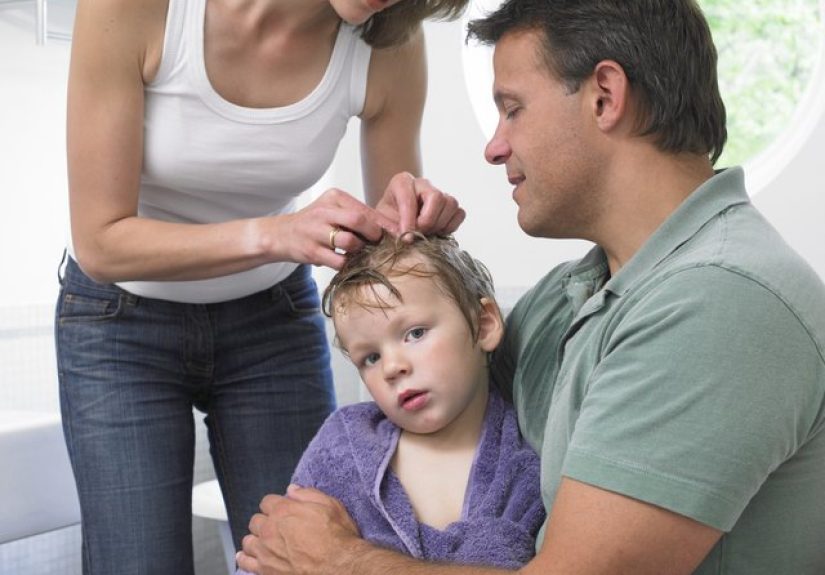
Lice mostly spread through direct head-to-head contact, so the big win is treating the affected person’s hair and checking close contacts.
Fast checklist before you start the cleaning marathon
- Confirm active lice (live bugs) if possiblenits alone don’t always mean an active infestation.
- Treat hair with an appropriate method (OTC or prescription if needed) and follow label directions.
- Comb thoroughly with a fine-toothed nit comb, then re-check on schedule (often over the next couple of weeks).
- Only then do the pillow-and-furniture cleanup belowotherwise you’re mopping the floor during a rainstorm.
Step-by-step: how to get lice out of pillows
1) Strip the “head zone” immediately
Remove pillowcases, sheets, blankets, and any bedding that touched the person’s head in the last two days.
Put it straight into a laundry basket or bag so it doesn’t tour the house like a parade float.
2) Wash what’s washable (hot water is your MVP)
Wash pillowcases and bedding in hot water when fabric allows. Many public-health and medical sources use
130°F / 54°C as a reference point for laundering and heat-based killing.
If you can wash the pillow itself (some are machine washable), follow the care label.
Example: A cotton pillowcase and standard sheets? Hot wash, then dry on high heat.
A delicate linen sham that shrinks when you look at it funny? Consider dry cleaning or bagging (see below).
3) Dry on high heat (the “finish him” stage)
High-heat drying is often the most reliable part because it adds sustained heat exposure.
Dry bedding on the highest heat setting the fabric can tolerate.
For items you can’t wash but can dry (some pillows or covers), a hot dryer cycle may still helpagain, follow the label.
4) For non-washable pillows: bag them (yes, really)
If a pillow can’t be washed or dried safely, seal it in an airtight plastic bag.
The “bag it and wait” method works because lice can’t keep living without a human host.
Keep it sealed for a full two weeks to be safe.
Pro tip: Write the “OK to open” date on masking tape and stick it on the bag.
Future-you will appreciate not having to do calendar math while holding a trash bag full of plushies.
5) Don’t forget the pillow’s supporting cast
- Wash throw blankets used for naps or couch snuggles.
- Wash hoodies, scarves, and hats worn in the last two days.
- Wash or bag stuffed animals that routinely press against the head.
Step-by-step: how to get lice out of couches, chairs, and upholstered furniture
1) Vacuum like you mean it (seams are the main event)
Upholstered furniture doesn’t go in the washing machine (tragic), so vacuuming becomes your best tool.
Use the upholstery attachment and focus on:
- Cushion seams and piping
- Tufts and creases
- Where the head rests (armrest corners, back cushions)
- Under removable cushions and along the frame edges
Example: If your child watched a movie with their head on the left couch armrest,
vacuum that armrest seam, the adjacent back cushion, and the throw blanket that “mysteriously” became a cape.
2) Remove and clean what you can
Many couches have removable covers or cushion covers. If yours do, check the care label:
- Washable covers: hot wash if safe + high heat dry if safe.
- Not washable: vacuum thoroughly and consider sealing small removable items in a bag for two weeks if practical.
3) Skip sprays and foggers (they’re not your friend here)
It’s tempting to reach for “lice killer” sprays, but major public-health guidance warns that
fumigant sprays and foggers aren’t necessary for head lice control and can introduce avoidable toxicity risks.
Vacuuming + targeted laundering/bagging is the smarter play.
Mattresses, bed frames, and the bedroom “reset”
1) Vacuum the mattress and bed frame
Use your vacuum’s crevice tool around seams, labels, stitching, and the edge where the mattress meets the frame.
Then vacuum the bed frameespecially cracks and joints.
2) Wash all bedding used in the last 48 hours
That includes sheets, pillowcases, blankets, duvet covers, and mattress pads.
If you use a fabric headboard cover or removable fabric decor that the head touches, treat it like bedding.
3) Consider a clean “rotation” for a few days
During treatment week, some families find it easier to rotate clean pillowcases daily for a short period.
It’s not mandatory, but it can reduce stress and help you feel more in control (which is half the battle).
Stuffed animals, throw pillows, and other “soft things that can’t be reasoned with”
Option A: Hot wash + high-heat dry (best when possible)
If the item can be laundered safely, treat it like bedding.
Option B: Bag for two weeks (best when you can’t wash)
Seal non-washable soft items in airtight plastic bags for two weeks.
This is especially useful for stuffed animals, decorative pillows, and delicate blankets.
Option C: Limited-space problem solving
If bagging everything feels impossible, prioritize items that actually touch hair and scalp:
the bedtime stuffed animal, the nap blanket, and the couch pillow that doubles as a headrest.
You can safely ignore the decorative throw across the chair that nobody uses.
Don’t forget the “secondary spread” items (they’re small but sneaky)
Combs, brushes, hair ties, hats, headphones
- Combs & brushes: soak in hot water (often cited at 130°F / 54°C) for 5–10 minutes.
- Hair accessories: wash if possible, or soak when appropriate.
- Hats & scarves: hot wash + high-heat dry if safe, or bag for two weeks.
- Headphones/helmets: vacuum gently and wipe according to manufacturer instructions; bagging may be an option for some items if practical.
What NOT to do (save your money and your lungs)
1) Don’t use fumigant sprays or foggers
They’re not required for head lice control and may expose your household to unnecessary chemicals.
Targeted cleaning works because lice don’t thrive away from the scalp for long.
2) Don’t deep-clean the entire home like it’s a biohazard scene
Scrubbing baseboards, washing curtains, and shampooing every rug may feel productive,
but it’s usually not the best use of time. Focus on head-contact items from the last 48 hours.
3) Don’t “DIY pesticide” your upholstery
Avoid using insecticides or unapproved chemicals on couches and pillows.
If a product is meant for hair/scalp treatment, it is not automatically safeor effectiveon furniture.
Prevent re-infestation: a calm, realistic plan
1) Check close contacts
Check household members and anyone with frequent head-to-head contact.
If someone shares a bed with the affected person, pay special attention and treat according to medical guidance if lice are found.
2) Reduce head-to-head contact during the treatment window
This is the biggest prevention lever. Lice spread mainly through direct head contactnot because your couch is “contaminated forever.”
3) Don’t share personal items
Hats, brushes, hair accessories, and headphones should be “single-user” during an outbreak.
It’s not forever. Just until the situation stops being itchy.
FAQ: quick answers to common “help” questions
How long do I need to worry about lice on the couch?
Focus on where the affected person’s head rested in the past two days.
Vacuum those areas and wash/bag any blankets or pillows that had direct head contact.
Beyond that, extensive home decontamination is usually unnecessary.
Do I need to throw away pillows or replace furniture?
Almost never. Wash what you can, dry on high heat, vacuum upholstery seams, and bag non-washables for two weeks.
That’s typically plenty.
Can nits live in furniture?
Nits are usually laid on hair shafts near the scalp, where warmth helps them develop.
Environmental steps are mainly about reducing the chance of any stray lice or hair-contact items causing re-exposure.
What about the car?
Vacuum car seats and headrests, especially where the person sits.
Wash any car blankets or seat covers that touch the head.
Conclusion
The secret to getting rid of lice on pillows and furniture is refreshingly unglamorous:
heat what you can, bag what you can’t, and vacuum the seams.
Keep your cleaning focused on head-contact items from the last 48 hours, and skip sprays and foggers that add risk without real benefit.
Most importantly, pair environmental cleanup with the right hair treatment and follow-up checksbecause lice are a scalp problem first,
and a pillow problem only when someone uses the pillow like a hat.
Real-World Experiences: What It’s Like to Actually Do This (and Not Lose Your Mind)
If you’ve never dealt with lice before, the first experience often feels like your home has betrayed you.
People commonly describe an instant urge to wash everythingevery sheet, every sweater, every throw pillow, possibly the dog (please don’t).
The good news is that once families switch from “panic cleaning” to “targeted cleaning,” the whole ordeal gets dramatically easier.
One of the most common real-life patterns goes like this: you find lice at nightbecause that’s when surprise problems like to announce themselves.
Suddenly it’s 11:30 p.m., and you’re stripping bedding like you’re training for a competitive speed-laundry league.
Many people report that the most helpful move is creating a “clean zone” right away: fresh sheets, clean pillowcases, and a sealed laundry bag for everything else.
That way, bedtime doesn’t turn into “sleep on the couch and worry until sunrise.”
Then comes the couch. In real homes, people don’t just sit on couchesthey nest.
Kids wedge themselves into the same corner with a blanket and a pillow that has definitely been on the floor at least once.
Families who succeed fastest tend to do a “couch reset” that’s simple: vacuum seams, wash the couch blanket (hot wash if safe), and either wash or bag the pillow covers.
People are often surprised by how satisfying it feels to vacuum the seamslike you’re finally doing something that has a clear beginning, middle, and end.
Another very common experience is “the stuffed animal dilemma.”
Parents hear “bag for two weeks” and imagine their child holding a dramatic farewell ceremony for every plush toy.
What usually works in practice is choosing a small rotation: keep one or two washable favorites, wash and dry them, and bag the rest.
Some families turn it into a game: the bagged toys are “on vacation,” and the opening date is “their return flight.”
Is it a little silly? Yes. Does it reduce meltdowns? Also yes.
People also frequently learnoften the hard waythat you can’t out-clean a scalp infestation.
You can wash every pillowcase twice and vacuum the couch like it owes you money, but if treatment isn’t done correctly (or follow-up combing is skipped),
lice can pop back up and make it seem like the furniture is haunted. Once households focus on consistent hair checks and follow-up,
the environment steps become a one-time reset instead of a never-ending cleaning saga.
Finally, there’s the emotional side: lice can feel stigmatizing, even though it’s incredibly common and not a sign of poor hygiene.
Many families report that telling close contacts early (school, caregivers, sleepover families) reduces re-infestation and stops the cycle.
The “best” lice experience still isn’t fun, but it can be manageablemore like an annoying weekend project and less like a horror movie.
And when it’s over, you’ll have two new life skills: expert-level laundry efficiency and the ability to vacuum a couch seam with the precision of a detective.