Table of Contents >> Show >> Hide
- Can You Really Treat Pink Eye at Home?
- What Kind of Pink Eye Do You Have?
- How To Get Rid of Pink Eye at Home: Safe Steps That Actually Help
- Best Home Remedies for Pink Eye, Based on the Cause
- What Not To Do When You Have Pink Eye
- When Home Treatment Is Not Enough
- How Long Does Pink Eye Last?
- How To Keep Pink Eye From Spreading Around the House
- Common Experiences People Have With Pink Eye at Home
- Final Thoughts
If your eye is red, watery, cranky, and acting like it did not get enough sleep, you may be dealing with pink eye. The medical name is conjunctivitis, but let’s be honest: “pink eye” is the term most people actually type into Google while squinting at their phone with one functioning eyeball.
The good news is that many cases of pink eye can be managed at home. The less fun news is that not every red eye is harmless, and not every case needs the same treatment. Some pink eye is caused by viruses, some by bacteria, some by allergies, and some by irritants like smoke, chlorine, or a beauty product that promised radiance and delivered regret.
So if you are wondering how to get rid of pink eye at home, the real answer is this: first figure out what kind of pink eye you are most likely dealing with, then use safe home care that helps your eye heal instead of making it more dramatic. This guide walks you through exactly how to do that, what home remedies can help, what to avoid, and when it is time to call a doctor instead of playing detective in the bathroom mirror.
Can You Really Treat Pink Eye at Home?
Yes, many cases of pink eye can be treated at home, especially viral and allergic conjunctivitis. Home care usually focuses on easing symptoms, keeping the eye clean, avoiding irritation, and preventing the infection from spreading to other people in your home.
But here is the important catch: home treatment is not the same thing as magically curing every red eye overnight. Viral pink eye often has to run its course. Allergic pink eye improves when you calm the allergy trigger. Bacterial pink eye sometimes improves on its own, but some cases may need prescription antibiotic drops from a clinician.
In other words, the best at-home treatment for pink eye is not some mysterious internet potion. It is good hygiene, gentle symptom relief, and enough common sense to know when your eye needs professional help.
What Kind of Pink Eye Do You Have?
Before you start treating pink eye at home, it helps to understand the main types. They can look similar at first, but there are clues.
Viral Pink Eye
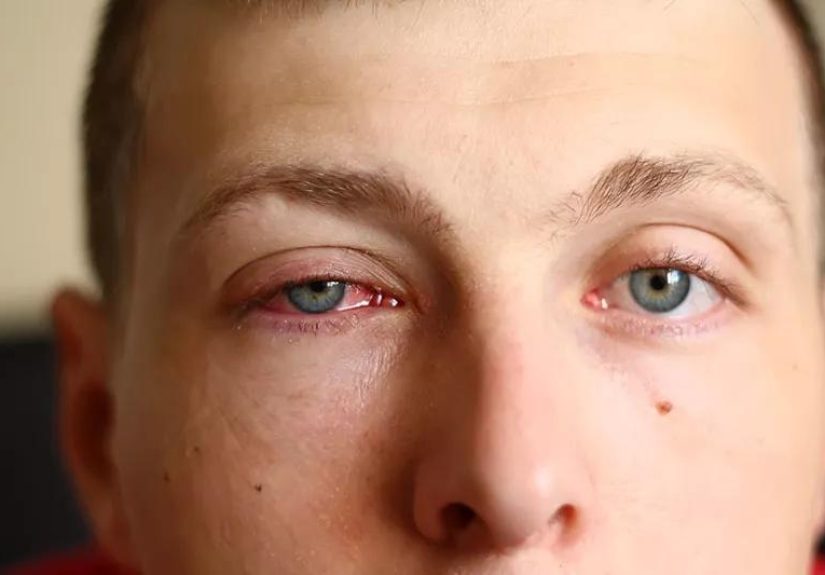
This is one of the most common types. It often shows up with watery discharge, redness, irritation, and sometimes a recent cold, sore throat, or other upper respiratory symptoms. It may start in one eye and spread to the other. Viral pink eye is highly contagious, which means your towels, pillowcases, and hands suddenly become suspicious.
Bacterial Pink Eye
Bacterial conjunctivitis is more likely to cause thicker yellow or green discharge. Your eyelids may stick together in the morning like they had a disagreement overnight. It can affect one or both eyes. Some mild cases improve with home care, but persistent or more severe bacterial pink eye may need antibiotic drops.
Allergic Pink Eye
If your eyes are very itchy, watery, and red, and both eyes are involved, allergies may be the culprit. Allergic pink eye is not contagious. Pollen, dust, pet dander, mold, and even some cosmetics can trigger it. This type tends to improve when you reduce exposure to the trigger and use allergy-friendly relief measures.
Irritant or Chemical Pink Eye
This type happens after exposure to smoke, chlorine, fumes, or another irritant. If your symptoms started right after something splashed or blew into your eye, that is a big clue. Minor irritation may improve once the trigger is gone, but a true chemical splash is an emergency and should be rinsed immediately and evaluated right away.
How To Get Rid of Pink Eye at Home: Safe Steps That Actually Help
1. Wash Your Hands Like You Mean It
This is the least glamorous step and the most important one. Wash your hands before and after touching your face, applying eye drops, cleaning discharge, or adjusting your glasses. If you have viral or bacterial pink eye, this simple habit helps prevent spreading it to your other eye, to your family, and to every object you touch while half-asleep.
2. Stop Wearing Contact Lenses
If you wear contacts, take them out and switch to glasses until your symptoms are completely gone and a doctor says it is okay to wear lenses again. Contact lenses can trap irritation, slow healing, and increase the risk of more serious corneal problems. Also, do not try to “just wear them for a few hours.” Your eye is not negotiating right now.
3. Clean Away Crust and Discharge Gently
Use a clean, damp washcloth or fresh cotton pad to wipe away discharge. Always wipe gently from the inner corner outward. Use a separate clean section for each eye, and do not reuse the same cloth without washing it. If you are dealing with crusty eyelids in the morning, a warm compress can help loosen the dried gunk before you wipe it away.
4. Use a Cool Compress for Relief
A cool compress is one of the simplest home remedies for pink eye. It can ease swelling, burning, itching, and that “my eye feels personally offended by the air” sensation. Soak a clean washcloth in cool water, wring it out, close your eye, and place it gently over the lid for several minutes.
If your symptoms are mostly itchiness and puffiness, especially with allergies, cool compresses are usually the better choice.
5. Use a Warm Compress for Crusting
If your eyelids are stuck shut or coated with dried discharge, a warm compress can help soften the crust so you can clean it away without rubbing. The cloth should be warm, not hot. You are comforting the eye, not trying to steam-clean it.
6. Try Preservative-Free Artificial Tears
Lubricating eye drops, often called artificial tears, can help soothe dryness, grittiness, and irritation. These can be especially useful for viral and allergic pink eye. Choose lubricating drops rather than medicated “get the red out” drops, which can sometimes make irritation worse if you keep using them.
If only one eye is infected, avoid touching the bottle tip to the eye, and do not use the same bottle carelessly between infected and non-infected eyes.
7. Avoid Rubbing Your Eyes
This sounds obvious, yet pink eye turns normal adults into raccoons with deadlines. Rubbing can worsen irritation, spread infection, and make the swelling hang around longer. If the eye is itchy, use a clean cool compress instead.
8. Rest the Eye
You do not need to sit in a dark room speaking only in whispers, but it helps to reduce things that irritate the eye while it heals. Take breaks from screens if your eye feels dry or tired, avoid smoke and strong fumes, and skip eye makeup until everything is back to normal.
Best Home Remedies for Pink Eye, Based on the Cause
For Viral Pink Eye
- Cool compresses
- Artificial tears
- Careful hand washing
- Cleaning discharge with a fresh cloth
- No contact lenses
- No sharing towels, pillows, or eye products
Viral pink eye usually improves with time. The goal is comfort and keeping it from spreading.
For Allergic Pink Eye
- Cool compresses
- Artificial tears to rinse allergens from the eye surface
- Over-the-counter allergy eye drops or oral antihistamines, if appropriate for you
- Keeping windows closed during high pollen days
- Washing hands, face, and hair after being outdoors
- Avoiding smoke, dust, and pet dander when possible
If the main symptoms are itching, both eyes are involved, and discharge is mostly watery, allergies are a likely suspect.
For Mild Irritant Pink Eye
- Remove the irritant
- Use artificial tears
- Rest the eye
- Avoid rubbing
- Use a cool compress for discomfort
If a harsh chemical splashed into your eye, do not try to ride it out at home. Rinse immediately and get urgent medical care.
What Not To Do When You Have Pink Eye
- Do not wear contact lenses. Not even for errands. Not even because your glasses are annoying.
- Do not share towels, pillowcases, washcloths, makeup, or eye drops. Pink eye loves a group project.
- Do not use leftover antibiotic drops from an old infection. The wrong medication can be useless or irritating.
- Do not use steroid eye drops unless a doctor specifically prescribed them. Steroid drops can be risky in some eye conditions.
- Do not keep using old eye makeup. Mascara and liner may need to be replaced after an infection.
- Do not touch the tip of your eye-drop bottle to your eye or lashes. That can contaminate the bottle.
- Do not ignore worsening pain, light sensitivity, or blurry vision. That is no longer “wait and see” territory.
When Home Treatment Is Not Enough
Pink eye can look like other eye problems, including some that are much more serious. You should seek medical care promptly if you have any of the following:
- Moderate to severe eye pain
- Sensitivity to light
- Blurred vision or any change in vision
- A feeling that something is stuck in the eye that does not go away
- Severe swelling around the eye
- Symptoms after a chemical splash or eye injury
- Contact lens use, especially with significant redness or pain
- A weakened immune system
- A newborn with eye redness or discharge
- Symptoms that are getting worse instead of better
If thick discharge keeps coming back, your eye is painfully red, or symptoms last longer than expected, a clinician can help determine whether you are dealing with bacterial conjunctivitis, a corneal issue, allergy-related inflammation, or something else entirely.
How Long Does Pink Eye Last?
This depends on the cause:
- Viral pink eye: Often improves in 7 to 14 days, though some cases can last longer.
- Bacterial pink eye: May improve in a few days with treatment; some mild cases improve on their own.
- Allergic pink eye: Often improves once the allergen is controlled and appropriate allergy treatment starts working.
- Irritant pink eye: Usually settles after the irritant is removed, unless the exposure was more serious.
If you are searching for how to get rid of pink eye overnight, your eye would like to inform you that biology rarely cares about your schedule. The safest goal is not “overnight.” It is “steady improvement without complications.”
How To Keep Pink Eye From Spreading Around the House
If your pink eye is infectious, prevention matters almost as much as treatment.
- Wash hands often with soap and water
- Do not touch or rub your eyes
- Use separate towels and pillowcases
- Wash bedding, washcloths, and towels in hot water
- Replace or clean anything that touches the eye area
- Throw away disposable contact lenses used right before or during the infection
- Replace or disinfect contact lens cases as directed
- Avoid sharing cosmetics and consider replacing eye makeup
If you are sending a child back to school or daycare, check the specific policy. Some children do not need to stay home for the entire course of pink eye, but good hygiene and symptom control matter a lot.
Common Experiences People Have With Pink Eye at Home
One reason people panic about pink eye is that it always seems to appear at the worst possible time. It shows up before a work presentation, the day before family photos, or on the one morning you planned to look alive on a video call. And because the symptoms can change throughout the day, many people are convinced it is getting better at noon, then worse again by dinner.
A very common experience is waking up with one eye glued shut. People often describe shuffling to the bathroom, blinking like a confused owl, and discovering that the eyelashes are stuck together with crust. In many mild cases, a warm clean washcloth softens the discharge enough to gently clean the lid without irritation. That small moment alone can feel like a victory.
Another common experience is the “it started in one eye and now the other eye wants in” situation. Viral pink eye especially has a talent for spreading from one eye to the other over a few days. Many people think they somehow failed at treatment when this happens, but it is often part of the natural course. What matters most is being stricter with hand washing, using a separate clean cloth for each eye, and resisting the urge to rub both eyes every ten minutes.
People with allergic pink eye often describe intense itching as the most miserable part. Not pain, not discharge, just relentless itching that makes them want to scratch their eyeballs with sheer willpower. In these cases, cool compresses and allergy treatment can make a huge difference. Many also notice their eyes flare after walking outside, cleaning dusty shelves, cuddling the family cat, or opening the windows during peak pollen season. Once the trigger becomes obvious, the whole situation starts making a lot more sense.
Contact lens wearers often talk about the moment they realize glasses are no longer optional. At first they try bargaining: maybe just a short wear time, maybe just to drive, maybe just because the glasses are somewhere mysterious. But once the eye feels raw, dry, or overly sensitive, most people realize that contacts only make the irritation feel worse. Switching fully to glasses during recovery is one of the smartest moves, even if it is not the fashion choice they hoped for.
Parents dealing with pink eye at home often mention that the hardest part is not the child’s discomfort. It is the logistics. There is the question of school, the battle over eye drops, the constant laundering of washcloths, and the challenge of explaining why siblings cannot share pillows, towels, or stuffed animals for a while. Add in a kid who insists they are “totally fine” while clearly looking like they lost a staring contest with a leaf blower, and home management becomes a full production.
Adults often notice another pattern: pink eye is less painful than they feared but more annoying than expected. The irritation, tearing, and blurry film across the eye can make reading, driving, and computer work feel strangely exhausting. Many people find that short screen breaks, artificial tears, and simply closing the eyes for a few minutes at a time help more than they expected.
Perhaps the most universal experience is this: people want a fast cure, but what usually helps most is boring, consistent care. Clean hands. Clean cloths. No rubbing. No contacts. Artificial tears. Compresses. Repeat. Not glamorous, but very effective. In the world of pink eye at home, boring wins.
Final Thoughts
If you want to get rid of pink eye at home, focus on the basics that actually work: keep the eye clean, use warm or cool compresses as needed, try lubricating drops, avoid contact lenses, and be obsessive about hygiene. For allergic pink eye, reducing triggers and using allergy-friendly treatments can bring solid relief. For viral pink eye, patience is part of the treatment plan, even if it is the least exciting item on the list.
Most importantly, do not let the phrase “pink eye” trick you into ignoring warning signs. Severe pain, light sensitivity, vision changes, chemical injuries, and contact lens-related redness deserve medical attention. Home care is helpful when the situation is mild. When it is not, the smartest move is getting professional advice before a minor irritation turns into a major eye problem.