Table of Contents >> Show >> Hide
- Before You Ask: Know the Ground Rules (So You Don’t Lose on a Technicality)
- How to Get Your Parents to Let You Get a Tattoo: 12 Steps
- Step 1: Get painfully honest about why you want the tattoo
- Step 2: Learn the legal requirements and shop policies in your area
- Step 3: Understand the health risks like you’re studying for a final
- Step 4: Pick a design that won’t start a family meeting by itself
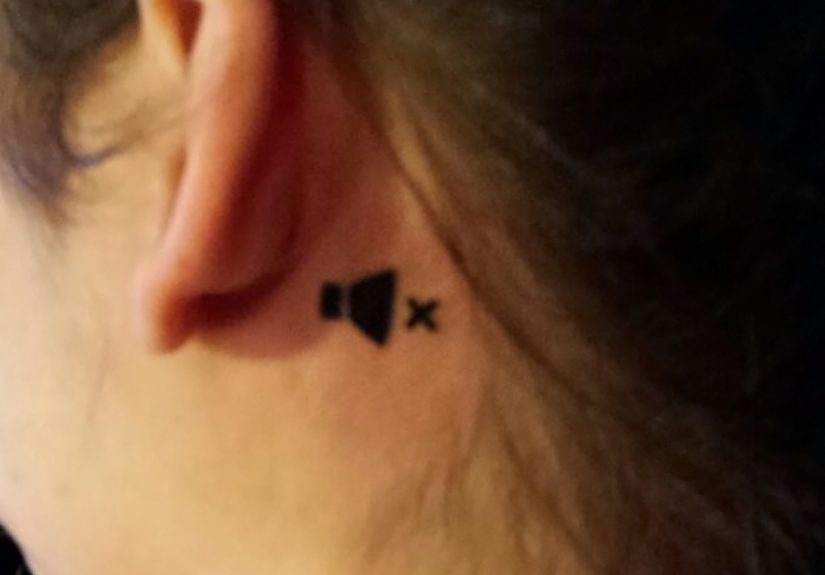
- Step 5: Choose placement strategically (a.k.a. the “I can cover it” advantage)
- Step 6: Do a “trial run” with something temporary
- Step 7: Build a responsible Tattoo Plan (yes, like a project proposal)
- Step 8: Offer to pay for it (and prove you can)
- Step 9: Choose the right time to ask (timing is 80% of parenting diplomacy)
- Step 10: Start by listening to their concerns (without rolling your eyes)
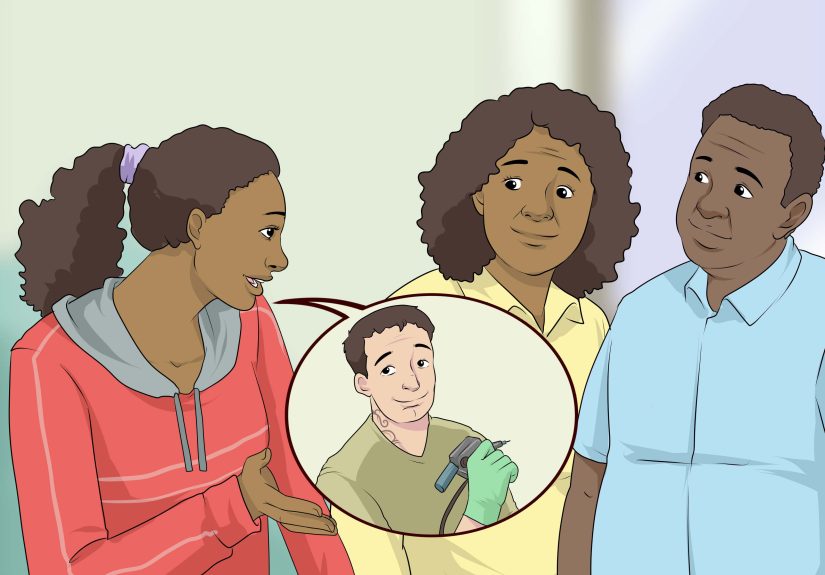
- Step 11: Invite them into the process (yes, even the part where they ask 900 questions)
- Step 12: If they say no, negotiate the “not yet” (and don’t blow it up)
- What Parents (Correctly) Freak Out About: Red Flags to Avoid
- Tattoo Safety 101: How to Keep “Self-Expression” from Becoming “Urgent Care”
- A Mini Script: What to Say to Your Parents (Without Sounding Like a TikTok Comment)
- Conclusion: The Goal Isn’t Just a TattooIt’s Trust
- Experiences People Share After Trying to Convince Their Parents (And What You Can Learn)
You want a tattoo. Your parents want you to keep your skin in “factory condition” until you’re at least 47, married, and employed at a job that hands out khaki pants on day one.
Welcome to the classic teen-versus-parent showdownexcept this one involves permanent ink, pointy needles, and your mom’s ability to Google “tattoo infection” faster than you can say “but it’s meaningful.”
Here’s the good news: getting your parents to consider a tattoo is less about winning an argument and more about proving you can make a long-term decision like a responsible human.
The secret isn’t being louder. It’s being preparedlegally, financially, and medicallyand showing your parents you’re not trying to get a questionable stick-and-poke from someone named “Razor” behind a convenience store.
This guide breaks it down into 12 practical steps (with some humor, because otherwise we’ll all cry), plus safety tips and real-life experiences people learn the hard way.
Before You Ask: Know the Ground Rules (So You Don’t Lose on a Technicality)
In the U.S., tattoo rules for minors vary by state and even by shop. Many states restrict tattooing under 18 and often require a parent/guardian’s written consentsometimes with the parent present.
Some places don’t tattoo minors at all (even with permission), and many reputable studios set their own stricter policies to avoid legal and ethical headaches.
Translation: you can have the world’s most persuasive speech and still get shut down at the front desk if the law or shop policy says “nope.”
So step one is not “convince your parents.” Step one is “make sure this is even possible where you live.”
How to Get Your Parents to Let You Get a Tattoo: 12 Steps
Step 1: Get painfully honest about why you want the tattoo
Parents don’t just fear the tattoothey fear the impulse. If your reason is “because it looks sick,” that’s valid as a human emotion… and also weak as a negotiation strategy.
Stronger reasons include: honoring a person, marking a milestone, representing a value, or choosing a symbol that will still make sense when you’re older.
Try this test: imagine explaining your tattoo to a future employer, a future partner, and your future self on a random Tuesday.
If the explanation makes you cringe today, it won’t age like fine wine later.
Step 2: Learn the legal requirements and shop policies in your area
Print or note the basics: your state’s rule, what “parental consent” actually means, and what reputable studios require (ID, consent form, parent present, etc.).
When you walk into the conversation informed, you instantly look more matureand your parents feel less like they’re being dragged into chaos.
Pro tip: “I checked the law and reputable studios’ policies” hits very differently than “my friend said it’s fine.”
Step 3: Understand the health risks like you’re studying for a final
Tattoos are generally safe when done by trained professionals using sterile practicesbut “generally safe” is not the same as “risk-free.”
Risks can include skin infections, allergic reactions to ink, scarring/keloids, and complications if aftercare is ignored.
Your parents already know this. Your job is to show you know it too.
- Infections can happen from unsterile equipment, contaminated ink, or poor aftercare.
- Allergic reactions can occur immediately or years later (some pigments are more likely to irritate skin).
- Skin issues like keloids or flare-ups of certain skin conditions can happen in some people.
Step 4: Pick a design that won’t start a family meeting by itself
If your first pitch is a full neck piece that says “NO RULES,” you’re basically begging for a “no.”
Start small and thoughtful. A minimalist symbol, a short phrase, or a clean design typically feels less intimidating to parents.
Also consider the “future you” factor: tastes change, trends fade, and humor tattoos can age like milk.
Your parents aren’t wrong to worry about regretso lower the regret risk.
Step 5: Choose placement strategically (a.k.a. the “I can cover it” advantage)
Parents often worry about school, work, and judgmental relatives who think tattoos summon demons.
Picking a spot that can be easily covered (upper arm, shoulder blade, rib area, upper thigh) can calm those fears.
It’s not “hiding who you are.” It’s showing you understand real-world consequences and can make practical choices.
Step 6: Do a “trial run” with something temporary
Temporary tattoos, ink markers, or professional-grade temporary designs can help you test size and placement.
If you still love it after a month or two, that’s evidence this isn’t a passing obsession.
Quick caution: some “temporary” options (especially certain dyes) can irritate skin. Patch-test if you’re sensitive.
Step 7: Build a responsible Tattoo Plan (yes, like a project proposal)
This is where you go from “kid with an idea” to “young adult with a plan.”
Put together a one-page outline (digital or printed) with:
- The design (final or close-to-final) and meaning
- Placement and approximate size
- Studio/artist options with portfolio examples (clean linework, healed photos)
- Proof of cleanliness standards (sterile needles, gloves, single-use supplies)
- Full cost estimate (tattoo, tip, aftercare products)
- Aftercare plan (what you’ll do daily and what you’ll avoid)
Parents relax when they see you’ve thought beyond the Instagram post.
Step 8: Offer to pay for it (and prove you can)
If you’re asking your parents to approve something permanent, it helps if you’re not also asking them to fund it.
Save up. Show them you understand that good tattoos cost money, and cheap tattoos often cost more later (touch-ups, cover-ups, removal).
Even if your parents offer to help, starting with “I’ve budgeted for this” is a power movein the responsible way, not the villain way.
Step 9: Choose the right time to ask (timing is 80% of parenting diplomacy)
Don’t ask when your parent is stressed, late, hungry, or already mad about your laundry forming its own ecosystem.
Pick a calm moment. Better yet: ask when they’d be open to talking about it.
“Can we talk about something important this weekend?” sounds mature.
“I need you to say yes right now” sounds like a car salesman with a nose ring.
Step 10: Start by listening to their concerns (without rolling your eyes)
Your parents’ concerns usually fall into predictable categories:
safety, legality, regret, money, social judgment, and “what will Grandma say.”
Let them say it. Reflect it back. Ask what would make them feel safer.
Example: “I hear you. You’re worried about infection and that I’ll regret it. That’s fair. Here’s what I found about safe studios and why I chose this design.”
Step 11: Invite them into the process (yes, even the part where they ask 900 questions)
If you’re a minor and your state requires parental consent, your parent may need to be involved anyway.
Make that involvement meaningful:
- Visit a reputable studio together to check cleanliness and professionalism
- Meet the artist and ask about sterilization and aftercare
- Show them the portfolio and healed work
- Review the aftercare plan together
When your parents feel included, the conversation becomes collaborative instead of combative.
Step 12: If they say no, negotiate the “not yet” (and don’t blow it up)
Sometimes the honest answer is “not now.” If you respond with respect, you can turn “no” into “later.”
Ask what conditions would change their mind:
- Waiting until you’re 18
- A 3–6 month “cooling-off period”
- Reaching a milestone (grades, savings goal, job, graduation)
- Starting with a smaller tattoo in a low-visibility area
Staying calm here is the ultimate maturity flex. If you prove you can handle disappointment, your parents are more likely to trust you with bigger decisions.
What Parents (Correctly) Freak Out About: Red Flags to Avoid
If you want your parents to say yes, make it easy for them to trust the process. Avoid these red flags:
- Home tattoos or “my friend has a kit” tattoos (hard nosafety risk)
- Studios that won’t answer hygiene questions
- No gloves, no handwashing, messy workstations
- Needles not opened in front of you
- Prices that seem too good to be true (they usually are)
- No aftercare instructions
- Artists who pressure you to decide fast
Tattoo Safety 101: How to Keep “Self-Expression” from Becoming “Urgent Care”
A tattoo is basically a controlled skin injury that needs time to heal. The healing process is where good decisions matter most.
Follow professional aftercare instructions and watch for warning signs.
Basic aftercare principles (the boring stuff that saves your skin)
- Wash gently with mild soap and clean water, then pat dry (don’t scrub like you’re sanding a deck).
- Use a thin layer of fragrance-free moisturizer as advisedmore is not better.
- Don’t pick scabs. Don’t “help” peeling skin. Let your body do its job.
- Avoid pools, lakes, hot tubs, and long soaks until healed.
- Limit sun exposure; once healed, use sunscreen to protect fading.
When to get medical help
Some redness and tenderness can be normal early on. But get help if you notice signs that suggest infection or a severe reaction:
fever, worsening pain, spreading redness, unusual warmth, bad odor, pus-like drainage, or red streaking.
A Mini Script: What to Say to Your Parents (Without Sounding Like a TikTok Comment)
You: “Can we talk about something important when you have time? I want to do it respectfully.”
You: “I’m interested in getting a small tattoo. I know it’s permanent and you might have concernsespecially about safety and regret.”
You: “I researched the laws and reputable studios’ policies here. I also put together a plan: design, placement, cost, artist options, and aftercare.”
You: “I’m not asking for an instant yes. I’m asking what would make you feel comfortableor if this is a ‘not yet,’ what conditions would change that.”
Conclusion: The Goal Isn’t Just a TattooIt’s Trust
The fastest way to get your parents to shut down is to make this a power struggle.
The fastest way to get them to listen is to act like the kind of person who can handle a permanent decision: prepared, patient, and honest.
Whether your parents say “yes,” “not yet,” or “absolutely not while you live under my roof,” these steps still help you make a smarter choice
and protect your future skin, wallet, and dignity.
Experiences People Share After Trying to Convince Their Parents (And What You Can Learn)
Let’s end with the part everyone loves: real-world lessons. Not the dramatic “I fought my parents and now we don’t speak” storiesmore like
“here’s what actually worked,” “here’s what backfired,” and “here’s why I now own a long-sleeve wardrobe in July.”
1) The Spreadsheet Kid Wins (Yes, Really).
One teen wanted a tiny tattoosomething simple and meaningful. Their parents were firmly in the “absolutely not” camp.
Instead of arguing, the teen made a one-page plan with the design, placement, state requirements, a list of reputable studios, and a realistic budget.
They also included an aftercare schedule (like a daily checklist) and offered to pay with money earned from a part-time job.
The parents didn’t say yes immediately, but they did something huge: they stopped treating it like a reckless impulse.
A month later, after visiting a studio together and meeting the artist, the answer changed from “no” to “we’ll consider it.”
The lesson: adults trust preparation. If you show your work, you look trustworthy.
2) The “Surprise Tattoo” Strategy Is a Terrible Strategy.
Another teen tried the classic move: get the tattoo first, then present it like a finished school project“Ta-da!”
The parents’ reaction was not “wow, bold self-expression.” It was “you made a permanent decision behind our backs, and now we’re worried about safety,
legality, and whether you’ll do this again with bigger risks.”
Even if parents secretly like the tattoo, the secrecy flips the issue into a trust crisis.
The lesson: if you want permission, don’t lead with deception. It turns a tattoo conversation into a character conversation.
3) The “My Friend Got One” Argument Gets You Nowhere.
Teens love this line. Parents hate it. “But Ava’s parents let her!” doesn’t address safety, regret, or money.
One teen finally broke through by changing the framing: instead of comparing themselves to friends,
they compared their plan to adult standardslicensed studio, hygiene questions, aftercare knowledge, and a willingness to wait.
The parents still had doubts, but the conversation became about responsibility, not peer pressure.
The lesson: bring evidence, not other people’s parenting styles.
4) The Compromise That Actually Works: Time + Proof.
A lot of parents aren’t anti-tattoo; they’re anti-right now. One family agreed on a “cooling-off period”:
the teen had to keep the same design choice for three months and save the full cost.
During that time, the teen used a temporary version in the same placement to see if they still loved it.
Surprise: the teen changed the placement and simplified the designwithout any parent pressure.
When the deadline arrived, the parents felt confident it wasn’t a trend-chasing moment.
The lesson: waiting can be a tool, not a punishmentespecially if it helps you make a better decision.
5) The Aftercare Wake-Up Call.
Here’s the part nobody brags about online: healing. One teen got permission, picked a solid studio, and still had a rough time
because they treated aftercare like optional homework. They worked out too soon, scratched during the itchy phase,
and ignored “avoid soaking” because “it’s just a quick swim.”
The tattoo didn’t become a medical emergency, but it healed unevenly and needed a touch-up.
Their parents weren’t mad about the tattoo anymore; they were mad about the carelessness after the fact.
The lesson: the tattoo appointment is one day. Responsible aftercare is weeks. If you want your parents to trust you,
show them you can follow through when it’s no longer exciting.
Bottom line: most successful “yes” stories aren’t about persuasive speeches. They’re about consistent maturity.
If you can demonstrate planning, patience, and safe decision-making, you’re not just asking for a tattooyou’re earning trust.