Table of Contents >> Show >> Hide
- Getting to Know French Marigold (Tagetes patula)
- Ideal Growing Conditions for French Marigolds
- How to Grow French Marigold From Seed
- Transplanting and Spacing
- Everyday Care for French Marigold
- Growing French Marigolds in Containers
- French Marigolds as Companion Plants
- Pests, Diseases, and Common Problems
- Design Ideas and Popular Varieties
- Quick Troubleshooting Guide
- Conclusion: Why French Marigolds Belong in Your Garden
- SEO Wrap-Up for “How to Grow and Care For French Marigold (Tagetes patula)”
- Extra Real-World Tips and Experiences Growing French Marigold
If you’re looking for a flower that blooms like crazy, shrugs off heat, and forgives the occasional missed watering, French marigold (Tagetes patula) is your new garden bestie. These compact annuals bring cheerful yellows, oranges, and russet tones to beds, borders, and pots, and they’re easy enough for a beginner who still occasionally forgets which end of the trowel goes into the soil.
French marigolds are more than just pretty faces. They’re workhorses in vegetable patches, reliable edging plants along walkways, and reliable choices for container gardens on sunny balconies. Learn their basic preferencessun, drainage, and light feedingand they’ll reward you with blooms from late spring until frost.
This guide walks you through everything you need to know about how to grow and care for French marigold: from choosing a good spot, sowing seeds, and transplanting, to watering, deadheading, and using them as companion plants in your veggie garden.
Getting to Know French Marigold (Tagetes patula)
Quick botanical profile
- Botanical name: Tagetes patula
- Common name: French marigold
- Plant type: Warm-season annual
- Height and spread: About 6–12 inches tall and wide, depending on variety
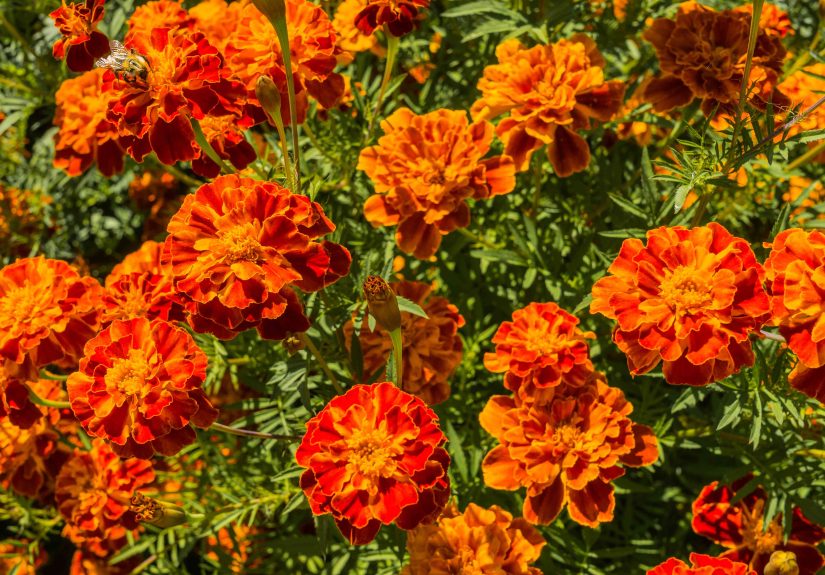
- Flowers: Single, semi-double, or fully double blooms in yellow, gold, orange, mahogany, and bicolor shades
- Foliage: Finely divided, aromatic green leaves
- Hardiness: Frost tender; grown as an annual in most climates
Despite the name, French marigolds are originally native to Mexico and Guatemala, where they grow in sunny, well-drained conditions. In modern gardens, they’re prized for their dense, mounded habit and long, colorful flowering season.
French vs. African marigolds
French marigolds (Tagetes patula) are shorter and bushier than African marigolds (Tagetes erecta). French types typically stay under about 12 inches tall, while African varieties can reach 2–3 feet. If you want low edging around a path, a pot filled with blooms, or compact plants to tuck between vegetables, French marigold is usually the better choice.
Ideal Growing Conditions for French Marigolds
Light requirements
French marigolds are true sun-lovers. They bloom best with at least 6 hours of direct sunlight per day. In cooler climates, they can handle full sun all day long. In very hot, intense-sun regions, a little light afternoon shade helps prevent wilting and keeps flowers from scorching.
Soil and pH
These plants are not fussy about soil type, but they do have one non-negotiable demand: good drainage. They grow well in moderately fertile, well-drained soil that isn’t constantly wet. Slightly acidic to neutral soilroughly in the pH 6.0–7.0 rangeworks well. Extremely acidic soils (below about 5.5) can cause nutrient imbalances, which show up as bronzing or speckling on the leaves.
If your soil is heavy clay, consider amending with compost and coarse material to improve drainage, or grow your marigolds in raised beds or containers filled with quality potting mix.
Water and temperature
French marigolds like even moisture but dislike soggy feet. Once established, they handle heat and brief dry spells, but they’ll look and bloom better if you water when the top inch of soil dries out.
Because they are warm-season annuals, wait to plant them outdoors until all danger of frost has passed and soil has warmed. They’ll sulk in cold, wet conditions and may be killed by even a light frost. They thrive in typical summer temperatures and can handle heat and humidity surprisingly well, as long as drainage is good.
How to Grow French Marigold From Seed
French marigolds grow quickly and are very easy from seed, giving you a lot of color for very little money. You can start them indoors or sow them directly in the garden after frost.
Starting French marigold indoors
- Timing: Start seeds 4–6 weeks before your last expected frost date.
- Containers and mix: Use small pots or seed trays filled with a fine, well-draining seed-starting mix.
- Sowing depth: Sow the narrow marigold seeds about 1/4 inch deep and roughly an inch apart, then lightly cover with mix.
- Temperature: Keep the soil consistently warm, ideally around 70–75°F (21–24°C) for best germination.
- Moisture: Mist or bottom-water to keep the mix evenly moist but never soggy. Covering the tray with a clear dome or plastic helps hold humidity until seedlings emerge.
- Light: Once sprouts appear (usually in 7–14 days), move them to bright light or under grow lights so they don’t stretch and get leggy.
When seedlings have several true leaves, thin or transplant them into individual cells or small pots so they have room to develop a strong root system before going outside.
Direct seeding in the garden
- Wait for warmth: Direct sow only after your last frost date, when the soil is warm.
- Prepare the bed: Loosen the top few inches of soil and rake it smooth. Remove rocks, roots, and weeds.
- Sow shallowly: Sprinkle seeds over the surface and cover them with about 1/4 inch of soil or fine compost.
- Water gently: Use a soft spray or watering can to avoid washing the seeds away. Keep the soil evenly moist until germination.
- Thin seedlings: When seedlings are a few inches tall, thin or transplant them so plants are properly spaced.
Transplanting and Spacing
French marigolds are happiest when they have a bit of elbow room. Proper spacing helps prevent disease and promotes full, rounded growth.
- General spacing: 8–10 inches apart for typical French marigold varieties.
- Rows or borders: Plant in rows or staggered patterns to create a solid, colorful edge.
- When to transplant: Move seedlings outdoors after all frost risk has passed and they’ve been hardened off (gradually exposed to outdoor conditions for about a week).
Set plants at the same depth they were growing in their pots, firm the soil gently around their roots, and water thoroughly to help them settle in.
Everyday Care for French Marigold
Watering routine
French marigolds appreciate consistent, moderate moisture. A simple rule: water when the top 1–2 inches of soil feel dry to the touch. Water deeply at the base of the plant rather than sprinkling lightlydeep watering encourages strong roots and reduces the risk of fungal diseases on foliage.
- In garden beds: Aim for a deep watering once or twice a week in hot weather, depending on rainfall and soil type.
- In containers: Pots dry out faster, so check daily in summer. Container marigolds often need water every day or every other day during heat waves.
- Avoid soggy soil: Constantly wet soil leads to root rot, especially in heavy or poorly drained ground.
Fertilizing
French marigolds are not heavy feeders. Too much nitrogen pushes lots of foliage at the expense of flowers, which is the opposite of what you want.
- Work a modest amount of compost into the soil before planting to provide a gentle nutrient supply.
- In containers, use a high-quality potting mix and after 4–6 weeks, feed every few weeks with a balanced, water-soluble fertilizer diluted to half strength.
- Skip frequent high-nitrogen lawn fertilizers nearby; they can “overfeed” your marigolds and reduce bloom.
Deadheading and pinching
French marigolds will keep blooming even if you never deadhead them, but removing faded flowers keeps plants tidy and encourages more buds.
- Deadheading: Pinch or snip off spent blooms just above a set of leaves. This prevents the plant from putting energy into seed production.
- Pinching young plants: When plants are 4–6 inches tall, pinch the tips of the stems once or twice. This encourages branching and creates a fuller, bushier plant covered in blooms.
Growing French Marigolds in Containers
Short, bushy growth and intense color make French marigolds perfect for pots, window boxes, and balcony planters.
Choosing containers and soil
- Pot size: Use a container at least 10 inches deep and wide for a small group of French marigolds. Larger planters can hold multiple plants or mixed combinations with herbs and other flowers.
- Drainage: Make sure pots have drainage holes. Add a saucer underneath if you’re using them on a deck or balcony, but never leave the pot standing in water.
- Potting mix: Use a light, well-draining commercial potting mix instead of garden soil, which can compact and drain poorly in containers.
Container care
- Place containers where they get at least 6 hours of sun per day.
- Water when the top inch of mix is dry; water thoroughly until it flows out of the drainage holes.
- Feed every 3–4 weeks with a diluted balanced fertilizer during the peak growing season.
French marigolds also pair beautifully in mixed containers with sun-loving herbs (like basil or thyme) or compact flowers that share similar water and light needs.
French Marigolds as Companion Plants
French marigolds are famous for their role in companion planting. While their ability to repel every pest under the sun is sometimes exaggerated, they do offer genuine benefits in and around the vegetable garden.
- Pollinator appeal: Their bright blooms attract bees, butterflies, and other pollinators that help with fruit set on crops like tomatoes and squash.
- Beneficial insects: Marigolds can draw in helpful predatorssuch as lady beetlesthat feed on aphids and other soft-bodied pests.
- Whitefly deterrent: The strong scent of French marigolds is often used in greenhouses and gardens to discourage whiteflies around tomatoes.
- Vegetable partners: Common pairings include marigolds with tomatoes, peppers, beans, brassicas (like cabbage and kale), lettuces, and strawberries.
You can plant French marigolds in rows between vegetables, tuck them at the ends of beds, or create a colorful border around raised beds. They make the garden look more cheerful while contributing to overall biodiversity.
Pests, Diseases, and Common Problems
French marigolds are naturally tough and relatively low-maintenance, but no plant is completely problem-free. Here’s what to watch for:
Rot and fungal issues
The most common trouble is root or stem rot caused by poorly drained soil or overwatering. If plants turn mushy at the base or collapse suddenly, the soil may be staying too wet.
- Improve drainage by loosening the soil and adding compost or grit.
- Water less frequently, allowing the top layer of soil to dry out between waterings.
Leaf spots and powdery mildew
In very humid conditions, marigold blooms and foliage can develop rot or fungal spots.
- Deadhead promptly to remove soggy or rotting flowers.
- Water at the base of plants to keep leaves dry.
- Space plants properly so air can circulate.
Insect pests
French marigolds are not usually pest magnets, but you may occasionally find:
- Slugs and snails: These can chew on young plants in damp conditions. Use traps or barriers if needed.
- Aphids: If they show up, rinse them off with a strong spray of water or control them with insecticidal soap.
- Spider mites: In hot, dry conditions, use regular misting on nearby surfaces (not the blooms) and keep plants adequately watered.
Design Ideas and Popular Varieties
French marigolds come in a wide range of colors and forms, from dainty single-flowered types to double “pom-pom” blooms. Some popular series and forms include:
- ‘Little Hero’ series: Very compact plants with dense, uniform floweringgreat for edging and containers.
- Dwarf singles: Smaller plants with single blooms, good for naturalistic plantings and tucking between vegetables.
- Double-flowered types: Full, ruffled blooms ideal for high-impact color beds.
- Bicolors: Varieties with contrasting petalsgold and mahogany, for exampleadd extra visual interest.
Use French marigolds to outline paths, fill the front of borders, brighten vegetable beds, or bring warm color to patio planters. They also make cheerful, short-stemmed cut flowers for small vases and mason-jar arrangements.
Quick Troubleshooting Guide
Lots of foliage, few flowers
You may be feeding too heavily with a high-nitrogen fertilizer, or the plants are not getting enough sun. Cut back on fertilizer and move pots or future plantings into a brighter spot.
Plants are leggy and floppy
Insufficient light or very tight spacing can cause stretching. Young plants also benefit from early pinching to encourage branching. Next time, grow them in full sun and pinch back once or twice as they grow.
Leaves yellowing from the bottom up
This can result from overwatering, poor drainage, or nutrient deficiency. Check soil moisture firstif it’s constantly wet, reduce watering and improve drainage. If the soil is fine, a light, balanced feeding can help.
Conclusion: Why French Marigolds Belong in Your Garden
French marigolds (Tagetes patula) prove that easy-care plants don’t have to be boring. Give them full sun, well-drained soil, and reasonable watering, and they’ll repay you with months of color, cheerful borders, and helpful company for your vegetables. Whether you’re filling a single balcony pot or outlining an entire raised bed, they’re one of the simplest, most reliable ways to make your garden look put-together with very little effort.
Once you’ve grown them for a season, you may find yourself collecting seeds, experimenting with new varieties, and humming happily while deadheading a fresh flush of blooms. It’s a small ritual that pays off in big color all summer long.
SEO Wrap-Up for “How to Grow and Care For French Marigold (Tagetes patula)”
sapo: French marigolds (Tagetes patula) are compact, colorful annuals that make every bed, border, and balcony look effortlessly cheerful. This in-depth guide shows you exactly how to grow and care for French marigold from seed to full bloom: where to plant them, how often to water, whether to deadhead, how to keep them healthy in pots, and the best ways to use them as companion plants in your vegetable garden. If you want long-lasting color with minimal fussand a few hidden benefits for your tomatoes and peppersthese sun-loving flowers deserve a front-row seat in your next planting plan.
Extra Real-World Tips and Experiences Growing French Marigold
Ask a group of gardeners about French marigolds and you’ll quickly notice a theme: people grow them once for “filler color” and then keep growing them because they’re secretly incredibly useful. Over time, certain patterns and tricks show up again and again in gardeners’ experiences.
One common discovery is just how forgiving French marigolds can be when you’re still learning. Maybe you sow them a bit too thickly or forget to water one weekendyet they bounce back with a trim and a good soak. Many gardeners like to start them as one of the first seeds for kids, because the seedlings are sturdy, the germination is reliable, and the payoff in bright flowers is fast and dramatic.
Another shared experience: once people see how well French marigolds perform in mixed plantings, they start scattering them everywhere. Around the base of tomatoes, they add a ring of orange and gold that hides bare soil and makes the bed look finished. In containers, they fill in gaps between taller plants, acting like little living color accents around the edges. An otherwise ordinary pot of basil looks much more intentional when a few dwarf marigolds are tucked in front.
Gardeners who deal with hot, dry summers often talk about how French marigolds handle heat better than many other bedding plants. While more delicate annuals wilt and crisp up, marigolds tend to keep going as long as their roots are not sitting in waterlogged soil. That said, people who grow them in containers notice that consistent watering really is the key: a pot can go from perfectly moist to bone-dry surprisingly quickly on a sunny patio. Many gardeners adjust by using slightly larger containers than they think they “need” so the soil doesn’t dry out quite as fast.
Deadheading is another point where experience changes how people treat these plants. Technically, you can skip it and still get plenty of flowers. But most gardeners who make a habit of snapping off faded blooms every few days notice two benefits. First, plants stay much tidier and less prone to mushy, rotting flowers in humid weather. Second, bloom production stays impressively high well into late summer. Some gardeners turn it into a meditative routine: evening stroll, cup of tea or glass of something cold, and a quick round of pinching spent marigold blooms.
Seed saving is a final “unlock” that many French marigold fans eventually reach. Once the flowers fade and dry, the seedheads split to reveal clusters of long, thin seeds. Letting a few of the last blooms mature gives you plenty of seed for next year. Gardeners often report how satisfying it is to replant saved seed and see the next generation pop upespecially if they’ve fallen in love with a particular color or pattern. In some gardens, marigolds even self-sow lightly, popping up in the same bed year after year like friendly volunteers.
Put simply, the more time people spend with French marigolds, the more uses they find for them. They start out as “cheap orange annuals” and end up as reliable companions for vegetables, space-filling color for containers, easy kid projects, and a steady supply of seeds for future seasons. If you’re after a plant that fits into your life rather than demanding special treatment, French marigolds are a surprisingly charming long-term partner in the garden.