Table of Contents >> Show >> Hide
- What “Fuchsia” Are We Talking About?
- Choosing the Right Fuchsia for Your Space
- Light, Temperature, and Humidity: The Fuchsia Comfort Zone
- Soil and Planting: Rich, Moist, and Well-Drained
- Watering: Keep It Even (Your Fuchsia Hates Plot Twists)
- Fertilizing: Feed for Flowers (But Don’t Overdo It)
- Pinching, Pruning, and Deadheading: The Secret to a Full, Bloomy Plant
- Summer Troubleshooting: When Your Fuchsia Gets Dramatic
- Pests and Diseases: What to Watch For
- Overwintering: Keep Your Fuchsia Alive (and Save Money)
- Propagation: Make More Fuchsias (Because One Is Never Enough)
- Design Ideas: Where Fuchsia Shines
- Quick Care Checklist (Print This in Your Brain)
- Field Notes: Real-World Experiences Growing Fuchsia (Extra )
- Conclusion
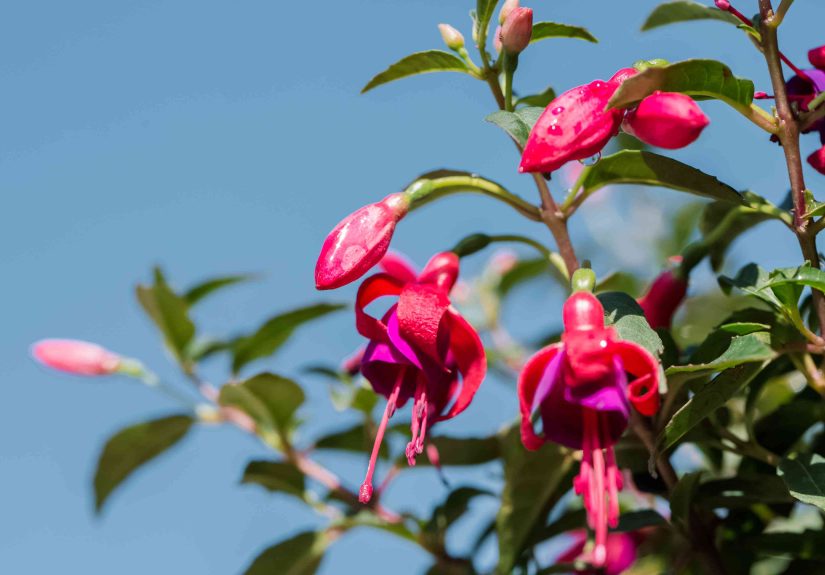
If you’ve ever seen a fuchsia in full bloom, you know the vibe: tiny ballerinas in ruffled skirts, dangling from baskets like they’re auditioning for a hummingbird talent show. And yet fuchsia has a reputation for being “fussy.” (Honestly? That’s just branding.) The truth is: once you give fuchsia what it wantscooler temps, bright shade, steady moistureit becomes one of the most rewarding flowering plants you can grow.
This guide covers the whole fuchsia life story: picking the right type, planting, watering, feeding, pruning, pest-proofing, and overwintering so you don’t have to rebuy the same plant every spring. We’ll keep it practical, detailed, and just funny enough that you’ll still be smiling while you pinch stems.
What “Fuchsia” Are We Talking About?
Most gardeners mean the classic hanging-basket fuchsias (often hybrids) with arching stems and pendulous flowers. These are typically tender perennialsthey love mild conditions and don’t tolerate freezing weather. There are also hardy fuchsias (like Fuchsia magellanica) that can survive winters in some regions if planted in the ground and protected. The care basics overlap, but overwintering strategies are different.
Tender vs. Hardy: A quick cheat sheet
- Tender fuchsia (most basket types): Treat as an annual outdoors in cold-winter areas, or overwinter indoors.
- Hardy fuchsia (some shrub-like types): Can return outdoors in milder zones; top growth may die back after frost, but roots can survive with mulch.
Choosing the Right Fuchsia for Your Space
Buying a fuchsia is like adopting a pet: pick the one that matches your lifestyle. (And yes, it will be dramatic if you forget to water.)
Pick a growth habit
- Trailing: Best for hanging baskets and window boxes. Flowers cascade over the edge.
- Upright: Great for pots, patio containers, or as a small shrub in mild climates.
- Semi-trailing: The “I can do both” optionnice in mixed containers.
If your summers are hot, choose smarter (not harder)
Fuchsias prefer cool days and cooler nights, and flowering can slow or stop in sustained heat. If you live where summer feels like you’re gardening on the surface of the sun, look for heat-tolerant cultivars (often with orange/red flowers) and plan on afternoon shade plus consistent moisture.
Light, Temperature, and Humidity: The Fuchsia Comfort Zone
If you remember only one thing, remember this: fuchsia is basically a cool-weather extrovert. It wants bright light, but not the kind that roasts it.
Light
- Outdoors: Bright shade or partial shade is idealespecially protection from hot afternoon sun.
- Indoors: Bright, indirect light near an east/west window works well. Direct midday sun through glass can be too intense.
Temperature
- Sweet spot: Mild days and cool nights are ideal.
- Heat reality check: If temperatures stay high, your fuchsia may pause flowering and focus on survival. (Same, honestly.)
Humidity
Higher humidity helps fuchsia keep buds and leaves. Outdoors, it’s usually fine in many regions if the plant isn’t baking in wind and sun. Indoorsespecially in air conditioning or winter heatdry air can contribute to leaf and bud drop. A pebble tray, grouping plants, or a small humidifier can help.
Soil and Planting: Rich, Moist, and Well-Drained
Fuchsia wants soil that holds moisture without turning into a swamp. That sounds contradictory until you remember the magic phrase: well-draining organic mix.
For containers
- Use a high-quality potting mix with good drainage.
- Make sure the pot has drainage holes (non-negotiable).
- In very hot climates, a slightly larger pot helps buffer roots from temperature swings.
For in-ground planting (especially hardy fuchsia)
- Choose a site with bright shade and consistently moist (not soggy) soil.
- Amend with compost for fertility and moisture retention.
- Mulch to protect roots and moderate soil temperature.
Watering: Keep It Even (Your Fuchsia Hates Plot Twists)
Most fuchsia problems start with water drama: too dry, then too wet, then too dry again. The goal is even moisture.
How to water like a pro
- Check first: Stick a finger into the soil. If the top inch feels dry, it’s watering time.
- Water thoroughly: Drench until water runs out the bottom (for pots), then let excess drain away.
- Never let it sit in water: Constantly wet roots invite rot.
Hanging baskets need extra attention
Wind + sun + small soil volume = faster drying. In warm spells, baskets may need water daily (sometimes twice). If your fuchsia wilts at midday but perks up in the evening, that’s often heat stress rather than permanent damagemove it to cooler shade and keep moisture steady.
Fertilizing: Feed for Flowers (But Don’t Overdo It)
Fuchsias are famously hungry, especially in containers where frequent watering washes nutrients out. Regular feeding keeps growth strong and blooms coming.
A simple feeding plan
- During active growth (spring through early fall): Use a balanced, water-soluble fertilizer on a regular schedule.
- “Weakly, weekly” works: Many gardeners prefer smaller doses more often instead of one big meal.
- Stop before overwintering: As fall approaches and you’re preparing the plant for rest indoors, reduce and then stop fertilizing.
Pro tip: If your fuchsia is leafy but stingy with blooms, ease up on high-nitrogen feeding and make sure it’s getting enough light (without harsh sun).
Pinching, Pruning, and Deadheading: The Secret to a Full, Bloomy Plant
If you want a fuchsia that looks like a lush floral waterfall instead of two sad strands doing their best, you need to pinch and prune.
Pinching (spring and early summer)
Pinching is simply removing the growing tip so the plant branches. More branches = more flower sites.
- When new shoots produce a couple sets of leaves, pinch the tip.
- Repeat during spring/early summer for a bushier plant.
- Stop pinching as you approach peak bloom season so the plant can set buds.
Deadheading (all season)
Remove faded flowers and any developing seedpods/berries. Seed-making tells the plant, “Mission accomplished,” and bloom production can slow down.
Pruning (timing matters)
- In colder climates outdoors: Wait until the danger of freezing temperatures has mostly passed, then prune for shape and to remove dead wood.
- For overwintered container fuchsias: You can prune hard before storage, then prune again lightly in late winter/early spring as new growth begins.
Summer Troubleshooting: When Your Fuchsia Gets Dramatic
Fuchsias are expressive. They will absolutely tell you when something’s off. Here’s how to interpret the performance.
Problem: Buds drop before opening
Common causes: heat stress, low humidity, drying out, overwatering, abrupt changes in environment.
Fix: move to cooler shade, keep soil evenly moist, protect from wind, and avoid big location changes once buds form.
Problem: Leaves turn yellow
Common causes: waterlogged soil, poor drainage, nutrient issues, or low light indoors.
Fix: confirm drainage, adjust watering, and feed lightly during active growth. Indoors, increase bright indirect light.
Problem: Wilting
Fast test: Check soil moisture. If it’s dry, water thoroughly. If it’s wet and the plant still wilts, roots may be stressedlet the mix dry slightly, improve airflow, and avoid keeping the pot soggy.
Pests and Diseases: What to Watch For
Most fuchsia pests are manageable if you catch them early and don’t let the plant get stressed. Stressed plants are basically a buffet.
Common pests
- Whiteflies: tiny white insects that flutter up when you bump the plant.
- Aphids: cluster on soft tips, causing curling leaves and sticky residue.
- Spider mites: more common in hot, dry conditions; look for stippling and fine webbing.
- Mealybugs/scale: cottony or armored spots on stems and leaf joints.
First-line control: rinse the plant with water, improve airflow, and use insecticidal soap or horticultural oil if neededalways follow label directions and test a small area first.
The big one: Fuchsia gall mite
If you garden in regions where fuchsia gall mite is common (notably cool-summer coastal areas), this pest can be a game-changer. It’s microscopic, but the damage is not subtle: distorted, thickened, galled growth and reduced flowering.
What helps:
- Prune aggressively: remove damaged growth well below visible symptoms and dispose of it (don’t compost).
- Hygiene matters: clean tools and avoid moving plant material between fuchsias.
- Consider resistant varieties: replacing a highly susceptible cultivar can save seasons of frustration.
- Targeted sprays: insecticidal soap or horticultural oil can suppress mites when applied thoroughly and repeatedly (per label).
Overwintering: Keep Your Fuchsia Alive (and Save Money)
In many parts of the U.S., fuchsia is sold like an annual. But you can keep it going year to year with a little planning. You have two main options: dormant storage or active indoor growth.
Option 1: Dormant overwintering (easiest for most people)
- Bring it in before frost.
- Reduce watering gradually as fall progresses.
- Prune back to a manageable framework (this also reduces pest hitchhikers).
- Store cool and dim: a frost-free basement, porch, or garage in the 40–50°F range is often ideal.
- Water sparingly: just enough to keep stems from shrivelingthink “small sips,” not “bottomless mimosa brunch.”
- Wake it up in late winter/early spring: move to brighter light, water more regularly, and start light feeding once new growth is underway.
Option 2: Keep it growing indoors (best with bright light + humidity)
If you have bright, indirect light and can keep temperatures mild, fuchsia can be maintained indoors. Expect less flowering than outdoors, and watch for pests. Keep the soil consistently moist but never waterlogged.
Hardy fuchsia overwintering outdoors
If you’re growing a hardy type in the ground, the top may die back after frost, but roots can survive with protection. Mulch well, avoid winter-wet soil, and prune in spring once you can see what survived.
Propagation: Make More Fuchsias (Because One Is Never Enough)
Fuchsia is very cooperative about cuttingsone of the most satisfying “plant math” projects you can do.
Softwood cuttings (late spring through summer)
- Take a cutting from fresh, non-woody growth (a few inches long).
- Remove lower leaves and insert into a moist, well-draining rooting medium.
- Cover loosely with a clear bag or dome to hold humidity (vent daily).
- Keep in bright, indirect light; roots often form in a few weeks.
- Pot up and pinch tips to encourage branching.
Design Ideas: Where Fuchsia Shines
Fuchsia is basically made for places people pass by slowly: porches, patios, balcony railings, and front steps where you want color at eye level (or hummingbird level).
Easy container pairings
- Classic shade basket: trailing fuchsia + lobelia + bacopa
- Bold foliage contrast: upright fuchsia + coleus + sweet potato vine
- Soft cottage vibe: fuchsia + impatiens + creeping Jenny
Quick Care Checklist (Print This in Your Brain)
- Light: bright shade / partial shade outdoors; bright indirect indoors
- Water: evenly moist, never soggy; baskets dry fast
- Feed: regular light fertilizing during active growth
- Pinch: spring/early summer for a fuller plant
- Deadhead: remove spent blooms and seedpods
- Heat plan: afternoon shade + hydration + airflow
- Overwinter: store cool and dim, water sparingly, wake up in spring
Field Notes: Real-World Experiences Growing Fuchsia (Extra )
Below are the kinds of “this actually happened” scenarios fuchsia growers commonly run intoplus what tends to fix things. Consider this the group chat where everyone admits what went wrong, so you don’t have to.
1) The Hanging Basket That Looked Great… Until Tuesday
A very common experience: you buy a full, blooming basket, hang it in a sunny spot, and it looks incredible for a few days. Then buds drop, leaves soften, and suddenly it’s giving “sad salad.” In many cases the culprit isn’t diseaseit’s the combo of wind, heat, and a small soil volume drying out faster than you expected. The fix usually isn’t complicated: move the basket into brighter shade (especially away from hot afternoon sun), water more consistently, and give it a deep soak rather than quick splashes. People are often shocked at how quickly a fuchsia rebounds once its roots stop riding the hydration roller coaster.
2) The “I Watered It, Why Is It Still Wilting?” Mystery
This one stumps gardeners because it feels unfair. You water, the soil is wet, and the plant still droops. Often, that points to stressed rootseither from poor drainage, a pot that stays soggy, or roots that have gotten too warm in a small dark container. A practical rescue story: switching to a pot with better drainage, refreshing the potting mix, and relocating the plant to a cooler spot can turn things around. The big lesson people report is that fuchsia wants moisture, but it also wants air in the root zone. “Wet” and “oxygen-poor” are not the same thing as “properly watered.”
3) The Summer Heat Wave Stall
Many growers notice fuchsia “freezing” in place during heat spikes: fewer blooms, slow growth, maybe a little leaf scorch. It’s easy to panic and start changing everything at once. But what tends to work is boring (and therefore effective): more shade, steady moisture, and patience until nights cool down. Some gardeners even temporarily move container fuchsias to a cooler microclimatenorth side of the house, under a tree canopy, or into a well-lit garage during extreme heat. When temperatures settle, flowering usually resumes.
4) The Overwintering Win (and the One Mistake That Ruins It)
People who successfully overwinter fuchsia often say the process feels almost too simple: prune, store cool and dim, water lightly every few weeks, then wake it up in late winter. The most common mistake is keeping the plant too warm and too wet in low lightbasically giving it “spring conditions” without enough sun to support growth. That can lead to weak, leggy shoots and higher pest pressure. The growers who win at overwintering treat dormancy like a real rest period, then increase light and water only when the plant is ready to grow again.
5) The Pest Wake-Up Call
It’s also common for gardeners to learnoncethat bringing a fuchsia indoors without checking for pests is like inviting a tiny, six-legged house party you didn’t plan. A quick inspection of leaf joints, a rinse, and addressing any issues before the plant comes inside can prevent weeks of battling whiteflies or aphids. The shared experience here is reassuring: pests happen, but they’re much easier to manage early, especially when the plant is otherwise healthy.
Conclusion
Fuchsia care boils down to a simple promise: give it cool-ish temps, bright shade, steady moisture, and a little grooming, and it will pay you back with nonstop blooms that look like living jewelry. Whether you’re growing a trailing basket on a porch, trying a hardy shrub in the ground, or keeping your favorite cultivar alive through winter, the key is consistencyespecially with water and heat protection. Once you dial in the basics, fuchsia stops being “fussy” and starts being the most charming overachiever on your patio.