Table of Contents >> Show >> Hide
- Meet Moss Rose: The Tiny Plant With Big Summer Energy
- Best Growing Conditions for Moss Rose
- How to Plant Moss Rose
- Watering Moss Rose: The Art of Not Overdoing It
- Fertilizing: Why “Lean and Mean” = More Blooms
- Deadheading and Pruning: Keeping Flowers Coming
- Growing Moss Rose in Pots, Hanging Baskets, and Rock Gardens
- Propagation: How to Get More Moss Rose for Free
- Common Moss Rose Problems (and Easy Fixes)
- Landscape Ideas: Where Moss Rose Looks Best
- Pet Safety Note
- End-of-Season Care: What to Do in Fall
- Real-World Growing Notes: Experiences That Make Moss Rose Easier
- Conclusion
If your garden has a spot that’s basically a solar ovenblazing sun, stingy soil, and heat that makes even weeds reconsider
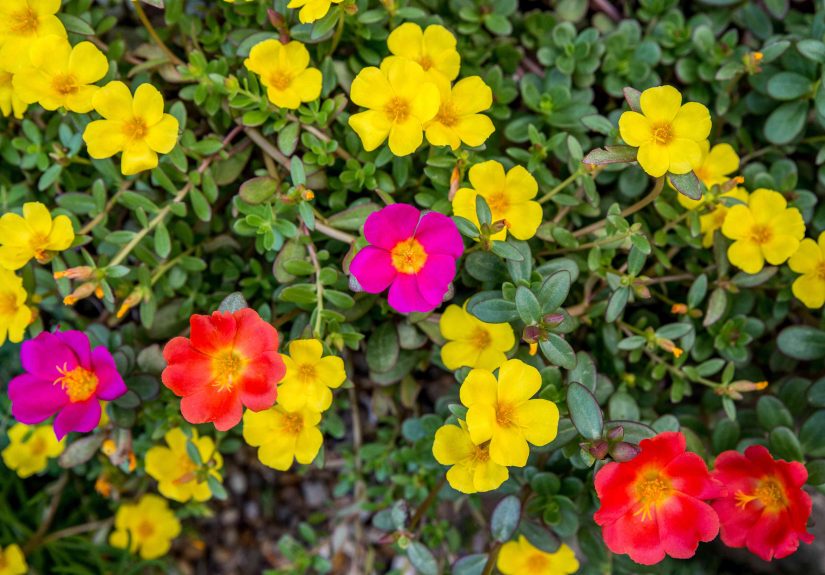
moss rose is the plant that shows up wearing sunglasses. Also called portulaca, moss rose (most commonly
Portulaca grandiflora) is a low-growing, succulent annual that pumps out bright, jewel-tone blooms with surprisingly
little fuss. The big secret? It doesn’t want pampering. It wants sunshine, drainage, and a gardener who can resist the urge
to “just give it a little more water.”
In this guide, you’ll learn exactly how to grow and care for moss rosefrom seeds or starter plantsplus practical fixes for
common problems (like “Why are my flowers closed?” and “Did I love this plant to death?”). We’ll also finish with a longer
“real-world experiences” section so you can avoid the most common moss rose mistakes before they happen.
Meet Moss Rose: The Tiny Plant With Big Summer Energy
Moss rose is a warm-season bloomer with fleshy leaves and stems that store water, which is why it thrives in hot, dry
conditions. Most varieties stay low (a few inches tall) and spread outward, making them excellent for edging, rock gardens,
sunny slopes, and containers where they can spill over the side.
One quirky trait you’ll quickly notice: moss rose flowers love bright light. Many varieties open wide in full sun and tend to
close during cloudy weather, late afternoon, or shade. If you’ve ever walked outside on a gray morning and thought,
“My plant is broken,” congratulationsyou’re officially a gardener.
Moss Rose vs. Purslane: Are They the Same?
Moss rose is in the same genus as purslane (Portulaca), which can cause name confusion at garden centers and online.
Ornamental moss rose is typically Portulaca grandiflora, grown for flowers. Common purslane is often
Portulaca oleracea, a plant many people know as an edible (and sometimes weedy) groundcover. They’re related, but
they don’t behave exactly the same, so it helps to know which one you’re plantingespecially if you’re planning a flower bed
and not a surprise salad bar.
Best Growing Conditions for Moss Rose
Sunlight: Give It the Brightest Spot You’ve Got
For strong growth and nonstop blooms, moss rose needs full sunthink at least 6–8 hours of direct light per day. In shade,
it tends to get leggy, produce fewer flowers, and keep blooms closed more often. If you’re choosing between a “pretty” spot
and a “hot, harsh” spot, moss rose will take the harsh spot and thank you with flowers.
Soil: Drainage Beats “Good Dirt” Every Time
Moss rose is famous for thriving in lean, sandy, gravelly, or rocky soils, as long as the site drains well. It can handle poor
to average soil (sometimes better than rich soil), but it struggles in heavy clay or constantly damp beds. The fastest way to
disappoint a moss rose is to plant it somewhere that stays wet after rain.
- Ideal soil: sandy or gritty, well-drained
- Okay soil: average garden soil that doesn’t hold water
- Risky soil: heavy clay, low spots, or beds with slow drainage
Temperature and Hardiness: It Loves Heat, Hates Frost
Moss rose is typically grown as an annual in most of the United States. It thrives when days are warm and nights are mild.
Frost can knock it out, so planting is best after your last frost date, once soil has warmed. In very warm climates, it may
reseed readily and return the next year from dropped seed (sometimes with a fun “surprise color” twist).
How to Plant Moss Rose
Option 1: Plant Nursery Starts (Fastest Flowers)
If you want blooms quickly, start with nursery transplants. Wait until after the last frost, then plant in full sun. Moss rose
doesn’t love having its roots messed with, so handle the root ball gently and avoid aggressive teasing.
- Choose a sunny spot with quick-draining soil.
- Space plants about 8–12 inches apart so they can fill in.
- Water once after planting to settle soil around the roots.
- Then back offlet the top layer dry before watering again.
Option 2: Grow Moss Rose From Seed (Budget-Friendly and Fun)
Moss rose seeds are tiny. Like “did I actually sprinkle anything?” tiny. They germinate best with warmth and light, so don’t
bury them deeply. You can sow directly outdoors after frost, or start indoors for earlier blooms.
- Direct sow: After last frost, scatter seed on prepared soil and barely cover (or just press into the surface).
- Start indoors: About 4–8 weeks before your last frost date, sow on the surface and provide bright light and warmth.
Keep the surface slightly moist until germination, then reduce watering. Once seedlings have a few sets of true leaves, thin
or transplant carefully. Moss rose seedlings can be a bit dramatic about transplanting, so be gentle and move them when
they’re still small.
Watering Moss Rose: The Art of Not Overdoing It
Moss rose is drought tolerant once established, which is gardener-speak for “it won’t faint if you miss a watering.”
Overwatering is the more common problemespecially in heavy soil or humid, rainy stretchesbecause soggy conditions can
lead to root or crown rot.
A Simple Watering Rule
In the ground: Water during establishment (the first week or two), then water only when the soil is dry and the plant looks thirsty.
In containers: Water more often than in beds, but still allow the potting mix to dry somewhat between waterings.
Always make sure the pot has drainage holes.
If you’re unsure, err on the dry side. Moss rose is built for it.
Fertilizing: Why “Lean and Mean” = More Blooms
Moss rose generally prefers lean conditions. Too much fertilizerespecially high nitrogencan push lots of leafy growth with
fewer flowers. If your soil is extremely poor and the plant looks stalled, a light feeding once mid-season can help, but keep
it modest.
- Best approach: Skip fertilizer in average soil.
- If needed: Use a light, balanced feed once (or a slow-release at planting) and stop there.
- Avoid: Heavy compost layering or frequent liquid feeding.
Deadheading and Pruning: Keeping Flowers Coming
Many moss rose varieties are fairly self-cleaning, meaning old flowers drop without much help. But a little grooming can
improve bloom and shapeespecially if your plants get leggy or slow down in midsummer.
When Blooms Slow Down, Try the “Summer Haircut”
If flowering dips, shear or trim the plants back (up to about a third or even half, if they’re really stretched). Removing
spent flowers and seed heads can encourage a fresh flush of growth and blooming. This also helps reduce self-seeding if you
prefer your garden to be less “choose your own adventure” next spring.
The good news: moss rose is tough. A haircut won’t offend it. It’s not a divait’s a desert athlete.
Growing Moss Rose in Pots, Hanging Baskets, and Rock Gardens
Moss rose is a container superstar because it loves heat and drains quickly in a well-designed pot. It also looks fantastic
spilling over edges, softening stone borders, and filling cracks where other plants would throw in the towel.
Container Tips That Actually Matter
- Use a pot with drainage holes. Non-negotiable.
- Choose a gritty potting mix (or mix in perlite/pumice for faster drainage).
- Don’t oversize the pot. Huge pots stay wet longer; moss rose prefers a faster dry-down cycle.
- Water thoughtfully. Containers dry faster, but soggy soil still causes trouble.
Propagation: How to Get More Moss Rose for Free
Saving Seed (and Letting It Self-Seed)
Moss rose often produces plenty of seed. You can let plants self-seed (common in warm areas), or collect seed at the end of
the season to sow next year. If you’re saving seed, wait until seed pods dry, then collect and store in a cool, dry place.
Starting from Cuttings
In warm weather, many portulaca types can root from cuttings. Snip a healthy stem, remove a few leaves near the base, and
place it into a gritty, lightly moist mix. Keep it bright and warm. Once rooted, treat it like a normal plantmeaning: don’t
drown it.
Common Moss Rose Problems (and Easy Fixes)
“My Flowers Aren’t Open!”
This is usually not a crisis. Moss rose flowers often close when light is lowcloudy weather, shade, late day, or storms.
If it’s consistently closed, check sunlight first. Less than full sun is the #1 reason for disappointing bloom performance.
Leggy, Sparse Growth
- Cause: Not enough sun, too much fertilizer, or crowded plants.
- Fix: Move to a sunnier spot next season, reduce feeding, and trim plants back midseason to encourage branching.
Rot or Mushy Stems
- Cause: Overwatering or poorly drained soil.
- Fix: Improve drainage, water less, switch to containers or raised beds, and avoid low spots that stay wet.
Pests: Usually Minor, Sometimes Annoying
In the right conditions, moss rose is often close to problem-free. When pests show up, they’re commonly sap-suckers like
aphids or occasional issues like mealybugs or mites. If you see pests, start with the gentlest solutions: a strong spray of
water, removing heavily infested stems, and encouraging beneficial insects. Avoid turning your garden into a chemical
battleground unless you truly need to.
Landscape Ideas: Where Moss Rose Looks Best
Moss rose shines where other flowers strugglehot borders, sunny driveway strips, rocky slopes, and the “oops, we forgot to
amend this bed” zone. It’s also a favorite for rock gardens and crevice gardens, where its succulent stems look right at home.
Great Pairings for Moss Rose
Pair it with other sun-loving, drought-tolerant plants that won’t demand constant moisture. Think sedum, lantana, verbena,
gazania, angelonia, or ornamental grasses in larger beds. In containers, mix it with other heat lovers (and make sure your
watering routine fits everyone in the pot).
Pet Safety Note
If you have pets that chew plants, use caution. Some Portulaca species (notably Portulaca oleracea) are listed
as toxic to cats, dogs, and horses by animal poison-control resources. If you’re unsure, place moss rose where pets can’t
snack on it, and contact your veterinarian promptly if ingestion happens.
End-of-Season Care: What to Do in Fall
Moss rose is typically treated as a summer annual. When temperatures drop and frost arrives, plants usually decline. You can:
- Let it self-seed (if you don’t mind volunteers next year).
- Collect seed and store it for spring sowing.
- Take cuttings late summer and try rooting them indoors (best in bright light).
Either way, consider moss rose a “summer specialist.” It’s not built for winter heroicsbut it’s unbeatable in heat.
Real-World Growing Notes: Experiences That Make Moss Rose Easier
Gardeners who fall in love with moss rose usually do so after watching it succeed in the exact spot where other annuals quit.
One common pattern: the first season is all about learning what moss rose doesn’t want. Most people don’t lose moss
rose to pests. They lose it to kindnessspecifically, frequent watering and rich soil. Once gardeners see that the plant
actually blooms better when conditions are a little tough, everything clicks.
A classic moss rose “aha” moment happens after a rainy week. The bed that normally bakes in sun is suddenly damp every day,
and moss rose starts looking tired or mushy while other flowers look thrilled. That contrast teaches a key lesson: drought
tolerance doesn’t just mean it can survive dry weather; it also means it’s less tolerant of soggy roots. In many gardens,
the best fix is not a fancy productjust a move to a slightly higher spot, a raised edge, or a container with a grit-heavy mix.
Another experience many gardeners report: blooms can feel “unpredictable” until you realize the flowers are basically solar
powered. On bright days, the plants look like confetti. On cloudy days, blooms may stay shut, which can make beginners think
they did something wrong overnight. But once you know moss rose is responding to light, you stop blaming yourself and start
enjoying the rhythm. Some gardeners even plan placement based on thisputting moss rose where it gets the strongest midday
sun, so the flowers are open during the hours they’re most likely to be outside.
In containers, the most valuable hands-on lesson is drainage design. Moss rose will tolerate missed waterings better than it
will tolerate a pot with no drainage holes. Gardeners who switch from a decorative (but sealed) container to a real draining
pot often see an immediate improvement: firmer stems, stronger color, and longer blooming. A second helpful container trick
is right-sizing. Oversized pots hold moisture longer, especially after thunderstorms. Many gardeners notice moss rose looks
happiest in a pot that dries at a reasonable pacebig enough for roots, but not so big it stays damp for days.
Then there’s the “summer haircut” lesson. When moss rose gets leggy, gardeners sometimes assume the season is done. But in
practice, trimming it back can restart blooming, especially if the plant is healthy but stretched from heat or mild shade.
People who try shearing once are often surprised by how quickly new growth appears. The plant’s toughness becomes obvious:
it’s not delicate, it’s pragmatic. Cut it back, give it sun, and it often rebounds with a fresh wave of flowers.
Finally, gardeners with long growing seasons often learn to embrace self-seedingselectively. Moss rose volunteers can be a
cheerful bonus, but they won’t always pop up exactly where you’d design them. Some gardeners let a small patch self-seed in a
“casual” area (like a gravel strip or a rock garden), then collect seed from favorite colors for intentional planting next
year. That balanceletting moss rose be easy while still guiding the showtends to be the sweet spot for long-term success.
Conclusion
Moss rose is the ultimate proof that “low maintenance” doesn’t have to mean “low impact.” Give it full sun, fast-draining
soil, and a watering routine that respects its succulent nature, and it will reward you with months of color. When problems
happen, the fixes are usually simple: more sun, less water, and better drainage. Once you stop trying to treat moss rose like
a thirsty, compost-hungry annual, it becomes one of the most reliable summer bloomers you can grow.