Table of Contents >> Show >> Hide
- Meet Quinoa: A “Grain” That Isn’t a Grain
- Can Quinoa Grow Where You Live? The Climate Reality Check
- Choosing Quinoa Varieties (and Why Store-Bought Seeds Usually Flop)
- Where to Plant Quinoa
- When to Plant Quinoa
- How to Plant Quinoa (Depth, Spacing, and the “Don’t Bury It” Rule)
- Watering: Enough to Grow, Not Enough to Rot
- Fertilizing: Don’t Turn Quinoa into a Leafy Giant with No Seeds
- Weeding and Mulching: The Part Everyone Wants to Skip (Don’t)
- Staking and Support: Because Seed Heads Get Heavy
- Pests and Diseases: What to Watch For
- Harvesting Quinoa: The “Paper Bag” Moment
- Cleaning Quinoa: Removing Saponins Without Losing Your Mind
- Saving Seed for Next Season
- Cooking and Using What You Grow
- Quick FAQ
- Experience Notes: of Real-Life Quinoa Lessons
- Conclusion
- SEO Tags
Quinoa (pronounced keen-wah) is that pantry staple you bought with good intentions, cooked once, and then left to stare at you from the cabinet like a tiny judgmental trophy. The good news: it’s also a genuinely fun plant to growtall, colorful, surprisingly tough, and productive enough to make you feel like a small-scale agricultural genius.
This guide walks you through how to grow and care for quinoa in a home gardenfrom picking the right varieties and planting at the right time, to harvesting, cleaning, and actually enjoying what you grew. Expect clear steps, honest warnings (heat happens), and a few jokes because gardening is already dramatic enough.
Meet Quinoa: A “Grain” That Isn’t a Grain
Quinoa is a pseudocereal: it’s used like a grain, but it doesn’t come from a grass like wheat or oats. Botanically, it’s in the same broader plant family group as familiar garden crops like spinach and beets, and it’s closely related to the common weed lambsquarters. That means quinoa can look like a polite, ornamental cousin of plants you may already be pulling out of your beds. (Family reunions are awkward.)
Bonus: quinoa leaves are edible when youngthink “spinach-like” in salads or sautés. And quinoa seeds are naturally coated with compounds called saponins that taste bitter/soapy but help deter pests. You’ll remove most of that after harvest (more on that later).
Can Quinoa Grow Where You Live? The Climate Reality Check
Quinoa’s sweet spot is a cool-to-mild growing season with plenty of sun and relatively low humidity. It can handle light frosts as a seedling, but it tends to struggle when summer turns into a sweaty saunaespecially during flowering and seed set.
Quinoa tends to thrive if:
- You get cool springs and moderate summers.
- Your garden has full sun and well-drained soil.
- You can keep weeds down early (quinoa starts slow, like a teenager waking up).
Quinoa can be tricky if:
- Your summer highs regularly sit in the 90s°F with heavy humidity.
- Late-season rains are common (wet seed heads can sprout or mold).
- You can’t give it a long enough season for your chosen variety.
The workaround in warmer areas is to choose early-maturing varieties, plant as early as your soil conditions allow, and aim to have flowering happen before the worst heat arrives.
Choosing Quinoa Varieties (and Why Store-Bought Seeds Usually Flop)
Quinoa isn’t one-size-fits-all. Some types are more sensitive to day length and summer conditions, and some varieties sold for food aren’t great for home-garden performance. In short: quinoa from the grocery store may be poorly suited for planting, may have low germination, or may be the wrong type for your latitude.
For best results, buy seeds from reputable garden seed sellers that list traits like:
days to maturity, heat tolerance, and whether the variety is more day-neutral (less picky about daylight hours).
Variety tips that actually help
- Short season? Choose early varieties (often ~90–110 days).
- Cool summer region? You can experiment with longer-season types.
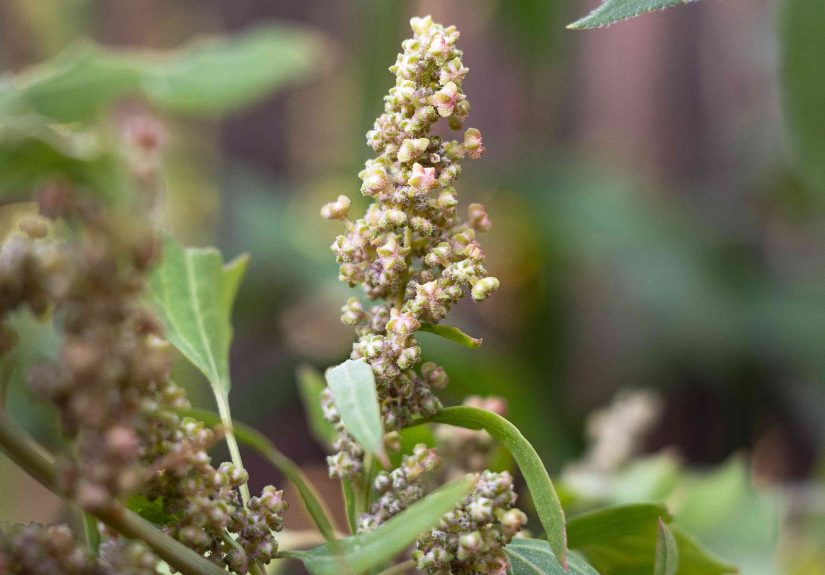
- Want beauty + function? Many quinoa varieties have stunning seed heads in reds, golds, pinks, and purples.
Where to Plant Quinoa
Sun
Quinoa prefers full sun. More sun generally means sturdier growth and better seed production. If you’re in a very hot region, a touch of late-afternoon shade can reduce stress, but don’t plant it in full shade and expect miracles.
Soil
Quinoa does best in well-drained soil. It’s fairly tolerant once established, but it does not love sitting in wet feet. Aim for a loose, crumbly seedbedespecially because quinoa seed is small and needs shallow planting.
Fertility-wise, quinoa isn’t the kind of plant that demands a five-course meal. Overdoing nitrogen can push lush leafy growth that flops over (called lodging) instead of focusing energy on seed heads.
Raised beds vs. in-ground
If your soil stays wet in spring or you have heavy clay, quinoa often performs better in raised beds or mounded rows because drainage improves dramatically.
When to Plant Quinoa
A practical rule: plant quinoa in early spring when the soil is workable and no longer soggy. Quinoa germinates well in cool soil, and seedlings can handle light frostsso it’s often treated like a cool-season crop.
Timing strategies
- Cool climates: Plant as soon as the soil can be worked.
- Warm climates: Plant early enough so flowering happens before peak summer heat.
- Short growing season: Prioritize early varieties and avoid late planting.
How to Plant Quinoa (Depth, Spacing, and the “Don’t Bury It” Rule)
Quinoa seed is small. Small seed has one job: sprout. If you bury it too deep, it will file a complaint and refuse to come up.
Planting depth
Sow quinoa about ¼ to ½ inch deep in a fine seedbed. If your soil crusts easily, stick closer to the shallower end and keep the surface evenly moist during germination.
Spacing
You have two workable approaches:
- Broadcast/sow thickly and then thin seedlings to about 10–12 inches apart.
- Seed in rows (often 12–24 inches between rows) and thin as needed for airflow and ease of weeding.
Germination
Under decent conditions, quinoa can sprout quickly. Keep soil lightly moist (not swampy), especially the first couple of weeks.
Can you transplant quinoa?
Yes, you can start quinoa in small containers and transplant when seedlings have several true leaves, but direct seeding is usually simpler. If you transplant, do it gentlyquinoa doesn’t love rough handling.
Watering: Enough to Grow, Not Enough to Rot
Quinoa likes consistent moisture early, then becomes more drought-tolerant once established. The big mistakes are:
letting seedlings dry out and overwatering mature plants.
A practical watering rhythm
- Weeks 1–3: Keep the top inch of soil lightly moist.
- After establishment: Water deeply when the soil dries several inches down.
- As seed heads mature: Reduce irrigation; wet seed heads can lead to sprouting or quality problems.
Fertilizing: Don’t Turn Quinoa into a Leafy Giant with No Seeds
If you amended your bed with compost, you may not need more. Quinoa often performs well with modest fertility. If your soil is extremely poor, a light, balanced fertilizer early can help, but avoid heavy nitrogen feeding. You’re aiming for sturdy growth and seed production, not a quinoa jungle that needs a permit.
Weeding and Mulching: The Part Everyone Wants to Skip (Don’t)
Quinoa seedlings can grow slowly at first, which means weeds see an opening and move in like they’re paying rent. Early weed control is one of the biggest differences between a happy harvest and a sad garden autobiography.
Weed-control tactics that work
- Shallow hoeing while weeds are tiny.
- Mulch between rows once plants are established (straw, shredded leaves, untreated grass clippings).
- Consistent thinning so quinoa plants aren’t competing with each other and weeds at the same time.
Staking and Support: Because Seed Heads Get Heavy
Many quinoa plants grow 3–6 feet tall and can become top-heavy as seed heads form. In windy sites or fertile soil, staking can prevent lodging. A simple bamboo stake, a tomato cage, or a string line between posts can save your harvest from becoming bird-accessible “garden confetti.”
Pests and Diseases: What to Watch For
Quinoa has some natural protection thanks to saponins, but it’s not pest-proof.
Common garden pests
- Aphids: Usually cluster on tender growth; blast with water, encourage ladybugs, or use insecticidal soap if needed.
- Leaf miners: You’ll see squiggly tunnels in leaves. Remove heavily affected leaves and keep plants vigorous.
- Flea beetles: Tiny jumpy beetles that chew small holes in leavesmost damaging on young seedlings. Row covers early in the season can help a lot.
Disease and environment issues
- Damping off: A seedling disease encouraged by cold, wet soil and poor airflow. Plant shallow, avoid soggy soil, and thin seedlings.
- Downy mildew/leaf spots: More likely in humid conditions. Improve airflow, water at the base, and avoid overcrowding.
- Heat stress: High heat during flowering can reduce seed set. The best “treatment” is variety choice and planting time.
Harvesting Quinoa: The “Paper Bag” Moment
Quinoa is usually ready in late summer to early fall, depending on variety and planting time. You’ll know you’re close when:
- Leaves yellow and drop off.
- Seed heads look dry and feel firm.
- Seeds resist denting with a fingernail and rub off the head when handled.
How to harvest
- Choose a dry day. Moisture at harvest makes everything harder.
- Cut the seed heads (or the upper portion of the plant) into a bin or onto a tarp.
- Dry further if needed in a well-ventilated area out of direct rain and heavy humidity.
- Thresh by rubbing seed heads with gloved hands or gently stomping on a tarp.
- Winnow by pouring the seed/chaff mix between buckets in a light breeze or in front of a fan (slowly, unless you enjoy sweeping).
Pro tip: birds love quinoa. If you notice increased “avian interest” as heads mature, use netting or harvest slightly earlier and finish drying indoors.
Cleaning Quinoa: Removing Saponins Without Losing Your Mind
Homegrown quinoa usually needs a good wash because the seed coat often retains saponins. Saponins foam in water (like mild soap) and can taste bitter.
Simple rinse method
- Put dry seeds in a fine-mesh strainer.
- Rinse under cold water while rubbing seeds gently with your fingers.
- Keep rinsing until the water runs clearer and foams less.
- Drain well, then dry completely before storage (spread on a towel or baking sheet in a dry room).
If you’ve only cooked packaged quinoa, you may have seen labels like “pre-rinsed.” Homegrown quinoa typically isn’t pre-anythingexcept “pre-delicious,” if you did your harvest timing right.
Saving Seed for Next Season
Saving quinoa seed is doable, but it works best when you keep things clean and intentional:
- Rogue lambsquarters (pull it) near your quinoa to reduce the chance of mixing seeds and to keep your saved seed true-to-type.
- Select the best plants (healthy, upright, good seed heads) for saving seed.
- Dry thoroughly before storing.
- Store in a cool, dry, dark place in a labeled airtight container.
Cooking and Using What You Grow
Once rinsed and dried, quinoa can be cooked like rice: simmer until tender and fluffy. Your homegrown harvest may vary slightly in texture and flavor based on variety. You can also toast it for a nuttier taste, grind it into flour, or use it in salads, soups, and breakfast bowls.
Don’t forget the leaves
Young quinoa greens can be harvested sparingly and cooked like spinach. Treat them like a “bonus crop,” not a constant haircutseed production depends on healthy leaf growth.
Quick FAQ
How long does quinoa take to grow?
Many garden-friendly varieties mature in roughly 90–120 days, depending on variety and conditions.
How much quinoa does one plant produce?
It varies widely with spacing, fertility, and weather. In home gardens, a rough expectation is that one plant can yield a small handful to a few ounces of seed.
Can quinoa grow in containers?
Yesuse a large container (think 10 gallons or bigger), keep up with watering, and provide support for tall growth.
Experience Notes: of Real-Life Quinoa Lessons
If you want quinoa to feel “easy,” treat the first month like you’re running a small plant daycare. In practical terms: keep the soil lightly moist, weed early and often, and don’t assume quinoa will “figure it out” on its own just because it looks rugged in photos.
One of the most common beginner surprises is how️how tiny quinoa seed is. It’s not “sprinkle a few seeds” tinyit’s “did I actually plant anything?” tiny. The temptation is to overcompensate by planting deeper. Resist. The best stands often come from barely covering the seed, then gently firming the soil so there’s good contact. If your soil tends to crust after watering, a light cover of fine compost can help keep the surface from turning into a seedling-blocking sidewalk.
Another lesson: thinning is not optional. When quinoa comes up thick, it looks adorablelike a tiny green crowd cheering you on. But crowded quinoa competes for light, air, and water, and you end up with spindly plants that lodge when seed heads form. Thin early, and thin again if needed. You’ll feel slightly cruel for five minutes, then grateful for the next three months.
Many gardeners also discover that quinoa’s “slow start” is really a weed-control test disguised as a crop. If you stay on top of weeds for the first few weeks, quinoa eventually takes off and shades the soil better. If you ignore weeds early, quinoa spends the rest of the season fighting for space like it’s trying to get a seat on a crowded subway. A simple routineten minutes with a hoe every few daysbeats a weekend-long battle later.
Weather is the wild card. In cooler regions, quinoa can feel almost carefree once established. In hotter regions, it becomes a timing puzzle: plant early, choose early varieties, and hope flowering doesn’t collide with peak heat. If you’ve ever watched a plant look fine all week and then suddenly act offended by Tuesday’s forecast, you’ll understand why planting date matters so much.
Finally, harvesting teaches patience. Quinoa seed heads can look “ready” before they’re truly dry. When you harvest slightly early, you can finish drying indoorsespecially helpful if rain is coming. And once you thresh and rinse your first batch successfully, you’ll realize the real payoff isn’t just the quinoa. It’s the feeling that you turned a tiny seed into dinner using nothing but sun, soil, and stubbornnessbasically the gardener’s version of magic.
Conclusion
Growing quinoa at home is a satisfying mix of practical gardening and small-scale adventure. Give it sun, well-drained soil, early weed control, and sensible wateringand it will reward you with beautiful seed heads and a harvest that feels both nutritious and ridiculously cool. Start with a variety suited to your climate, plant shallow, thin like you mean it, and harvest before wet weather can ruin the party. Then rinse those seeds, cook them up, and enjoy the rare pleasure of eating something that used to be standing six feet tall in your backyard.