Table of Contents >> Show >> Hide
- Sensitive Plant at a Glance (Cheat Sheet)
- Meet the Plant: What Makes It “Sensitive”?
- Light: The #1 Secret to a Happy Sensitive Plant
- Soil: Drainage Matters More Than Fancy Ingredients
- Water: “Consistently Moist” Does Not Mean “Swamp”
- Temperature and Humidity: Keep It Warm, Not Windy
- Fertilizer: Light Feeding (If Any) Wins
- Pruning and Training: How to Prevent the “Sad Stick” Look
- Potting and Repotting: Fast Grower, Small-Pot Friendly
- Propagation: Seeds Are the Easiest (and Kind of Addictive)
- Common Pests and Problems (and What to Do)
- Indoor vs. Outdoor Growing (U.S. Perspective)
- Responsible Growing: Invasiveness and “Don’t Be That Neighbor” Energy
- Pet and People Safety: A Sensible, Low-Drama Approach
- Conclusion: The Sensitive Plant Is a Tiny Science Exhibit You Can Water
- Grower Notes: Real-World Experiences and Lessons (500+ Words)
If you’ve ever wanted a houseplant that reacts faster than your group chat, meet the sensitive plant
(Mimosa pudica). Touch its feathery leaflets andwhooshthey fold up like they just heard someone say,
“We need to talk.” A few minutes later, it reopens and carries on like nothing happened.
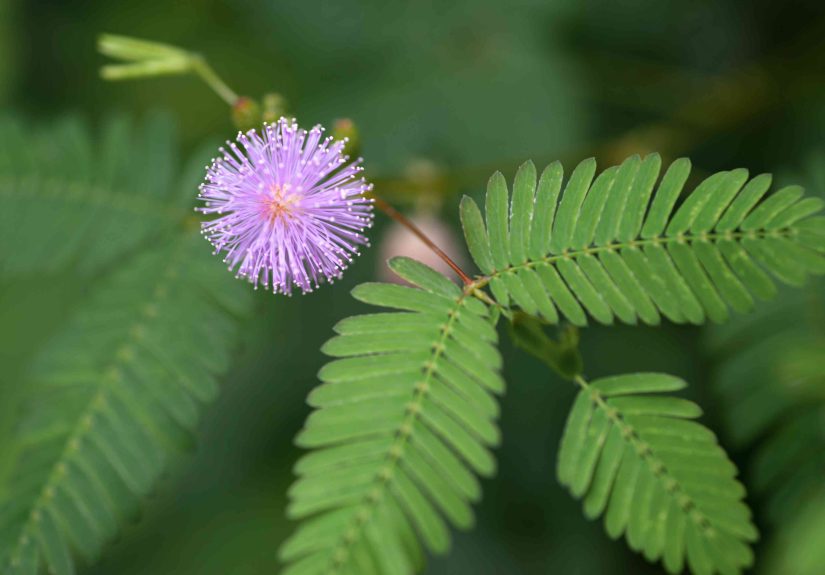
Beyond the party trick, Mimosa pudica is a legit, lovely plant with puffball pink-purple flowers,
ferny foliage, and a surprisingly specific list of “please don’t do that” preferences. The good news:
once you get its basics right (light, warmth, even moisture, and decent drainage), it’s very doable
and ridiculously fun to grow.
Sensitive Plant at a Glance (Cheat Sheet)
- Common name: Sensitive plant, touch-me-not plant
- Botanical name: Mimosa pudica
- Light: Bright light; happiest with long days of light
- Water: Even moisture, but never soggy soil
- Soil: Well-draining potting mix; add perlite for extra drainage
- Temp: Warm; avoid chilly drafts and cold rooms
- Humidity: Moderate to higher humidity is a plus
- Growth habit: Can get leggy without pruning; can trail/creep
Meet the Plant: What Makes It “Sensitive”?
Sensitive plant leaf movement is powered by specialized “joints” called pulvini.
When the plant is stimulated (touch, vibration, sudden change in light), ions move in and out of
motor cells, water follows osmotically, and the leaflets temporarily lose turgor pressureso they fold and droop.
It’s plant hydraulics doing interpretive dance.
Why it closes up
- Touch or shaking: The classic “fold up” response.
- Nighttime: It also closes on a daily rhythm (a normal “sleep” movement).
- Stress signals: Low hydration or environmental stress can change how strongly it responds.
One important note: closing its leaves costs energy. So yes, it’s okay to demonstrate the trickbut
don’t turn your plant into a 24/7 fidget toy. (Save that job for a stress ball.)
Light: The #1 Secret to a Happy Sensitive Plant
If Mimosa pudica had a dating profile, it would say: “Seeking bright light. Serious inquiries only.”
In practice, it does best when it gets lots of light every day. Indoors, put it right by your brightest window.
How to tell if light is wrong
- Leggy, stretched stems: Not enough light (it’s reaching).
- Leaflets stay closed during the day: Often a sign it’s not getting enough light.
- Slow growth + no blooms: Frequently light-related, especially indoors.
Practical tip: if your best window still feels “meh,” a simple grow light can help. You’re not cheating.
You’re providing a tiny indoor sun. Very modern. Very responsible.
Soil: Drainage Matters More Than Fancy Ingredients
Sensitive plant likes moisture, but it does not like wet feet. That means your potting mix needs to drain well,
and your container must have drainage holes. A standard commercial potting mix works, and you can improve it by
mixing in perlite for extra air and drainage.
A simple, reliable potting mix
- 2 parts all-purpose potting mix
- 1 part perlite (or another drainage booster)
- Optional: a small amount of peat-based component if your mix is heavy
Avoid compacted soil or a pot that stays wet for days. If water drains slowly and the mix feels dense, loosen it up.
Water: “Consistently Moist” Does Not Mean “Swamp”
The goal is even moisture, with brief dry-down at the surface. Water when the top layer starts to dry,
then water thoroughly so excess drains out. Do not let the pot sit in standing waterroot rot is not the vibe.
Watering rhythm that works for most homes
- Spring–summer: Water when the surface begins to dry; keep the mix lightly, evenly moist.
- Fall–winter: Water a bit more sparingly (growth slows indoors).
Signs you’re over- or under-watering
- Overwatering: Yellowing lower leaves, soggy soil smell, droop that doesn’t “bounce back.”
- Underwatering: Crispy leaf tips, quick wilting, very dry mix pulling away from pot edges.
Bonus science-y insight: because the leaf-folding depends on turgor pressure, dehydration can make the plant less
responsive. If it’s not “doing the trick,” hydration (and overall stress) is worth checking.
Temperature and Humidity: Keep It Warm, Not Windy
Sensitive plant is tropical and frost-tender. Indoors, it’s happiest in warm, stable temperaturesthink “comfortable
for humans in a T-shirt,” not “drafty hallway in winter.”
Temperature tips
- Aim for warm indoor temps; avoid letting it drop into cold territory.
- Keep it away from AC blasts, heater vents, and frequently opened cold doors.
- If you grow it outdoors seasonally, bring it inside before nights get cool.
Humidity tips
- Average household humidity can work, but it often thrives with more.
- If your home is dry, use a pebble tray or a humidifier nearby.
- Grouping plants together can raise local humidity a bit.
Fertilizer: Light Feeding (If Any) Wins
Sensitive plant naturally tolerates lean conditions and generally doesn’t need heavy fertilizing. If you want faster growth
or you’re growing in a small pot long-term, feed lightly during active growth (spring/summer).
Simple feeding plan
- Use a diluted liquid fertilizer during the growing season (think “half-strength,” not “protein shake”).
- Skip or reduce feeding in fall and winter.
- Always water before fertilizing to avoid stressing roots.
Pruning and Training: How to Prevent the “Sad Stick” Look
Indoors, Mimosa pudica can get leggyespecially if light isn’t intense enough. Pruning (or pinching tips)
encourages branching and a fuller shape. Because it can creep or trail, you can also let it spill from a pot or give it
a small support to climb.
Pruning rules that keep it happy
- Pinch growing tips to encourage bushiness.
- Trim trailing stems if you want a neater, compact plant.
- Do major pruning during active growth for faster recovery.
Potting and Repotting: Fast Grower, Small-Pot Friendly
Sensitive plant can grow quickly and may need repotting when roots start showing through drainage holes.
However, it doesn’t always want an oversized pot. A moderately sized container plus regular pruning often works better
than “moving up” too aggressively.
Repotting tips
- Move up one pot size at a time.
- Use fresh, airy mix to reset drainage.
- Expect a little droop after repottingthen recovery once it settles.
Propagation: Seeds Are the Easiest (and Kind of Addictive)
Sensitive plant is most reliably propagated from seed. The seeds have a tough coat, so a little pre-treatment helps
them germinate faster and more evenly.
How to grow sensitive plant from seed (step-by-step)
- Scarify or soak: Lightly nick the seed coat or soak seeds overnight in water.
- Sow shallow: Place seeds in moist potting mix and cover lightly.
- Warm + bright: Keep in a warm, bright spot.
- Be ready: Germination can be quickoften around a week in good conditions.
- Pot up: Move seedlings to larger pots once they outgrow their starter containers.
Cuttings (optional method)
You can also propagate from stem cuttings: take a small cutting with a node, place it in a light mix (like peat + perlite),
keep warm and bright, and use a clear cover to hold humidity until it roots.
Common Pests and Problems (and What to Do)
Spider mites and other sap-suckers
Indoors, spider mites are a frequent nuisance. You might notice tiny webbing, dull leaves, or a plant that seems less
responsive than usual. Increase humidity, rinse foliage gently, and treat with an appropriate horticultural oil or insecticidal
soap according to label directions.
“My sensitive plant won’t close when I touch it!”
- Too little light: A big onebrighten its spot.
- Too dry or thirsty: Check soil moisture and overall humidity.
- Too cold: Move it away from drafts and chilly windows at night.
- Pests: Inspect for mites/mealybugs, especially if leaves look dusty or stippled.
- Over-handling: Constant triggering can stress it. Give it a break.
Yellowing or browning leaves
- Dry air: Often browning tips.
- Overwatering: Yellowing lower leaves, heavy soil, poor drainage.
- Low temps: Yellowing or general decline if it’s chilled.
- Low light: Sparse foliage and weak growth.
Indoor vs. Outdoor Growing (U.S. Perspective)
In much of the United States, sensitive plant is grown as a houseplant or a warm-season patio plant because it’s frost-tender.
In very warm regions, it may survive outdoors longer-term, but you’ll want to think about responsible growingbecause it can
produce lots of seeds and may spread in suitable climates.
If you grow it outdoors
- Give it sun/bright light and well-drained soil.
- Bring it inside when nights cool down.
- Consider removing seed pods to reduce self-seeding.
Responsible Growing: Invasiveness and “Don’t Be That Neighbor” Energy
Sensitive plant is cultivated as a curiosity plant, but it’s also documented as naturalized in places like Hawai‘i and flagged
for invasion risk in parts of the U.S. If you live in a warm region where it can escape cultivation, grow it thoughtfully:
keep it contained, don’t dump potting soil outdoors, and manage seed pods.
Easy ways to reduce spread
- Grow it in pots rather than in-ground if you’re in a warm climate.
- Deadhead (remove) flowers/seed pods before they fully mature.
- Dispose of plant waste responsiblydon’t toss it where it can root or reseed.
Pet and People Safety: A Sensible, Low-Drama Approach
The sensitive plant is safe to touch (no problem there), but like many houseplants, it’s still smart to keep it away from pets
that chew. Even plants considered “non-toxic” can cause stomach upset if eaten, and sensitive plant can have prickly stems
that are unpleasant to mouth.
If a pet eats a noticeable amount of any plant and seems unwell (vomiting, lethargy, drooling), contact your veterinarian or a pet poison hotline.
When in doubt, err on the cautious sidepets are tiny chaos machines with zero impulse control.
Conclusion: The Sensitive Plant Is a Tiny Science Exhibit You Can Water
Growing a sensitive plant is equal parts gardening and marveling at how plants can move without muscles. Give it bright light,
warm temperatures, even moisture with excellent drainage, and a bit of humiditythen prune it to keep it full. If you want more plants
(you will), start seeds with a simple soak or gentle scarification, and watch them pop up fast.
Treat it kindly, don’t over-trigger the leaf-folding “party trick,” and you’ll have a quirky, conversation-starting plant that’s as educational as it is cute.
Grower Notes: Real-World Experiences and Lessons (500+ Words)
People who grow sensitive plant tend to fall into two camps: the “I bought it for the leaf trick” camp and the “I stayed for the surprisingly
specific care needs” camp. The first week is usually a honeymoon phase. It’s new, it’s interactive, and everyone within arm’s reach becomes a
volunteer “leaf closer.” Then the plant does something perfectly normallike closing at nightand suddenly it’s a household mystery:
“Is it mad at me? Is it asleep? Did I break it?”
One of the most common lessons growers share is that the sensitive plant is basically a light meter with feelings. If it’s not getting enough
bright light, it often stretches, thins out, and looks a little… theatrical. That “leggy with bare lower stems” look is rarely a moral failing.
It’s almost always a location problem. Many successful growers end up moving it closer to the window than they expected, or they add a small grow light.
And once the light improves, the plant usually starts producing denser foliage that looks more like the fluffy, ferny specimen you pictured in your mind.
Another frequent experience: watering is easy to mess up in both directions. Beginners sometimes hear “likes moisture” and translate that into
“keep it wet.” Sensitive plant will not thank you for that. When the pot stays soggy, the plant tends to yellow, droop, and generally act like
it’s auditioning for a sad indie film. On the flip side, letting it bone-dry repeatedly can make it crispy and less responsive. The sweet spot most
growers land on is a consistent routine: water thoroughly, let excess drain, then wait until the surface begins to dry before watering again.
People who switch from a dense soil to a lighter, better-draining mix often report an immediate improvementbecause drainage fixes about 60%
of “my plant looks weird” problems.
Then there’s the “why won’t it close?” phase. Growers often discover that leaf-folding is not a performance that happens on command at all times.
If the plant is stressedtoo cold, too dry, recently repotted, or battling pests like spider mitesit may respond weakly or inconsistently.
Many growers learn to treat the leaf movement as a health clue rather than a guaranteed magic trick. A strong, quick fold response often shows up
when the plant is well-hydrated, warm, and settled into a stable environment.
Finally, experienced sensitive-plant people get comfortable with the idea that this plant can be short-lived, especially if it’s grown hard,
flowers, sets seed, and then slows down. Instead of fighting the life cycle, many growers lean into it: they save seeds, start a new batch,
and enjoy the process. It becomes a seasonal rituallike baking cookies, but with dirt and fewer arguments about frosting. In that sense, the sensitive
plant isn’t just a houseplant; it’s a mini project that rewards curiosity, observation, and a tiny bit of restraint with the poking.