Table of Contents >> Show >> Hide
- First, a quick reality check
- Why bone density matters (in plain English)
- How to Increase Bone Density: 13 Steps That Actually Help
- Step 1: Do weight-bearing cardio (the “feet on the ground” rule)
- Step 2: Add resistance training 2–4 days per week
- Step 3: Include safe impact or “bone-loading” drills (if appropriate)
- Step 4: Train your balance like it’s a superpower
- Step 5: Eat enough protein (bones love a strong support crew)
- Step 6: Hit your calcium goal mostly through food
- Step 7: Get enough vitamin D (calcium’s ride-or-die)
- Step 8: Don’t ignore magnesium, vitamin K, and overall nutrition
- Step 9: Maintain a healthy body weight (not too low, not too high)
- Step 10: Quit smoking (your bones are not fans)
- Step 11: Keep alcohol (and caffeine) in the “moderation” lane
- Step 12: Review medications and medical conditions that affect bone
- Step 13: Get screened when appropriateand personalize your plan
- A simple “bone density week” you can copy
- When to see a doctor sooner (not later)
- Key takeaways
- Real-World Experiences: What People Notice When They Work on Bone Density (About )
Your skeleton is basically your body’s “load-bearing résumé.” It keeps you upright, protects the important squishy parts,
and stores minerals like a responsible little bank… until life starts making withdrawals (aging, inactivity, certain meds,
menopause, the occasional “I’ll start working out Monday” decade).
The good news: while you can’t turn your bones into adamantium, you can improve bone strength and slow bone loss
with a few very doable habits. Below are 13 practical, science-aligned steps to help increase (or at least protect)
bone mineral densitywithout having to drink milk straight from the jug while doing squats in a cape.
First, a quick reality check
Bone density changes slowly. Think “seasons,” not “snapchat.” Most people need months to feel sturdier and
1–2+ years to see meaningful changes on a DEXA scan. Still worth itbecause stronger bones also tend to come with
better balance, better muscle, fewer falls, and fewer “I sneezed and my back quit” moments.
Why bone density matters (in plain English)
Bone density is a measure of how much mineral content (mostly calcium and phosphorus) is packed into your bones.
Higher density generally means stronger bones and a lower risk of fractures. Low bone density increases risk for
osteopenia and osteoporosisespecially in older adults, postmenopausal women, and anyone with certain risk factors.
How to Increase Bone Density: 13 Steps That Actually Help
Step 1: Do weight-bearing cardio (the “feet on the ground” rule)
Weight-bearing aerobic exercise forces your bones to handle gravity, which sends a helpful “build/maintain” signal.
Good options: brisk walking, hiking, stair climbing, dancing, tennis, and jogging (if your joints tolerate it).
Example: Start with 30 minutes of brisk walking 5 days/week. If you’re busy, split it into 2×15 minutes.
Step 2: Add resistance training 2–4 days per week
Strength training is one of the best tools for bone density because muscles tug on bonesand bones respond by
reinforcing themselves. Focus on big, bone-loading moves: squats (or sit-to-stands), deadlifts/hinges, lunges,
rows, presses, and carries.
Starter plan: 2–3 sessions/week, 6–8 exercises, 2–3 sets of 8–12 reps. Increase weight gradually.
If you’re new, learn form first (your future spine would like to keep its job).
Step 3: Include safe impact or “bone-loading” drills (if appropriate)
Impact exerciselike hopping, jumping, or quick step-downscan stimulate bone remodeling. But it’s not for everyone.
If you already have osteoporosis, spine fractures, severe arthritis, or balance issues, get medical guidance first.
Gentler options: brisk uphill walking, stair intervals, or “stomps”/marching drills.
Start low and progress slowly.
Step 4: Train your balance like it’s a superpower
Strong bones are great. Not falling on them is even better. Balance work lowers fracture risk by reducing falls.
Try: tai chi, single-leg stands, heel-to-toe walking, yoga (with modifications), or stability drills.
Mini habit: Brush your teeth while standing on one leg (hold the counter at first).
Step 5: Eat enough protein (bones love a strong support crew)
Bone is not just mineralit’s also a collagen-protein matrix. Adequate protein supports bone structure and also helps
you build muscle, which protects bones. Aim for protein at each meal (and especially at breakfast, where protein often
goes missing like socks in a dryer).
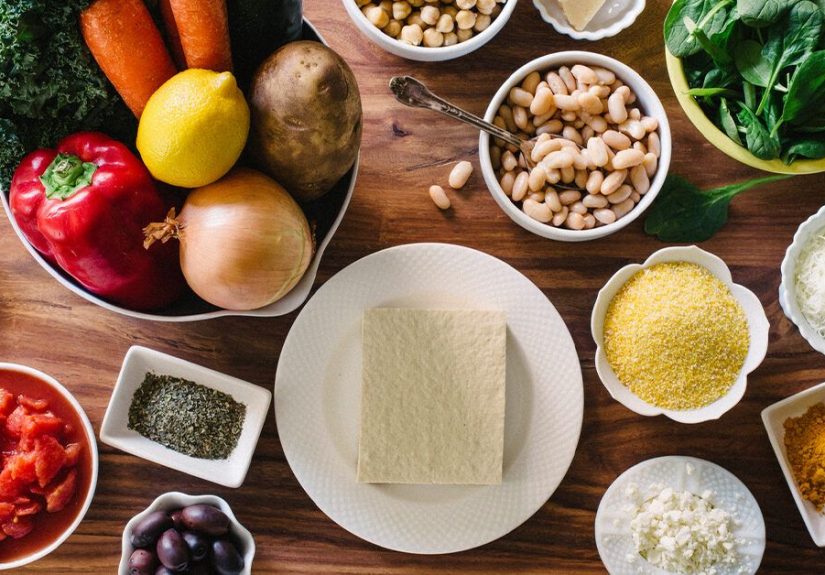
Easy targets: Greek yogurt, eggs, tofu, beans, chicken, fish, lean meat, cottage cheese, or protein smoothies.
Step 6: Hit your calcium goal mostly through food
Calcium is a major building block for bone. Many adults need around 1,000–1,200 mg/day depending on age/sex.
Food sources often come with bonus nutrients.
- Dairy: milk, yogurt, cheese
- Fish with bones: canned salmon, sardines
- Plants: kale, collards, bok choy, tofu made with calcium salts
- Fortified: some plant milks, cereals, orange juice
Note: If you use supplements, don’t “megadose.” Too much calcium can cause problems for some people.
Discuss the right approach with your clinician.
Step 7: Get enough vitamin D (calcium’s ride-or-die)
Vitamin D helps your body absorb calcium and supports muscle function, which matters for fall prevention. Many adults
need about 600–800 IU/day depending on age, but individual needs vary. Sun exposure can help, but geography, skin tone,
season, sunscreen use, and lifestyle all change the math.
Practical move: Ask your clinician whether a vitamin D blood test makes sense for youespecially if you
rarely get sun or have risk factors for deficiency.
Step 8: Don’t ignore magnesium, vitamin K, and overall nutrition
Bones rely on more than calcium and vitamin D. Magnesium supports bone structure; vitamin K is involved in bone protein
activation; and overall diet quality matters. You don’t need a supplement shopping spreestart with food:
leafy greens, nuts, seeds, beans, whole grains, fruits, and vegetables.
Step 9: Maintain a healthy body weight (not too low, not too high)
Being underweight is linked to higher fracture risk and lower bone density. On the flip side, rapid weight loss can
also reduce bone density, especially if you’re not strength training and eating enough protein.
If weight loss is a goal: pair it with resistance training and adequate protein/calcium/vitamin D.
Slow and steady beats “crash and crack.”
Step 10: Quit smoking (your bones are not fans)
Smoking is associated with lower bone density and higher fracture risk. If you smoke, stopping is one of the most
powerful bone-health upgrades you can make. If quitting feels huge (it is), talk to a healthcare professional about
supports that actually workmeds, counseling, and structured programs.
Step 11: Keep alcohol (and caffeine) in the “moderation” lane
Heavy alcohol use is a known risk factor for osteoporosis and fractures. Moderate drinking is generally considered
lower risk, but “moderate” is doing a lot of work in that sentencebe honest with the pour size.
Caffeine isn’t automatically the villain, but very high intake (especially with low calcium intake) can be a problem.
If your daily routine is “coffee + vibes” and your calcium intake is basically “none,” your bones would like a meeting.
Step 12: Review medications and medical conditions that affect bone
Some conditions and medications speed bone loss: long-term corticosteroids (like prednisone), certain seizure meds,
some cancer treatments, overactive thyroid, malabsorption (like celiac disease), low testosterone, and more.
Never stop a prescribed medication on your ownbut do ask:
“Does this affect bone density, and how do we protect my bones?”
If you’re on long-term steroids, in particular, bone-protection planning is essential (exercise, nutrition, and sometimes medication).
Step 13: Get screened when appropriateand personalize your plan
A DEXA (DXA) bone density test is the standard way to measure bone mineral density. If you’re at higher risk
(age, family history, fractures, menopause, long-term steroid use, etc.), talk to your clinician about screening.
If you already have osteoporosis, lifestyle steps still matterbut you may also benefit from prescription treatment.
The best plan is the one that matches your risk, medical history, and preferences.
A simple “bone density week” you can copy
- Mon: Strength training (full body, 45 minutes) + calcium-rich snack
- Tue: Brisk walk (30 minutes) + balance practice (5 minutes)
- Wed: Strength training + protein-forward dinner
- Thu: Stairs or hill walk (20–30 minutes) + mobility work
- Fri: Strength training + early bedtime (bone remodeling likes sleep)
- Sat: Fun weight-bearing activity (dance class, tennis, hike)
- Sun: Active recovery + meal prep (so nutrition isn’t an accident)
When to see a doctor sooner (not later)
- You’ve had a low-trauma fracture (like from a minor fall)
- You have chronic back pain or height loss (possible spine compression fractures)
- You’re taking long-term steroids or have a condition that affects absorption/hormones
- You’re postmenopausal with risk factors or a family history of osteoporosis
Key takeaways
Increasing bone density is a long game, but it’s not mysterious: load your bones (smart exercise), feed your bones
(protein + calcium + vitamin D + overall nutrition), and reduce the stuff that quietly steals bone (smoking, heavy alcohol,
unmanaged medical risk). Stack those habits and you’re giving your skeleton the best chance to stay strong for decades.
Real-World Experiences: What People Notice When They Work on Bone Density (About )
People usually start this journey for one of three reasons: a scary DEXA result, a fracture that “shouldn’t have happened,”
or a doctor casually saying, “Let’s keep an eye on your bones,” which is medical code for “Please don’t ignore this for 10 years.”
What’s interesting is that the first changes most folks notice aren’t on a scanthey’re in daily life.
Experience #1: The “I thought walking was enough” moment.
Many active adults walk regularly and are surprised when their bone density still drops. A common pattern is adding
resistance training and realizing, within 6–8 weeks, that stairs feel easier and posture improves. People often describe
it as “feeling more stable,” especially when carrying groceries or getting up from low chairs. The bones may not have
dramatically changed yetbut the muscles supporting the skeleton are waking up, and that alone reduces fall risk.
Experience #2: The protein upgrade that accidentally fixes everything.
When someone starts aiming for protein at breakfast (instead of coffee and a pastry that tastes like optimism),
they frequently report better energy, fewer cravings, and improved workout consistency. The bone-density goal becomes
the “front door,” but the house they move into includes better muscle maintenance and healthier body weightboth of
which support bone health. A typical comment: “I didn’t expect my knees to feel better just because I started lifting
and eating differently.”
Experience #3: The supplement confusion spiraland the relief of a plan.
A lot of people begin by panic-buying calcium, vitamin D, magnesium, vitamin K, and something called “BoneMax Ultra Platinum”
(which sounds like a superhero, not a nutrient). After talking with a clinician and focusing on food first, many feel
calmer and more consistent. They’ll often say the biggest win wasn’t a specific pillit was knowing their personal target:
“Okay, I need about this much calcium, and my vitamin D is low, so we’re correcting it safely.” Consistency beats chaos.
Experience #4: The “numbers improved, but slowly” lesson.
People who stick with strength training, adequate protein, and calcium/vitamin D support for a year or two often
describe small but meaningful improvements in DEXA resultsor at minimum, slower decline than expected. Just as important,
they frequently report fewer falls or “near falls” because balance practice and stronger legs change how they move.
The best stories aren’t about perfect scores; they’re about staying independent: traveling without fear, playing with kids,
gardening without back drama, and living without treating every curb like a potential plot twist.
Bottom line: bone density is the headline, but the day-to-day experience is usually about confidence. People feel stronger,
steadier, and less fragileand that’s a win you don’t have to wait two years to feel.