Table of Contents >> Show >> Hide
- What You’ll Need Before You Start
- Step 1: Decide What Kind of LED Lights You’re Installing
- Step 2: Check Your Bike, Your Manual, and Your Local Rules
- Step 3: Do a Dry Inventory and Bench Check
- Step 4: Remove the Seat and Panels, Then Disconnect the Battery
- Step 5: Dry-Fit the Lights and Plan the Wire Route
- Step 6: Clean the Surfaces and Mount the Lights Properly
- Step 7: Choose the Right Power Strategy
- Step 8: Make the Power, Ground, and Control Connections
- Step 9: Route, Protect, and Secure the Wiring
- Step 10: Test Everything Before You Reassemble the Bike
- Step 11: Reassemble, Aim, and Do a Final Real-World Check
- Common Mistakes to Avoid
- Troubleshooting a Motorcycle LED Install
- Real-World Experience: What Installing LED Lights on a Motorcycle Actually Feels Like
- Conclusion
- SEO Tags
Note: This guide focuses on low-voltage accessory LED lighting for street motorcycles. Always follow your bike’s service manual, use the wiring instructions that came with your kit, and confirm local lighting rules before riding on public roads.
Installing LED lights on a motorcycle is one of those upgrades that can make your bike look sharper, feel more visible, and give your garage weekend a satisfying “I did that” finish. It can also become a fast-moving comedy if you skip the planning, stick strips onto dirty plastic, or route wires where the suspension would love to chew them for lunch.
The good news is that adding motorcycle LED lights is usually a manageable project if you slow down, use the right parts, and treat the wiring with a little respect. Whether you’re installing accent lights, running lights, auxiliary LEDs, or a simple under-seat controller setup, the process is less about magic and more about method. Below is a clean, practical, no-nonsense guide to getting it done in 11 steps without turning your bike into an electrical mystery novel.
What You’ll Need Before You Start
- Motorcycle LED light kit or LED strips
- Inline fuse or fused harness if your kit does not include one
- Switch, relay, or controller module
- Zip ties or cable ties
- Alcohol wipes or surface cleaner
- Adhesive promoter if recommended by the kit
- Heat-shrink connectors or weather-resistant connectors
- Basic hand tools for seat and panel removal
- Multimeter or test light
- Your motorcycle owner’s manual or service manual
Step 1: Decide What Kind of LED Lights You’re Installing
Not all motorcycle LED lights do the same job. Some are purely accent lights meant to add glow around the frame, engine, or fairing. Others are auxiliary running or visibility lights designed to help you stand out in traffic. Some kits tie into brake or turn signal functions, while others are just simple two-wire lights with an on-off switch.
Start by getting brutally honest about what you want. Are you after a subtle white running-light look? A color-changing accent kit for parked show duty? Additional rear visibility? Or a compact set of auxiliary LEDs to make the front of the bike more noticeable? Your answer affects where you mount the lights, how you wire them, and whether you need a basic harness, a relay, or a controller that can work with a modern CAN-bus bike.
Why this matters
Choosing the right type of kit first prevents one of the most common garage mistakes: buying a universal kit and then discovering your bike needs a trigger wire, a dedicated controller, or a plug-and-play harness. That realization usually arrives right after you’ve removed half the bodywork and used language that would upset your grandma.
Step 2: Check Your Bike, Your Manual, and Your Local Rules
Before you mount anything, check whether your motorcycle already has an auxiliary power connector under the seat or behind the dash. Many bikes offer a factory accessory circuit, and using it can make the job cleaner. Also check whether your charging system is healthy enough for added electrical accessories, especially if you already run heated gear, a USB charger, a GPS mount, or other add-ons.
This is also the time to think about legality. Accent-light laws vary by location, and some states are picky about color, flashing behavior, mounting height, or whether a light could be mistaken for emergency lighting. If your kit includes flashing modes, save those for off-road or show use unless you know they are legal where you ride. “But it looked cool in the garage” is rarely a winning roadside legal defense.
Step 3: Do a Dry Inventory and Bench Check
Open the kit and lay everything out on a workbench or clean floor. Check for the light strips or pods, switch, relay, fuse holder, controller, wiring leads, connectors, adhesive promoter, and mounting hardware. If anything is missing, now is the moment to find out, not after you’ve peeled the backing off your last strip and realized the power lead is still living in another zip code.
If the kit allows it, do a quick bench test according to the manufacturer’s instructions. You are not trying to stage a laser show in your kitchen. You just want to verify that the LEDs work, the controller responds, and the switch is functional. A two-minute sanity check can save an hour of troubleshooting later.
Step 4: Remove the Seat and Panels, Then Disconnect the Battery
Once you’re ready to work on the bike, remove the seat and any side covers or fairing pieces needed to access the battery and wire-routing areas. Take pictures as you go if your motorcycle has bodywork that goes together like a puzzle designed by a very confident engineer. Future you will be grateful.
Disconnect the negative battery terminal first. That simple move reduces the risk of accidental shorts while you work around the positive lead or frame. Keep the hardware organized in a tray or cup, because tiny fasteners have a supernatural ability to teleport under toolboxes the second your back is turned.
Step 5: Dry-Fit the Lights and Plan the Wire Route
Before you stick anything permanently, hold the lights in place and map the entire route from each light back to the switch, controller, or battery connection. Look for hidden mounting spots that still provide a clean glow or useful visibility. Good LED placement looks intentional. Bad LED placement looks like your motorcycle lost an argument with a holiday decoration aisle.
As you mock everything up, think about heat, movement, and service access. Keep wires away from exhaust pipes, headers, radiators, chain runs, sprockets, steering stops, and suspension travel. Also make sure the seat, tank, or side panels will not pinch the wires when reinstalled. If you have to force bodywork closed, the wire route is wrong. The bike is not being dramatic. It is trying to warn you.
Step 6: Clean the Surfaces and Mount the Lights Properly
Adhesive-backed LED strips only work as well as the surface prep underneath them. Clean the mounting area thoroughly. If your kit includes adhesive promoter, use it exactly as directed and let it dry before touching the area. Oils from your fingers, dust, wax, and road grime can weaken the bond and turn a tidy installation into a dangling sadness ribbon halfway through your first ride.
Press each strip or light firmly into place and hold it long enough for the adhesive to seat. If your kit uses brackets or screws, make sure the hardware is snug but not crushing plastic or rubber components. For accent lights, hidden placement usually looks best. For visibility lights, placement should be symmetrical and purposeful. Your bike should glow with intent, not confusion.
Step 7: Choose the Right Power Strategy
This step separates a neat installation from a battery-draining headache. You generally have four common options: connect to a factory auxiliary circuit, use a fused harness straight to the battery, run a relay that is triggered by switched ignition power, or use a modern accessory controller or fuse block. If your bike is a newer model with CAN-bus electronics, a plug-and-play controller can make life much easier.
For a simple LED accent kit, a fused connection with a switch may be enough. For a setup you do not want left on by accident, switched power or a relay is smarter. If you plan to add more accessories later, a small distribution block keeps the wiring cleaner and makes future upgrades far less annoying. In other words, do not build a spaghetti bowl today if you already know tomorrow’s menu includes fog lights, a charger, and heated grips.
Step 8: Make the Power, Ground, and Control Connections
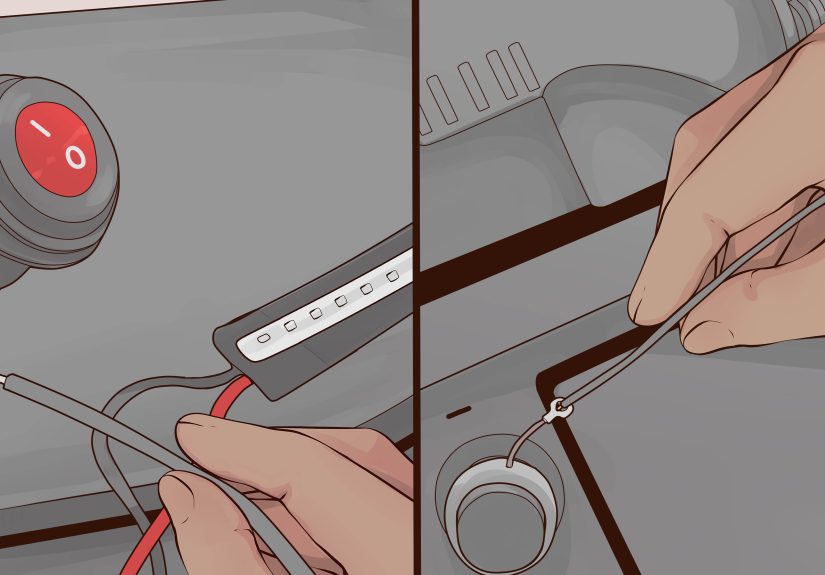
Now connect the system according to the kit diagram. Positive goes to the appropriate fused power source. Ground goes to a clean ground point or the battery negative, depending on the kit. If you have a controller or switch lead, connect it exactly as instructed. Color-changing kits often have additional wires for control modules, and brake-integrated kits may need a trigger wire from the bike’s brake circuit.
Use proper connectors and protect them from moisture and vibration. Heat-shrink connectors, quality crimp terminals, and weather-resistant plugs are your friends. Bare twisted wires wrapped in tape are not friends. They are the electrical version of “trust me, bro,” and they tend to fail right when you finally show the bike to someone you were hoping to impress.
If your bike uses CAN-bus electronics
Take extra care before tapping random wires. Some bikes need a controller or approved trigger source rather than a direct splice into sensitive lighting circuits. If your kit specifically mentions CAN-bus compatibility, follow that path. It is almost always cheaper than guessing wrong.
Step 9: Route, Protect, and Secure the Wiring
Once the system is connected, dress the wiring neatly along the frame and factory harness paths. Use cable ties, but do not cinch them so tight that they cut into insulation. Keep the fuse holder accessible and the controller tucked somewhere protected from water, heat, and moving parts. Leave a little slack at steering areas so the bars can move lock-to-lock without tugging the harness.
This is the step where patience pays off. A clean wire route looks professional, makes future maintenance easier, and reduces the chance of a short. It also prevents that deeply humiliating moment when your beautiful new LED setup works perfectly on the center stand and then quits because the first left turn pulled a connector loose.
Step 10: Test Everything Before You Reassemble the Bike
Reconnect the battery, negative terminal last, and test the system before reinstalling every panel. Turn the ignition on, cycle the switch, try the controller, and confirm every strip or pod lights as expected. If your kit includes brake or turn signal integration, test those functions too. This is also the time to check for dim sections, polarity mistakes, loose connectors, or a blown fuse.
If something does not work, do not panic and start unplugging everything like a game-show contestant under pressure. Work backward methodically. Check the fuse. Check the ground. Check polarity. Inspect for pinched or frayed wires. Confirm the switch or controller is powered. Most LED-light problems come down to a simple connection issue, not a haunted motorcycle.
Step 11: Reassemble, Aim, and Do a Final Real-World Check
Once the system works, reinstall the seat and body panels carefully, making sure nothing crushes the harness. Then roll the bike outside and look at the lights in natural light and again after dark. Confirm the glow is even, the visibility is useful, and nothing shines directly into your own eyes or creates glare that would annoy other drivers.
If you added forward-facing LEDs or auxiliary pods, aim them responsibly. Extra visibility is great. Blasting oncoming traffic with a miniature sun is not. Also confirm the lights still function after turning the bars fully left and right and after compressing the suspension by sitting on the bike. A final five-minute check now can save a roadside repair later.
Common Mistakes to Avoid
- Mounting adhesive strips on dirty, waxed, or oily surfaces
- Running power without an appropriate fuse
- Skipping switched power and draining the battery overnight
- Routing wires near exhaust heat, fan blades, chain runs, or suspension movement
- Pinching wires under the seat or side panels
- Using cheap connectors that are not weather-resistant
- Ignoring local laws on color, flashing modes, or auxiliary light placement
- Testing too late, after every panel is already back on the bike
Troubleshooting a Motorcycle LED Install
The lights do not turn on at all
Check the fuse first, then the battery connection, then the ground. Confirm the switch or controller is getting power and that polarity is correct. If the bike has a modern electronic system, confirm you are using the correct trigger or controller method.
One strip works, one does not
Look for a loose connector, damaged lead, or bad crimp. A quick swap test can help identify whether the issue follows the strip or stays with the harness branch.
The battery dies after parking
Your system may be connected to constant power without a proper switch or relay. Rewire it to switched power if appropriate, or install a controller that shuts down with the ignition.
Turn signals flash too fast after an LED conversion
If your project also replaced turn signal bulbs or assemblies with LEDs, you may need an electronic flasher relay or another compatible solution. That issue is common with LED turn-signal conversions but separate from basic accent-light installs.
Real-World Experience: What Installing LED Lights on a Motorcycle Actually Feels Like
Here is the part most short how-to guides skip: the emotional journey of a motorcycle LED install is usually three parts confidence, one part confusion, and one part lying on the garage floor staring up at the underside of your bike while wondering why manufacturers hide connectors in places apparently accessible only to retired origami masters.
The first surprise for most riders is that the installation rarely fails because of the lights themselves. The real trouble usually comes from planning mistakes. People rush the dry fit, assume the adhesive will hold on a dusty surface, or route wires through the first open space they see. Then the seat goes back on, something gets pinched, and suddenly the new lighting system behaves like it has personal boundaries. That is why the boring stuff matters. Surface prep matters. Fuse placement matters. Slack in the harness matters. The glamorous hero of the project is often the humble zip tie.
Another thing riders learn fast is that neatness is not just about looks. A tidy install is easier to inspect, easier to fix, and much less likely to cause trouble later. There is a huge difference between opening the seat and seeing a clean harness following the frame versus seeing a nest of colorful wires that looks like your motorcycle swallowed a party supply store. One setup inspires confidence. The other inspires a deep sigh and a search for the wiring diagram.
In practice, the best installs are usually the ones that stay modest. A few well-placed LEDs can make a bike look sharper than a giant blast of random glow from every direction. Subtle engine accents, a clean line under the tail, or carefully mounted auxiliary lights at the front often look far more premium than a bike that appears ready to DJ its own parking lot meet. The goal is to make the motorcycle look intentional, not radioactive.
There is also a strong chance you will finish the job, step back, admire the result, and immediately decide to redo one strip because it is two inches off and now you cannot unsee it. This is normal. Motorcycle projects have a funny way of teaching precision through annoyance. The second time you place an LED strip, it usually goes on straighter, cleaner, and with less misplaced optimism.
Perhaps the biggest lesson is that LED installs reward patience more than talent. You do not need to be an electrical wizard to do a clean job. You need to slow down, read the kit instructions, respect the wiring, and test before full reassembly. That is it. When riders get into trouble, it is usually because they skip one of those steps, not because the project is beyond them.
And when it all works, the payoff is real. The bike looks more polished. The controls feel familiar because you set them up yourself. The wiring makes sense because you were the one who routed it. There is a special kind of garage satisfaction in flipping the switch, seeing the LEDs come alive, and knowing your motorcycle now has a little more personality without sacrificing common sense. That is the sweet spot: tasteful, secure, functional, and just flashy enough to make you grin like you definitely meant to spend half your afternoon doing this.
Conclusion
Installing LED lights on a motorcycle is not difficult when you treat it like a proper wiring job instead of a cosmetic shortcut. Choose the right kit, plan the wire path, use a fused power source, protect every connection, and test before reassembly. Do that, and you will end up with a cleaner-looking bike, a safer electrical setup, and a result that feels custom without feeling chaotic.
In other words: be patient, be neat, and do not let a five-dollar connector ruin a hundred-dollar look.