Table of Contents >> Show >> Hide
- What Is Kokedama?
- DIY Kokedama Supplies Checklist
- Choosing the Best Plant for a Kokedama Ball
- The Soil Mix: Why Kokedama Needs “Sticky Structure”
- How to Make a DIY Kokedama Ball (Step-by-Step)
- How to Display a Kokedama (Without Drips or Regrets)
- Kokedama Care 101: Watering, Light, Humidity, Fertilizer
- Troubleshooting: Common DIY Kokedama Problems
- Example Project: A Pothos Kokedama for a Small Apartment
- Variations: Make Kokedama Your Signature Plant Trick
- Experience Notes: What Making a DIY Kokedama Ball Is Really Like (and What You’ll Learn Fast)
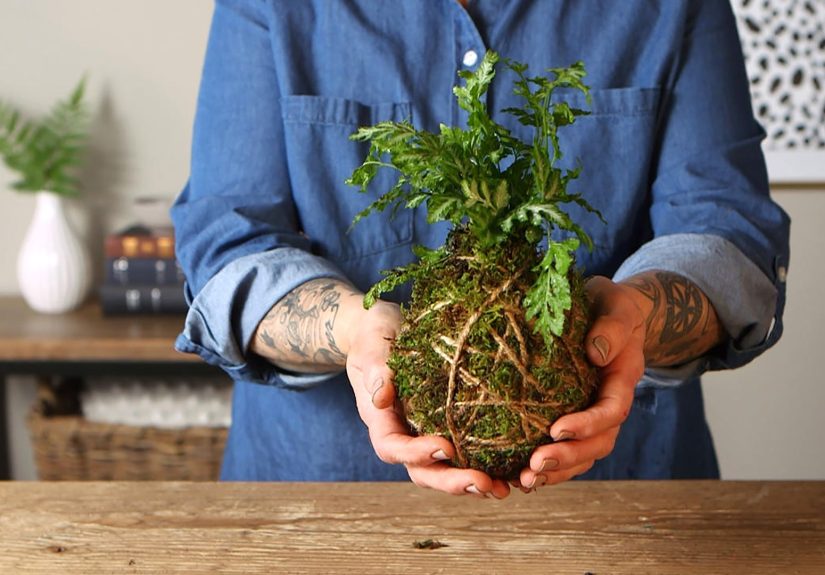
If houseplants had a red-carpet event, kokedama would arrive wearing moss couture and pretending it “just threw this on.” A kokedama ball is basically a plant living in a hand-formed sphere of soil, wrapped in moss, and held together with stringpart botanical sculpture, part tiny ecosystem, part “wait… how is that not falling apart?”
This guide walks you through how to make a DIY kokedama ball step by step, how to pick the right plant and soil mix, how to hang it like a minimalist chandelier, and how to keep it alive once the crafting high wears off.
What Is Kokedama?
Kokedama translates to “moss ball,” and it’s a Japanese-inspired planting style rooted in the idea of displaying a plant without a traditional pot. Instead, the plant’s root zone is enclosed in a compact soil ball, then wrapped in moss and secured with twine or line. You can display it on a dish (tabletop style) or suspend it to create a “string garden.”
What makes kokedama so satisfying is that it’s both functional and sculptural: you’re creating a living planter that looks like art, but still follows real plant-care rules. (Plants, unfortunately, do not thrive on vibes alone.)
DIY Kokedama Supplies Checklist
Gather everything first. Once your hands are muddy, you won’t want to start rummaging through drawers like a raccoon at midnight.
Materials
- A small to medium houseplant (4-inch nursery pot is a friendly starting size)
- Peat moss or a peat-based potting mix (helps hold moisture and bind)
- Bonsai soil (often includes akadama or other gritty components for structure)
- Optional binder: a small amount of clay/bentonite (helpful if your ball crumbles easily)
- Sphagnum moss (loose or sheet) for cushioning and moisture around roots
- Sheet moss (or preserved moss sheets) for the outer “skin” look
- String/twine OR fishing line/waxed thread for wrapping and support
- Scissors
- Bowls/bucket + water
- Optional: gloves, tray, drop cloth, colander for draining
Choosing the Best Plant for a Kokedama Ball
The best kokedama plants share three traits: they don’t freak out when roots are disturbed, they tolerate slightly tighter root quarters, and they aren’t dramatic about humidity shifts (or at least, not too dramatic).
Beginner-friendly kokedama plants
- Pothos and philodendron (forgiving, adaptable, great for indoor light)
- Spider plant (fast, hardy, and great “pup” candidates)
- Ferns (beautiful, but prefer steadier moisture)
- Peperomia (compact, slower-growing, tidy roots)
- Dracaena or snake plant (tougher, lower-water options)
- Peace lily (works well, but watch moisture and light)
Plants that are doablebut pick your moment
- Succulents: use a cactus/succulent mix and don’t overwater (the moss “look” can tempt you into soaking too often).
- Orchids: possible, but the medium and watering needs are differentmore “project” than “first kokedama.”
Rule of thumb: start small. A plant with a modest root system is easier to wrap, easier to water evenly, and less likely to outgrow the moss ball before you’ve learned the rhythm.
The Soil Mix: Why Kokedama Needs “Sticky Structure”
A kokedama ball has to do two jobs at once: (1) hold together like a firm snowball, and (2) still allow roots to breathe. That’s why many tutorials use a blend of peat moss and bonsai soil.
A reliable starting ratio
A common and beginner-friendly mix is 7 parts peat moss to 3 parts bonsai soil. Add water gradually until you can compress the mix into a ball that stays intact when handled. If it crumbles, it’s too dry. If it squishes like pudding, it’s too wetadd more dry mix.
Some makers add a small amount of clay/bentonite as a binder when needed, especially if their soil blend won’t hold shape. Think of it as the “mortar” that helps the ball stay together, but don’t overdo it or the ball can dry harder and faster.
How to Make a DIY Kokedama Ball (Step-by-Step)
Step 1: Soak the moss
Place your sphagnum moss and/or sheet moss in a bowl of water to rehydrate. If using dry sphagnum, it may take 10–60 minutes to fully soften depending on how dry and compressed it is. Once soaked, gently squeeze out excess water so it’s damp, not dripping.
Step 2: Prep your plant
Remove the plant from its nursery pot. Gently shake or tease away some of the loose soil to expose roots. You don’t need “bare root perfection”you just want the root mass manageable so it can sit inside the kokedama ball.
If the plant is severely root-bound, loosen the outer roots a bit. Trim only obviously dead or excessively long roots. Keep it gentle: you’re aiming for “tidy,” not “haircut for dramatic effect.”
Step 3: Mix and form the soil ball
In a bowl, combine your peat moss and bonsai soil. Add water slowly while mixing by hand. When it starts to clump, compress it into a sphere. The ball should feel firmlike it could survive a very light toss-and-catch test without falling apart.
Size guide: Start with a ball roughly the size of a grapefruit or large orange for a 4-inch plant, then adjust based on the root mass.
Step 4: Put the plant inside
Create a cavity in the center of the soil ball and nestle the roots inside, or split the ball in half, place the roots between the halves, and press it back together. Mold the soil firmly around the roots, keeping the plant upright and centered.
Rotate the ball and press gently to smooth cracks. If the surface is crumbly, mist or add a few drops of water and re-pack. If it’s too wet, add a pinch of dry mix and compress again.
Step 5: Wrap with sphagnum moss
Wrap damp sphagnum moss around the soil ball as a moisture-holding layer (especially useful for plants that like consistent dampness). Press it snugly so it conforms to the sphere.
Step 6: Add the outer moss “skin”
Lay sheet moss (or preserved moss sheet) flat, place the ball on it, and fold the moss up and around the sphere. Trim excess so it overlaps neatly. You’re going for “tailored jacket,” not “moss burrito explosion.”
Step 7: Secure with string (and make it display-ready)
Now the fun part: wrapping. Use twine, waxed thread, or fishing line and wrap in many directions to hold the moss tight against the ball. Tie off securely.
- For tabletop kokedama: wrap randomly and tie firmlydone.
- For hanging kokedama: start with a long tail at the top or add a separate hanger (multiple strands tied to different points around the ball, then gathered and knotted above).
Durability note: If you plan to hang your kokedama long-term, consider stronger, longer-lasting line (like waxed thread or fishing line) rather than soft twine that can weaken with repeated soaking.
How to Display a Kokedama (Without Drips or Regrets)
Tabletop display
Set your kokedama on a shallow dish, saucer, decorative tray, or even a bed of pebbles. This is the easiest way to start because gravity is less dramatic and you can manage drainage more neatly.
Hanging “string garden” style
Hanging kokedama looks amazing, but it dries faster and needs more consistent watering. If you hang it, place it where you can easily take it down for soaking, and where dripping won’t ruin your floor or your friendships.
Kokedama Care 101: Watering, Light, Humidity, Fertilizer
Watering: soak, drain, and learn the “weight test”
The most reliable watering method is submersion. Fill a bowl, bucket, or sink with lukewarm water and soak the moss ball. Depending on size and dryness, soaking can range from about 5 to 20 minutes. Many gardeners use visual/feel cues: soak until the ball feels heavy and fully hydrated (often you’ll see bubbles slow or stop as air is displaced).
After soaking, gently squeeze the ball to remove excess water, then let it drain in a colander for a bit so it doesn’t drip everywhere like a plant-shaped sponge prank.
How often? Use the weight test. After a full soak, lift your kokedama and notice how heavy it feels. When it becomes noticeably lighter, it’s time to water again. Frequency varies widely with plant type, home humidity, and lightanywhere from twice a week to once a month is possible.
Misting and humidity
Mist the moss between soakings if it’s drying quickly, especially in winter when indoor heat runs. Kokedama can benefit from higher humidity; placing it near a humidifier or in naturally humid rooms (like a well-lit bathroom) can reduce stress for moisture-loving plants.
Light
Follow your plant’s needs, but avoid harsh, full-sun spots that can dry the moss ball too fast. Bright indirect light is ideal for many common kokedama houseplants. Also keep it away from hot/cold drafts (vents are plant mood-killers).
Fertilizer (tiny, diluted, not a protein shake)
Kokedama doesn’t hold a huge reservoir of nutrients, but it also doesn’t want aggressive feeding. Many growers fertilize with a diluted, water-soluble houseplant fertilizer mixed into the soaking water during the growing season. Others feed very sparinglylike once a year in spring. Either approach can work; the safest path is “less, but consistent,” and always diluted.
Repotting and refreshing
If you see roots emerging through the moss or the plant looks stressed despite correct watering, it may be outgrowing the ball. You can sometimes rebuild into a slightly larger kokedama or transition the plant to a pot. Also expect to replace or reinforce the string/line on older kokedama as it ages and gets repeatedly soaked.
Troubleshooting: Common DIY Kokedama Problems
“My ball is cracking or crumbling.”
- Soil mix is too dry: mist and re-pack.
- Not enough peat/binder: increase peat ratio slightly or add a small amount of clay binder.
- Ball is too large for your soil structure: scale down or tighten wrapping.
“My moss is turning brown.”
- Too much direct sun or low humidity: move to bright indirect light and mist more often.
- Underwatering: soak thoroughly and use the weight test.
- Preserved moss won’t stay “alive-green” forever: it’s decorative, not always living.
“Leaves are yellowing.”
- Overwatering: shorten soak time, improve drainage time, and water less frequently.
- Not enough light: move to brighter indirect light.
- Root stress from initial build: give it a few weeks to settle, but monitor closely.
“It smells funky.”
That’s usually a sign it’s staying too wet. Let it drain longer after soaking, reduce frequency, and ensure it’s not sitting in pooled water on a dish.
Example Project: A Pothos Kokedama for a Small Apartment
Plant: Golden pothos (easy, forgiving, tolerant of medium light).
Ball size: Grapefruit-sized for a 4-inch plant.
Soil mix: 7 parts peat moss + 3 parts bonsai soil; water added gradually until moldable.
Wrap: Sphagnum layer for moisture, sheet moss outside for aesthetics, secured with strong line.
Placement: Bright, indirect light near a window (not touching glass in extreme temps).
Watering rhythm: Soak 8–12 minutes, drain well, re-soak when noticeably lightoften weekly, but adjusted by season.
This is a great “starter kokedama” because pothos is resilient. If you over-soak once, it probably won’t hold a grudge forever. (It will, however, silently judge you. Plants are like that.)
Variations: Make Kokedama Your Signature Plant Trick
Mini kokedama “string garden” clusters
Make several small kokedama (think lime to orange-sized) and hang them at different heights. Mixing leaf shapes (a fern, a trailing pothos, a peperomia) creates instant design drama.
Herb kokedama
Some herbs can workespecially tougher ones like thyme or oreganoif you can keep watering consistent. Treat it like a living centerpiece that also smells better than your group chat’s opinions.
Outdoor kokedama (advanced mode)
Outdoor kokedama can be tricky because heat, wind, and sun dry it fast, and weather makes watering inconsistent. If you try it, choose a protected spot with morning sun and afternoon shade, and expect more frequent hydration.
Experience Notes: What Making a DIY Kokedama Ball Is Really Like (and What You’ll Learn Fast)
People often imagine kokedama as a calm, meditative craftsoft music, gentle moss folding, maybe a cup of tea nearby. And yes, it can be soothing. But the most common real-world experience is: you start neat, and within ten minutes your hands look like you just negotiated peace between two mud puddles. That’s normal. Kokedama is a tactile project, and the mess is part of the process, not a sign you’re doing it wrong.
One of the first lessons beginners report is that water addition is everything. Most “my ball fell apart” moments happen because the soil mix wasn’t hydrated evenly. The trick is adding water in tiny increments and compressing thoroughlyalmost like kneading dough, except the dough is dirt and you won’t want to eat the final product. If you overshoot and the mix becomes too wet, the fix is simple: add a bit more dry mix and keep packing until the ball holds its shape.
Another frequent first-timer discovery: wrapping takes longer than expected. The moss looks like it should just cling politely, but it often tries to slide as soon as you start tying. Many people find it easiest to make an initial “belt” loop around the ball to hold the moss in place, then switch to crisscross wrapping in multiple directions. Once the first few wraps are snug, everything gets dramatically easier. It’s like putting a fitted sheet on a bedannoying until suddenly it clicks, then you feel like a wizard.
Watering also becomes a surprisingly personal routine. New kokedama owners often start with a schedule (“every Saturday!”) and quickly graduate to the weight test because it’s more reliable. In drier homes, especially during winter heating, people notice kokedama can go from “perfectly damp” to “astonishingly light” faster than a potted plant would. Many find that placing kokedama near other plants, using a humidity tray nearby, or running a humidifier helps stabilize the routine and keeps moss looking fresher.
There’s also a common “aha” moment around plant choice. Beginners who start with forgiving plants (like pothos, spider plants, or certain philodendrons) tend to have a smooth first month. People who start with pickier plants (some ferns, calatheas, or anything that faints at low humidity) often end up learning kokedama care the hard way. That doesn’t mean you can’t use fussier plantsit just means your first kokedama is best treated like a confidence-builder, not a botanical endurance test.
Finally, many crafters say the best part of kokedama is how it changes the way you “see” plants at home. Once you’ve made one, you start noticing vertical space, unused corners, and how greenery can function like living decor rather than “that plant on the windowsill.” Even if your first ball is slightly lopsided (it happens), it still looks intentionallike handmade pottery. And that’s the magic: kokedama doesn’t need to be perfect to be beautiful. It just needs to be secure, well-watered, and paired with a plant that wants to live there.