Table of Contents >> Show >> Hide
- Why Winter Surfaces Get So Dangerous
- Start With Snow Removal, Not Wishful Thinking
- Choose the Right Deicer or Traction Aid
- Make Outdoor Walking Areas Safer by Design
- Indoor Floors Deserve a Winter Safety Plan Too
- Wear Better Footwear and Walk Smarter
- Snow Shoveling Can Be a Hazard Too
- A Winter Safety Checklist That Actually Works
- Real-World Winter Experiences and Lessons
- Conclusion
- SEO Tags
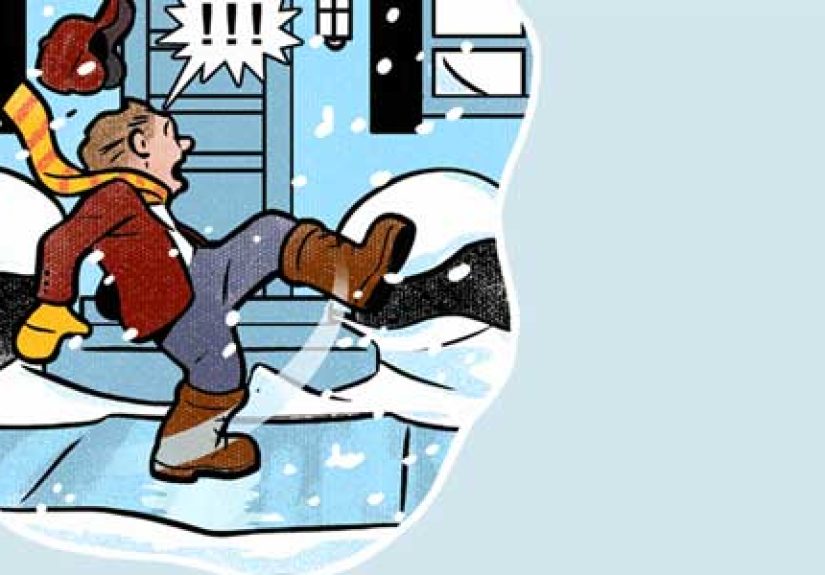
Winter has a talent for turning ordinary surfaces into tiny betrayal platforms. One minute your driveway looks fine, and the next minute it is auditioning for an Olympic figure skating event you never agreed to join. Sidewalks, porch steps, parking lots, entryways, and even your kitchen floor after a parade of snowy boots can become slippery fast. The good news is that making slippery surfaces safer in the winter is not complicated. The bad news is that it does require doing a few things before the ground starts acting like a prankster.
If you want fewer falls, fewer twisted backs, fewer dramatic arm flails in front of your neighbors, and fewer “I’m okay!” speeches shouted from the driveway, winter surface safety comes down to a simple formula: remove snow early, stop ice from bonding when you can, add traction when you must, improve lighting and drainage, and make people walk a little smarter. In other words, winter safety is part tools, part timing, and part refusing to wear smooth-soled shoes like you are headed to a cocktail party on a glacier.
Why Winter Surfaces Get So Dangerous
Snow is not always the villain. Often, the real troublemaker is what happens after the snow. Foot traffic packs it down. Sun melts the top layer. Temperatures drop again. Water refreezes into a slick, stubborn sheet that looks innocent and behaves like a lawsuit. Add shaded spots, worn steps, poor drainage, or low lighting, and a short walk to the mailbox starts feeling like a trust exercise.
That is why winter safety is about more than tossing a handful of salt and hoping for the best. Different surfaces need different strategies. Concrete, brick, wood, tile, asphalt, and indoor floors all respond differently to moisture, freezing, and deicing products. A safer winter setup starts with understanding that slippery surfaces are usually a systems problem, not a one-pellet solution.
Start With Snow Removal, Not Wishful Thinking
Shovel early and shovel often
The easiest ice to deal with is the ice that never gets a chance to form. Fresh snow is lighter, easier to move, and less likely to get compacted into a slick layer. Waiting until the end of the storm may sound efficient, but it often means lifting heavy, wet snow and then fighting the frozen crust it leaves behind. That is a terrible combo for both your back and your walkway.
Clear high-traffic areas first: front steps, the main walkway, the driveway path to your car, ramps, and any route a delivery driver, guest, or family member is likely to use. If you manage a business or shared property, focus on entrances, curb cuts, loading areas, and parking lot walk paths. Snow belongs somewhere safe, not piled where it will melt across a walkway and refreeze overnight like a sneaky sequel.
Think prevention, not just cleanup
One of the smartest winter habits is anti-icing. That means applying the right product before a storm or before freezing conditions hit, so ice is less likely to bond to the surface in the first place. De-icing, by contrast, is what you do after ice has already formed. Both have a place, but anti-icing usually makes cleanup easier, faster, and less dramatic.
If you know freezing rain, sleet, or a rapid temperature drop is coming, treat the surface before it turns hostile. This can be especially useful for steps, short walkways, sloped driveways, and entrances that stay shaded most of the day. Prevention is not flashy, but neither is lying on your back staring at the sky wondering how gravity became so personal.
Choose the Right Deicer or Traction Aid
Not every ice-melt product works the same way, and winter does not care about your assumptions. Rock salt is common because it is affordable and easy to find, but it becomes less effective in colder temperatures. Calcium chloride and magnesium chloride generally perform better in lower temperatures, which makes them more useful during deeper cold snaps. Some products work fast but can be tougher on concrete, metal, landscaping, or pet paws. Others are gentler but more expensive.
Here is the practical version:
- Sodium chloride (rock salt): affordable and common, useful in milder winter conditions.
- Calcium chloride: works in much colder weather and acts quickly, but can be harsher on some materials.
- Magnesium chloride: also works at lower temperatures and is often considered a strong cold-weather option.
- Calcium magnesium acetate: typically gentler on concrete and landscaping, but costs more.
- Sand or similar abrasives: do not melt ice, but add traction when melting is limited or temperatures are too low.
The biggest mistake people make is overapplying deicer like they are seasoning a giant casserole. More is not always better. Too much product can damage nearby plants, track indoors, corrode materials, and leave a sloppy residue. Use the amount recommended on the label, spread it evenly, and sweep up extra product once the surface dries. Your walkway is not trying to become a salt flat.
Make Outdoor Walking Areas Safer by Design
Upgrade the trouble spots
Some places slip more than others every single winter. If one step always freezes first, if one corner of the driveway stays in shade all day, or if your porch turns glossy after every storm, that is not bad luck. That is a pattern. Treat it like one.
Add anti-slip strips to exterior stairs. Install or repair handrails. Improve drainage so meltwater flows away from paths instead of across them. Patch uneven concrete before winter arrives. Mark edges, changes in elevation, and curbs so they are easier to see in snow. For businesses, apartment buildings, and public-facing properties, lighting matters just as much as ice melt. A perfectly treated walkway is still risky if people cannot see where they are stepping.
Do not forget the “almost outside” zones
Garages, mudrooms, breezeways, loading docks, and covered entry pads are winter’s favorite gray areas. They may not look icy, but they collect snowmelt, drips, slush, and salt residue that can make surfaces slick. These transition zones need attention because people lower their guard there. Once folks are “basically inside,” they stop walking carefully. That is exactly when the floor decides to misbehave.
Indoor Floors Deserve a Winter Safety Plan Too
One of the most ignored winter hazards is the floor just inside the door. Wet boots come in, snow melts, and suddenly your entry tile becomes a surprise slip test. This is where a lot of winter falls happen, especially in offices, stores, apartment lobbies, schools, and homes with smooth flooring.
The fix is wonderfully unglamorous: use absorbent entry mats that actually stay flat, use enough of them for several steps, and replace them when they are saturated. A tiny mat that catches one boot print and then gives up is not a system. It is decor. If necessary, add boot trays, umbrella stands, or a clear place for wet gear so water does not migrate all over the floor.
At home, keep towels or a mop handy near the main entrance and wipe up slush before it spreads. In workplaces or shared buildings, post wet-floor signs during storms, inspect entrances often, and make sure mats do not curl or slide. A mat that bunches up is just a trip hazard pretending to help.
Wear Better Footwear and Walk Smarter
Winter footwear should be judged less by fashion and more by whether it seems interested in keeping you upright. Good winter shoes or boots should have tread, grip, and enough stability to handle wet steps, icy patches, and compacted snow. Low heels and rubber soles usually beat smooth, hard soles every time.
When conditions are bad, change how you walk. Take shorter steps. Slow down. Keep your hands free for balance instead of buried in your pockets. Use handrails. Avoid shortcuts over uncleared grass, decorative pavers, or glossy parking lot edges. If you are carrying groceries, carry less and make two trips. Pride heals slower than ankles.
The classic advice to “walk like a penguin” survives for a reason. Keeping your center of gravity over your front foot, walking flat-footed, and shortening your stride can make a real difference on snow and ice. It is not elegant, but neither is a winter fall montage starring your reusable shopping bags.
Snow Shoveling Can Be a Hazard Too
Making surfaces safer should not create a brand-new injury in the process. Snow shoveling is strenuous. Heavy, wet snow is especially demanding, and poor technique turns a simple chore into a lower-back complaint with a memorable soundtrack. Push snow when possible instead of lifting it. If you need to lift, use a smaller load, bend your knees, keep your back straighter, and avoid twisting as you throw.
It also helps to warm up first, take breaks, and stop before you are exhausted. If you have heart disease, limited mobility, or are older and not used to intense activity, snow removal can be more than tiring. It can be dangerous. In those cases, hiring help, using a snow blower, or asking a neighbor may be the smarter move. Heroic sidewalk clearing is nice in theory, but emergency room stories are expensive.
A Winter Safety Checklist That Actually Works
- Clear snow as early as possible before it packs down.
- Use anti-icing before a storm when freezing conditions are expected.
- Choose a deicer based on temperature, surface type, pets, and nearby landscaping.
- Use sand or another abrasive when you need traction more than melting power.
- Improve lighting, handrails, and drainage around entrances and stairs.
- Place absorbent, flat, nonslip mats inside entryways and replace them when soaked.
- Wear boots with grip and slow your pace on questionable surfaces.
- Use handrails, keep your hands free, and avoid carrying oversized loads.
- Shovel with proper technique and know when to ask for help.
- Inspect the same problem areas after every storm because winter loves reruns.
Real-World Winter Experiences and Lessons
Ask almost anyone who has lived through a serious winter, and they will tell you the same thing: slippery surfaces rarely announce themselves with a drumroll. They hide in ordinary moments. A homeowner steps onto the porch to grab a package. A parent hustles kids into the car while carrying a backpack, lunch bag, and coffee. An employee walks into the office lobby thinking the danger ended outside. That is how winter gets people: not with drama, but with routine.
One common story goes like this. A driveway gets shoveled well enough, but not all the way to the edges. During the day, a little sun melts the leftover snow. That water slides into the tire path or runs toward the sidewalk. Overnight, it refreezes into a clear patch of ice. The next morning, the driveway looks harmless, and someone steps out in work shoes with smooth soles because they are “only going from the house to the car.” Three seconds later, they are introduced to the exact texture of frozen concrete. The lesson is not just “use salt.” The real lesson is that incomplete cleanup creates tomorrow’s hazard.
Another familiar winter experience happens at entryways. A small business owner may do a great job clearing the sidewalk outside, but if customers track in slush all morning and the mat near the door is too short or already soaked, the floor becomes a problem zone. Staff start noticing that little half-slips happen in the same spot by the front counter. Nobody falls at first, so nobody changes the setup. Then one stormy afternoon, someone carrying a box or looking at their phone loses footing. Suddenly, everyone becomes very interested in mats, mops, and signage. Winter has a way of teaching maintenance lessons in the least patient manner possible.
There are also the people who learn through stairs. Exterior steps are sneaky because they concentrate risk in a small space. If even one tread is icy, balance can disappear fast. Homeowners often discover this after a storm when the walkway looks decent but the shaded top step still holds a thin layer of ice. Families that add handrails, anti-slip strips, and better lighting usually say the same thing afterward: they wish they had done it years earlier. Safety upgrades rarely feel exciting while shopping for them, but they become very exciting the first time they prevent a fall.
And then there is the humbling art of walking. People who live in snowy regions eventually develop a winter gait that looks slightly ridiculous and works beautifully. Shorter steps. Slower pace. Hands free. Eyes up. That “penguin walk” advice sounds silly until the day it saves you in a grocery store parking lot with a thin glaze of ice. Suddenly, waddling with dignity feels like wisdom, not comedy.
The most useful experience-based lesson is this: winter safety works best when it becomes a routine instead of a reaction. The households, businesses, and property managers with the fewest problems are usually the ones with a simple plan. They know where the shovel is. They check the weather. They pretreat the worst spots. They keep extra mats ready. They fix drainage in the off-season. They do not wait for the first fall to tell them where the danger lives. Winter still shows up with attitude, of course, but preparation takes away most of its power.
Conclusion
If you want to make slippery surfaces safer in the winter, focus less on miracle products and more on a smart process. Remove snow early. Prevent ice when possible. Choose the right deicer for the temperature and surface. Add traction where melting is not enough. Improve handrails, lighting, mats, and drainage. Wear better footwear. Walk like you know the season is trying something.
Winter surfaces do not have to be perfect to be much safer. A few practical changes can reduce falls, protect your property, and make everyday life less stressful when temperatures drop. In other words, you do not need to defeat winter. You just need to stop letting it run the walkway.